- 0
- 742 words
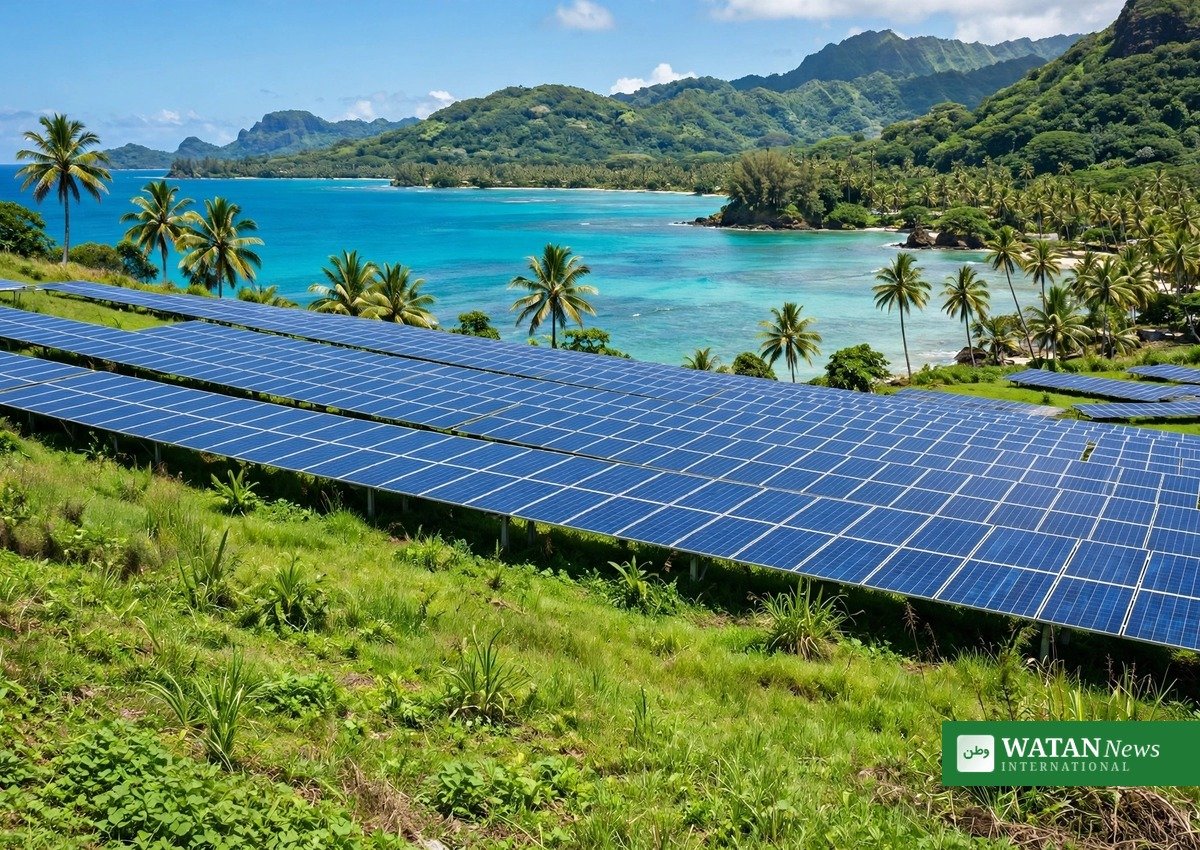
Australia has committed AUD 7.3 million to accelerate the Pacific’s shift to renewable energy, with the Australia Pacific renewable energy package announced at the pre-COP31 summit in Fiji on Monday 5 October 2026 by Prime Minister Anthony Albanese and Climate Change and Energy Minister Chris Bowen. The announcement came as Pacific nations once again pressed Canberra over its fossil-fuel exports.
What the Australia Pacific renewable energy package covers
The funding will support four strands of practical help for Pacific nations moving their grids toward clean energy:
- Grid modelling: engineers to help Pacific countries model their grids and understand how to integrate more renewable generation;
- Technical experts: support for Australia’s Renewable Energy Commissioner and a team of specialists to drive project development and grid integration;
- Early careers: a new early-careers programme to build the next generation of Pacific energy professionals leading the region’s transition;
- Regulators: capability building and development opportunities for energy regulators across the Pacific.
A new solar deal with Vanuatu
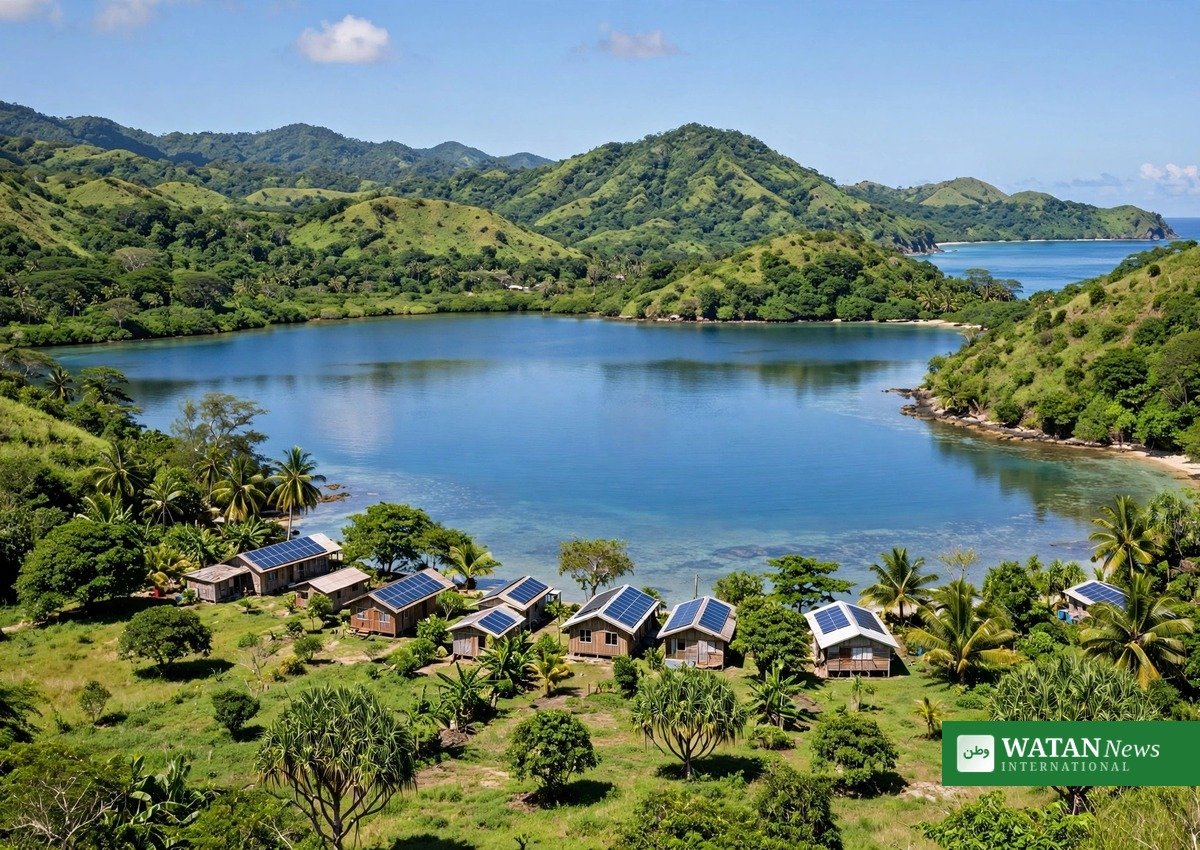
Alongside the package, Australia signed a new memorandum of understanding with Vanuatu to strengthen the island nation’s renewable energy transition. Under the agreement, Australian tools and expertise will help integrate more cheap, clean solar energy into Vanuatu’s grid while building a skilled local workforce — including technical expertise transfer, local capacity for infrastructure operations and maintenance, knowledge exchange with Australian institutions, and workforce planning and assessments.
“We’re supporting the Pacific’s renewable energy transition to help strengthen economic and energy security across the region,” Bowen said. “Bringing more solar energy online will put downward pressure on prices while cutting emissions.”
Why the region needs it
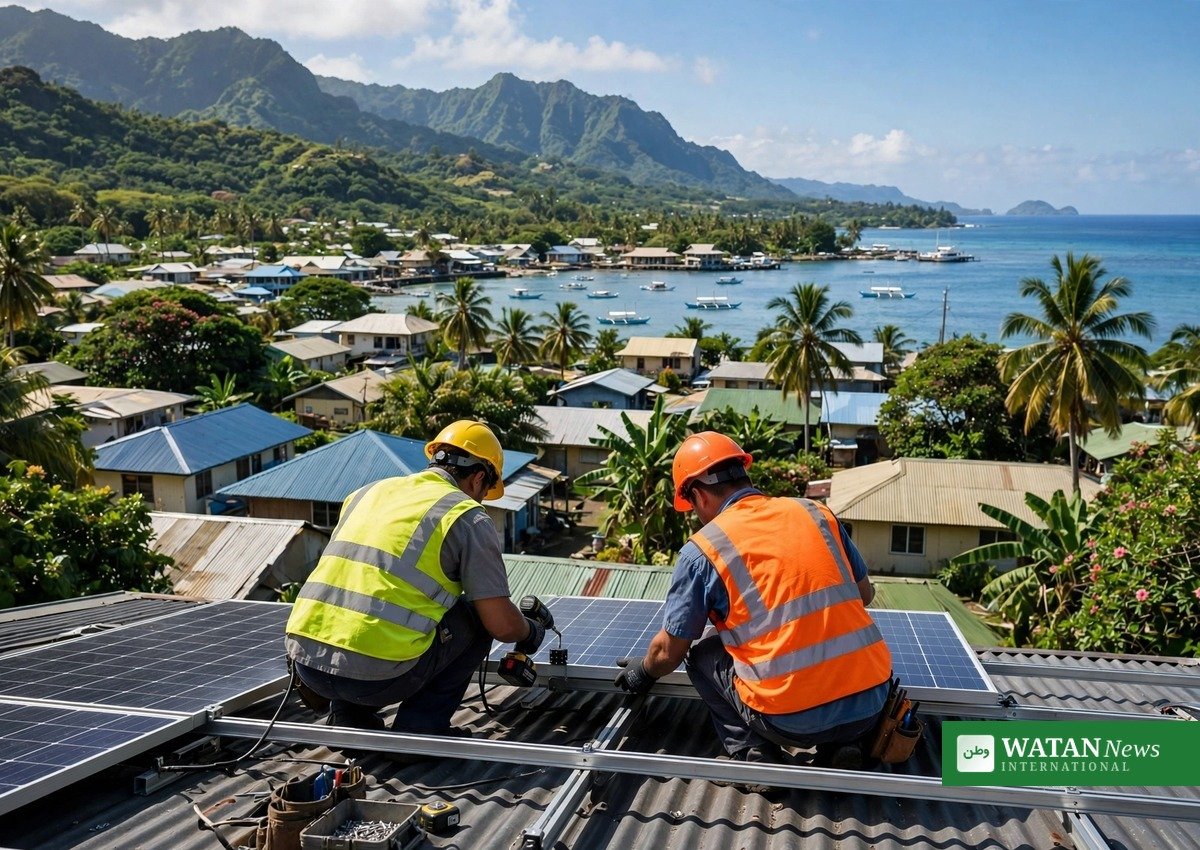
Pacific island nations pay some of the world’s highest electricity prices because they depend on imported diesel. “Some Pacific countries spend 25 per cent of their GDP on diesel — that’s terrible for emissions, it’s terrible for respiratory health, and it’s terrible for the economy,” Bowen said.
Energy Efficiency Council chief executive Luke Menzel said the funding could help Vanuatu electrify all of its government buildings by 2030, including schools and hospitals. “If Vanuatu can do it, Australia can do it, and so can the world,” he said.
Fossil-fuel criticism shadows the announcement
The deal was unveiled against a backdrop of renewed scrutiny of Australia’s fossil-fuel exports. Just days earlier, the NSW Independent Planning Commission greenlit a 19-year extension of Yancoal and Glencore’s Hunter Valley Operations coal mine — described by Pacific Islands News Association as the state’s biggest-ever coal mine expansion, which it said would generate more than 800 million tonnes of greenhouse gases.
Vanuatu’s Climate Change and Environment Minister Ralph Ragenvanu called the approval “deeply disappointing” in comments to The Australian Financial Review, saying it sent “the wrong signal at a critical time” as leaders gathered in Fiji. The Australia Institute and the Australian Conservation Foundation ran a full-page advertisement in the Fiji Times apologising to Pacific islands for the coal mine expansion and calling it a “betrayal”.
Amnesty International secretary-general Agnès Callamard said world leaders must listen to Pacific communities at the pre-COP event: “Concern without action will not hold back the tide.”
FAKTA
- Commitment: AUD 7.3 million (AUD 7.29 million, per the government’s announcement) for Pacific renewable energy, announced 5 October 2026 at the pre-COP31 summit in Fiji.
- Four pillars: grid modelling engineers; Renewable Energy Commissioner plus technical experts; an early-careers programme; capability building for Pacific energy regulators.
- Vanuatu MoU: new agreement to integrate more solar into Vanuatu’s grid and build a skilled local workforce.
- Target cited: Vanuatu could electrify all government buildings — schools and hospitals included — by 2030, according to the Energy Efficiency Council.
- Context: the pre-COP31 summit runs 5–8 October in Fiji and Tuvalu with ministers from more than 50 nations; COP31 itself takes place in Türkiye in November 2026, with Chris Bowen as president of negotiations.
The road to COP31
“This is the sort of practical action that Australia takes to help the Pacific transition away from fossil fuels,” Bowen said. Whether Pacific leaders see the money as enough will be tested in the negotiations ahead of COP31 — where the region’s message is already clear: keep 1.5°C alive, deliver climate finance, and turn promises into action. Read more of our climate coverage.
Author

usman2344913@gmail.com
Related Posts

Kenya Confirms First Ebola Case as Patient Dies After Arriving From DR Congo
- 0
- 418 words
Kenya has confirmed its first Ebola case after a citizen arriving from DR Congo died. 28 contacts are being traced as Congo...
Read out all
Germany arrests ex-domestic intelligence chief for alleged spying
- 0
- 436 words
Former BND chief August Hanning has been detained on suspicion of espionage, treason and obtaining classified information for a foreign power, Bild...
Read out all
Australien afsætter 7,3 mio. AUD til vedvarende energi i Stillehavet ved pre-COP31
- 0
- 714 words
Australien bruger 7,3 mio. AUD på netmodellering, tekniske eksperter og uddannelse for at hjælpe Stillehavslandene med at skifte til vedvarende energi, meddelt...
Read out all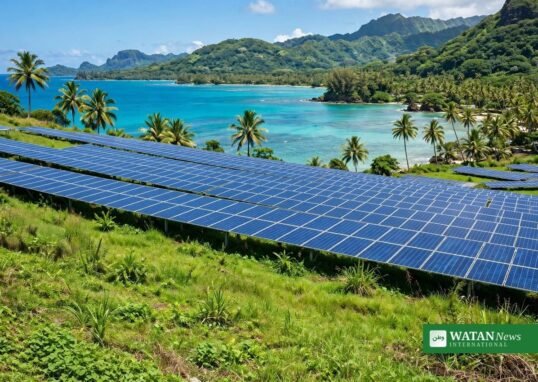
آسٹریلیا کا بحرالکاہل ممالک کے لیے 73 لاکھ آسٹریلوی ڈالر کے قابلِ تجدید توانائی اعلان
آسٹریلیا بحرالکاہل ممالک کو قابلِ تجدید توانائی کی جانب منتقلی میں مدد کے لیے 73 لاکھ آسٹریلوی ڈالر گرڈ ماڈلنگ، تکنیکی ماہرین...
Read out allUK minister Kemi Badenoch rejects ‘British Iron Dome’ comparison for air defense plan
- 0
- 729 words
UK Business and Trade Secretary Kemi Badenoch has distanced herself and the government from comparisons between the proposed ‘Britannia Shield’ missile defence...
Read out all
Rose Schnabel fra WUFT og Miami Heralds ‘Built on Sand’ deler Waldo Proffitt-prisen 2026
- 0
- 445 words
Rose Schnabel fra WUFT og Miami Heralds serie 'Built on Sand' deler Waldo Proffitt-prisen 2026 for fremragende miljøjournalistik, meddelt 2. oktober.
Read out all