- 0
- 926 words
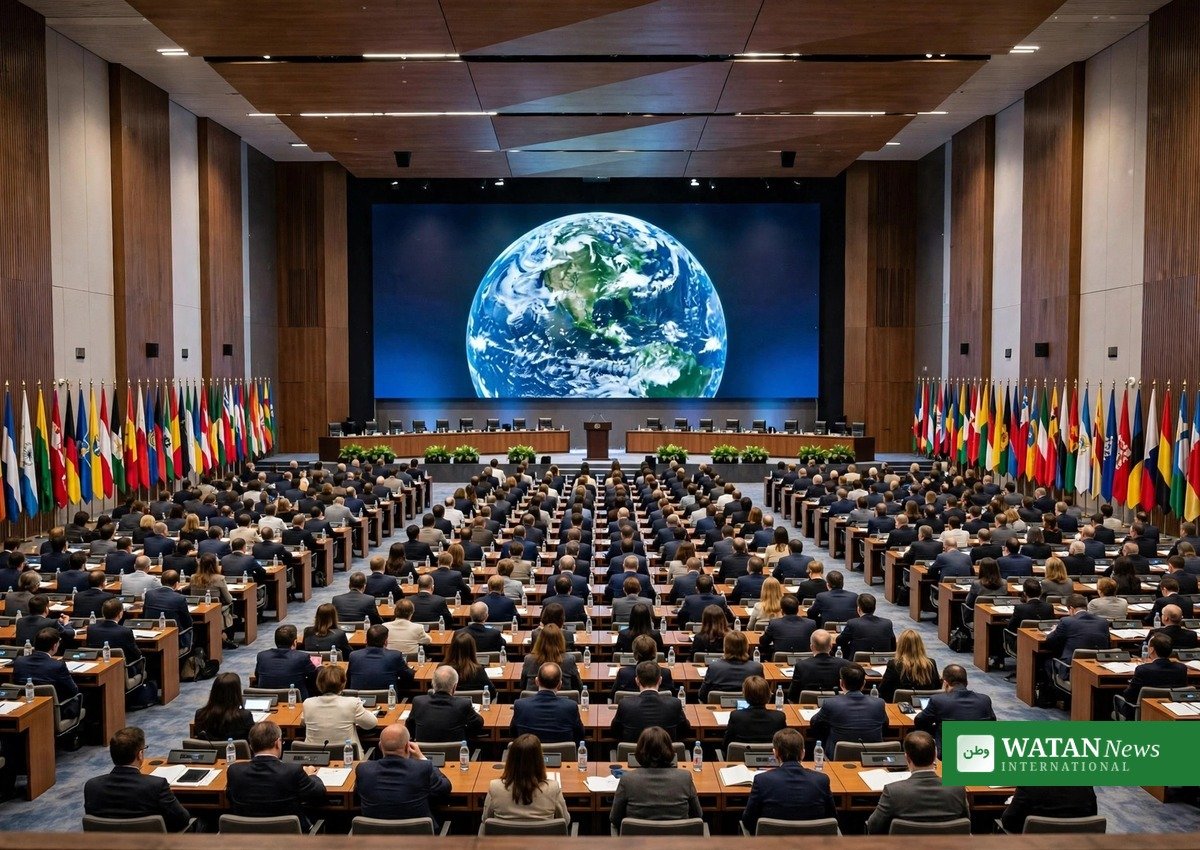
India has called for balanced climate action ahead of the COP31 summit, telling a special United Nations event in New York that the upcoming talks in Türkiye must “restore trust through balanced implementation” — with greater climate finance, technology transfer and capacity-building for developing countries at the centre of the agenda.
The statement was delivered on 16 October 2026 by Soumya Nair, Counsellor at India’s Permanent Mission to the United Nations, at a special event convened by the President of the 81st UN General Assembly, Khalilur Rahman, entitled “A Planet Fit for the Future: Restoring Trust through Climate Action”. COP31 is scheduled for 9–20 November 2026 in Antalya, Türkiye.
India’s Statement at the UN
The UN General Assembly special event brought countries together just weeks before COP31 to rebuild confidence in the climate process. According to the statement shared by India’s UN mission in New York, Nair grounded India’s position in equity and in the principle of common but differentiated responsibilities and respective capabilities — the long-standing framework under which countries carry climate responsibilities in line with their national circumstances and capabilities.
“As India emphasised at Pre-COP in Fiji, our shared ground exceeds our differences. COP31 must restore trust through balanced implementation,” Nair said, according to the statement. “Implementation must respect national circumstances and development imperatives, with practical support enabling developing countries to pursue nationally determined climate pathways.”
The event itself was convened as part of the President of the General Assembly’s programme ahead of COP31; the UN confirmed the special event’s programme and concept note on 16 October 2026.
Balanced Climate Action: What India Asked For
India laid out a set of concrete demands for COP31. First, greater climate finance, technology transfer and capacity-building for developing countries, which India described as essential for enhancing climate ambition. Second, on finance obligations under Article 9.1 of the Paris Agreement, India said the work programme should advance developed countries’ commitments, addressing scope and modalities first. Third, cooperation under Article 6 — the Paris Agreement’s framework for voluntary international cooperation — can mobilise additional resources, according to the statement.
On adaptation, India stressed that the global goal on adaptation must serve vulnerable communities and be supported by predictable and accessible finance, technology and capacity-building — without becoming overly technical or imposing additional reporting burdens. It also called for balanced and equitable outcomes at COP31 through inclusive, consensus-based climate action.
FAKTA
- Event: “A Planet Fit for the Future: Restoring Trust through Climate Action” — special event convened by the President of the 81st UN General Assembly in New York on 16 October 2026.
- Speaker: Soumya Nair, Counsellor at India’s Permanent Mission to the United Nations.
- Core demand: Balanced climate action at COP31 — greater climate finance, technology transfer and capacity-building for developing countries, grounded in equity.
- Finance focus: Article 9.1 work programme should advance developed countries’ finance obligations; Article 6 cooperation can mobilise extra resources.
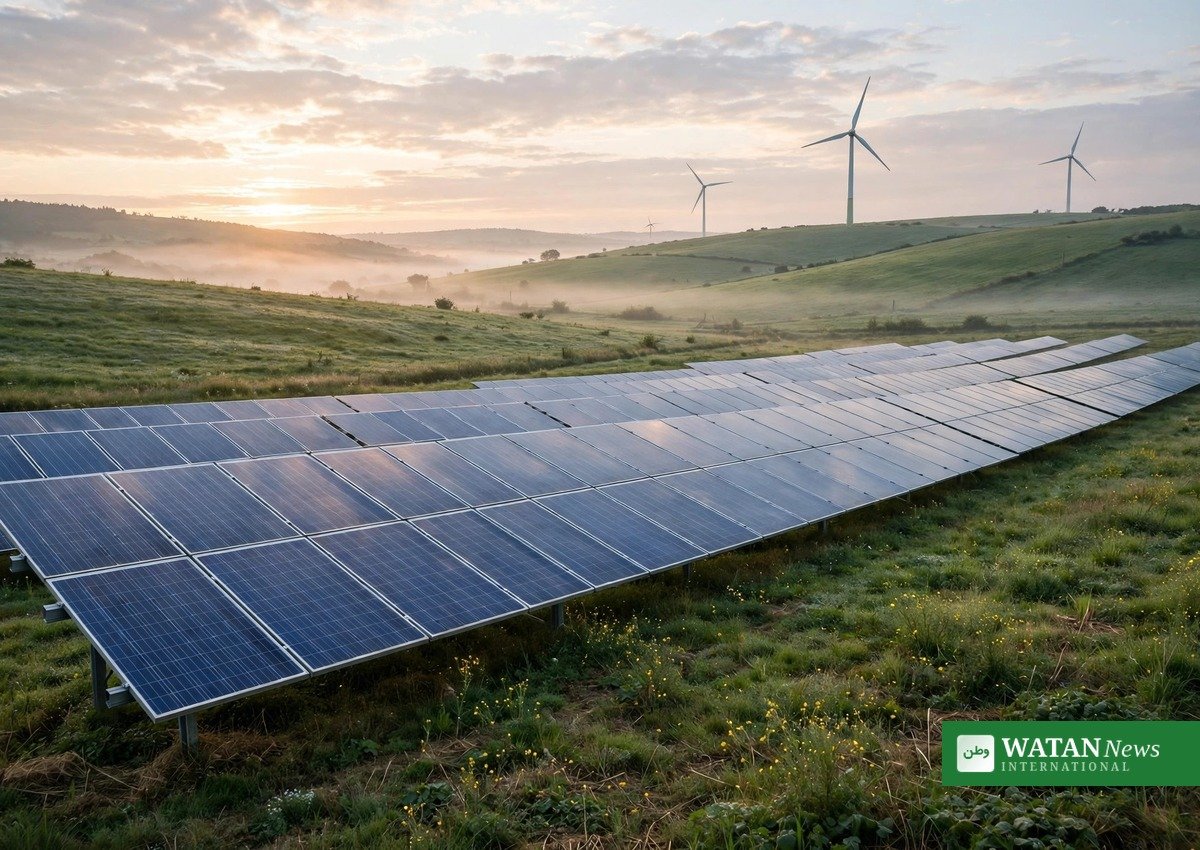
- India’s milestone: 50% non-fossil installed electricity capacity achieved five years ahead of its 2030 target.
- Next step: COP31, 9–20 November 2026, Antalya, Türkiye.
50% Non-Fossil Milestone, Five Years Early
India used the occasion to highlight its own climate progress. According to its UN statement, India has achieved 50% non-fossil installed electricity capacity — five years ahead of its 2030 target. This is consistent with India’s reporting in its climate targets submission to the UN, which recorded that, as of February 2026, more than 52.5% of India’s installed electric power capacity came from non-fossil fuel sources, that the emissions intensity of its GDP had reduced by 36% between 2005 and 2020, and that it had created an additional carbon sink of 2.29 billion tonnes of CO2 equivalent between 2005 and 2021.
The statement also underlined that adaptation must serve vulnerable communities and that just transitions should safeguard livelihoods.
Why It Matters Ahead of COP31
The call comes amid a wider push for COP31 to move from promises to delivery. With the summit less than a month away, positions like India’s — linking ambition directly to finance, technology and development space for poorer countries — are shaping the negotiating agenda in Antalya. India framed its appeal around a simple line from its statement: COP31 must be inclusive, consensus-based and balanced.
Read more climate action coverage on Watan News International.
Conclusion
India’s message at the UN was clear: restoring trust in the climate process depends on turning pledges into practical support. Whether COP31 delivers that support will be the test of the Antalya summit.
Frequently Asked Questions
When and where is COP31?
COP31, the 31st UN Climate Change Conference, is scheduled for 9–20 November 2026 in Antalya, Türkiye, less than a month after India’s statement at the UN event in New York.
What does “balanced climate action” mean?
In India’s framing, it means climate implementation that respects national circumstances and development priorities — linking greater ambition in developing countries to practical support such as climate finance, technology transfer and capacity-building.
What is CBDR-RC?
CBDR-RC stands for “common but differentiated responsibilities and respective capabilities”, a core principle of the UN climate process: all countries share responsibility for the climate, but their responsibilities differ according to their historical contribution, circumstances and capabilities.
What is Article 6 of the Paris Agreement?
Article 6 of the Paris Agreement allows countries to cooperate voluntarily in meeting their climate targets, including through carbon market mechanisms and non-market approaches — which, according to India’s statement, can mobilise additional resources.
How far has India progressed on its climate goals?
According to India’s UN statement, it has achieved 50% non-fossil installed electricity capacity five years ahead of its 2030 target. Its reporting to the UN also records that, as of February 2026, over 52.5% of its installed power capacity came from non-fossil sources.
Author

usman2344913@gmail.com
Related Posts
Indien kræver afbalanceret klimaindsats op til COP31 ved FN-arrangement
- 0
- 877 words
Indien har krævet en afbalanceret klimaindsats op til COP31-topmødet. Ved et særligt FN-arrangement i New York sagde Indien, at de kommende forhandlinger...
Read out all
کاپ31 سے پہلے اقوام متحدہ کے اجلاس میں انڈیا کا متوازن موسمیاتی عمل کا مطالبہ
انڈیا نے کاپ31 سربراہی اجلاس سے پہلے متوازن موسمیاتی عمل کا مطالبہ کیا ہے۔ اقوام متحدہ کے خصوصی اجلاس میں انڈیا نے...
Read out all
Russia Extends Drone Attacks Deeper Into Western Ukraine, Expert Warns
- 0
- 474 words
Russia is extending its drone campaign deeper into western Ukraine, with aviation experts warning that Moscow is testing new methods to guide...
Read out all
China Kindergarten Owner Jailed for Life Over Lead Poisoning of 247 Children
- 0
- 524 words
A court in northwest China has sentenced the operator of a kindergarten to life in prison after staff served tainted food that...
Read out all
Atmos køber næsten 1 GW vind- og solportefølje fra BayWa i Australien
- 0
- 953 words
Sydney: Den australske udvikler af vedvarende energi, Atmos Renewables, har købt næsten én gigawatt vind- og solprojekter af den europæiske udvikler BayWa...
Read out all
آسٹموس نے آسٹریلیا میں بے وا سے تقریباً ایک گیگاواٹ ونڈ اور سولر پورٹ فولیو خرید لیا
سڈنی: آسٹریلیا کی قابل تجدید توانائی کی کمپنی آسٹموس رینیوایبلز نے یورپی کمپنی بے وا سے تقریباً ایک گیگاواٹ کے ونڈ اور...
Read out all