- 0
- 873 words
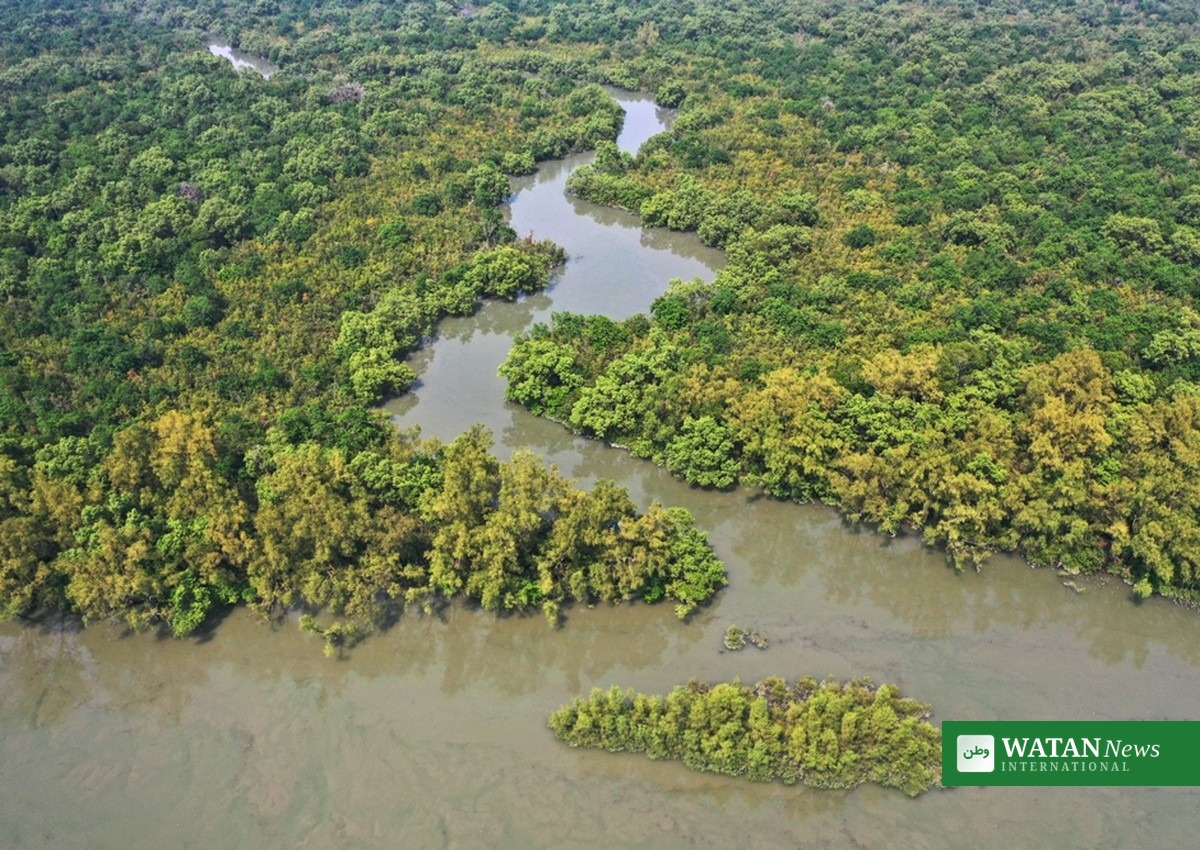
Bangladesh has been selected for up to US$30 million in climate resilience funding to restore its mangrove forests and strengthen its coastal defences, in an announcement made at COP31 in Antalya on 12 November 2026. The Bangladesh mangrove restoration COP31 backing comes through the Climate Investment Funds’ ARISE programme, and it landed on the same day Prime Minister Tarique Rahman pledged to plant 250 million trees across the country over the next five years.
Key facts
- Bangladesh is one of five countries in the first ARISE cohort, alongside Haiti, the Kyrgyz Republic, Morocco and Sierra Leone, plus a regional programme involving Malawi and Mozambique.
- Each selected country can prepare an investment plan seeking up to US$30 million; the regional programme can seek up to US$40 million.
- The announcement was made on 12 November 2026 at a COP31 Leaders’ Summit special event, “Turning the Tide: Delivering on the Global Commitment to Adaptation and Resilience”.
- ARISE was launched at COP30 last year and initially received more than US$100 million in funding commitments from Germany, Spain and Ireland.
- Demand far exceeded the first cohort: 70 countries applied, and 25 expressions of interest representing more than US$700 million in potential investment were identified as suitable for consideration.
What the funding will restore
For Bangladesh, the proposed investment will focus on reinforcing coastal protection systems, restoring mangrove forests and improving the adaptive capacity of communities most vulnerable to climate-related disasters. State Minister for Environment, Forest and Climate Change Sheikh Faridul Islam welcomed the selection at a COP31 event.
Mangroves are central to the plan because they shield Bangladesh’s low-lying coast from cyclones and storm surges while supporting the fishing communities that depend on them. The funding would pair mangrove restoration with coastal defence works in the same investment plan.
One point must be stated clearly: selection is not cash in hand. The countries must now develop investment plans with multilateral development bank partners to seek the financing, and no payment date or final financing terms were specified. Bangladesh has not received US$30 million; it has been chosen to prepare a plan that could secure up to that amount.
The 250-million-tree pledge
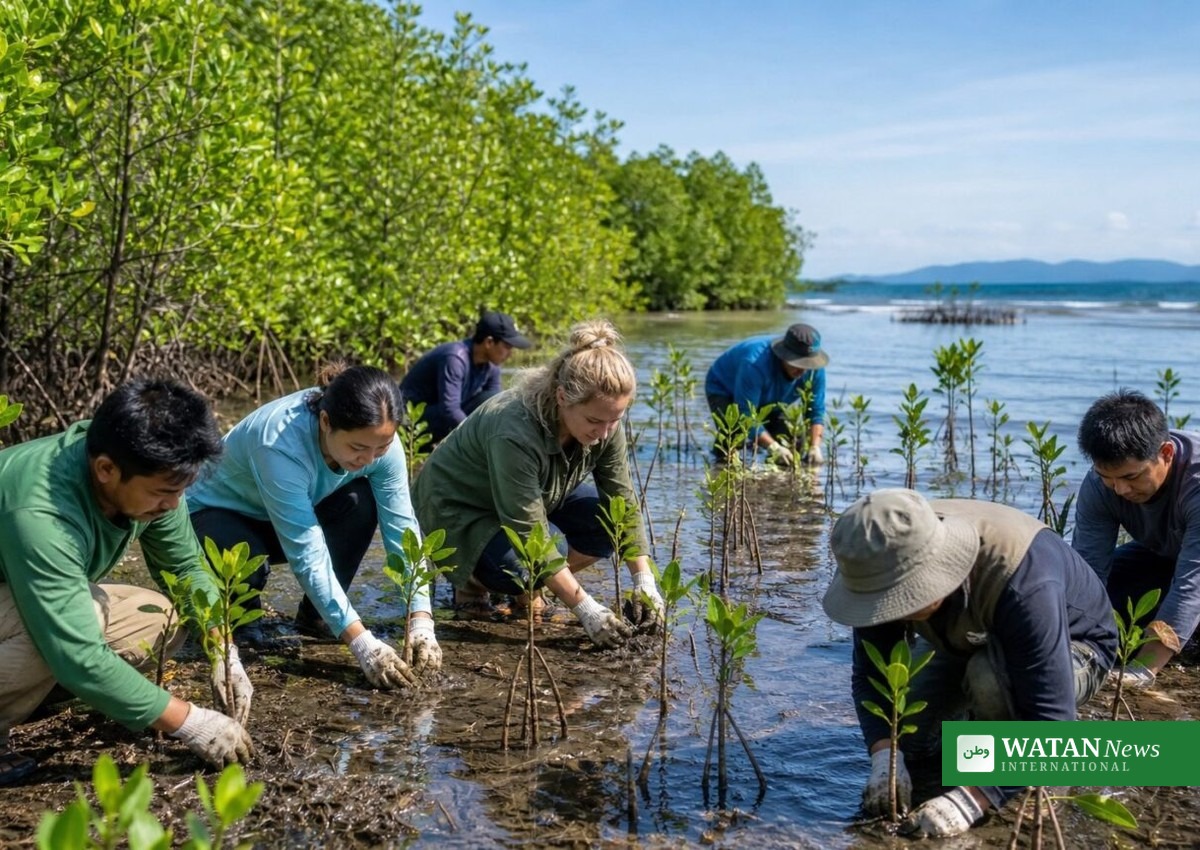
On the same day, Prime Minister Tarique Rahman addressed the COP31 High-Level Segment and announced plans to plant 250 million trees over the next five years and excavate 20,000 kilometres of rivers and canals. He said the government was also restoring mangroves on reclaimed coastal land to protect vulnerable communities.
The pledge gives the ARISE selection a national planting commitment behind it: international finance for mangrove restoration, matched by a domestic tree-planting drive announced from the same COP31 stage.
Why Bangladesh is first in line
Bangladesh contributes less than 0.5% of global greenhouse gas emissions, yet it sits on the frontline of climate change, in the Prime Minister’s own words at COP31. At a delegation briefing on 13 November, Bangladesh said it needs US$10–11 billion a year to tackle climate change while spending about US$4.5–5 billion a year from its own budget. It wants grants, not loans, and faster disbursement of the finance that is promised.
Bangladesh backs the least developed countries’ demand to triple adaptation finance to US$120 billion a year before 2035. Its National Adaptation Plan for 2023–2050 estimates implementation at around US$230 billion, and the Prime Minister has urged that at least 50% of international climate finance go to adaptation.
Bangladesh mangrove restoration at COP31: what happens next
The next step is the investment plan itself, prepared with multilateral development bank partners. The UK has recently confirmed up to US$128 million more for ARISE over coming years from reflows from the Climate Investment Funds’ existing resilience programme, and, according to Kass Digital, 40% of ARISE financing is expected to go to the private sector.
The mangrove announcement comes alongside other forest finance unveiled at COP31, including the Forest Summit covered by Watan News, as the conference moves from pledges towards funded implementation. For Bangladesh, the test now is whether a selection announced in Antalya becomes restored mangroves on its coast.
Read more: Watan News coverage of the COP31 Forest Summit
Frequently asked questions
What is ARISE?
ARISE is a Climate Investment Funds programme that helps climate-vulnerable countries prepare investment plans for adaptation and resilience. It was launched at COP30 last year, and its first cohort of countries was announced at COP31 on 12 November 2026.
Has Bangladesh received US$30 million?
No. Bangladesh has been selected to prepare an investment plan seeking up to US$30 million, working with multilateral development bank partners. No payment date or final financing terms were specified, so the money is not yet disbursed.
What will the money be used for?
Reinforcing coastal protection systems, restoring mangrove forests on a large scale, and improving the adaptive capacity of the communities most vulnerable to climate-related disasters.
What did Prime Minister Tarique Rahman pledge at COP31?
Speaking in the COP31 High-Level Segment on 12 November, he announced plans to plant 250 million trees over five years, excavate 20,000 kilometres of rivers and canals, and restore mangroves on reclaimed coastal land.
Why does Bangladesh need this support?
Bangladesh contributes less than 0.5% of global greenhouse gas emissions but faces severe climate risks. It says it needs US$10–11 billion a year for climate action while spending about US$4.5–5 billion a year from its own budget, and it is pressing for grants rather than loans.
Author

usmanch0013@gmail.com
Related Posts

COP31: Turismen vil have resultater, ikke flere løfter, på sin temadag
- 0
- 1,036 word
Turismen får sin egen temadag på COP31 18. november 2026 – fem år efter Glasgow-erklæringen. Branchen vil have resultater, ikke flere løfter,...
Read out all
کاپ31: سیاحت کا دن — پانچ سال کے وعدوں کے بعد اب نتائج کا ثبوت درکار ہے
کاپ31 میں سیاحت کا دن 18 نومبر کو منایا جائے گا۔ گلاسگو اعلامیہ کی پانچویں سالگرہ پر سیاحت کا شعبہ نئے وعدوں...
Read out all
COP31: Tourism Heads to Its Thematic Day Wanting Proof, Not More Pledges
- 0
- 865 words
Tourism takes centre stage at COP31 on 18 November for its own thematic day, five years after the Glasgow Declaration — with...
Read out all
COP31: Bangladesh får op til 30 mio. dollars til at genoprette mangrover, mens premierministeren lover 250 mio. træer
- 0
- 928 words
Bangladesh er blevet udvalgt til op til 30 mio. dollars under CIF's ARISE-program til genopretning af mangrover og kystbeskyttelse. Samme dag lovede...
Read out all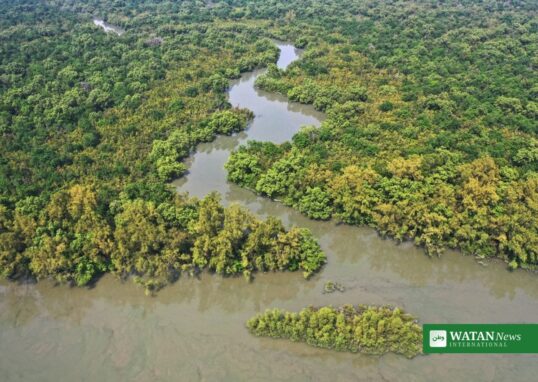
کاپ31: بنگلہ دیش کو مینگروو کی بحالی کے لیے تین کروڑ ڈالر تک کی موسمیاتی مالی مدد، وزیر اعظم کا پچیس کروڑ درخت لگانے کا اعلان
بنگلہ دیش کو کاپ31 میں ارائز پروگرام کے پہلے مرحلے میں منتخب کیا گیا ہے۔ ملک مینگروو کی بحالی اور ساحلی دفاع...
Read out all
COP31 nul affald: UNEP lancerer Critical Middle-koalition, mens mad og affald rykker i centrum
- 0
- 1,254 word
UNEP lancerer Critical Middle-koalitionen ved COP31 i Antalya lørdag og sætter fødevaresystemer, cirkularitet og nul affald i centrum for klimahandlingen.
Read out all