- 0
- 496 words
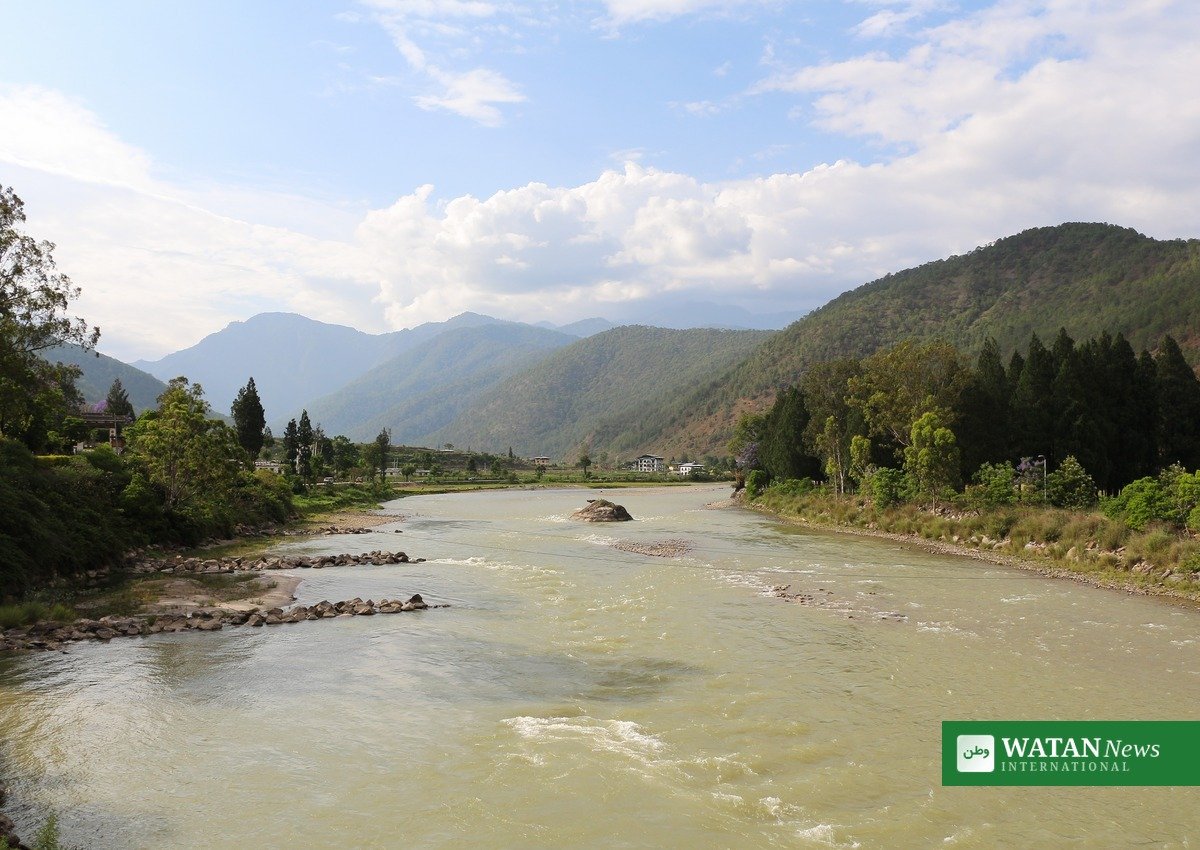
A glacial lake in northern Bhutan burst its banks on Thursday evening, sending a surge of water down the Mo Chhu river that washed away infrastructure at the popular Gasa Tshachu hot springs and put communities downstream, in Bhutan and in neighbouring India, on alert. No deaths or injuries have been reported, after people in the area were moved to safety before the floodwaters arrived.
FAKTA
- What: a glacial lake outburst flood from Shintaphu lake in Gasa district, northern Bhutan.
- When: Thursday evening, 29 October 2026; floodwater reached Taktsemakhang at about 8:15 p.m.
- Damage: the Gasa Tshachu hot-spring complex washed away; two bailey bridges feared washed away; the Laya road and a section of the Punakha–Gasa highway closed.
- Casualties: none reported so far.
- Downstream: flood warnings in West Bengal and Assam, India; water passed within about eight kilometres of Punakha Dzong.
- Background: Shintaphu is one of 17 Bhutanese glacial lakes classed as potentially dangerous; Gasa Tshachu was badly damaged by flooding in 2021.
Surge down the Mo Chhu
The flood began at Shintaphu lake, a high-altitude lake in the remote Laya area of Gasa district. Water from the lake poured into the Mo Chhu, which flows south through Gasa and Punakha.
At Gasa Tshachu, a natural hot-spring site beside the river, the surge washed away the spring complex and nearby infrastructure. State broadcaster BBS said the full damage could not be judged at first because of darkness and the strong current, and that two bailey bridges may have been carried away.
Bhutan’s national newspaper Kuensel reported that part of the road to Laya village had been washed away, leaving it impassable and closed to traffic indefinitely. Daily Bhutan reported that a section of the Punakha–Gasa highway had been completely washed away, while debris blocked another stretch near Dzomlingthang.
Alerts across the border
As the water moved south it passed Srigang in Kabesa Gewog, roughly eight kilometres from Punakha Dzong, raising concern for settlements further downstream. A solar-powered irrigation system installed earlier this year in Punakha was partly damaged as the river swelled.
Bhutan informed India about the possible threat to districts along their shared border. In Assam, Dhubri district was placed on watch, while in West Bengal the Darjeeling hills, Alipurduar and Jalpaiguri were put under monitoring, and India’s Central Water Commission issued a special flood advisory.
A familiar Himalayan danger
A glacial lake outburst flood happens when water stored behind a natural moraine dam is suddenly released, often after the barrier weakens or fails. Shintaphu sits on Bhutan’s official list of 17 potentially dangerous glacial lakes, a classification that means it needs continued monitoring.
The same hot-spring area suffered extensive damage in August 2021, when the swollen Mo Chhu changed course and swept through Gasa Tshachu. The cause of this week’s release, the volume of water involved and the full extent of the damage remain unconfirmed, and Bhutanese authorities are continuing to assess lake conditions and downstream impacts.
For more international news, visit Watan News.
Author

usmanch0013@gmail.com
Related Posts
Turkey’s Opposition Says Voters Will Reject Pressure in 2028 Election
- 0
- 492 words
Turkey's opposition says voters will reject what it describes as political pressure in the 2028 national elections, despite court cases, arrests and...
Read out all
Houthi Drone Over Mecca Region Intercepted, Coalition Says; Houthis Deny Attack
- 0
- 636 words
The Saudi-led coalition says its air defences intercepted a drone in the Makkah region on Friday, while Yemen's Houthis deny carrying out...
Read out all
One Earth Summit 2026 Brings 700 Leaders Together in Hong Kong for Climate and AI
- 0
- 859 words
The third One Earth Summit gathered more than 700 participants in Hong Kong on 30 October 2026 to discuss AI, energy, climate,...
Read out all
Binance Hit in Record $6 Billion Crypto Heist, North Korea Blamed by Investigators
- 0
- 1,091 word
Hackers stole more than $6 billion from Binance on Thursday in the largest crypto theft on record; Binance put the impact at...
Read out all
Verified for Climate Brings Creators and Scientists Together at COP31 to Fight Climate Misinformation
- 0
- 935 words
Ahead of COP31 in Antalya, the United Nations-backed Verified for Climate initiative is bringing creators, scientists and partners together to fight climate...
Read out all
Ukraine Refinery Strikes Paused After US Pressure, Report Says
- 0
- 739 words
Ukraine's military has paused its strikes on Russian oil refineries after pressure from US President Donald Trump, the Wall Street Journal reported,...
Read out all