- 0
- 1,125 word
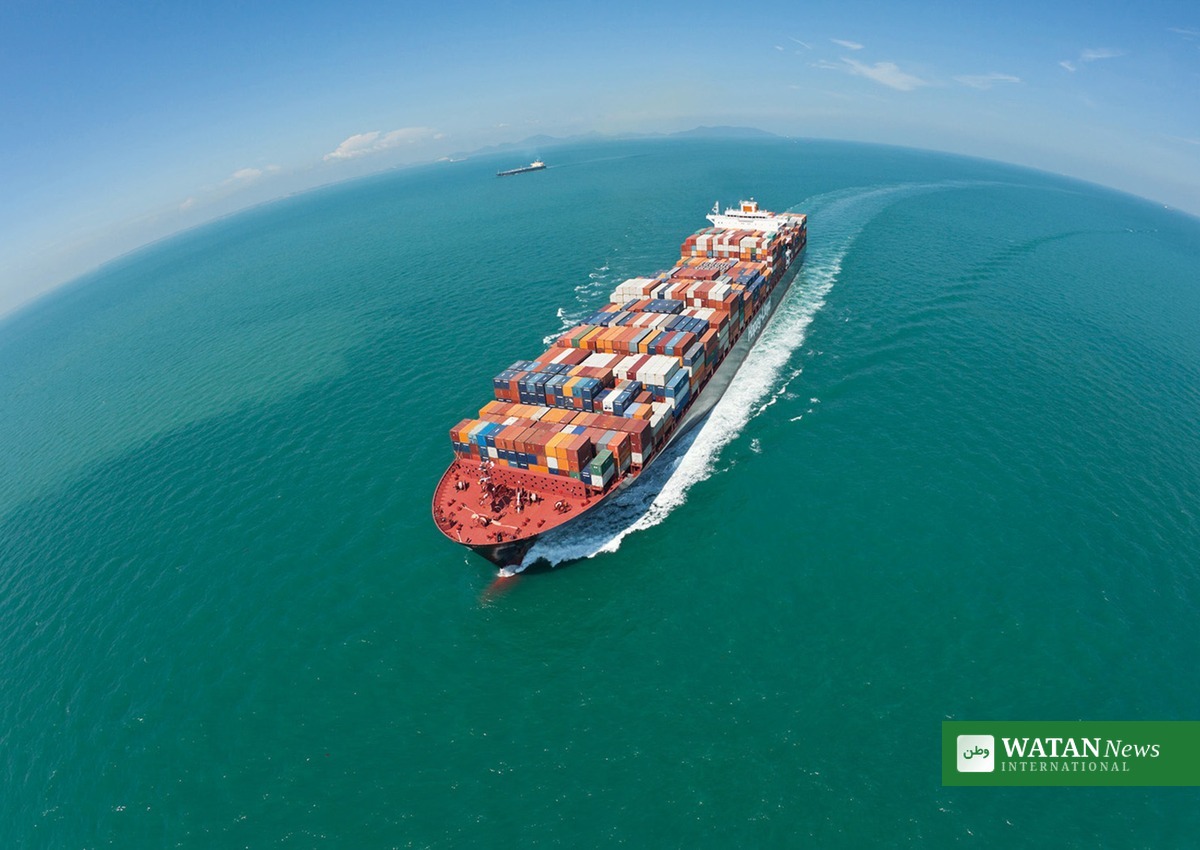
ANTALYA: More than 35 organisations have backed a new plan to turn some of the world’s busiest shipping lanes into “blue shipping corridors” — routes where ships run on zero- or near-zero-emission fuels and the ocean itself is protected along the way. The COP31 Blue Shipping Corridors Ambition Statement was announced in Antalya on 17 November, on the COP31 day devoted to oceans, seas, nature and land use.
The statement, drafted by the Marrakech Partnership Maritime Stakeholders and co-led by the Sustainable Shipping Initiative (SSI) through its Marine Biodiversity and Ocean Health Breakthrough, calls on governments to put the conditions in place for corridors that cut shipping emissions and, at the same time, deliver conservation at sea and in port.
What are blue shipping corridors?
Blue shipping corridors build on the green-corridor model that shipping has used for several years: shipowners, ports, fuel suppliers and governments commit together to decarbonise a defined trade route. The new idea adds ocean health to that model, so a corridor must also protect marine life and coastal waters.
More than 35 organisations from shipping, ports, finance, science and conservation have backed the statement, including WWF, the World Resources Institute, the UN Global Compact, Ocean Conservancy, the International Fund for Animal Welfare (IFAW), Lloyd’s Register Foundation, Transport & Environment, Jotun, Plymouth Marine Laboratory and GRID-Arendal.
The statement was launched at COP31 on 17 November at the Axis 2 spotlight event “Placing Nature at the Heart of Climate Action”. It comes as ocean health is a key priority for COP31, and with the High Seas Treaty — the agreement to protect marine life in international waters — now in force.
What the corridors would deliver
Under the statement, a blue shipping corridor would run zero- or near-zero-emission shipping and deliver significant ocean conservation measures at sea and in port, with a net positive impact on ocean health and marine biodiversity. The corridors are also meant to bring real benefits to coastal communities without harming biodiversity on land.
Endorsers commit to work on nature-positive port design, smarter routing, better ocean data, skills for crews and port workers, and a just transition for remote ports. Progress is to be reviewed every year.
“Green corridors have shown what’s possible when shipowners, ports, fuel suppliers and governments commit to a route together,” said Ellie Besley-Gould, chief executive officer of the Sustainable Shipping Initiative. “Blue shipping corridors take that model and recognise that if we’re already rethinking these routes from the ground up, it makes complete sense to make them better for the ocean at the same time.”
She added: “What we need now is for governments to put the conditions in place so it can.”
Why blue shipping corridors matter now
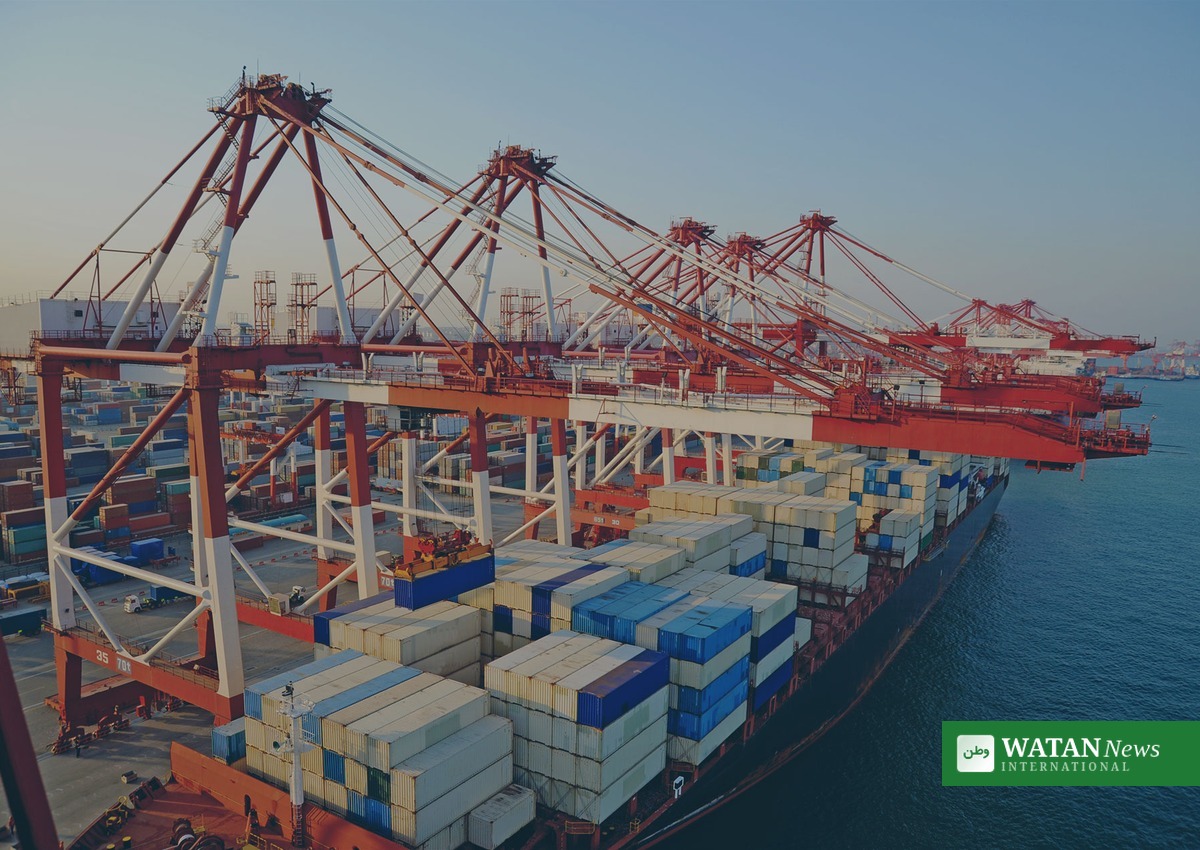
Transport produces about 16 per cent of global greenhouse gas emissions and still takes 95 per cent of its energy from fossil fuels, according to SLOCAT, the partnership on sustainable, low-carbon transport. Shipping is a large part of that picture, and much of the damage it causes to the ocean can be reduced with measures that already exist.
Research by the International Maritime Organization (IMO) found that slime only 0.5 millimetres thick, covering up to half of a ship’s hull, can raise greenhouse gas emissions by 20 to 25 per cent. The same fouling carries invasive species into new seas. A clean hull cuts the fuel bill and the spread of those species together.
Slowing down in sensitive areas cuts underwater noise, emissions and air pollution near coasts, and lowers the risk of ships hitting whales. SSI’s Shipping and Ocean Health 2026 Report found that these actions can often protect the seas at little or no extra cost — but uptake has been held back by limited access to finance, weak collaboration across sectors and the lack of a clear business case. Corridors that bring cargo owners, ports and financiers into the same room could help close those gaps.
The statement builds on the Marine Biodiversity and Ocean Health Breakthrough, which aims to reduce shipping’s negative impacts on marine biodiversity by 30 per cent by 2030. It also follows COP31’s move on maritime electrification: COP31 set a goal of 20 per cent electric shipping by 2035, backed by more than 30 maritime groups.
What happens next
The statement calls on governments to agree an ambitious plan and to empower stakeholders to deliver the enabling environment for blue corridors — in ports, in territorial waters, in exclusive economic zones and in areas beyond national jurisdiction.
As COP31 moves into its final days — 19 November is the day for enhancing implementation, with final negotiations on 20 November — the corridors proposal is one of the practical outcomes the presidency can point to. Whether governments act on it will be judged by the annual progress review the endorsers have promised.
Key facts
- Announced: 17 November 2026, at COP31 in Antalya, Türkiye.
- Backers: More than 35 organisations from shipping, ports, finance, science and conservation.
- Drafted by: The Marrakech Partnership Maritime Stakeholders; co-led by the Sustainable Shipping Initiative.
- Goal: Zero- or near-zero-emission shipping corridors with a net positive impact on ocean health and marine biodiversity.
- 2030 target: The Marine Biodiversity and Ocean Health Breakthrough aims to cut shipping’s negative impacts on marine biodiversity by 30 per cent by 2030.
- IMO finding: Hull slime 0.5mm thick on up to half a hull can raise greenhouse gas emissions by 20 to 25 per cent.
Frequently asked questions
What is a blue shipping corridor?
It is a defined shipping route where shipowners, ports, fuel suppliers and governments work together to run zero- or near-zero-emission ships and, at the same time, protect ocean life at sea and in port. It takes the green-corridor model for cutting emissions and adds ocean conservation to it.
Who is behind the COP31 statement?
The statement was drafted by the Marrakech Partnership Maritime Stakeholders and is co-led by the Sustainable Shipping Initiative through its Marine Biodiversity and Ocean Health Breakthrough. More than 35 organisations back it, including WWF, the World Resources Institute, the UN Global Compact, Ocean Conservancy and Lloyd’s Register Foundation.
How does a clean hull cut emissions?
Research by the International Maritime Organization found that slime only 0.5 millimetres thick, covering up to half of a hull, can raise a ship’s greenhouse gas emissions by 20 to 25 per cent. Keeping hulls clean cuts fuel use and also stops invasive species from being carried into new seas on fouled hulls.
What is the 30 per cent by 2030 target?
The Marine Biodiversity and Ocean Health Breakthrough aims to reduce shipping’s negative impacts on marine biodiversity by 30 per cent by 2030. The blue corridors statement is part of delivering that goal.
What do the corridors ask governments to do?
The statement calls on governments to agree an ambitious plan and create the enabling conditions for blue corridors in ports, territorial waters, exclusive economic zones and the high seas. Endorsers will review progress every year.
Author

usmanch0013@gmail.com
Related Posts

COP31: Blå skibskorridorer skal skære skibes udledning og beskytte havet
- 0
- 1,149 word
Mere end 35 organisationer bakkede den 17. november op om COP31's erklæring om blå skibskorridorer i Antalya og opfordrer regeringer til at...
Read out all
کاپ31: نیلی جہاز رانی راہداریاں، جہازوں کے اخراج میں کمی اور سمندری حیات کا تحفظ
کاپ31 میں 17 نومبر کو انطالیہ میں 35 سے زائد اداروں نے نیلی جہاز رانی راہداریوں کے عزم نامے کی حمایت کی،...
Read out all
Trump Shakes Hands With Putin and Xi in Shenzhen Ahead of Historic Trilateral Talks
- 0
- 858 words
Donald Trump shook hands with Vladimir Putin in Shenzhen as Xi Jinping looked on, in the first picture of the three leaders...
Read out all
Kasakhstan bringer en plan om 9 millioner træer til COP31 for at genoprette brandskadede skove
- 0
- 1,017 word
Kasakhstan præsenterede sit Halyk Ormany-genopretningsprogram ved COP31 i Antalya: ni millioner træer over fem år til at genoprette skove, der blev skadet...
Read out all
کاپ31 میں قازقستان کا 90 لاکھ درخت لگانے کا منصوبہ: ہالک اورمانی سے جنگلات کی بحالی
قازقستان نے کاپ31 میں اپنا ہالک اورمانی شجرکاری پروگرام پیش کیا: 2023 کی آگ سے متاثرہ جنگلات کی بحالی کے لیے پانچ...
Read out all
Kazakhstan Brings a 9-Million-Tree Plan to COP31 as Halyk Ormany Restores Fire-Scarred Forests
- 0
- 1,024 word
Kazakhstan presented its Halyk Ormany reforestation programme at COP31 in Antalya: nine million trees over five years to restore forests scarred by...
Read out all