- 0
- 1,329 word
A record low, four decades in the making
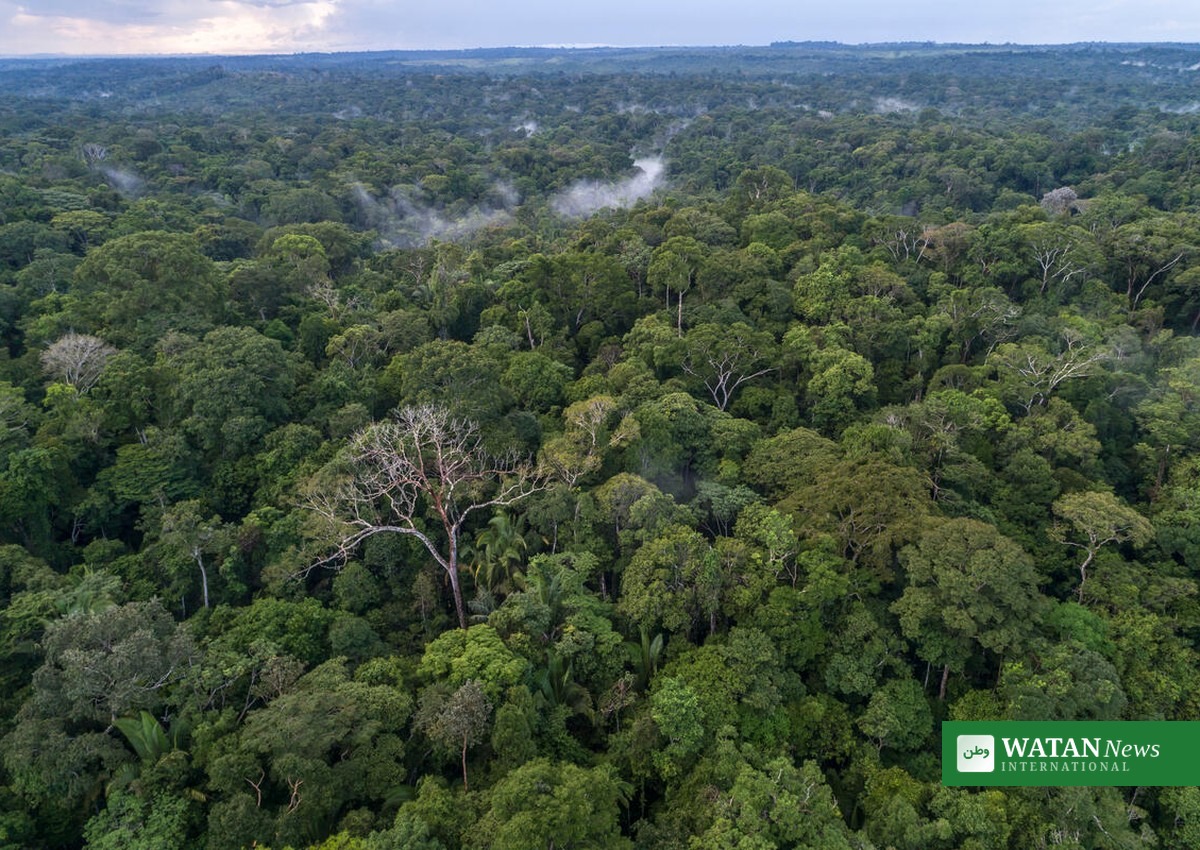
Brazil arrived at COP31 in Antalya with a rare piece of good news for the world’s forests. According to satellite data from Brazil’s National Institute for Space Research (INPE), Amazon deforestation fell to 3,335 square kilometres between August 2025 and July 2026 — the lowest annual figure since satellite monitoring began in 1988.
The figure is 41.8 per cent lower than the 5,731 square kilometres recorded in the previous 12-month period, and it beats the previous record low of 4,571 square kilometres set in 2011–12. INPE’s PRODES satellite programme, widely regarded as the most accurate measure of tropical deforestation, also recorded a record low in the neighbouring Cerrado savannah, where clearing fell 23.8 per cent to 5,516 square kilometres — the lowest since that series began in 2001. The government notes the Amazon figure remains an estimate until INPE publishes its consolidated rate.
The numbers matter because they show that ending deforestation is possible. Annual Amazon clearing regularly exceeded 10,000 square kilometres in past decades and peaked at nearly 30,000 square kilometres in the mid-1990s. Brazil’s government says deforestation has fallen by about 71 per cent since 2023, and President Luiz Inácio Lula da Silva has pledged to end illegal forest clearance by 2030.
What the deforestation roadmap actually does
Alongside the figures, Brazil published two global roadmaps in Brasília in early November — one to phase out fossil fuels and one to halt deforestation — and formally presented the forest roadmap at COP31 on 5 November. The Roadmap to Halt and Reverse Deforestation and Forest Degradation by 2030 is designed to turn the pledge made by 145 governments at COP26 in 2021 into practical action.
The roadmap sets priorities in three areas: strengthening national efforts to conserve, sustainably manage and restore forests; improving international cooperation on monitoring, capacity-building, trade and enforcement; and mobilising and better aligning public and private finance. It recognises that protecting forests requires tackling degradation alongside deforestation, supporting sustainable forest management, and recognising the rights and leadership of Indigenous Peoples and local communities.
It is important to be clear about what the document is not. The roadmap creates no new binding commitments and no new negotiating process. It is voluntary and non-prescriptive. Its success will depend on governments, businesses and other stakeholders turning its recommendations into concrete policies, investment and action.
Speaking on the first day of COP31, COP30 President André Corrêa do Lago said the roadmap was an implementation document and that institutions were needed to help countries develop their own roadmaps. He noted that UNEP, the Food and Agriculture Organization and the United Nations Development Programme had clearly supported it.
The money question: paying countries to keep forests standing
Finance remains the central obstacle. According to the UN Environment Programme, annual forest funding must rise from about 84.5 billion US dollars in 2023 to more than 300 billion dollars by 2030 — a gap of over 200 billion dollars a year.
One mechanism under discussion in Antalya is the Tropical Forest Forever Facility (TFFF), launched at COP30 in Brazil. The facility aims to build a 125-billion-dollar investment fund whose returns reward tropical forest countries for keeping forests standing, with eligible countries receiving up to 4 dollars per hectare of standing forest a year and at least 20 per cent of payments directed to Indigenous Peoples and local communities.
Eight countries have pledged about 7.8 billion dollars so far, more than 65 countries have endorsed the initiative and 34 financial institutions have expressed support. The facility is targeting operations in 2027, with first payments potentially beginning in 2028–29. At COP31, attention is on whether governments can close the remaining gap to the 10-billion-dollar target for the end of 2026. Watan News reported on the facility’s make-or-break week in Antalya in its COP31 Nature Day preview.
What to watch in Antalya this week
Forests stay on the COP31 agenda all week. On Wednesday 12 November, the “Forests Forward: Catalyzing Momentum Towards the Global 2030 Forests Goal” session runs from 10:00 to 11:00 at the WWF/IUCN Pavilion in the Blue Zone, presenting new research on the value of forests. On Monday 17 November — COP31’s Nature Day — the official side event “Forests Roadmap: From Milestone to Movement” takes place from 11:30 to 13:00 in the Red Room, and the Plant-for-the-Planet organisation hosts “Confronting the Global Forest Emergency” at the German Pavilion from 10:30 to 11:30.
Plant-for-the-Planet, which has a delegation in Antalya advocating for forest conservation, restoration and youth participation, notes that the world still lost 7 million hectares of forest in 2025. Its demands at COP31 include securing 10 billion dollars for the forest facility by the end of 2026 and scaling up forest finance while phasing out subsidies that harm forest ecosystems.
Mangroves are also part of the forest story at COP31. A policy brief published on 6 November by the Global Mangrove Alliance, whose working group includes IUCN, Conservation International, The Nature Conservancy, Wetlands International and the Pew Charitable Trusts, sets out where mangroves have the strongest entry points in the UN climate process — including adaptation indicators, blue carbon under Article 6 and the second Global Stocktake — and calls on governments to turn mangrove targets into monitoring and financing plans.
Why forests decide the 1.5°C pathway
Forests are among the few climate solutions available at scale today. Only nature can sequester and store carbon at the scale needed to return to a 1.5°C pathway, and the world has committed to halting and reversing deforestation by 2030. Yet that commitment is only as strong as its delivery: the roadmap, the finance facility and the record-low figures from Brazil all point in the same direction, but none of them plants a single tree on its own.
That is why COP31 is being described as a COP of implementation. The test in Antalya is not whether governments can agree that forests matter — that was settled in Glasgow in 2021 — but whether the money, the monitoring and the political ownership now follow. Leaders at the summit are also marking the moment symbolically: on 11 November, Türkiye’s National Forestation Day, world leaders are planting trees together in COP31’s Forest of Peace in Antalya.
FAKTA
- Amazon deforestation 2025–26: 3,335 sq km, down 41.8% — lowest since 1988 (INPE PRODES).
- Previous record low: 4,571 sq km in 2011–12; peak near 30,000 sq km in the mid-1990s.
- Cerrado savannah: 5,516 sq km cleared, lowest since 2001, down 23.8%.
- Roadmap: Brazil’s COP30 Presidency roadmap to halt and reverse deforestation by 2030, presented at COP31 on 5 November 2026; voluntary, no new binding commitments.
- Forest finance: TFFF at about $7.8bn pledged of a $10bn end-2026 target; UNEP says forest funding must exceed $300bn a year by 2030.
- Forest loss 2025: 7 million hectares worldwide, according to Plant-for-the-Planet.
Frequently asked questions
What is Brazil’s deforestation roadmap?
It is a framework published by Brazil’s COP30 Presidency to help countries halt and reverse deforestation and forest degradation by 2030. It sets priorities for national forest action, international cooperation and finance, but it creates no new binding commitments and is not negotiated at COP31.
How much did Amazon deforestation fall?
According to INPE’s PRODES satellite data, clearing fell to 3,335 square kilometres in the year to July 2026, down 41.8 per cent from 5,731 square kilometres the year before — the lowest annual figure since records began in 1988.
What is the Tropical Forest Forever Facility?
It is a proposed 125-billion-dollar investment facility launched at COP30 that would use investment returns to pay tropical forest countries for keeping forests standing — up to 4 dollars per hectare a year, with at least 20 per cent of payments going to Indigenous Peoples and local communities. About 7.8 billion dollars has been pledged so far.
Why do forests matter for the 1.5°C target?
Forests absorb and store vast amounts of carbon. Halting deforestation and restoring forests is one of the fastest large-scale ways to cut emissions, while forest loss releases stored carbon and destroys habitats. The world committed in 2021 to halt and reverse deforestation by 2030.
What happens next for forests at COP31?
Key moments include the “Forests Forward” session on 12 November, the “Forests Roadmap: From Milestone to Movement” side event on 18 November, and Nature Day on 17 November, when governments are expected to show whether new finance commitments close the gap to the forest facility’s 10-billion-dollar target.
Author

usmanch0013@gmail.com
Related Posts
Anthropic Targets $1.4 Trillion Valuation in $90 Billion IPO Push
- 0
- 469 words
Anthropic has priced its IPO at $70-$78 a share, targeting a valuation of up to $1.4 trillion in a $90.4 billion fundraising...
Read out all
COP31-årbog: Klimachampioner rapporterer ti års handling med resultater
- 0
- 1,175 word
Årbogen for global klimahandling 2026, lanceret ved COP31 i Antalya, viser fremskridt på 44 globale indikatorer og rekordmange klimainitiativer — men advarer...
Read out all
کاپ31 سالنامہ: موسمیاتی چیمپئنز نے دس برس کی عالمی موسمیاتی کارروائی کی پیش رفت پیش کر دی
عالمی موسمیاتی کارروائی کا سالنامہ 2026 کاپ31 کے موقع پر انتالیہ میں جاری ہوا، جس میں 44 عالمی اشاریوں میں پیش رفت...
Read out all
COP31 Yearbook: Climate Champions Report a Decade of Action Delivering Results
- 0
- 1,173 word
The Yearbook of Global Climate Action 2026, launched at COP31 in Antalya, reports progress across 44 global indicators and record climate initiatives...
Read out all
PLA-Linked Chinese University Bought Nvidia H200 Chips Despite US Blacklist, Records Show
- 0
- 832 words
Northwestern Polytechnical University, a Chinese university with deep ties to the People's Liberation Army, bought two Nvidia H200 AI chips for $123,000...
Read out all
Kulturarv tager scenen ved COP31, da ICOMOS åbner seks dages konference i Antalya
- 0
- 1,109 word
ICOMOS har åbnet en seks dages konference om kulturarv og klimaindsats ved COP31 i Antalya og opfordrer regeringer til at sætte kulturarv...
Read out all