- 0
- 882 words
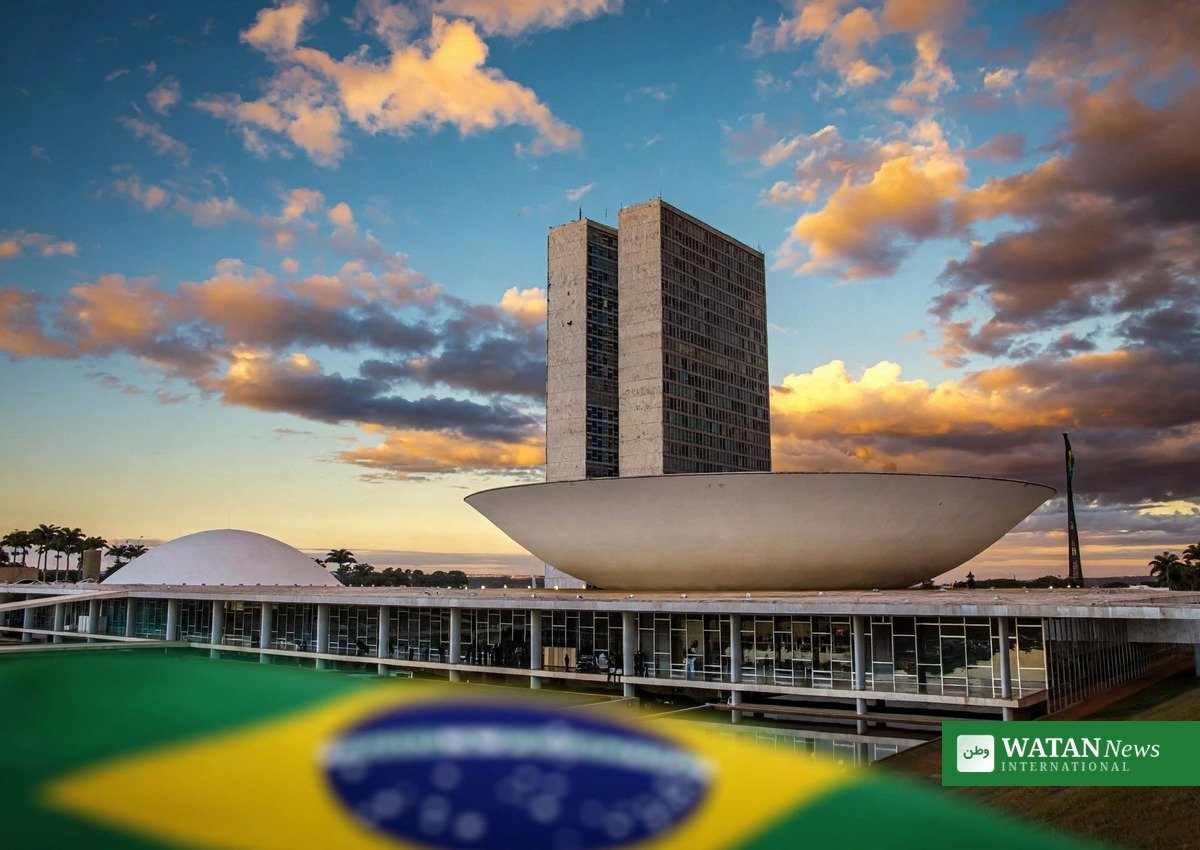
Brazil’s presidential election reaches its climax on Sunday, October 4, with incumbent Luiz Inácio Lula da Silva and far-right challenger Flávio Bolsonaro locked in a race that polls describe as a technical tie. The Brazil election is being watched across Latin America as a test of the growing pro-Trump right-wing bloc — and of Brazil’s role as the region’s heavyweight.
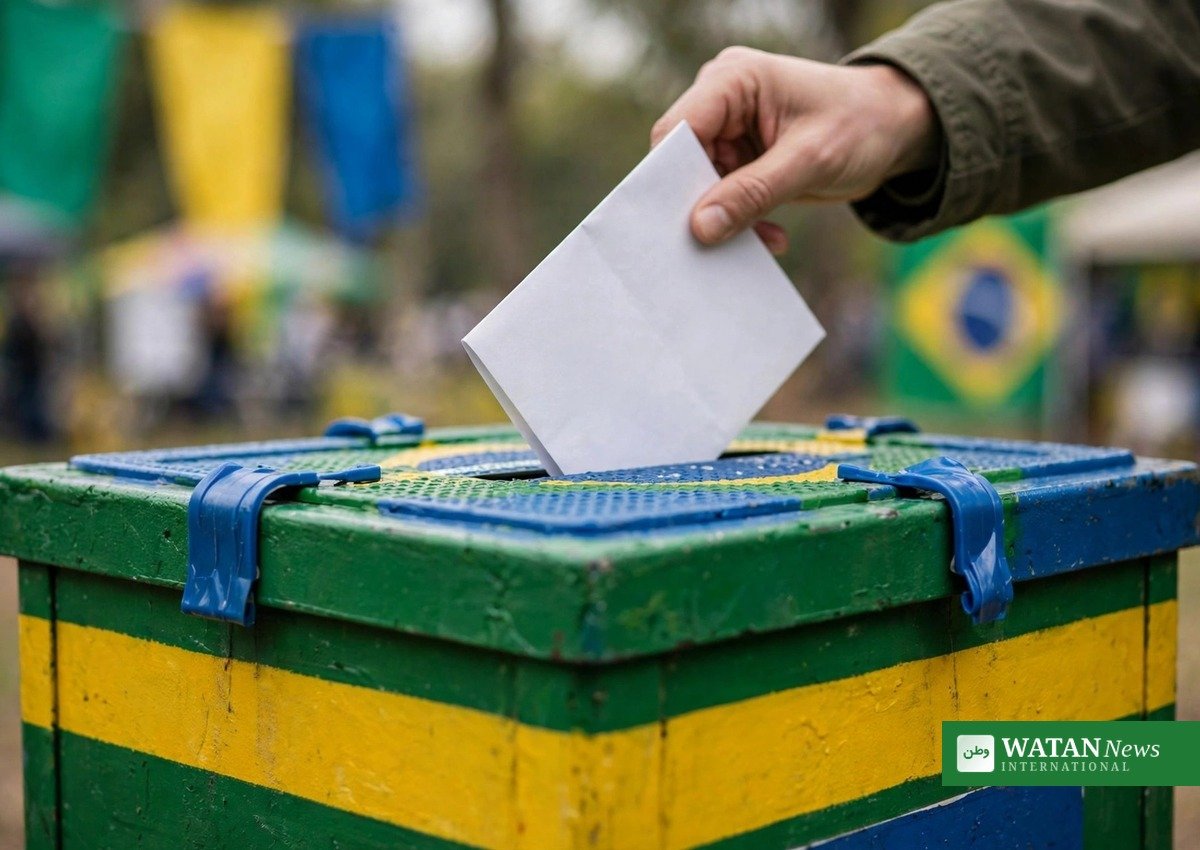
FAKTA: The Brazil election at a glance
- First round: Sunday, October 4, 2026. If no candidate wins more than 50% of valid votes, a runoff follows on October 25.
- The frontrunners: Incumbent Luiz Inácio Lula da Silva (Workers’ Party, 80) vs. Senator Flávio Bolsonaro (Liberal Party, 45).
- The polls: A late-September AtlasIntel survey put Lula at 45.3% and Bolsonaro at 42.2% of first-round voting intentions; analysts call it a technical tie.
- The field: 13 candidates are registered with the electoral court, but only Lula and Bolsonaro have a realistic path to the runoff.
- The regional angle: Fifteen governments signed the US-led “Shield of the Americas” anti-cartel statement on September 22; Brazil and Mexico stayed out.
Lula: seeking a historic fourth term
The 80-year-old incumbent is chasing an unprecedented fourth term, having previously governed from 2003 to 2011 before returning to office in 2023 after defeating Jair Bolsonaro in 2022. His platform centers on social programs, economic equality and workers’ rights — and his re-election bid is framed as the left’s last stand in a region swinging right.
Lula’s camp argues that a victory would preserve Brazil’s role as a counterweight to external political pressure and keep the country’s independent foreign and economic policy course intact.
Flávio Bolsonaro: carrying the family banner
The 45-year-old senator is the eldest son of former president Jair Bolsonaro, who was barred from seeking office until 2030 and later convicted over a plot to overturn the 2022 election result. Flávio’s campaign leans on conservative social values and national security, and aligns openly with the populist-nationalist wave championed by Donald Trump.
His supporters present a potential victory as vindication for the Bolsonarist movement — and as the final piece in a right-wing realignment of the continent. Britannica’s explainer on Brazil’s 2026 election describes the race as an unusual rematch: four years after Lula defeated Jair Bolsonaro, he now faces the former president’s son.
Polls point to a tight Brazil election
Polling in the final days shows a calcified, deeply polarized electorate. The AtlasIntel survey for Bloomberg — 5,005 voters questioned between September 23 and 28 — gave Lula a 3.1-point numerical lead, but a simulated runoff showed the two effectively tied, and both candidates carry rejection rates of around 50 percent. Poll trackers compiled by Americas Society/Council of the Americas put the contest at a technical tie two weeks before the vote.
Behind the frontrunners, anti-establishment activist Renan Santos (5.2%), author Augusto Cury (2%), ex-governor Ronaldo Caiado (1.8%) and Minas Gerais governor Romeu Zema (0.9%) trail far behind. With 156 million voters eligible, turnout dynamics could still decide whether the race is settled in the first round.
What’s at stake for Latin America
The result will shape whether Latin America’s recent rightward drift consolidates or stalls. Donald Trump has claimed credit for right-wing victories across the region, and the US-led “Shield of the Americas” coalition — 15 governments that pledged coordinated sanctions against 24 criminal organizations on September 22 — is dominated by right and far-right leaders. Brazil and Mexico, the region’s two largest economies, have notably stayed out.
A Bolsonaro win would strengthen the pro-Trump bloc and pull the continent’s largest economy into Washington’s orbit; a Lula victory would keep a major left-wing counterweight in play. Follow the latest coverage on Watan News’ main English site and see more on our World news page.
Conclusion
Brazil’s presidential election is more than a domestic contest — it is the defining political moment of the year for Latin America. The tight race between Lula and Flávio Bolsonaro will determine not only Brazil’s direction, but whether the region’s rightward wave becomes a lasting realignment or meets its limit at the ballot box on October 4.
If no candidate clears 50% of valid votes, the two frontrunners meet again in a runoff on October 25 — a second act that could be even more fiercely contested than the first.
Frequently Asked Questions
When is Brazil’s presidential election?
The first round is on Sunday, October 4, 2026. If no candidate wins more than 50% of valid votes, the top two face a runoff on October 25.
Who are the main candidates?
Incumbent Luiz Inácio Lula da Silva (Workers’ Party, 80), seeking a historic fourth term, and Senator Flávio Bolsonaro (Liberal Party, 45), the eldest son of former president Jair Bolsonaro.
Why can’t Jair Bolsonaro run himself?
Brazil’s electoral court barred him from seeking office until 2030 after finding he abused political power and misused the media; he was later convicted over a plot to overturn the 2022 election result.
What is the “Shield of the Americas”?
A US-led anti-cartel coalition, announced in March 2026, whose 15 member governments pledged coordinated sanctions against 24 criminal organizations on September 22. Brazil and Mexico have not joined.
What do the polls say?
Late-September polling showed Lula with a small numerical lead (45.3% vs. 42.2% in the AtlasIntel survey), but analysts describe the race as a technical tie, with both candidates carrying rejection rates near 50%.
Author

usmanjaved13132@gmail.com
Related Posts
US Introduces First Federal Bill Against Fast-Fashion Textile Waste
- 0
- 1,195 word
The United States has taken a first federal step toward tackling one of the fastest-growing waste streams in the world: discarded clothing....
Read out all
Trump Rules Out Nuclear Strike on Iran, Warns of New Strikes on Pickaxe Mountain
- 0
- 694 words
Washington, D.C. — President Donald Trump has ruled out using nuclear weapons against Iran in the ongoing war, but warned that the...
Read out all
Cyprus Israel Lobby Row: Pro-Israel Parliamentary Group Sparks Political Dispute
- 0
- 480 words
NICOSIA — A Cyprus Israel lobby row has erupted on the divided Mediterranean island after six lawmakers launched a new parliamentary chapter...
Read out all
Brewers Sweep Dodgers to Reach World Series for First Time Since 1982
- 0
- 580 words
The Milwaukee Brewers are going to the World Series for the first time in 44 years. Down 4-0 in the early innings...
Read out all
Lukashenko Says Trump Should Not Dictate Ukraine’s Future
- 0
- 497 words
Belarusian President Alexander Lukashenko said on Friday that US President Donald Trump should not dictate Ukraine’s political future, declaring that only the...
Read out all
Russian Drone Strikes Kill Three Across Ukraine, Cut Power to 370,000
- 0
- 419 words
Russian drone strikes across Ukraine killed at least three people and knocked out electricity to around 370,000 residents in the northwestern Volyn...
Read out all