- 0
- 707 words
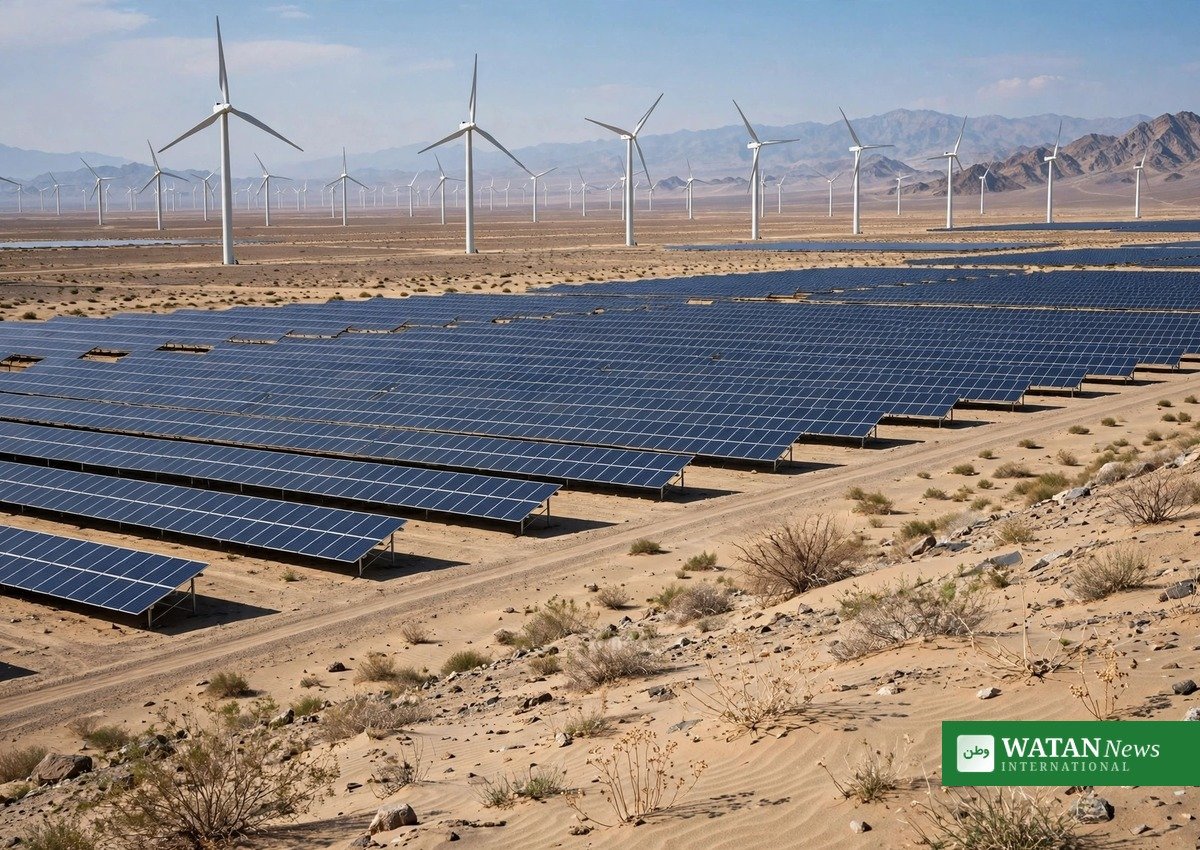
China’s large-scale wind and solar bases in desert and arid areas had passed 157 gigawatts (GW) of completed capacity by the end of September 2026, the country’s National Energy Administration said at a briefing on 30 October. The figure marks a major milestone for the desert-base programme, which is designed to build vast wind and solar capacity far from China’s coastal demand centres and carry the power across the country.
Gui Xiaoyang, deputy director of the administration’s New and Renewable Energy Department, said the first batch of projects, totalling 94.53 GW, had largely entered operation. More than 34 GW had been completed in the second batch and more than 29 GW in the third. The administration said it would accelerate construction of the second and third batches, aiming to bring them largely into operation by the end of 2027.
Completed is not the same as operating
The distinction matters. The 157 GW figure is completed capacity — projects built — while only the first batch is described as largely in operation. How much electricity the newer batches actually generate will depend on grid connections, transmission and how quickly they enter service, which is the next measure to watch.
A record nine months for renewables overall
The desert-base update came with wider National Energy Administration figures for the first nine months of 2026. China added 180 GW of renewable energy capacity in that period, accounting for 71.7 percent of all new capacity. Total renewable capacity reached 2.518 trillion watts (2,518 GW) by the end of September, up 14.6 percent year on year and about 60.94 percent of China’s total installed capacity.
Wind and solar together reached 2.01 trillion watts. Solar alone rose to 1.31 trillion watts, having overtaken coal-fired power in July to become China’s largest power source by installed capacity. Renewable generation reached 3.13 trillion kilowatt-hours in the first nine months, about 41.8 percent of all electricity generation.
Why deserts, and what comes next
Desert and arid regions offer large areas of open land and strong wind and sun resources, which is why China has concentrated its largest wind and solar bases there. Under China’s 15th Five-Year Plan for renewable energy, seven major wind and solar bases are planned to add at least 370 GW of new capacity between 2026 and 2030, according to reporting of the plan.
The desert programme will be watched closely at COP31 in Antalya (9–20 November 2026), where countries will compare how fast clean capacity is actually being built — and connected — against the pledges made under the Paris Agreement.
For more climate coverage, see the Climate section on Watan News.
Key facts
- Desert wind and solar bases: more than 157 GW completed by end of September 2026.
- First batch: 94.53 GW, largely in operation. Second batch: more than 34 GW completed. Third batch: more than 29 GW completed.
- Target: second and third batches largely in operation by the end of 2027.
- All renewables, January–September 2026: 180 GW added; total 2,518 GW; solar 1,310 GW, now larger than coal by capacity.
- Source: National Energy Administration briefing, 30 October 2026.
Frequently asked questions
Does 157 GW mean 157 GW of electricity is being generated?
No. It is completed capacity — the size of the projects built. Only the first batch, at 94.53 GW, is described as largely in operation. Actual generation depends on grid connection and operation, which is why the administration’s end-2027 target for the later batches matters.
How big is this in China’s overall power system?
Very large, but still one part of a bigger system. All renewables together reached 2,518 GW by the end of September 2026, about 60.94 percent of total installed capacity, and supplied about 41.8 percent of electricity generation in the first nine months.
Has solar really overtaken coal in China?
By installed capacity, yes, according to the National Energy Administration: solar reached 1,310 GW and overtook coal-fired power in July 2026. That does not mean solar generates more electricity than coal today, because coal plants run more hours on average.
Why build in deserts?
Desert and arid regions have large open areas and strong wind and sun. The challenge is carrying that power to demand centres, which is why transmission and grid connection are as important as the panels and turbines themselves.
What should be watched next?
Whether the second and third desert batches are largely in operation by the end of 2027, as the administration aims, and how much electricity they actually deliver once connected.
Author

usmanch0013@gmail.com
Related Posts
Kinas ørkenvind- og solbaser passerer 157 GW
- 0
- 753 words
Kinas ørkenvind- og solbaser passerede 157 GW i færdig kapacitet i september 2026, hvor den første pulje på 94,53 GW stort set...
Read out all
چین کے صحرائی ہوا اور شمسی مراکز ایک سو ستاون گیگا واٹ سے تجاوز کر گئے
چین کے صحرائی ہوا اور شمسی مراکز کی مکمل صلاحیت ستمبر دو ہزار چھبیس تک ایک سو ستاون گیگا واٹ سے تجاوز...
Read out all
EU foreslår klimaresiliensplaner for 3 °C-opvarmning frem mod 2100
- 0
- 707 words
Europa-Kommissionen har foreslået en klimalov om resiliens, der kræver, at alle 27 EU-lande planlægger for opvarmning op til 3 °C i 2100,...
Read out all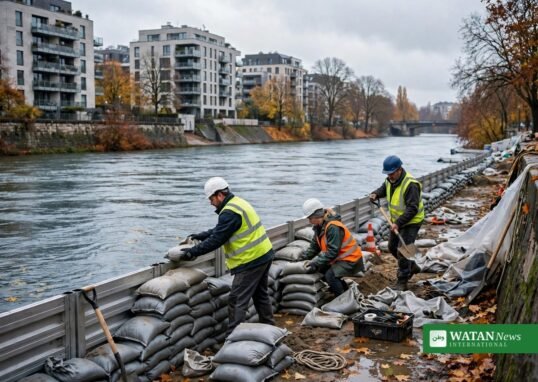
یورپی یونین کا موسمیاتی لچک منصوبہ: تین ڈگری گرمی کے لیے تیاری
یورپی کمیشن نے تجویز کیا ہے کہ یورپی یونین کے تمام ستائیس ممالک تین ڈگری تک گرمی کے لیے قومی موسمیاتی لچک...
Read out all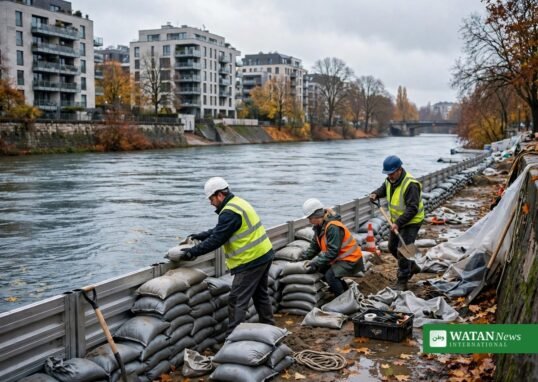
EU Proposes Climate Resilience Plans for 3C Warming by 2100
- 0
- 724 words
The European Commission has proposed a Climate Resilience Law requiring all 27 EU states to plan for warming of up to 3C...
Read out all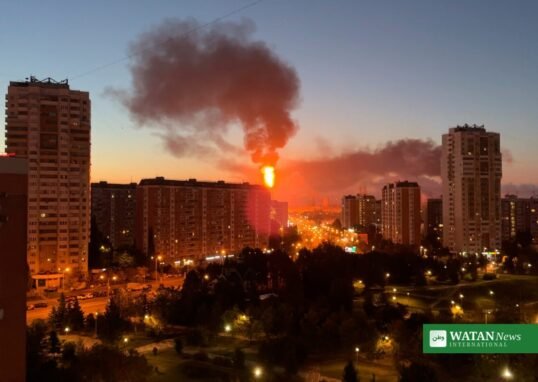
Massive Drone Attack Hits Kstovo Oil Refinery in Russia, Governor Confirms Damage
- 0
- 791 words
Russia's Nizhny Novgorod governor has confirmed significant damage to an industrial site after a massive overnight drone attack, as Ukrainian media reported...
Read out all