- 0
- 1,014 word
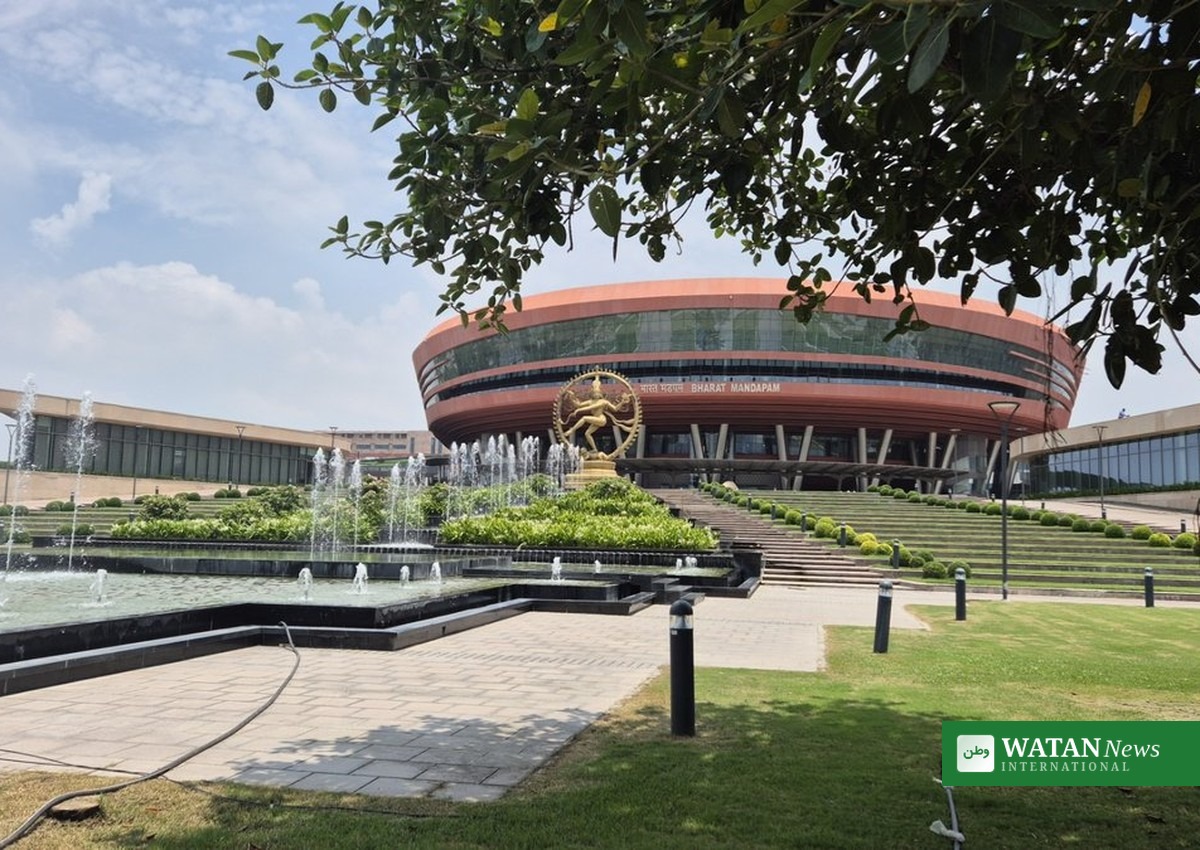
New Delhi will host the fourth Climate Investments and Technology Impact Summit (CITIS 2026) from 14 to 16 December 2026, bringing policymakers, investors and technology innovators together to answer one of the hardest questions in climate action: how does a promising first-of-a-kind technology become a bankable project deployed at industrial scale?
The summit, held at Bharat Mandapam in the Indian capital, is organised by the Centre for Ganga River Basin Management and Studies (cGanga) at IIT Kanpur. It runs alongside the 11th India Water Impact Summit (IWIS 2026), and the two events together are billed as the Twin Summits, linking climate technology with water, energy and the finance needed to deploy both.
FAKTA
- Event: 4th Climate Investments and Technology Impact Summit (CITIS 2026)
- Dates: 14–16 December 2026
- Venue: Bharat Mandapam, New Delhi, India
- Theme: FOAK to NOAK — Industrialising Climate Innovation at Scale
- Co-located with: 11th India Water Impact Summit (IWIS 2026)
- Organiser: Centre for Ganga River Basin Management and Studies (cGanga), IIT Kanpur
- Scale: 3 days, 4 tracks, 32 sessions, 14 grand challenges, 14 white papers
- Participation: Strictly by invitation only
From first-of-a-kind to nth-of-a-kind
CITIS 2026 is built around a single problem. Climate technologies often work well as first-of-a-kind (FOAK) demonstrations — a first plant, a first pilot, a first district project — and then stall, because investors see technology risk, unclear business models and no long-term buyer. The summit calls this the gap between demonstration and deployment, and its theme is how to cross it.
The pathway it sets out runs from technology innovation to FOAK demonstration, then to project aggregation, institutional capital and finally nth-of-a-kind (NOAK) deployment — the point at which a technology is replicated as standard infrastructure. Sessions will examine how new technologies can overcome commercialisation barriers, build viable business models, secure long-term offtake agreements and attract institutional investment, so that climate solutions become affordable, accessible and available at industrial scale.
Two flagship initiatives carry that work. The FOAK Investors’ Alliance connects technology innovators, project developers, investors and financial institutions to bridge the financing gap between innovation and commercial deployment, including structures that share technology and project risk. The Technology Innovations Showcase puts emerging technologies that are moving through the Environmental Technology Verification (ETV) Commercialisation Pathway before investors, project developers, industrial companies and public agencies, with technology presentations, investor matchmaking and project development opportunities.
Four tracks across water and energy
The Twin Summits are organised around four interconnected tracks, with 32 sessions in total.
Track A — Water Policy and Science
River basin management, water security, integrated river assessment and the scientific frameworks and policy solutions behind sustainable water management.
Track B — Water Grand Challenges
Practical water-sector problems, including digital twins, drought resilience, sludge valorisation, soil rejuvenation, wastewater markets, industrial effluent management and blue bonds.
Track C — Technology Innovations Showcase
Technologies progressing through the ETV Commercialisation Pathway, with technology pitches, investor matchmaking and project development opportunities.
Track D — Energy Grand Challenges
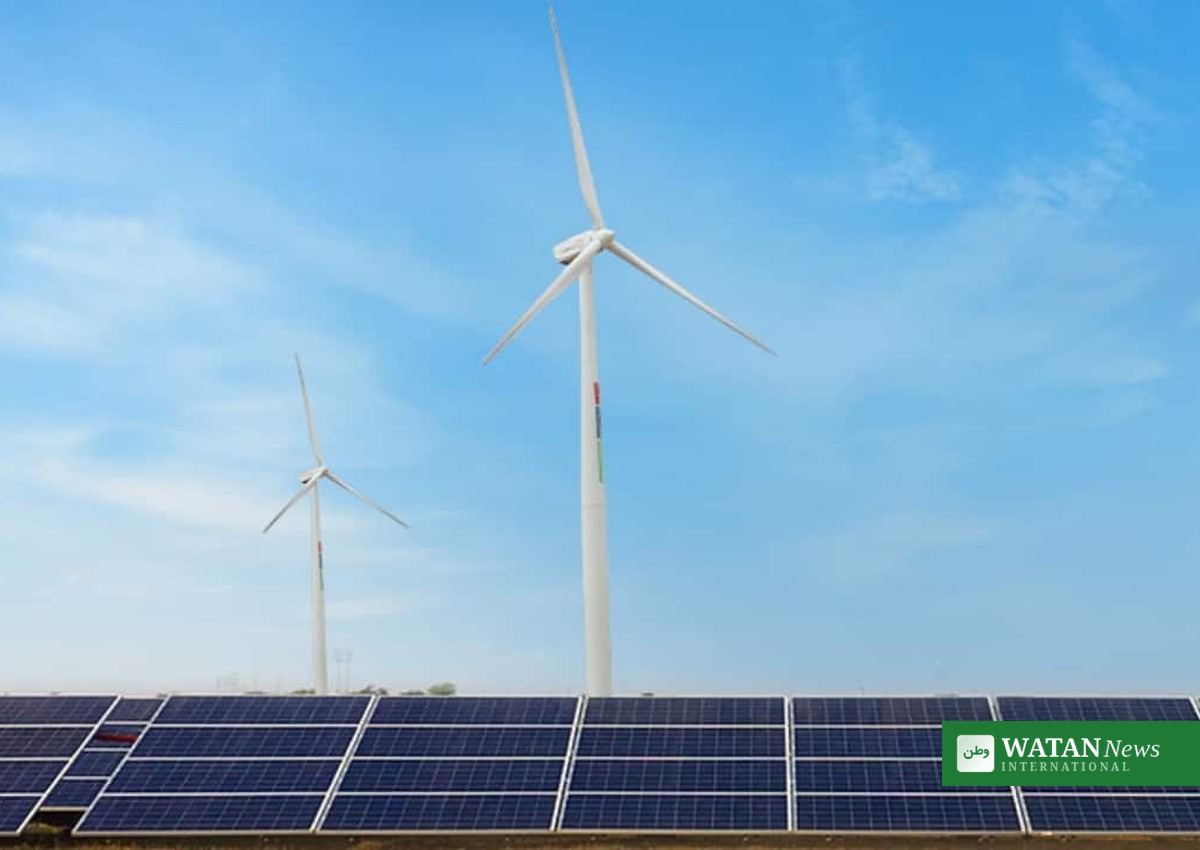
Industrial decarbonisation, e-fuels, biomass banks, biogas, energy storage, commercial electric vehicle fleets, critical minerals and clean technology manufacturing and supply chains.
Across the two summits, 14 grand challenges in water and energy will each feed into an actionable white paper, covering commercialisation roadmaps, market development, technology partnerships, bankable project pipelines, investment and financing opportunities, and policy and regulatory recommendations — with replication across India and the Global South as an explicit goal.
Why it matters after COP31
The summit comes less than a month after COP31 in Antalya closed on 22 November 2026 without an adopted deal, leaving the hard questions of climate finance and implementation unresolved at the negotiating table. CITIS 2026 is part of the answer taking shape outside it: the work now moves to rooms where investors, developers and governments turn pledges into projects that banks will fund. Read Watan News on why COP31 failed and what COP32 must fix.
The timing also connects with the water agenda. The United Nations has now decided that water conferences will be held every three years, with the next one in Abu Dhabi from 8 to 10 December 2026 and the following one in Tajikistan in 2028 — and the water track at CITIS sits squarely in that same current. Read Watan News on the UN decision to hold water conferences every three years.
For India and the Global South, the stakes are concrete. The summit’s own framing is that three earlier editions established first-of-a-kind projects as an investable asset class and advanced climate action at district level; this fourth edition is about industrialising that work — commercialising technologies, developing bankable projects and turning pioneering demonstrations into replicable infrastructure that can attract institutional capital.
Who can take part
Participation is strictly by invitation only, and participants must receive a formal invitation before registering. Technology presentations and showcase participation are subject to prior approval, and international participants take part through their respective country channels.
Conclusion
CITIS 2026 will not negotiate a climate treaty, but that is not its job. Its test is narrower and more practical: whether the investors, innovators and policymakers gathered in New Delhi leave with projects that can be financed, built and copied — and whether first-of-a-kind climate technology finally becomes the nth-of-a-kind infrastructure the energy transition needs.
FAQs
What is CITIS 2026?
CITIS 2026 is the fourth Climate Investments and Technology Impact Summit, a gathering in New Delhi focused on turning first-of-a-kind climate technologies into bankable, replicable projects at industrial scale.
When and where is CITIS 2026 held?
The summit takes place from 14 to 16 December 2026 at Bharat Mandapam in New Delhi, India, co-located with the 11th India Water Impact Summit.
What does FOAK to NOAK mean?
FOAK means first-of-a-kind, a first demonstration of a new technology. NOAK means nth-of-a-kind, the same technology deployed repeatedly as standard infrastructure. The summit’s theme is how to move climate innovation from the first demonstration to routine, large-scale deployment.
What is the India Water Impact Summit?
The India Water Impact Summit (IWIS) is an annual gathering on water organised by cGanga at IIT Kanpur. Its 11th edition runs alongside CITIS 2026 as part of the Twin Summits, covering water policy, water grand challenges and river basin management.
Can anyone attend CITIS 2026?
No. Participation is strictly by invitation only. Technology presentations and showcase participation need prior approval, and international participants join through their respective country channels.
Author

usmanch0013@gmail.com
Related Posts
CITIS 2026: Klimainvesteringstopmøde i New Delhi skal gøre klimainnovation til investérbare projekter
- 0
- 1,054 word
New Delhi er vært for det fjerde CITIS-topmøde den 14.–16. december 2026, hvor investorer og innovatorer skal omsætte first-of-a-kind-klimateknologier til investerbare projekter...
Read out all
سی آئی ٹی آئی ایس 2026: نئی دہلی سربراہی اجلاس موسمیاتی جدت کو قابلِ سرمایہ کاری منصوبوں میں ڈھالے گا
نئی دہلی میں 14 سے 16 دسمبر 2026 تک چوتھا سی آئی ٹی آئی ایس سربراہی اجلاس ہوگا، جہاں سرمایہ کار اور...
Read out all
China Rehearses Amphibious Landing With Civilian Ships Near Taiwan
- 0
- 496 words
China is rehearsing amphibious landings near Taiwan, linking civilian vessels into an 800-metre floating bridge in Dacheng Bay, satellite images show.
Read out all
Pakistan’s First Astronaut Reaches China’s Tiangong Space Station Aboard Shenzhou-24
- 0
- 918 words
Muhammad Zeeshan Ali has become the first Pakistani to reach orbit and the first foreign astronaut to visit China's Tiangong space station,...
Read out all
Islamabad Hosts Trilateral Defence Talks as Mecca Pact Takes Effect
- 0
- 480 words
Pakistan, Saudi Arabia and Türkiye meet in Islamabad on 27–28 November for the third session of the Strategic Political and Defence Committee...
Read out all
کاپ31 کی ناکامی کے بعد بھی عوام موسمیاتی عمل میں رہنماؤں سے آگے، گلوب اسکین سروے
گلوب اسکین کی نئی تحقیق سے معلوم ہوا ہے کہ عوام موسمیاتی عمل میں اپنے رہنماؤں سے بہت آگے ہیں: تیل پیدا...
Read out all