
- 0
- 1,047 word
Antalya: An Egyptian sustainability institute used COP31 to pitch a plan to build an international network of trained climate ambassadors, setting first-phase targets for 2027 of 20 countries, 20 academic partners and 1,000 climate ambassadors. The proposal, presented by the Institute of Sustainability and Carbon Footprint (ISCF) of Egypt, would turn its university-based Climate Ambassadors Summer School into an international programme across 20 countries.
The plan was presented at a COP31 press conference on 18 November, six days after ISCF and its partner, the Volunteer Team Foundation for Humanitarian Action (VTFHA), held a session on the idea in the conference’s Blue Zone. The presenters were clear that the figures are targets, not results — no agreements or commitments have been announced yet.
FAKTA
- 20 countries, 20 academic partners, 1,000 climate ambassadors are the first-phase targets for 2027 set out by ISCF at COP31.
- The Climate Ambassadors Summer School is ISCF’s training programme run through Egyptian universities, teaching practical climate skills.
- Greenhouse gas accounting and climate finance are among the core competencies the programme teaches.
- 12 November: ISCF and VTFHA held the session “Shaping the Future of Global Climate Leadership” in Blue Zone Meeting Room 07 at COP31.
- 18 November: the network plan was presented again at a COP31 press conference in Antalya.
- Possible cooperation with the United Nations University was discussed — as a proposal, not a finalised programme.
What the network would do
The International Climate Ambassadors Summer School would combine climate science, green skills, sustainability education, leadership and practical environmental action. According to ISCF, the programme aims to move people from climate awareness to technical competence and measurable implementation, with training in greenhouse gas accounting, verification and climate finance, alongside digital sustainability tools.
The idea is to train a generation of ambassadors who can carry climate knowledge into workplaces, universities and communities — people who understand both the science and the practical tools, from counting emissions to finding finance for projects. ISCF describes its wider work as connecting professional capacity-building with international disclosure standards, including the IFRS S1 and S2 rules for sustainability-related financial disclosures.
Presented twice at COP31
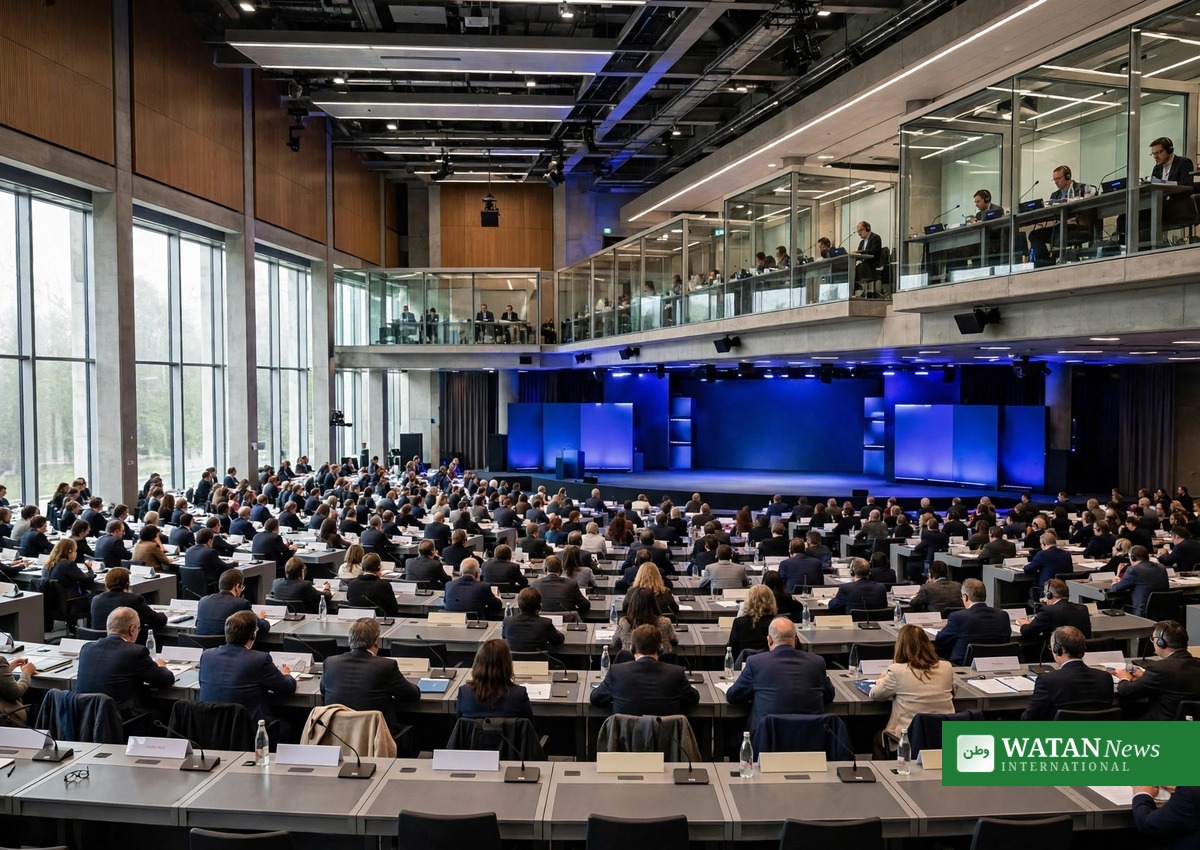
The proposal was first set out at an international session entitled “Shaping the Future of Global Climate Leadership”, held in the COP31 Blue Zone, Meeting Room 07, from 13:00 to 13:55 local time on Thursday, 12 November 2026. The event was organised and delivered by ISCF LLC of Egypt in cooperation with VTFHA, an admitted observer organisation of the UN climate convention. The official room assignment was issued to VTFHA under meeting request ID MRA-2026-1336.
The session was moderated and presented by Ambassador Dr. Mostafa Elsayed Sherbiny Elsayed, founder and chief executive officer of ISCF LLC and head of the VTFHA delegation to COP31. Alongside the ambassador programme, the session addressed capacity-building in banking and financial services and international institutional cooperation — the three pillars of the event.
The plan was presented again at a COP31 press conference on 18 November, where the first-phase 2027 targets — 20 countries, 20 academic partners and 1,000 climate ambassadors — were set out. A related event on 10 November had already promoted ISCF and VTFHA’s Climate Ambassadors and Water Ambassadors initiatives, linking climate training with water management and the UN Sustainable Development Goals.
Targets, not results yet
It matters to be precise about what was announced. The 20-country network does not exist yet, and the 1,000 ambassadors are a target for 2027, not a count of people already trained. No partner universities have been named, and no agreements were announced at the press conference. The possible collaboration with the United Nations University was presented as a proposal to be discussed, not a finalised institutional programme.
That caution is part of the story: at a conference where many announcements describe work already done, this one is a plan looking for partners. Its test will be whether universities and funders sign up in 2027.
Why ambassadors, why now
The ambassador model was one of the visible themes of COP31. The European Union’s Climate Pact counts more than 1,000 citizen ambassadors, and its COP31 session on 12 November showed how volunteers turn conference ambition into local action. Türkiye brought more than 300 young climate envoys to the conference’s final days, Pacific climate envoys pressed for urgent action, and the Gambia’s envoy called for climate finance to be run by women.
ISCF’s proposal adds a different piece to that picture: structured, technical training. Where citizen ambassadors inspire and inform their communities, the Summer School model aims to give ambassadors professional skills — counting emissions, understanding climate finance, verifying claims — that employers and institutions can use.
What happens next
The organisers say the first phase runs through 2027, with academic partners to be lined up country by country. The programme is positioned in support of the Paris Agreement’s capacity-building goals and the UN Sustainable Development Goals on quality education, climate action and partnerships. Whether the network reaches its targets will depend on the partnerships ISCF and VTFHA can build after COP31 closes — and on whether the universities they approach see the ambassador model as worth joining.
Read more: Climate Ambassadors at COP31: Envoys, Youth Delegates and Citizen Champions.
Frequently asked questions
What is the Climate Ambassadors network?
It is a proposed international network of trained climate ambassadors, pitched at COP31 by Egypt’s Institute of Sustainability and Carbon Footprint (ISCF). The plan would expand ISCF’s Climate Ambassadors Summer School, currently run through Egyptian universities, into 20 countries.
Who is behind the proposal?
The Institute of Sustainability and Carbon Footprint LLC (ISCF) of Egypt, led by its founder and chief executive, Ambassador Dr. Mostafa Elsayed Sherbiny Elsayed, in cooperation with the Volunteer Team Foundation for Humanitarian Action (VTFHA), an admitted observer organisation of the UN climate convention.
What will the ambassadors be trained in?
The programme combines climate science, green skills, sustainability education, leadership and practical environmental action, with core competencies in greenhouse gas accounting and climate finance, plus verification and digital sustainability tools.
Is the network already running?
No. The 20 countries, 20 academic partners and 1,000 ambassadors are targets for 2027, not results. No partner universities have been named and no agreements were announced at COP31.
How is it different from the EU Climate Pact ambassadors?
The EU Climate Pact is a citizen-volunteer model with more than 1,000 ambassadors who inform and inspire their communities. ISCF’s proposal is a structured training model, aiming to give ambassadors professional, technical skills that employers and institutions can use.
Author

usmanch0013@gmail.com
Related Posts

Bolsonaro in Intensive Care with Intestinal Obstruction
- 0
- 531 words
Former Brazilian President Jair Bolsonaro is in intensive care in Brasilia with an acute intestinal obstruction. The hospital says the 71-year-old is...
Read out all
Earthshot Prize 2026-vindere: Bhutan, Mahindra, Ørsted, Niue og PFAS-Free France får 1 million pund hver
- 0
- 1,226 word
Fem vindere blev kåret ved The Earthshot Prize 2026 i Mumbai den 17. november 2026: Bhutan, Mahindra Last Mile Mobility, Ørsted, Niue...
Read out all
Egyptisk institut foreslår klimaambassadørnetværk i 20 lande ved COP31
- 0
- 1,089 word
Egyptens Institute of Sustainability and Carbon Footprint foreslog et klimaambassadørnetværk i 20 lande ved COP31 i Antalya med mål om 20 lande,...
Read out all
مصر کے ادارے نے کاپ31 میں 20 ممالک کے موسمیاتی سفیر نیٹ ورک کی تجویز پیش کی
- 0
- 2 words
مصر کے انسٹی ٹیوٹ آف سسٹین ایبلٹی اینڈ کاربن فٹ پرنٹ نے انطالیہ میں کاپ31 میں 20 ممالک کے موسمیاتی سفیر نیٹ...
Read out all
ارتھ شاٹ پرائز 2026: بھوٹان، مہندرا، اورسٹڈ، نیوے اور پی ایف اے ایس فری فرانس فاتح
17 نومبر 2026 کو ممبئی میں ارتھ شاٹ پرائز 2026 کے پانچ فاتحین کا اعلان ہوا: بھوٹان، مہندرا لاسٹ مائل موبلٹی، اورسٹڈ،...
Read out all
Earthshot Prize 2026 Winners: Bhutan, Mahindra, Ørsted, Niue and PFAS-Free France Take £1 Million Each
- 0
- 1,199 word
Five winners were crowned at The Earthshot Prize 2026 in Mumbai on 17 November 2026: Bhutan, Mahindra Last Mile Mobility, Ørsted, Niue...
Read out all