- 0
- 972 words
Climate awareness in Britain has reached a new record: more than four in five adults in Great Britain say climate change has affected them in at least one way over the past year, according to an official survey by the Office for National Statistics (ONS). The figure of 85 percent is up from 74 percent when the question was last asked in autumn 2025 and 66 percent in 2024 — a sharp rise in climate awareness in just two years.
Climate awareness: what the numbers show
The ONS bulletin “Public opinions and social trends, Great Britain: attitudes to climate change and environmental issues” is based on data collected from 1 July to 27 September 2026. It was released ahead of the UN Biodiversity Conference (COP17) in October and the UN Climate Change Conference (COP31) in November 2026.
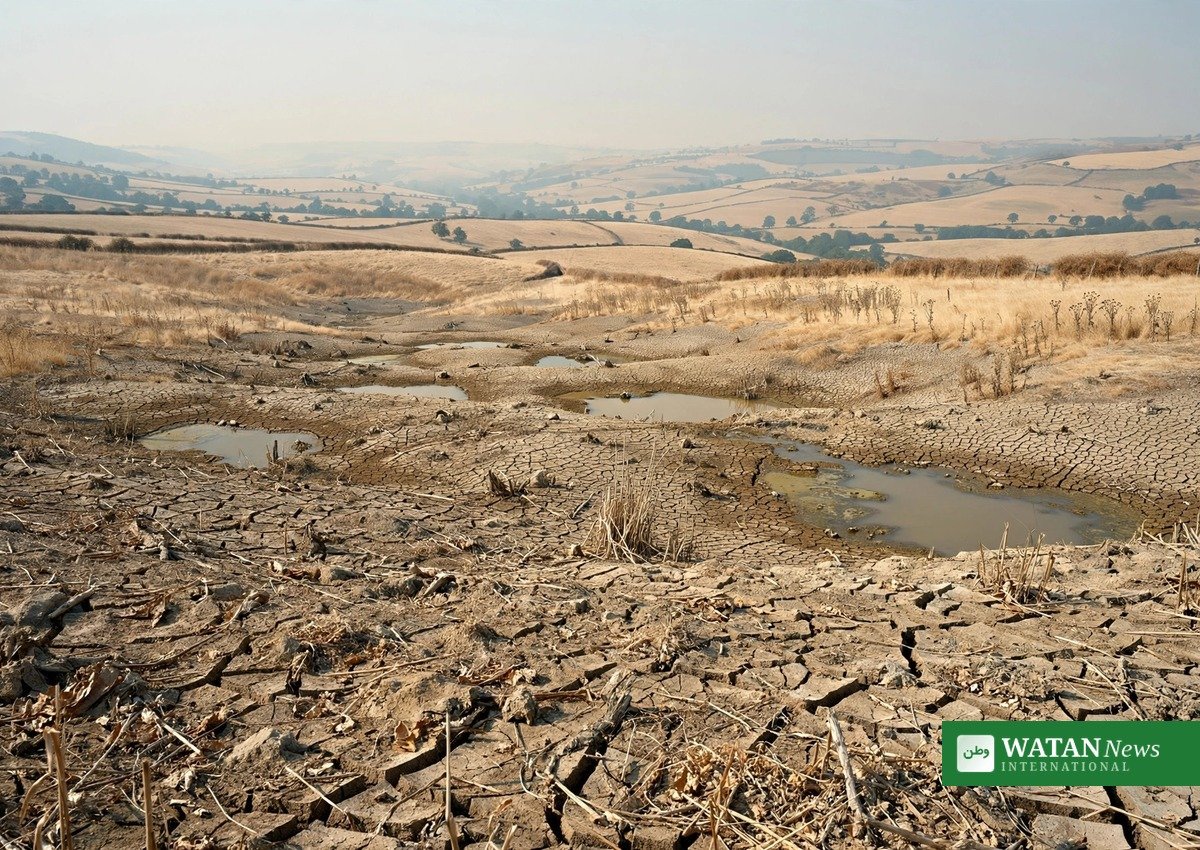
When asked how they had been affected by climate change in the past 12 months, adults most commonly cited heatwaves (78 percent), drought (40 percent) and wildfires (26 percent). Younger adults reported the highest exposure: 90 percent of those aged 16 to 29 and 88 percent of those aged 30 to 49 said they had been affected, compared with 81 percent of 50 to 69-year-olds and 80 percent of those aged 70 and over. Women (87 percent) were slightly more likely to report effects than men (83 percent).
The ONS notes that the survey period coincided with heatwaves in Great Britain, and that the Met Office provisionally declared summer 2026 the hottest on record for the UK. Responses may therefore partly reflect that unusual weather, the ONS says — the survey records what people said they had experienced, not a scientific attribution of each event to climate change.
Nine in ten expect to be affected in the next decade
Climate awareness also stretches into the future: almost nine in ten adults (89 percent) said they expect to be affected by climate change in at least one way over the next ten years — up from 84 percent in autumn 2025 and 83 percent in 2024. The most commonly expected effects were increased temperatures (83 percent), water shortages (69 percent), more wildfires (58 percent) and increased flooding (50 percent).
Three in five adults (60 percent) named climate change and the environment as an important issue facing the UK today. The issue ranked highest among adults with a degree or equivalent (69 percent), people living in London (67 percent), adults aged 16 to 29 (66 percent) and women (65 percent). Almost four in five (78 percent) said they were very or fairly concerned about the loss of biodiversity in the UK.
Most people are changing their lifestyles
Awareness is translating into action for many: more than three-quarters of adults (77 percent) said they had made some or a lot of changes to their lifestyle to help tackle environmental issues. Among those who had changed something, the most commonly reported actions were reducing waste (80 percent), changing shopping habits (48 percent), changing diet (42 percent) and changing travel (41 percent).
Among the 23 percent who said they had not made any changes, the most commonly given reasons were that large polluters should change before individuals (31 percent), that they did not think their changes would have any effect (26 percent) and that it was too expensive (21 percent).
Businesses are also waking up: the ONS’s Business Insights and Conditions Survey found that in late September to early October 2026, around two in five businesses (41 percent) were concerned about the impact climate change may have on their business — up from 25 percent a year earlier and the highest recorded proportion since February 2023.
For more climate coverage in English, visit Watan News in English.
FAKTA
- 85% — adults in Great Britain who said climate change had affected them in at least one way in the past 12 months (74% in autumn 2025; 66% in 2024).
- 78% — cited heatwaves as the most common way they were affected; drought 40%, wildfires 26%.
- 89% — expect to be affected by climate change in at least one way in the next 10 years.
- 60% — named climate change and the environment as an important issue facing the UK.
- 77% — said they had made some or a lot of lifestyle changes to help tackle environmental issues.
Conclusion
The ONS data shows a country where climate awareness is no longer abstract: after a record-hot summer, a record share of Britons report personal experience of climate change, most expect more in the decade ahead, and most say they are already changing how they live. The gap the survey identifies — nearly a quarter unconvinced that individual action matters — is the next frontier for awareness campaigns ahead of COP31.
Frequently Asked Questions
What is the ONS survey?
The Office for National Statistics is the UK’s official statistics body. Its bulletin “Public opinions and social trends, Great Britain: attitudes to climate change and environmental issues” surveyed adults across Great Britain between 1 July and 27 September 2026 and was published ahead of COP17 and COP31 in autumn 2026.
Why did climate awareness rise so sharply?
The ONS itself cautions that the survey period coincided with heatwaves, and that the Met Office provisionally declared summer 2026 the hottest on record for the UK. Extreme weather during the survey window likely shaped how many people reported being affected — but the two-year trend, from 66% in 2024 to 85% now, points to a deeper shift.
How do people expect to be affected in the future?
According to the ONS, 89 percent of adults expect climate change to affect them in at least one way in the next ten years. Increased temperatures (83 percent), water shortages (69 percent), more wildfires (58 percent) and increased flooding (50 percent) were the most commonly expected effects.
Are people changing their behaviour?
Yes, according to the survey: 77 percent of adults said they had made some or a lot of lifestyle changes to help tackle environmental issues. The most common changes were reducing waste (80 percent), changing shopping habits (48 percent), changing diet (42 percent) and changing travel (41 percent).
Why do some people make no changes at all?
Among the 23 percent who reported no lifestyle changes, the most common reasons given were that large polluters should change before individuals (31 percent), that their own changes would have no effect (26 percent) and that change was too expensive (21 percent).
Author

usman2344913@gmail.com
Related Posts

Elektriske færger kan skære Marmarahavets emissioner med 63 % ifølge IMO-undersøgelse
- 0
- 1,114 word
Elektriske færger kan forvandle et af verdens travleste nærfærgenetværk: Tyrkiets færgenetværk i Marmarahavet kan skære sine drivhusgasemissioner med 63 procent inden 2050...
Read out all
Klimabevidsthed på rekord: 85 % af briterne ramt af klimaændringer — ONS
- 0
- 1,020 word
Klimabevidstheden i Storbritannien er på rekordhøjt niveau: Mere end fire ud af fem voksne i Storbritannien siger, at klimaændringerne har ramt dem...
Read out all
برقی فیریاں بحیرۂ مرمرہ کے اخراج میں 63 فیصد کمی کر سکتی ہیں، آئی ایم او مطالعہ
برقی فیریاں دنیا کے مصروف ترین چھوٹے سمندری سفری نظاموں میں سے ایک کی صورت بدل سکتی ہیں: بین الاقوامی بحری تنظیم...
Read out all
موسمیاتی آگہی عروج پر: 85 فیصد برطانوی کہتے ہیں کہ موسمیاتی تبدیلی نے انہیں متاثر کیا
برطانیہ میں موسمیاتی آگہی نئے ریکارڈ پر پہنچ گئی ہے: برطانوی سرکاری شماریاتی ادارے آو این ایس کے ایک نئے سروے کے...
Read out all
Fatalities Confirmed After ‘Serious Incident’ and Major Fire at Canada’s CFB Wainwright Base
- 0
- 636 words
Canadian Defence Minister David McGuinty has confirmed that a “serious incident” at Canadian Forces Base Wainwright in Alberta has caused fatalities and...
Read out all
Electric Ferries Could Cut Sea of Marmara Emissions by 63%, IMO Study Finds
- 0
- 1,091 word
Electric ferries could reshape one of the world’s busiest short-sea ferry networks: Türkiye’s Sea of Marmara ferry fleet could cut its greenhouse...
Read out all