- 0
- 1,563 word
Antalya, 24 November 2026: The COP31 climate summit closed in Antalya on Sunday without a final climate pact, after two weeks of negotiations and about two days of overtime, making it the longest-running UN climate summit on record. UN Secretary-General António Guterres said he was “deeply disappointed” that governments had failed to reach consensus, and warned that the world is now on course to exceed the 1.5°C warming limit.
Key facts
- What happened: COP31 ran from 9 to 22 November 2026 in Antalya, Türkiye, and closed on Sunday 22 November without an overarching agreement, after about two days of overtime.
- The UN chief’s verdict: António Guterres said he was “deeply disappointed” and warned: “There may be no consensus in the negotiating room. There is no ambiguity in the science.”
- Why it failed: the final draft, the “Antalya Pact”, contained no mention of fossil fuels. The EU, the UK, Panama, the Marshall Islands and Vanuatu were among those that rejected it.
- What survived: the just transition work programme continues for three more years, countries representing around half of the global economy backed the 35% electrification target for 2035, and the second Global Stocktake was launched.
- What comes next: COP32 takes place in Addis Ababa, Ethiopia, from 8 to 19 November 2027, where the undecided issues return to the table.
Guterres: “No ambiguity in the science”
Reacting to the collapse, Guterres said he shared “the very profound frustration of all those who expected governments to rise to the moment the climate crisis demands”. He warned that global temperatures continue to break records, climate extremes keep intensifying and greenhouse gas emissions remain far too high, while the world is now on course to exceed the internationally agreed 1.5°C warming limit.
“The take-home message from COP31 is clear: the world must do much more to confront the climate crisis — and it must do it now,” he said. “We can’t put out the fire while pouring fuel on it.”
Guterres repeated the verdict in Bridgetown, Barbados, on Sunday, standing alongside Prime Minister Mia Mottley ahead of a UN-backed summit on artificial intelligence safety. He said Barbados and other small island developing states are among those paying the highest price for global warming despite contributing little to the problem. “Countries that did least to cause this crisis cannot be left to face its worst consequences alone,” he said. He praised Mottley’s Bridgetown Initiative, which calls for reforms to make climate and development finance more accessible and affordable for developing countries, and welcomed a new five-year UN Sustainable Development Cooperation Framework for the Caribbean.
Who rejected the text — and why
The final draft failed because it did not mention fossil fuels at all — the main driver of global warming. According to reports from the talks, the first draft, circulated on 16 November, had called for an immediate transition away from fossil fuels in energy systems, but every mention was stripped from later drafts.
The European Union formally objected, saying the text failed to “meet the moment” and that it could not accept a deal that omitted any reference to fossil fuels or a transition away from them. Ireland’s climate minister Darragh O’Brien, speaking for the EU, told Reuters the conference had been “hijacked by some oil states”, and the EU said: “We will not accept a COP that greenwashes fossil fuels.” The UK government said the proposed decision “moves us backwards on the science when we must accelerate implementation”.
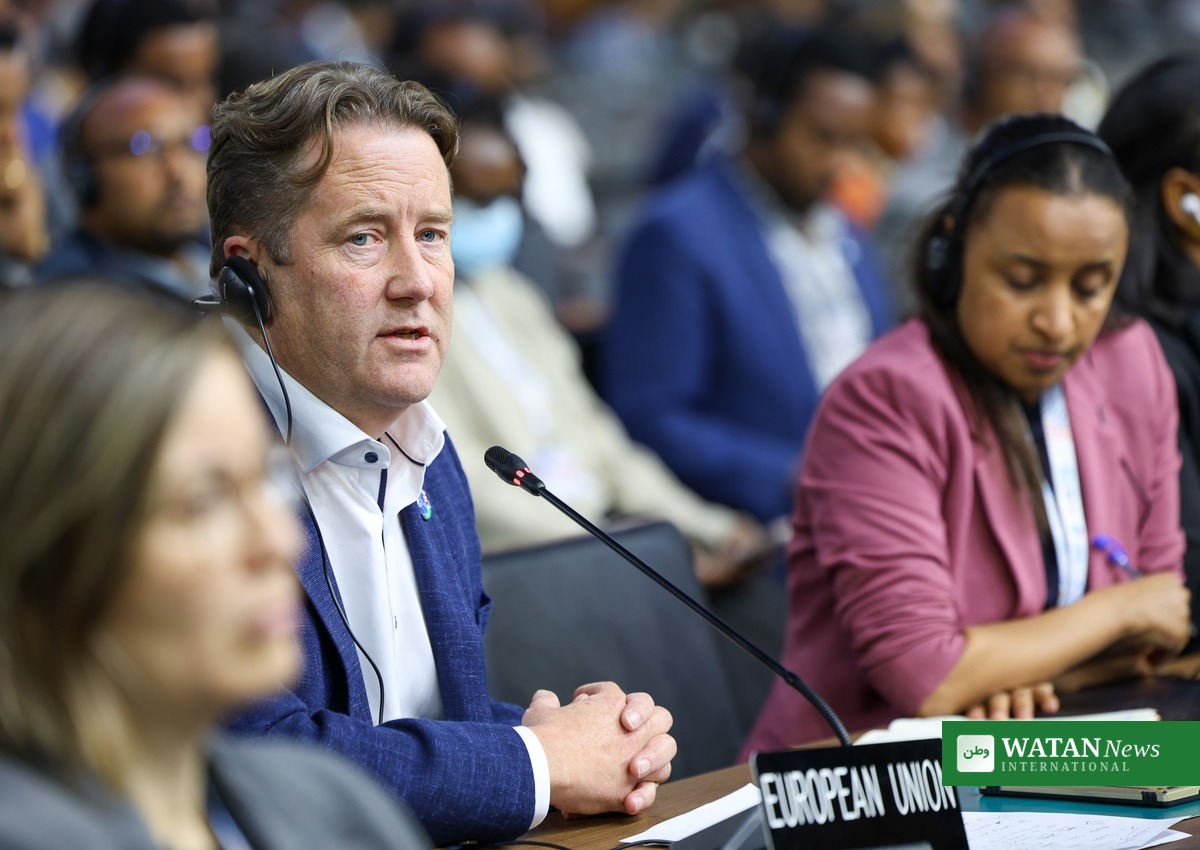
Panama also rejected the outcome, arguing that governments have a responsibility “not to negotiate the minimum threshold, but to act”. The Marshall Islands withheld its support, warning that accepting the text would amount to a betrayal of its people, and Vanuatu joined the rejection of what both countries described as false solutions. The Bahamas’ Prime Minister Philip Davis said small island states “produce less than 1% of global emissions, yet we carry the weight of a crisis we did not cause”, adding: “Antalya exhausted that patience.”
Not every delegation opposed the text. Pakistan urged delegates to keep working towards consensus, warning that climate action requires “bridges, not barriers”. Ghana, speaking for the African Group, acknowledged shortcomings in climate finance, loss and damage and the just transition, but said the group would not stand in the way of consensus. Saudi Arabia, speaking for the League of Arab States, defended references to carbon capture and storage in the text. According to reports from the talks, China and Pakistan were among the countries prepared to accept the proposed text, while Russia said it could not agree to any mention of fossil fuels.
COP31 President Murat Kurum, Türkiye’s environment minister, formally declared that there was no consensus: “I understand that there is no agreement on this text. For that reason, these decisions have not been adopted.” Closing the session at 7:33 pm on Sunday, he said: “I leave the deadlock of the negotiations to the judgement of the entire world and humanity.”
What survived the collapse
Despite the failure on the overarching pact, COP31 did deliver agreed outcomes. The UNFCCC said in its closing release on 23 November that parties agreed to continue the just transition work programme for three more years and to operationalise the just transition mechanism in a phased approach, with adoption expected at COP32.
On electrification, countries representing around half of the global economy pledged support for the goal of 35% electrification by 2035, up from 23% today. More than 90 countries signed the pledge, according to Australia’s climate minister Chris Bowen, who presided over the negotiations. The COP31 Electrification Delivery Package involves 150 countries, 37 cities and more than 260 businesses with over 4 trillion US dollars in annual revenue.
Parties also made progress on a significant number of the 165 agenda items, including on adaptation: work will advance on the 59 adaptation indicators agreed at COP30, with a dedicated task force to improve their measurement methods, and the Adaptation Fund will transition to serving the Paris Agreement exclusively. The second Global Stocktake — the Paris Agreement’s mechanism for assessing collective progress — was launched at COP31 and will conclude at COP33 in November 2028. Many countries also reaffirmed their commitment to submit their second Biennial Transparency Reports by 31 December 2026.
The road to Addis Ababa
Attention now turns to COP32 in Addis Ababa, Ethiopia, from 8 to 19 November 2027. Under the UNFCCC’s rules of procedure, the issues left undecided in Antalya carry over to the next session, so the fight over fossil-fuel language, adaptation finance and the mitigation work programme returns to the table in Ethiopia. Parties at COP31 also rejected draft decisions on the mitigation work programme, response measures and the Global Environment Facility, and the proposed Antalya–Addis Ababa roadmap on adaptation finance fell with the pact.
UN Climate Change Executive Secretary Simon Stiell told the closing plenary: “The world cannot afford a repeat of this moment.” Guterres urged campaigners, young people, Indigenous Peoples, scientists and frontline communities to keep pressing for action: “The climate crisis will not wait for governments to find common ground. Neither can we.”
For the full picture of what was agreed — and what was not — read our earlier report, COP31 Closed Without a Pact — but Carbon Markets, a New Stocktake and the Road to Addis Ababa Survived, and our look ahead at COP32 Heads to Addis Ababa as Ethiopia Sets Out Its Vision for 2027.
Conclusion
COP31 ended as the longest climate summit in history, but without the agreement it was called to deliver. The verdict from the UN chief, from the European Union and from the island states most exposed to rising seas was the same: a text that does not even mention fossil fuels cannot meet the moment. What was saved — the just transition, the electrification push and the adaptation work — now has to survive a year of preparation before COP32 in Addis Ababa, where the same questions return.
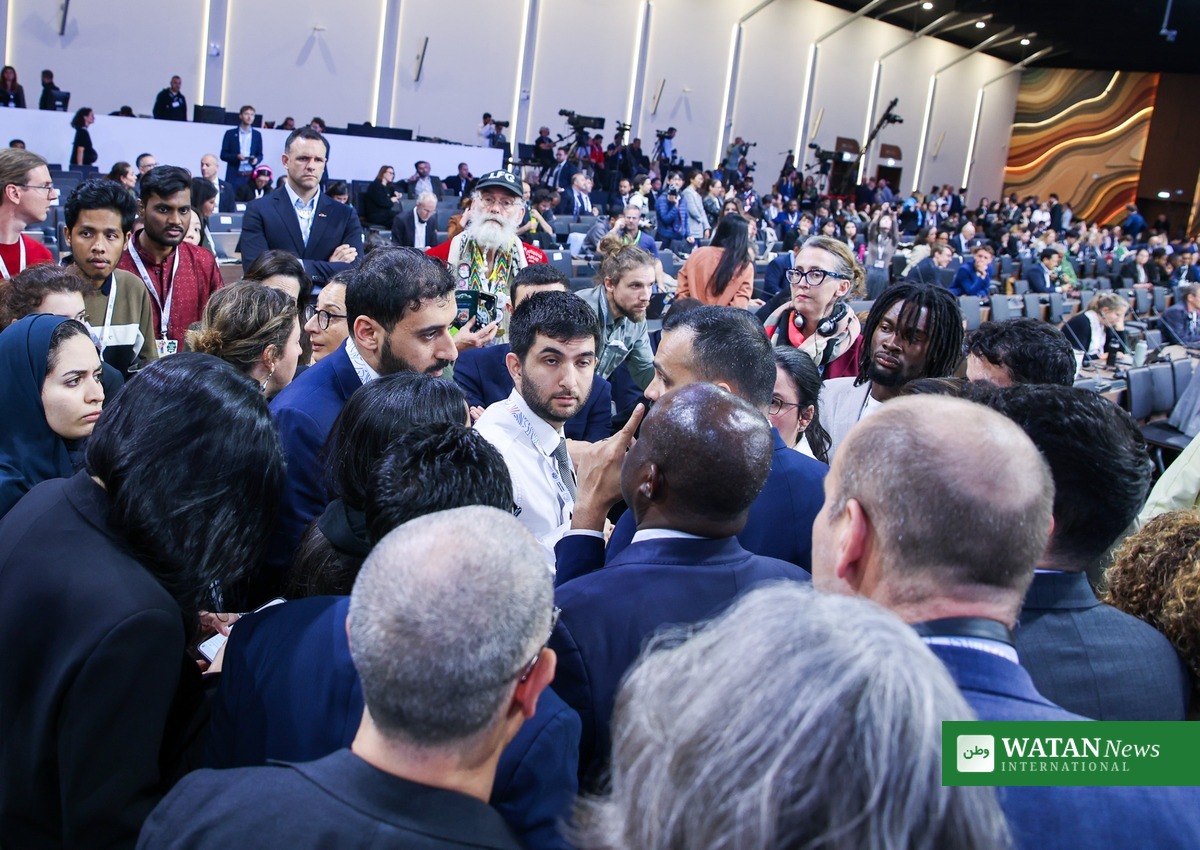
Featured image: delegates at the COP31 closing plenary in Antalya. Photo: IISD/ENB – Mike Muzurakis.
Frequently asked questions
What happened at COP31?
COP31, the UN climate summit held in Antalya, Türkiye, from 9 to 22 November 2026, ended without a final climate pact. After two weeks of talks and about two days of overtime, the proposed “Antalya Pact” was not adopted because several countries objected to it.
Why did COP31 fail to reach an agreement?
The main obstacle was fossil-fuel language. The final draft contained no mention of fossil fuels at all, and the EU, the UK, Panama, the Marshall Islands and Vanuatu were among those that refused to accept a text they said weakened previous commitments and ignored the science.
What did UN Secretary-General António Guterres say?
He said he was “deeply disappointed” that COP31 ended without consensus, warned that the world is on course to exceed the 1.5°C limit, and said: “There may be no consensus in the negotiating room. There is no ambiguity in the science.”
Did anything survive the collapse?
Yes. Parties agreed to continue the just transition work programme for three more years, countries representing around half of the global economy backed the 35% electrification target for 2035, work advanced on the 59 adaptation indicators, and the second Global Stocktake was launched.
When and where is COP32?
COP32 takes place in Addis Ababa, Ethiopia, from 8 to 19 November 2027. The issues left undecided at COP31, including fossil-fuel language and adaptation finance, carry over to that summit.
Author

usmanch0013@gmail.com
Related Posts

Houthis Attack Aramco’s Jazan Refinery, Saudi Coalition Says
- 0
- 628 words
Yemen's Houthis attacked Saudi Aramco's Jazan refinery on Thursday, the Saudi-led coalition said, a day after the group claimed a strike on...
Read out all
De fleste regeringer mangler en strategi for klimainformation, viser første globale kortlægning
- 0
- 1,455 word
Forum on Information and Democracy’s første globale kortlægning af 23 lande og EU finder, at de fleste regeringer ikke har nogen selvstændig...
Read out all
پہلی عالمی جانچ میں انکشاف: اکثر حکومتوں کے پاس موسمیاتی معلومات کی کوئی قومی حکمت عملی نہیں
ایف آئی ڈی کی پہلی عالمی جانچ میں 23 ممالک اور یورپی یونین کا جائزہ لیا گیا: اکثر حکومتوں کے پاس موسمیاتی...
Read out all
Most Governments Lack a Climate Information Strategy, First Global Mapping Finds
- 0
- 1,427 word
The Forum on Information and Democracy’s first global mapping of 23 countries and the EU finds most governments have no standalone strategy...
Read out all
Elektrisk hjem kan spare en typisk britisk husstand 1.200 pund om året
- 0
- 1,080 word
Ny analyse fra Storbritanniens Climate Change Committee viser, at en typisk husstand kan spare 1.200 pund om året ved at blive elektrisk...
Read out all
بجلی کی طرف منتقلی سے عام برطانوی گھرانا سالانہ 1,200 پاؤنڈ بچا سکتا ہے
برطانیہ کی موسمیاتی تبدیلی کمیٹی کے نئے تجزیے کے مطابق عام گھرانا بجلی کی طرف منتقلی سے سالانہ 1,200 پاؤنڈ بچا سکتا...
Read out all