- 0
- 893 words
ANTALYA: On Zero Waste Day at COP31, the United Nations Environment Programme (UNEP) and the Zero Waste Foundation are bringing the Food Waste Breakthrough to Antalya — a push to turn food-waste prevention into measurable methane cuts, with country champions reporting on their first year of progress.
The event, held on Wednesday, 11 November, is the centrepiece of the conference’s zero-waste programme. It asks a practical question: how can political commitments and growing public engagement be translated into concrete implementation — fewer bins sent to landfill, less food thrown away, and less methane warming the planet?
FAKTA
- What: Food Waste Breakthrough event at COP31, 11 November 2026, 10:30–11:30
- Where: Blue Zone, Special Event Room 1, Antalya Expo Center
- Organisers: UNEP and the Zero Waste Foundation
- Food loss and waste: generate 8–10 per cent of global greenhouse gas emissions
- Methane: food waste alone accounts for up to 14 per cent of global methane emissions; landfills and wastewater account for about 20 per cent of human-caused methane
- Scale: global food loss and waste exceed 1 billion tonnes a year
- COP31 target: halve the growth in global waste generation by 2035
Why food waste is a climate issue
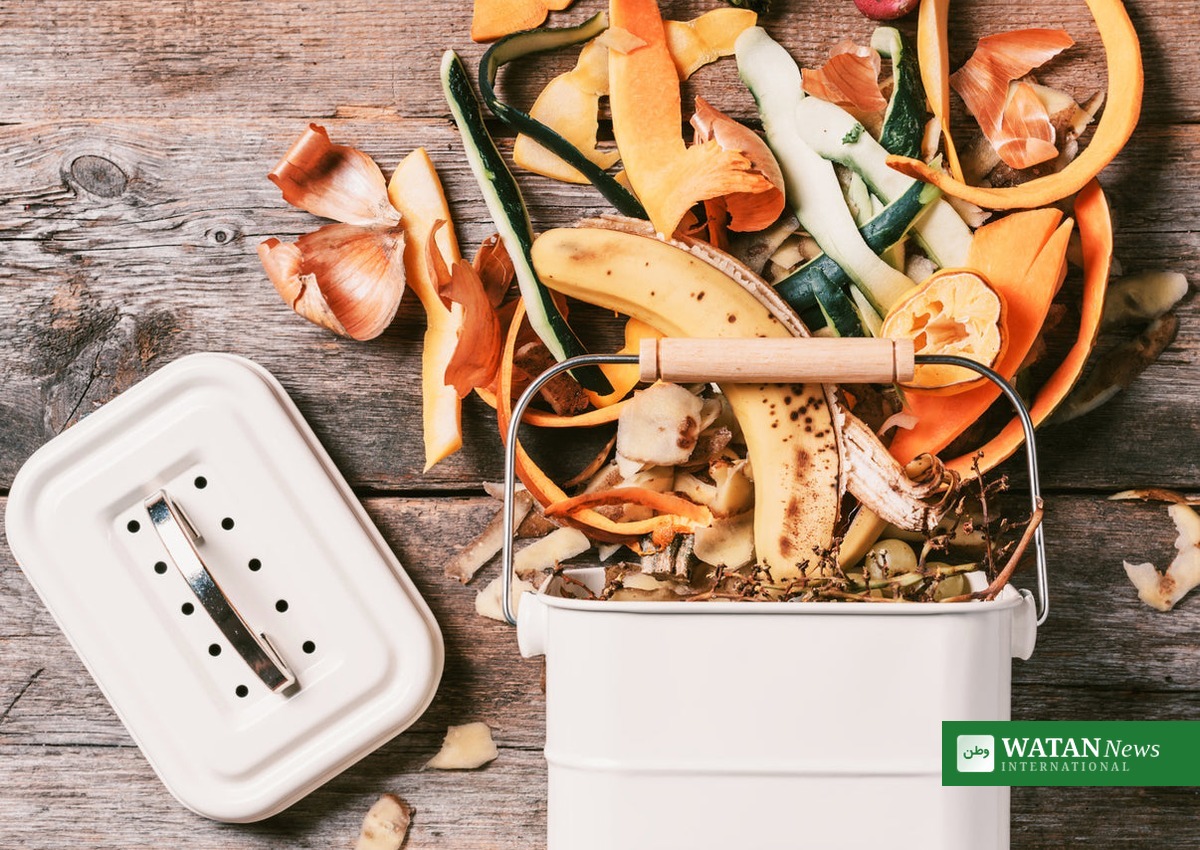
Food that is grown, transported and then thrown away carries a double climate cost. Producing it uses land, water and energy, and when it rots in a landfill it releases methane, a potent greenhouse gas. According to UNEP, food loss and waste generate 8–10 per cent of global greenhouse gas emissions, and food waste alone accounts for up to 14 per cent of global methane emissions. Landfills and wastewater together account for about 20 per cent of human-caused methane emissions.
The scale is enormous: more than 1 billion tonnes of food are lost or wasted every year. That is why the COP31 Presidency made zero waste one of its ten priority areas, and why Wednesday’s programme treats waste not as a side issue but as a central part of the climate agenda. Our earlier report on COP31’s Zero Waste Day set out how leaders planned to put waste, circularity and methane on the summit table.
What happens in Antalya today
The Food Waste Breakthrough session opens at a high level before three Country Champions share the progress made in their first year, along with the challenges and opportunities for cooperation on food-waste prevention, policy and methane mitigation. Three facilitated breakout discussions then take up food waste and cities, the role of food businesses, and climate action and limiting overshoot — giving participants the chance to share practical solutions, strengthen partnerships and mobilise finance.
Later in the day, the focus moves to the leaders themselves. A Leaders’ Roundtable on Zero Waste, Circularity and Methane runs from 16:00 to 17:30, opened by Emine Erdoğan. The International Energy Agency, a strategic partner of the COP31 Presidency, is also presenting analysis on waste and methane at the conference, including its Global Methane Tracker 2026 and a forthcoming special report on waste and methane.
From Antalya’s kitchens to the world
The host city is showing how the agenda works in practice. At a session in the Resilient Cities Hub, Antalya Metropolitan Municipality described how its soup kitchens handle food safety and waste management together: oil usage is regularly measured, and packaging waste is significantly reduced by serving food in metal containers. Food rescue — redirecting good food before it becomes waste — is becoming a practical sustainability tool for cities.
The same approach is reaching small businesses. On 9 November, a session organised with the Zero Waste Foundation, OSTİM and TÜDAM looked at the circular-economy transformation of small and medium enterprises, from carbon reporting to waste management, including a transformation model for 480 organised industrial zones across Türkiye.
The 2035 target
The Food Waste Breakthrough sits inside a bigger commitment. The COP31 Presidency’s Action Agenda aims to halve the growth in global annual municipal solid waste by 2035, by promoting waste prevention, reuse and repair at source. Zero waste, in the Presidency’s words, unlocks the climate potential of waste management through scalable circular-economy solutions.
Whether the day delivers depends on what follows the speeches: national policies that keep organic waste out of landfills, city programmes that rescue food, and businesses that measure and cut their waste. The champions reporting in Antalya today are the first test of whether that delivery has begun.
Frequently asked questions
What is the Food Waste Breakthrough?
It is a COP31 initiative, advanced by UNEP and the Zero Waste Foundation, that brings countries, cities and businesses together to turn food-waste prevention into measurable results, including lower methane emissions.
How much do food loss and waste contribute to climate change?
According to UNEP, food loss and waste generate 8–10 per cent of global greenhouse gas emissions, and food waste alone accounts for up to 14 per cent of global methane emissions.
What is the COP31 zero-waste target for 2035?
The Presidency’s Action Agenda aims to halve the growth in global annual municipal solid waste by 2035, through waste prevention, reuse and repair at source.
What happens at the Food Waste Breakthrough event in Antalya?
Three Country Champions share first-year progress, followed by breakout discussions on food waste and cities, the role of food businesses, and climate action and limiting overshoot.
What can cities and households do about food waste?
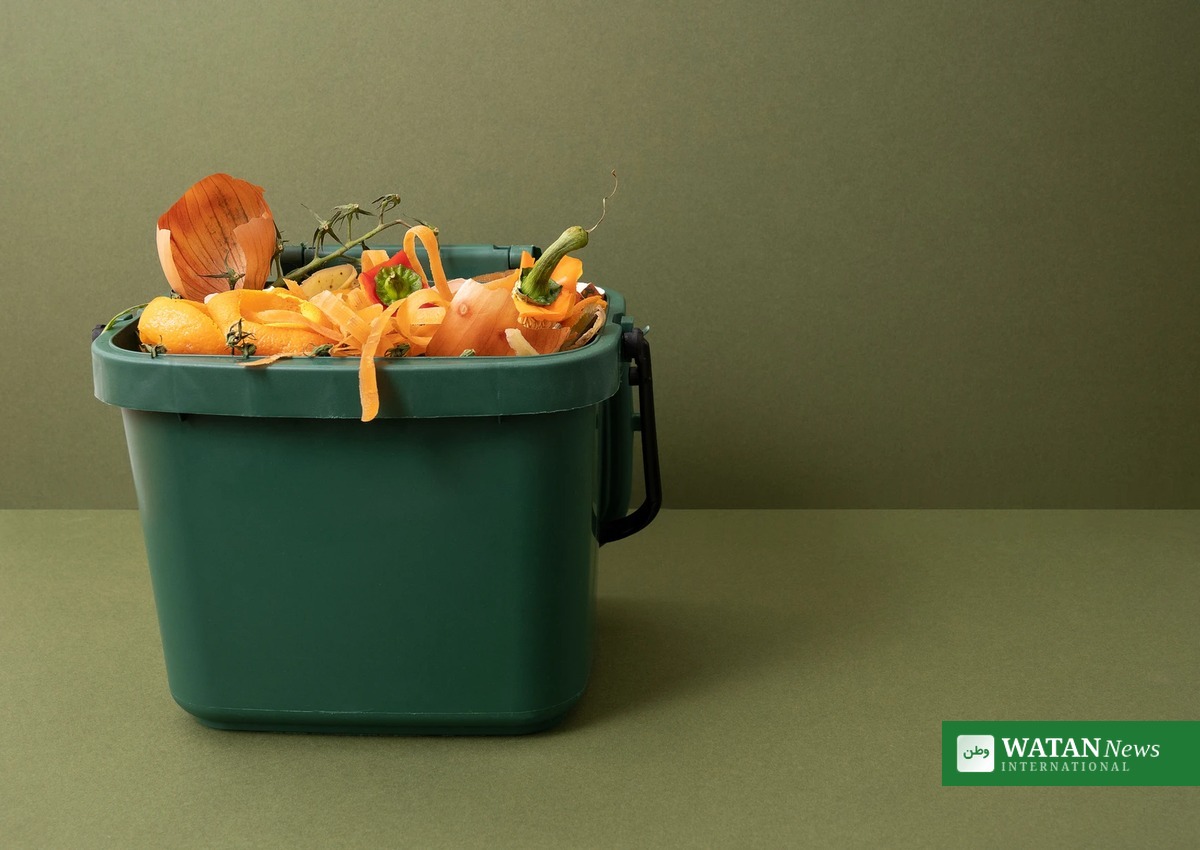
Cities can run food-rescue programmes and keep organic waste out of landfills, while households can plan meals, store food properly and compost scraps — steps that cut both waste and methane.
Author

usmanch0013@gmail.com
Related Posts
Anthropic Targets $1.4 Trillion Valuation in $90 Billion IPO Push
- 0
- 469 words
Anthropic has priced its IPO at $70-$78 a share, targeting a valuation of up to $1.4 trillion in a $90.4 billion fundraising...
Read out all
COP31-årbog: Klimachampioner rapporterer ti års handling med resultater
- 0
- 1,175 word
Årbogen for global klimahandling 2026, lanceret ved COP31 i Antalya, viser fremskridt på 44 globale indikatorer og rekordmange klimainitiativer — men advarer...
Read out all
کاپ31 سالنامہ: موسمیاتی چیمپئنز نے دس برس کی عالمی موسمیاتی کارروائی کی پیش رفت پیش کر دی
عالمی موسمیاتی کارروائی کا سالنامہ 2026 کاپ31 کے موقع پر انتالیہ میں جاری ہوا، جس میں 44 عالمی اشاریوں میں پیش رفت...
Read out all
COP31 Yearbook: Climate Champions Report a Decade of Action Delivering Results
- 0
- 1,173 word
The Yearbook of Global Climate Action 2026, launched at COP31 in Antalya, reports progress across 44 global indicators and record climate initiatives...
Read out all
PLA-Linked Chinese University Bought Nvidia H200 Chips Despite US Blacklist, Records Show
- 0
- 832 words
Northwestern Polytechnical University, a Chinese university with deep ties to the People's Liberation Army, bought two Nvidia H200 AI chips for $123,000...
Read out all
Kulturarv tager scenen ved COP31, da ICOMOS åbner seks dages konference i Antalya
- 0
- 1,109 word
ICOMOS har åbnet en seks dages konference om kulturarv og klimaindsats ved COP31 i Antalya og opfordrer regeringer til at sætte kulturarv...
Read out all