- 0
- 1,161 word
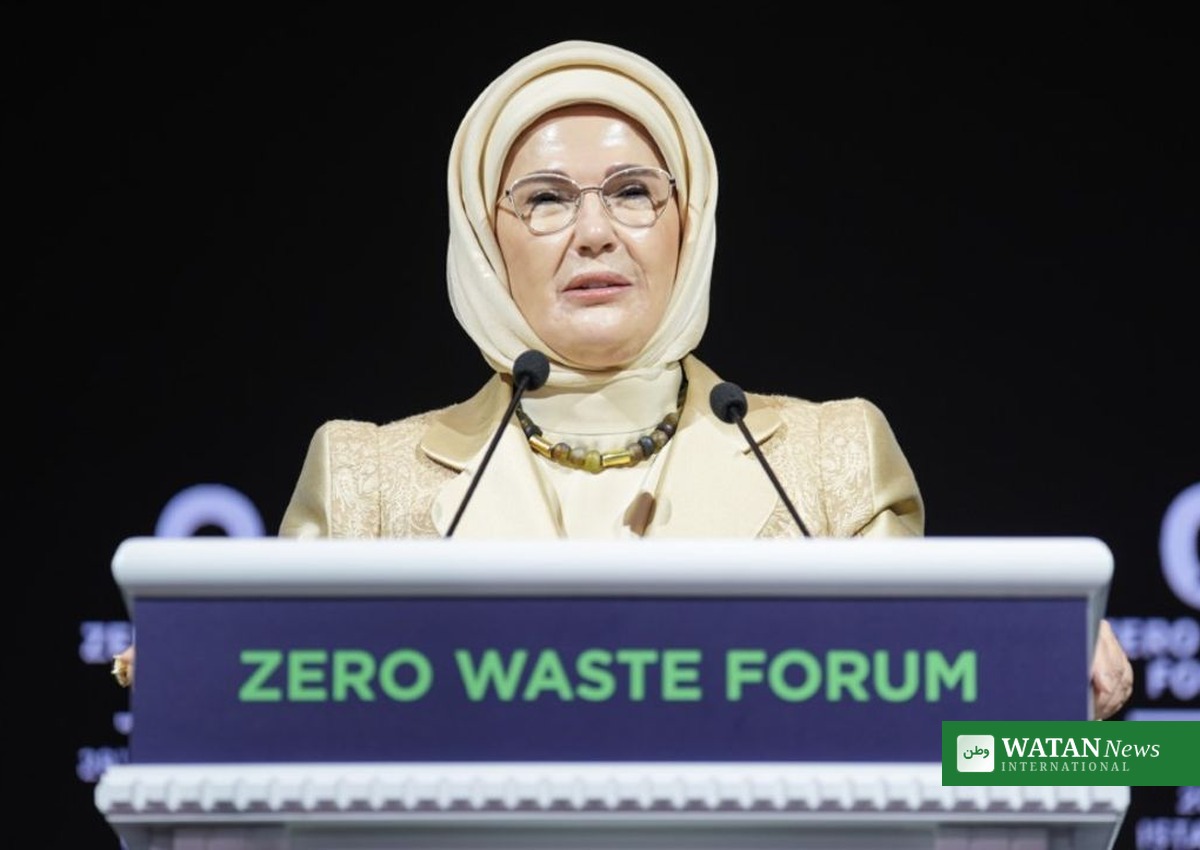
At COP31 in Antalya, a new global platform aims to take sustainable living out of conference halls and into everyday life. Türkiye’s First Lady Emine Erdoğan presented the Global Zero Waste Alliance on 11 November 2026, at a high-level meeting of first ladies and spouses of heads of state and government held during the climate summit.
Key facts
- Launched 11 November 2026: the Global Zero Waste Alliance was presented at COP31 in Antalya, Türkiye, at a high-level meeting hosted by Emine Erdoğan.
- Five priority areas: zero waste and the circular economy; plastic and packaging waste; zero-waste zones; food and organic waste; and education and youth.
- Three working structures: an annual Zero Waste Forum, the Istanbul Platform, and the Alliance itself.
- Türkiye’s example: the country’s recycling rate rose from 13 per cent in 2017 to more than 37 per cent over nine years of its Zero Waste Movement, according to Erdoğan.
- COP31 target: the presidency aims to halve the growth in global waste by 2035 and raise the circular material use rate to at least 15 per cent.
What the new alliance will do
Erdoğan said the Alliance represents a determination to turn shared responsibility into lasting cooperation. Countries will be able to share successful practices, develop joint projects and scale up local solutions, she said. International organisations, local authorities, academia, business and civil society are invited to take part, and she asked the first ladies present to become active participants in the initiative.
The meeting brought together spouses of leaders attending the COP31 Leaders’ Summit, including Leyla Aliyeva, Vice-President of the Heydar Aliyev Foundation, who took part in the session in Antalya. Erdoğan told the meeting that COP31 had brought together more than 100,000 participants from 195 countries, including more than 100 world leaders.
The five priority areas were chosen to cover daily life as well as industry: the circular economy, plastic and packaging waste, zero-waste zones in cities and communities, food and organic waste, and education and youth.
Three structures to turn promises into projects
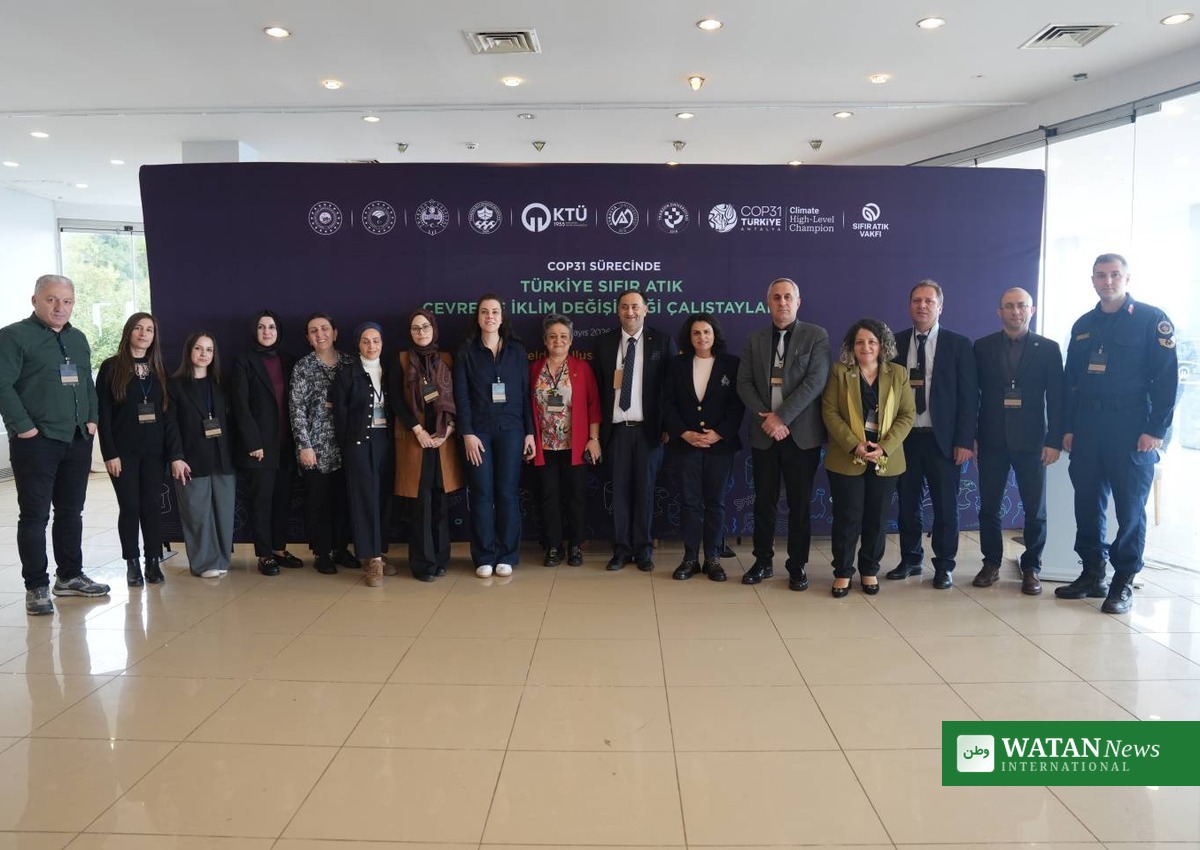
The Alliance will operate through three structures. The annual Zero Waste Forum will discuss priorities, the Istanbul Platform will turn proposals into concrete projects, and the Alliance itself will expand the network’s geographic reach and build new partnerships between countries.
The Istanbul Platform grew out of the Global Zero Waste Forum held in Istanbul in June 2026, which brought together more than 5,000 participants from 183 countries. Its call to action positions zero waste and circularity as central pillars of climate action under the COP31 agenda.
Nine years of zero waste in Türkiye
Erdoğan presented nine years of results from Türkiye’s Zero Waste Movement, which began in 2017. The recycling rate rose from 13 per cent to more than 37 per cent, she said, and awareness of waste has become part of everyday life. She named the main problem not a lack of knowledge but the determination to apply it in practice — which is why Türkiye calls COP31 a conference of action.
She also called for success to be measured not only by recycling but by preventing waste in the first place, and proposed common standards for transparency in resource consumption by large companies, with independent assessment of their environmental impact. “The responsibility of companies operating globally should also be global,” she said.
Her speech included figures for individual sectors: the fashion and textile industry generates 92 million tonnes of waste per year, she said, while the tobacco industry causes the loss of 600 million trees every year and consumes 22 billion tonnes of water, citing the World Health Organization.
What it means for daily life
The Alliance’s priorities map directly onto household routines: zero-waste zones for neighbourhoods and cities, food and organic waste from kitchens, plastic and packaging from shopping, and education that reaches children and young people. That is the sustainable-living test of COP31 — whether the summit’s decisions change what people buy, throw away, repair and reuse.
The scale of the problem is large. According to the Circularity Gap Report 2025, only 6.9 per cent of the materials used in the global economy come from secondary sources, while roughly 70 per cent of greenhouse gas emissions are linked to the extraction, processing and use of materials. Annual material consumption exceeds 106 billion tonnes. The waste sector is responsible for roughly 20 per cent of human-caused methane emissions, a gas that traps far more heat than carbon dioxide over the short term.
The COP31 presidency’s answer is its waste target: halve the projected growth in global waste by 2035 and raise the circular material use rate to at least 15 per cent. On the summit’s opening day, the COP31 High-Level Champion also launched the #OneBillion Challenge, aiming to mobilise households, businesses and cities to cut food waste.
COP31 puts daily life on the agenda
COP31 is the first climate summit to put individual behaviour and consumer choices so firmly at the centre, alongside its goals on electrification and resilient cities. The presidency’s three headline goals — raising electricity’s share of final energy use to 35 per cent by 2035, halving waste growth, and cutting the energy intensity of buildings by at least 25 per cent — all reach directly into transport, consumption and housing. COP31 Zero Waste Day: Leaders Pitch Sustainable Living as Cheaper Living in Antalya
The Alliance will be judged on implementation: whether zero-waste zones appear in real cities, whether food waste falls, and whether companies face the common transparency standards Erdoğan proposed. COP31 runs in Antalya until 20 November.
FAQs
What is the Global Zero Waste Alliance?
It is a new global cooperation platform presented at COP31 in Antalya on 11 November 2026. Hosted by Türkiye’s First Lady Emine Erdoğan, it brings countries, cities, businesses and civil society together to share zero-waste practices, develop joint projects and scale up local solutions.
What are its five priority areas?
Zero waste and the circular economy; plastic and packaging waste; zero-waste zones; food and organic waste; and education and youth. The areas were chosen to cover both industry and everyday life.
How is the Alliance different from the Zero Waste Foundation?
The Zero Waste Foundation is the Turkish organisation behind the Zero Waste Movement and the COP31 High-Level Champion’s work. The Alliance is the wider global platform that countries and partners join; it works through the annual Zero Waste Forum, the Istanbul Platform and the Alliance itself.
What does it mean for ordinary households?
Its priorities touch daily routines directly: less packaging when shopping, food waste and composting at home, repair and reuse instead of throwing things away, and zero-waste zones in neighbourhoods and schools. Türkiye’s own example shows recycling rising from 13 per cent to more than 37 per cent in nine years.
What are COP31’s waste targets?
The COP31 presidency aims to halve the projected growth in global waste generation by 2035 and raise the global circular material use rate to at least 15 per cent, from 6.9 per cent today. The waste sector causes roughly 20 per cent of human-caused methane emissions.
Author

usmanch0013@gmail.com
Related Posts
کاپ31 میں عالمی صفر فضلہ اتحاد کا آغاز، پائیدار طرز زندگی اب گھروں تک پہنچے گی
انطالیہ میں کاپ31 کے موقع پر ترکیہ کی خاتون اول ایمینے اردوان نے عالمی صفر فضلہ اتحاد پیش کیا، جس کے پانچ...
Read out all
COP31 lancerer Global Zero Waste Alliance for bæredygtig livsstil i hverdagen
- 0
- 1,117 word
Ved COP31 i Antalya præsenterede Tyrkiets førstedame Emine Erdoğan den nye Global Zero Waste Alliance med fem prioritetsområder, der skal bringe zero...
Read out all
Meloni Urges Unity as Hoax Bomb Threats Disrupt Italian Schools Again
- 0
- 478 words
Italian Prime Minister Giorgia Meloni has appealed for political unity after hoax bomb threats hit schools across Italy for a second day,...
Read out all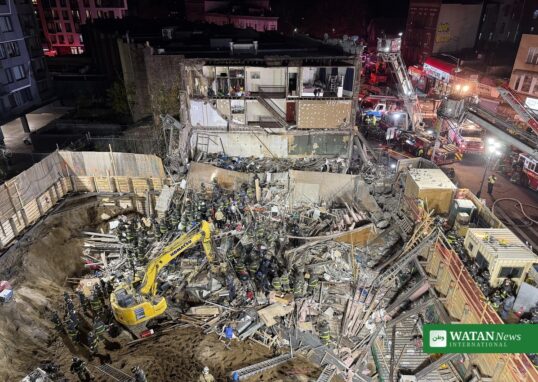
Eight Killed in Brooklyn Building Collapse as Rescuers Search Rubble
- 0
- 840 words
Eight people have died and at least 17 were injured after a three-story building in Brooklyn collapsed into a neighbouring construction site,...
Read out all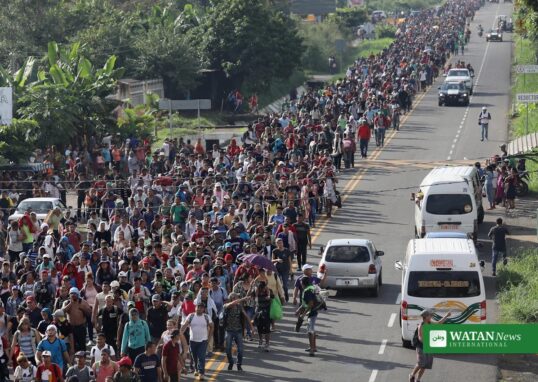
Trump Warns Mexico of Doubled Tariffs Unless Migrant Caravan Is Stopped
- 0
- 467 words
President Donald Trump has warned Mexico that tariffs on its goods will be doubled immediately unless it stops a migrant caravan of...
Read out all
Manchester United Sack Michael Carrick as Pochettino Move Nears
- 0
- 679 words
Manchester United have confirmed the sacking of head coach Michael Carrick, with the club 18th in the Premier League after their worst...
Read out all