- 0
- 1,079 word
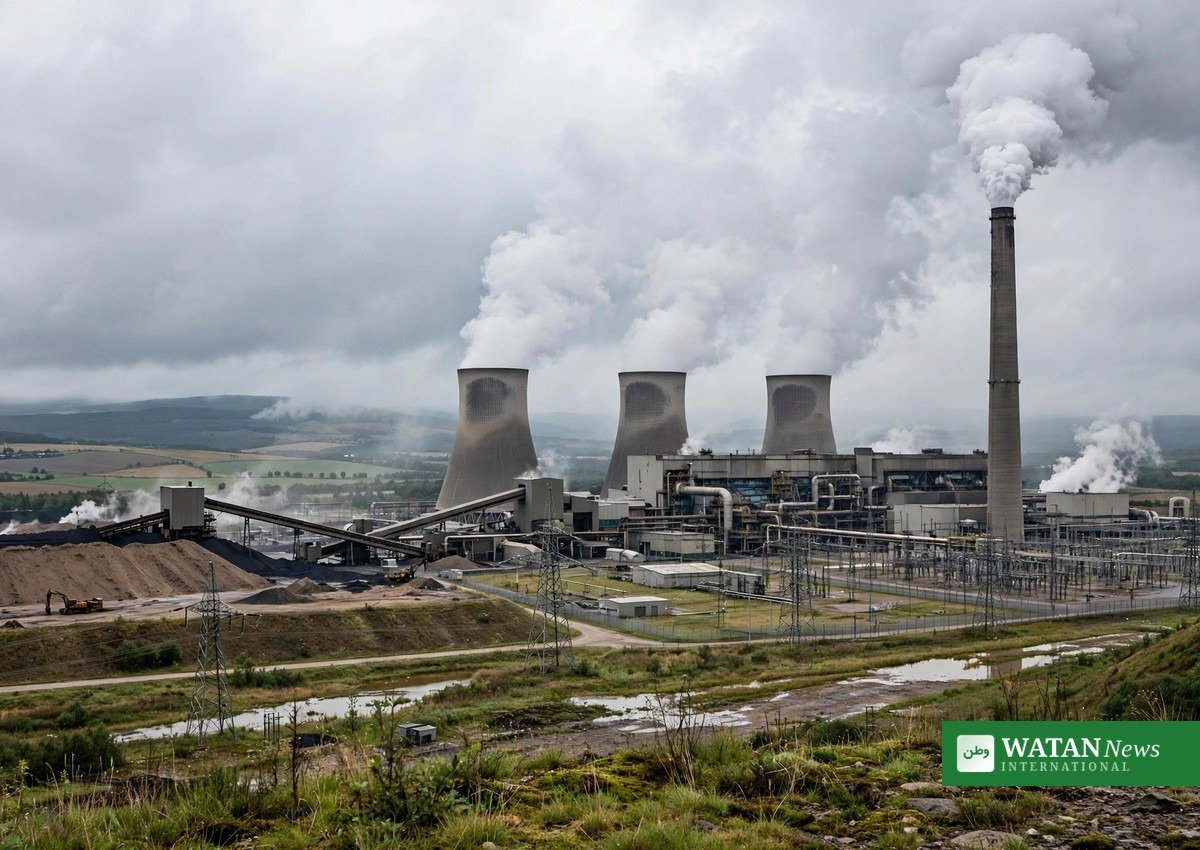
Two weeks before the COP31 climate talks open in Antalya, the two countries leading the summit face questions about their own coal plans. A new analysis by German nonprofit Urgewald says Türkiye, which hosts the conference, and Australia, which will lead the negotiations, are both pursuing new coal projects — even as they prepare to steer the world’s climate agenda.
The findings come from the 2026 update of Urgewald’s Global Coal Exit List (GCEL), a database covering more than 2,700 coal industry parent companies and subsidiaries, released on 20 October 2026. Eco-Business reported the COP31 findings on 26 October 2026.
COP31, the 31st session of the UN Framework Convention on Climate Change, runs from 9 to 20 November 2026 in Antalya. Türkiye holds the presidency under Environment, Urbanization and Climate Change Minister Murat Kurum, while Australia’s Climate Change and Energy Minister Chris Bowen serves as President of Negotiations.
What the Global Coal Exit List shows
According to Urgewald, 257 new coal projects were announced worldwide over the past year, while 76 planned projects were shelved or cancelled in 2025. The pipeline of coal mining, power, chemicals and infrastructure projects has grown to 1,510.
Globally, 335 companies are planning 606 coal-fired power projects with combined capacity above 740 gigawatts — about four times the size of the current United States coal power fleet. China and India dominate: Chinese companies account for 70 per cent of the global coal power pipeline and Indian companies 18 per cent, while the remaining 12 per cent is spread across 33 countries, including Türkiye. Together, China and India account for 88 per cent of planned coal-fired power capacity.
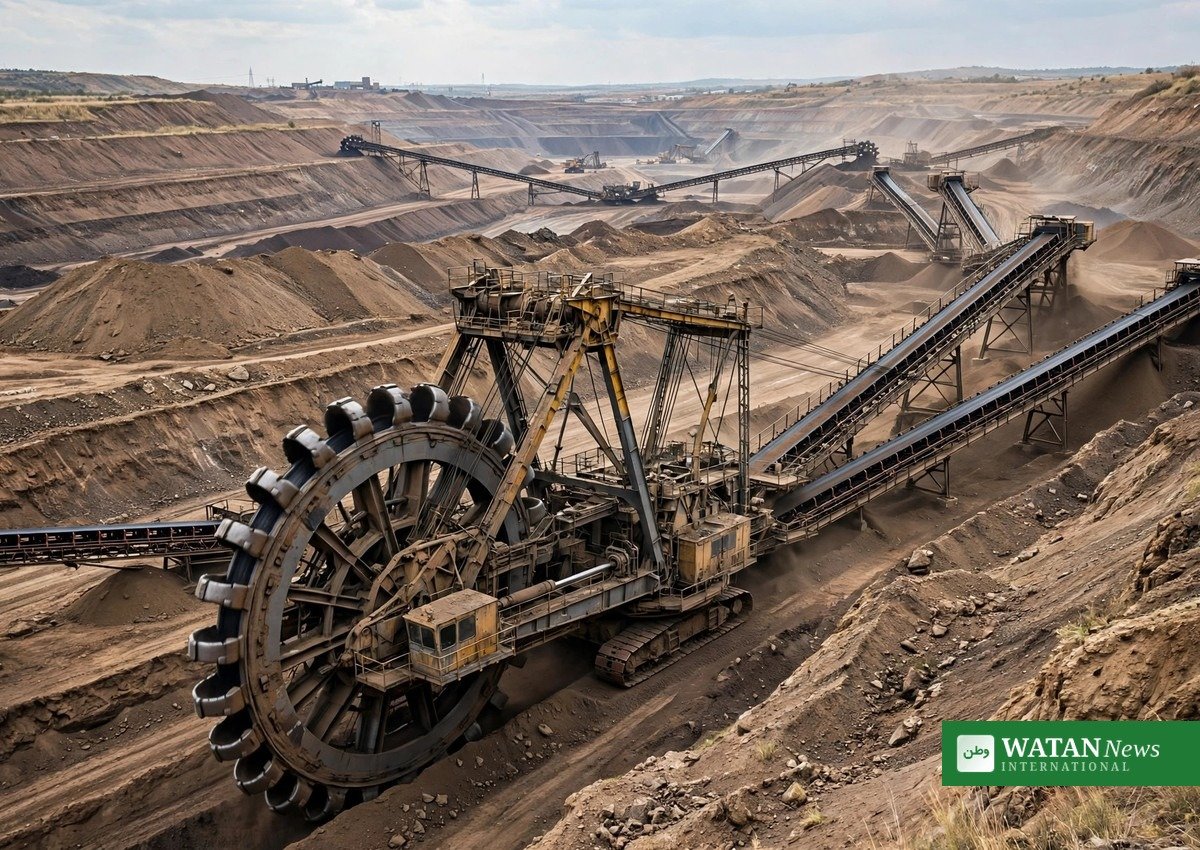
On mining, 357 companies are opening or expanding thermal coal mines across 39 countries, with planned capacity of at least 3.27 billion tonnes a year — equivalent to 41 per cent of current global thermal coal output.
COP31 coal expansion in Türkiye
Türkiye’s coal ambitions include a proposed 688-megawatt expansion of the Afşin-Elbistan A lignite-fired power station in Kahramanmaraş, according to the report. The country’s environment ministry, led by Kurum, is appealing a court ruling that overturned the environmental impact assessment for new units at the plant.
A subsidiary of Cengiz Holding, Cenal Elektrik, has also proposed a 1,050-megawatt expansion in Çanakkale, which has drawn community opposition over pollution and dependence on imported coal, the report says.
Urgewald’s data puts coal at 34 per cent of Türkiye’s electricity generation in 2025, compared with 22 per cent from wind and solar combined. The group also cites more than €2.4 billion in annual coal subsidies in Türkiye.
The Turkish presidency’s action agenda, released in August, centres on electrification, renewable energy, efficiency and power-sector decarbonisation — most notably lifting electricity’s share of final energy consumption to 35 per cent by 2035. The agenda contains no explicit pledge to phase out or phase down fossil fuels, Eco-Business reported.
Australia’s mine pipeline
Australia has the world’s third-largest pipeline of thermal coal mining projects, with 49 proposed mines or extensions, including 20 greenfield developments, according to Urgewald. It is also the world’s second-largest coal exporter.
Among the projects is the Hunter Valley Operations Continuation Project, which received New South Wales approval on 30 September. The Yancoal Australia–Glencore joint venture would extend mining until as late as 2045 and allow about 429 million tonnes of coal to be extracted. Federal approval is still required.
Although Australia backed a fossil fuel transition roadmap at COP30, it remains among the few OECD countries without a coal phase-out date, Urgewald said.
Why the hosts’ record matters in Antalya
Urgewald’s director, Heffa Schücking, said the two hosts’ coal plans raise questions about their credibility in steering the talks. “Neither Türkiye nor Australia are credible advocates for decisive climate action as long as they don’t practice at home what they preach on the world stage,” she told Eco-Business.
At COP26 in Glasgow in 2021, countries agreed for the first time to accelerate efforts towards the phasedown of unabated coal power and the phase-out of inefficient fossil fuel subsidies. Urgewald argues that continued coal expansion runs counter to that commitment.
Previous summit hosts have faced similar scrutiny: COP30 host Brazil was criticised for approving exploratory oil drilling off the Amazon coast, COP29 host Azerbaijan faced a backlash over gas expansion plans, and COP28 host the United Arab Emirates faced criticism over oil and gas expansion plans and the appointment of an oil-company chief executive as summit president.
For background on Türkiye’s COP31 plans, see the earlier Watan News report on COP31 energy diplomacy and implementation.
Key facts
- COP31: Antalya, Türkiye, 9–20 November 2026; presidency Türkiye (Murat Kurum), negotiations led by Australia (Chris Bowen).
- Urgewald GCEL 2026: 257 new coal projects announced in the past year; 76 shelved or cancelled in 2025; pipeline of 1,510 projects.
- 606 planned coal power projects totalling over 740 GW; China 70% and India 18% of the pipeline.
- Türkiye: 688 MW Afşin-Elbistan A expansion proposed; coal 34% of electricity in 2025; wind and solar 22% combined.
- Australia: 49 thermal coal projects in the pipeline, including 20 greenfield; Hunter Valley Operations would extract about 429 million tonnes.
Conclusion
The Antalya talks are billed as an implementation conference — a test of whether existing climate pledges become real projects. The Urgewald findings add a second test, closer to home for the hosts: whether the countries chairing the negotiations are themselves moving away from coal. The answer, the data suggests, will shape how the outcomes of COP31 are judged.
Frequently Asked Questions
Q: What is the Global Coal Exit List?
A: It is Urgewald’s public database of companies across the thermal coal value chain, covering more than 2,700 parent companies and subsidiaries. According to Urgewald, 717 financial institutions use it to monitor and restrict financing for the thermal coal industry.
Q: When is COP31 and who leads it?
A: COP31 runs from 9 to 20 November 2026 in Antalya, Türkiye. Türkiye holds the presidency, led by Murat Kurum, and Australia’s Chris Bowen serves as President of Negotiations.
Q: What coal projects does the report highlight in Türkiye?
A: A proposed 688-megawatt expansion of the Afşin-Elbistan A lignite plant and a proposed 1,050-megawatt expansion in Çanakkale by Cenal Elektrik.
Q: What does the report say about Australia?
A: Australia has 49 proposed thermal coal mines or extensions, the world’s third-largest pipeline, including 20 greenfield projects. The Hunter Valley Operations project, approved at state level on 30 September, still needs federal approval.
Q: What did countries agree on coal at COP26?
A: At COP26 in Glasgow in 2021, countries agreed for the first time to accelerate efforts towards the phasedown of unabated coal power and the phase-out of inefficient fossil fuel subsidies.
Author

usmanch0013@gmail.com
Related Posts

Manchester United Beaten 3-0 by Bournemouth as Pressure Mounts on Carrick
- 0
- 620 words
Manchester United lost 3-0 to Bournemouth at Old Trafford on 25 October 2026, with goals from Rayan, Marcus Tavernier and Evanilson leaving...
Read out all
EU genanvendte 42,4 % af plastemballagen i 2024, viser Eurostat
- 0
- 649 words
EU genanvendte 42,4 % af sit plastemballageaffald i 2024, viser Eurostat-tal offentliggjort den 22. oktober 2026 — men affaldsproduktionen vokser stadig hurtigere...
Read out all
یورپی یونین نے 2024 میں پلاسٹک پیکیجنگ کا 42.4 فیصد ری سائیکل کیا
یوروسٹیٹ کے 22 اکتوبر 2026 کو شائع کردہ اعداد کے مطابق یورپی یونین نے 2024 میں پلاسٹک پیکیجنگ فضلے کا 42.4 فیصد...
Read out all
EU Recycled 42.4% of Plastic Packaging in 2024, Eurostat Reports
- 0
- 708 words
The EU recycled 42.4% of its plastic packaging waste in 2024, Eurostat figures published on 22 October 2026 show — but waste...
Read out all
COP31-værter Türkiye og Australien møder kulkritik før Antalya
- 0
- 1,061 word
Urgewald's Global Coal Exit List 2026 viser, at COP31-værterne Türkiye og Australien forfølger nye kulprojekter få uger før klimaforhandlingerne i Antalya åbner...
Read out all
کاپ31 سے پہلے ترکیہ اور آسٹریلیا کے کوئلہ منصوبوں پر سوالات
ارگیوالڈ کی گلوبل کول ایگزٹ لسٹ 2026 کے مطابق کاپ31 کے میزبان ترکیہ اور آسٹریلیا انطالیہ مذاکرات سے چند ہفتے قبل نئے...
Read out all