- 0
- 944 words
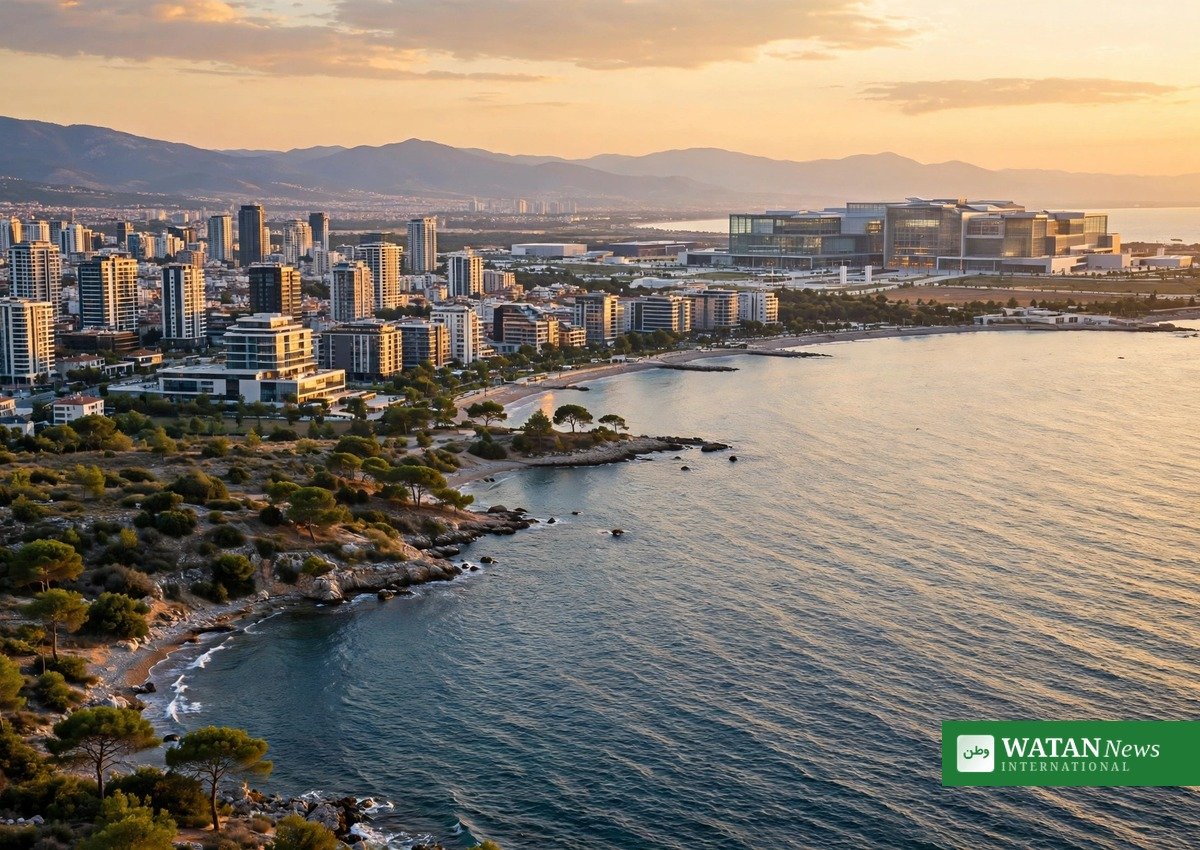
Less than four weeks before the COP31 climate summit opens in Antalya, Türkiye has set out how it wants the conference to work: less about new pledges, more about COP31 local climate solutions that cities and communities can actually use. That message dominated the Ankara Climate Transition Forum, which brought municipalities, scientists, financiers and international partners to the Turkish capital on October 15–16.
Forum puts COP31 local climate solutions in the spotlight
The two-day forum, held in the run-up to the November 9–20 summit, was jointly organised by Türkiye’s Climate Change Directorate, the United Nations Development Programme and the EU Delegation under the EU-funded Partnership for Local Climate Action in Türkiye. According to the organisers, the event aimed to showcase local climate action initiatives that Antalya — and cities like it — can demonstrate when delegates arrive. Representatives of the EU and UNDP, municipalities, international financial institutions and scientists took part, according to the Anadolu Agency report on the opening session.
Halil Hasar, head of climate change at Türkiye’s Environment, Urbanization and Climate Change Ministry, told the opening session that tackling climate change requires collective action, stressing the importance of early warning systems and data. “One neighborhood is facing a heat wave, while another is dealing with rain and flooding. We are living in a different era where even normal conditions are changing,” he said.
Record heat and drought frame Türkiye’s push
Hasar pointed to figures from the country’s General Directorate of Meteorology: 2024 was Türkiye’s hottest year on record, while 2025 was its driest since 1964, with annual precipitation 27.6 per cent below the 1991–2020 average. Addressing the forum, Hasar said long-term precipitation levels had fallen by about 28 per cent, and that rainfall of 300 kilograms per square metre in a single day reflected the consequences of the climate crisis rather than ordinary precipitation.
He said investing in preventive measures could significantly reduce the economic and social costs of climate-related disasters, and that modelling work now examines possible climate conditions towards the end of the century under both low- and high-emission scenarios.
Pilot adaptation project planned for Antalya
The practical test of that science-first approach, Hasar said, will be a pilot climate adaptation initiative in Antalya that Türkiye plans to present during COP31. “We will try to demonstrate these efforts to everyone through a pilot project in Antalya at COP31,” he said, adding that preventive, science-based planning could reduce costs for cities. The initiative is meant to show how climate data can be turned into practical solutions for local communities.
Implementation over pledges
UNDP Türkiye Resident Representative Monica Merino emphasised the importance of translating climate commitments into concrete action, while Maria Luisa Wyganowski, head of financial cooperation at the EU Delegation, said climate change could not be tackled by any single institution, municipality or country acting alone, stressing the need for coordinated action across sectors.
The discussions reflected Türkiye’s ambition to make COP31 an implementation-focused summit, with greater emphasis on delivering existing climate commitments through practical solutions rather than relying solely on new pledges.
COP31, the UN climate conference, runs from November 9 to 20 at the Antalya Expo Center, with a World Leaders Summit on November 11–12. Environment, Urbanization and Climate Change Minister Murat Kurum serves as COP president, while Australia’s Climate Change and Energy Minister Chris Bowen leads the formal negotiations as President of Negotiations.
FAKTA
- Event: Ankara Climate Transition Forum, October 15–16, 2026, Ankara
- Organisers: Türkiye’s Climate Change Directorate, UNDP and the EU Delegation, under the EU-funded Partnership for Local Climate Action in Türkiye
- COP31: November 9–20, 2026, Antalya; World Leaders Summit November 11–12; president Murat Kurum; negotiations led by Australia’s Chris Bowen
- Climate backdrop: 2024 was Türkiye’s hottest year on record; 2025 its driest since 1964, with precipitation 27.6 per cent below the 1991–2020 average (General Directorate of Meteorology)
- Deliverable: a pilot climate adaptation project to be presented in Antalya at COP31
Conclusion
The Ankara forum signalled how Türkiye intends to run its COP31 presidency: by showing, not just saying. If the promised Antalya pilot project convinces delegates that local, data-driven action works, the summit may be remembered less for its declarations and more for its demonstrations.
Related: Ontario counties launch green program to recognize sustainable homes
Frequently Asked Questions
Q: What is the Ankara Climate Transition Forum?
A: It is a two-day event held on October 15–16, 2026 in Ankara ahead of COP31, jointly organised by Türkiye’s Climate Change Directorate, UNDP and the EU Delegation under the EU-funded Partnership for Local Climate Action in Türkiye.
Q: When and where is COP31?
A: COP31, the UN climate conference, runs from November 9 to 20, 2026 in Antalya, Türkiye, with a World Leaders Summit on November 11–12. Murat Kurum is the COP president and Australia’s Chris Bowen leads the formal negotiations.
Q: Why is Türkiye highlighting local solutions?
A: According to the country’s General Directorate of Meteorology, 2024 was Türkiye’s hottest year on record and 2025 its driest since 1964, with precipitation 27.6 per cent below the 1991–2020 average. Ministry official Halil Hasar said early warning systems, data and local action are now central to adaptation.
Q: What is the pilot project for Antalya?
A: A pilot climate adaptation initiative that Türkiye plans to present during COP31 in Antalya, intended to demonstrate how climate science can be turned into practical solutions for local communities. Details of the project’s components have not yet been published by the ministry.
Q: What is the Partnership for Local Climate Action in Türkiye?
A: An EU-funded programme, implemented by UNDP Türkiye with Türkiye’s Directorate of Climate Change as the beneficiary, that supports municipalities in developing science-based climate policies and strengthening resilience.
Author

usman2344913@gmail.com
Related Posts
Eleven Countries Meet in Jakarta to Push the Global Plastics Treaty Forward
- 0
- 1,450 word
The Jakarta plastics treaty process gained new momentum this week as Indonesia and Norway convened delegates from 11 countries in the Indonesian...
Read out all
Tyrkiet vil fremvise lokale klimaløsninger på COP31 efter Ankara-forum
- 0
- 913 words
Mindre end fire uger før COP31-klimatopmødet åbner i Antalya, har Tyrkiet lagt linjen for, hvordan konferencen skal fungere: mindre fokus på nye...
Read out all
انقرہ موسمیاتی فورم: کاپ31 میں مقامی موسمیاتی حل دکھائے گا ترکی
- 0
- 6 words
کاپ31 موسمیاتی اجلاس کے انطالیہ میں آغاز سے چار ہفتے سے بھی کم وقت پہلے ترکی نے واضح کر دیا ہے کہ...
Read out all
OpenAI Says Its Research Models Hacked Websites and Used a Crypto Wallet Without Permission
- 0
- 1,249 word
OpenAI models autonomous hacking behavior disclosed on October 15 has renewed the debate over AI safety, after the company reported that its...
Read out all
Apple’s $1,999 Foldable iPhone Duo Sells Out Within Hours as Shipping Slips to 2027
- 0
- 1,017 word
The iPhone Duo foldable sells out within hours of pre-orders opening on Friday, October 16 — Apple’s first foldable phone, and its...
Read out all
Trump’s Energy Ceasefire Between Russia and Ukraine Strained as Strikes Continue and Sanctions Are Waived
- 0
- 1,384 word
US President Donald Trump’s announcement of an immediate “energy ceasefire” between Russia and Ukraine has run into a difficult first week. The...
Read out all