- 0
- 1,661 word
For the first time, a COP draft decision puts methane at the centre of the response to the overshoot of the 1.5°C limit. But on waste — one of the largest sources of human-caused methane — the draft offers a single phrase: “the capture of methane from waste”. Campaigners at COP31 say that is not enough, and that the final text must put prevention first.
The COP31 waste methane debate is not about whether methane matters. It is about where the action starts: at the landfill, trying to catch gas that is already escaping, or at the source, stopping organic waste from being buried in the first place.
One phrase for waste, a detailed menu for fossil methane
The first draft of the cover decision gives the climate movement something to celebrate, writes Janek Vähk, Zero Pollution Policy Manager at Zero Waste Europe, in an appeal published as negotiators entered the final stretch of COP31. For the first time, methane and other non-CO2 gases sit at the centre of the world’s response to overshoot. The draft recognises that rapid and substantial cuts in methane offer significant opportunities to slow near-term warming, and links those cuts directly to limiting peak warming and the duration of any overshoot of 1.5°C.
But when the text turns to how those cuts should be achieved, the waste sector is short-changed. For fossil methane, the draft sets out a detailed menu: measurement and verification, leak detection and repair, an end to routine flaring and venting, and near-zero upstream methane intensity. For waste, it offers a single phrase: “the capture of methane from waste”.
“Methane is a short-lived but powerful gas: cutting it is the fastest brake we have on warming this decade,” Vähk writes. “This framing deserves to survive the final days of negotiation intact. But when the text turns to how those cuts should be achieved, the waste sector is short-changed.”
Why capture alone cannot close the gap
Focusing on capturing gas from landfills will never fully address these emissions, the Zero Waste Europe analysis argues. Gas collection systems leak, and they miss a large share of the methane a landfill produces, particularly in the early years before a site is capped and the collection network is complete. Many landfills, especially in fast-growing cities, have no collection at all.
More fundamentally, capture treats the symptom. By the time negotiators are trying to catch the gas, the problem has already been created: organic waste has been buried where it will rot without oxygen for decades. A climate strategy that starts at the end of the pipe will always be playing catch-up.
Treat it before you bury it
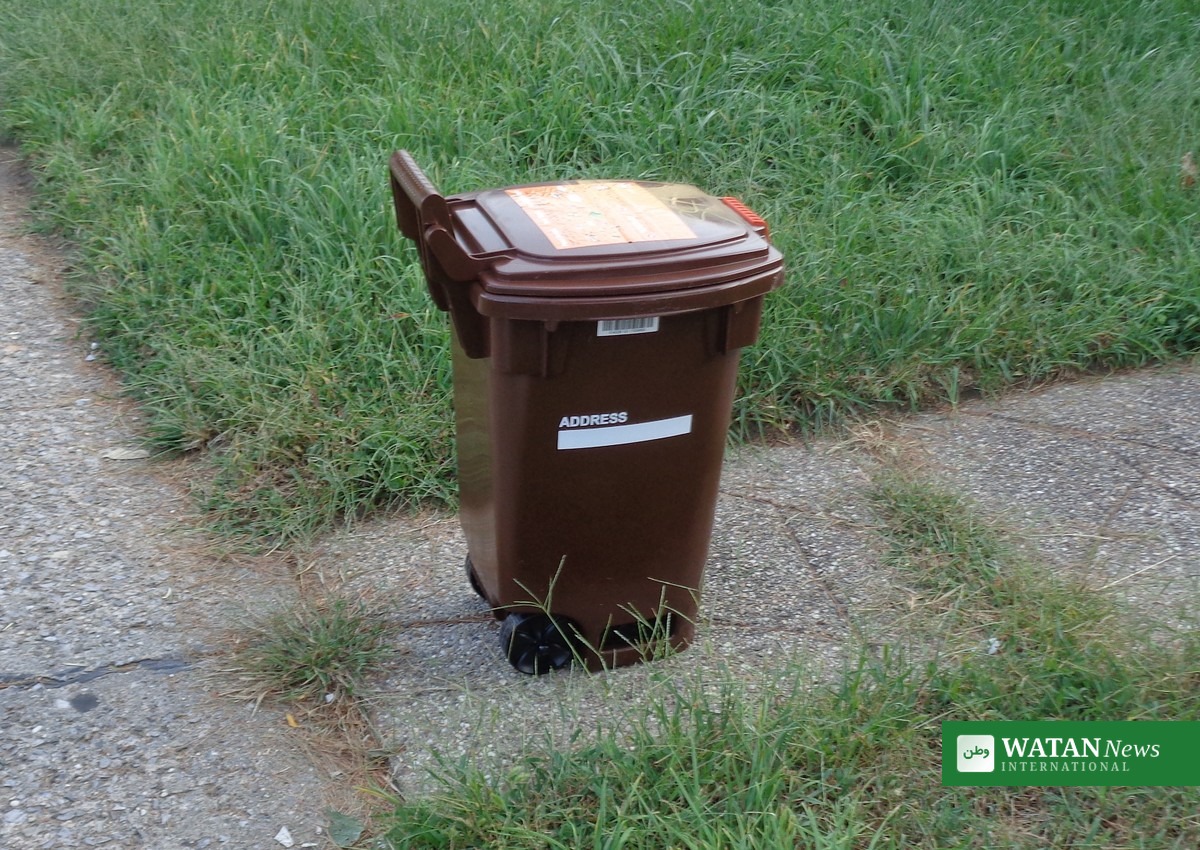
Where residual waste still has to be landfilled, the way forward is to treat it first. Biostabilisation, the controlled aerobic treatment of the organic fraction of mixed waste, breaks down the material that would otherwise generate methane. What reaches the landfill is largely stable and produces far less gas.
This is not a speculative technology. It is a proven, affordable approach already used across Europe, and the EU’s own Landfill Directive requires waste to be treated before it is landfilled. It can also be deployed quickly in countries that are still building their waste systems.
Prevention first — and the declaration that already says so
The strongest argument for prevention is already written down in a COP31 document. The Global Methane Pledge Ministerial Declaration 2026, released at the summit, calls on governments to stop organics from going to landfill, promote organic waste valorisation and wastewater treatment solutions, expand resource recovery, and capture methane only where emissions cannot yet be avoided. It reaffirms the pledge’s collective goal of cutting global human-caused methane emissions by at least 30 per cent below 2020 levels by 2030.
The declaration has been endorsed by nine countries: Belgium, Canada, the Federated States of Micronesia, France, Germany, Indonesia, Norway, the Netherlands and the United Kingdom. The Global Methane Pledge itself is backed by 159 countries and the European Union.
The contrast is the story of this final week. The ministerial declaration says prevention; the draft cover decision says capture only. Campaigners want the final text to close that gap.
The scale of the COP31 waste methane problem
Waste, mostly from landfills and wastewater, accounts for about a fifth of human-caused methane emissions, according to the United Nations. Watan News reported this week that zero-waste approaches could avoid 149 billion tonnes of carbon dioxide equivalent between 2025 and 2050, and that organic waste in landfills, dumps and wastewater produces about 20 per cent of human-caused methane.
Food waste alone accounts for up to 14 per cent of global methane emissions, according to a 2026 report by the UN Environment Programme, and organic material accounts for as much as 70 per cent of municipal waste in some African cities, much of which ends up in dumpsites and landfills. A report by the Global Alliance for Incinerator Alternatives, published in October, identified 15 waste-to-energy incineration projects and proposals across 10 African countries, with combined estimated capital costs exceeding $4 billion — money campaigners say should go to separation, composting and recycling instead.
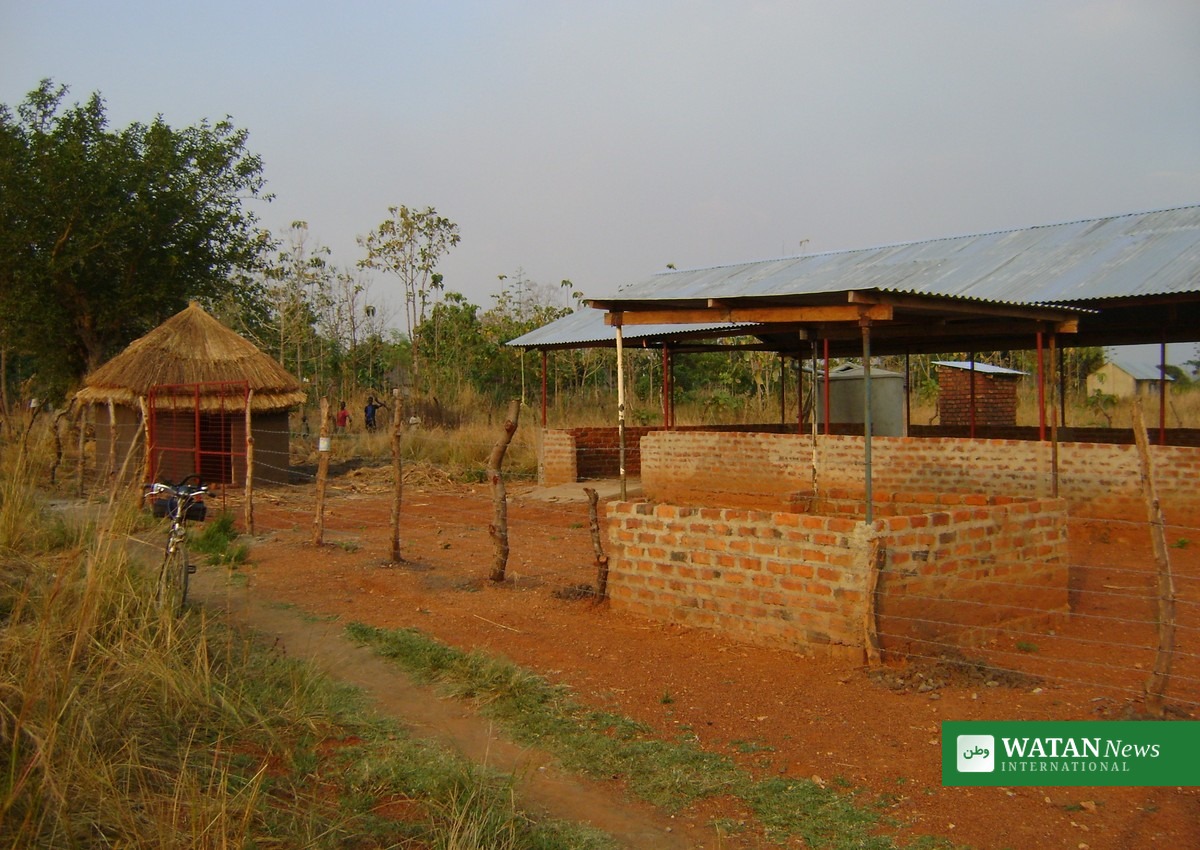
The gap is starkest where collection barely exists. Less than a third of municipal waste is collected in sub-Saharan Africa, and more than 70 per cent is dumped in the open, according to the African Union Development Agency. Half of that waste is organic. Left in open dumps, it rots and releases methane with nothing to capture it.
Existing commitments are projected to deliver only 10 to 11 per cent of the emissions reductions needed by 2030, participants at the COP31 methane ministerial warned, calling for stronger policies, better emissions monitoring and more public and private investment.
What campaigners want in the final hours
The fix in the text is simple, Zero Waste Europe argues. The waste language should move from “capture of methane from waste” to “the prevention and capture of methane from waste”. It should name source separation and treatment of organic waste, and refer to the food-use hierarchy as the guiding principle: preventing food waste in the first place, redistributing surplus food to people, and collecting biowaste separately so it can be composted or digested and returned to soils.
These measures cut methane fastest and most cheaply, and they bring benefits that capture never will: healthier soils, lower costs for municipalities, local jobs and food security. They also tackle the root cause instead of managing its consequences.
The EU, which has long championed both methane action and the circular economy, should lead this push in the final hours, Vähk writes. Its own rules already put prevention first and require treatment before landfilling. It should not accept a global standard weaker than the one it applies at home.
The host country is well placed to champion this. Türkiye has made zero waste a flagship national initiative and led the UN resolution that created the International Day of Zero Waste. An Antalya outcome that puts prevention at the top of the waste agenda would be a fitting legacy.
FAKTA
- The gap: the COP31 draft cover decision gives fossil methane a detailed menu of actions but offers waste only the phrase “the capture of methane from waste”.
- The declaration: the Global Methane Pledge Ministerial Declaration 2026 calls on governments to stop organics from going to landfill and to capture methane only where emissions cannot yet be avoided. Nine countries have endorsed it.
- The goal: the Global Methane Pledge aims to cut global human-caused methane emissions by at least 30 per cent below 2020 levels by 2030. It is backed by 159 countries and the EU.
- The scale: waste accounts for about a fifth of human-caused methane; food waste alone accounts for up to 14 per cent of global methane emissions.
- The fix: campaigners want the final text to say “the prevention and capture of methane from waste” and to name source separation and treatment of organic waste.
- Biostabilisation: treating the organic fraction of mixed waste before landfilling is proven, affordable and already used across Europe; the EU Landfill Directive requires treatment before landfilling.
Prevention or capture: the choice in the final text
COP31 has rightly recognised methane as the key to limiting overshoot. Whether that ambition reaches the waste sector in full will be decided in the final hours, in a few words of the cover decision. If the text keeps only capture, the summit will have told the world to catch methane after it is made. If it adds prevention, it will have told the world to stop making it in the first place — starting with the food scraps, market waste and garden cuttings that should never have reached a landfill at all.
Frequently asked questions
What is waste methane?
It is methane released when organic waste — food scraps, garden waste, paper and similar material — rots without oxygen in landfills, dumpsites and wastewater. Waste accounts for about a fifth of all human-caused methane emissions, according to the United Nations.
Why is methane important at COP31?
Methane is a short-lived but powerful greenhouse gas. Cutting it is the fastest way to slow warming this decade, and the draft cover decision links rapid methane cuts directly to limiting peak warming and the duration of any overshoot of the 1.5°C limit.
What is biostabilisation?
It is the controlled aerobic treatment of the organic fraction of mixed waste before it is landfilled. It breaks down the material that would otherwise generate methane, so what reaches the landfill is largely stable and produces far less gas. It is already used across Europe.
What does the Global Methane Pledge declaration say about waste?
The 2026 ministerial declaration calls on governments to stop organics from going to landfill, promote organic waste valorisation, expand resource recovery, and capture methane where emissions cannot yet be avoided. Nine countries have endorsed it.
What can cities do about waste methane?
Cities can separate organic waste at source, collect it for composting or digestion, prevent food waste, and treat residual waste before landfilling. These steps cut methane fastest and cheapest, and bring healthier soils, lower municipal costs, local jobs and food security.
Author

usmanch0013@gmail.com
Related Posts
COP31’s affaldsmetan-kløft: Forkæmpere kræver forebyggelse før opsamling
- 0
- 1,681 word
Ved COP31 sætter udkastet metan i centrum for svaret på overskridelsen, men tilbyder affald kun sætningen 'opsamling af metan fra affald'. Kampagnefolk...
Read out all
کاپ31: کچرے سے نکلنے والی میتھین پر روک تھام کو ترجیح دینے کا مطالبہ
کاپ31 میں مسودہ فیصلہ میتھین کو حد سے تجاوز کے جواب کا مرکز بناتا ہے، لیکن کچرے کے لیے صرف ’میتھین پکڑنا‘...
Read out all
COP31’s sidste dag: Sproget om fossile brændstoffer mangler stadig, og centrale spor er uafklarede
- 0
- 1,620 word
COP31 går ind i sin sidste dag i Antalya med et udkast, der fortsat er tavst om fossile brændstoffer, og tre store...
Read out all
کاپ31 کا آخری دن: مسودے میں جیواشم ایندھن کا ذکر نہیں، تین اہم معاملات حل طلب
کاپ31 اپنے آخری دن میں داخل ہو گیا ہے، مسودہ فیصلے میں جیواشم ایندھن کا ذکر اب بھی نہیں ہے اور تین...
Read out all
COP31 Enters Final Day With Fossil-Fuel Language Still Missing and Key Tracks Unresolved
- 0
- 1,552 word
COP31 enters its final day in Antalya with the draft cover decision still silent on fossil fuels and three major negotiating tracks...
Read out all
Tbilisi Building Explosion Kills Six, Including Two Children
- 0
- 627 words
Six people, including two children, have been killed after a suspected gas explosion partly collapsed a five-storey residential building in Tbilisi, Georgia....
Read out all