
- 0
- 1,473 word
ANTALYA: Using less, reusing more and managing waste better could avoid greenhouse gas emissions on a scale greater than the world’s remaining carbon budget for limiting warming to 1.5°C. That is the conclusion of a report launched at COP31 in Antalya on Monday, 16 November, which estimates that applying zero-waste approaches across the materials economy could avoid 149 billion tonnes of carbon dioxide equivalent (CO₂e) cumulatively between 2025 and 2050, if the measures it identifies are implemented in full.
The report, “Our Zero Waste Future: From the 2035 Targets to a Fairer, Lower-Carbon Materials Economy by 2050”, was prepared by Eunomia Research & Consulting for the COP31 Climate High-Level Champion Samed Ağırbaş and the Zero Waste Foundation, with funding from Shape Foundation. It was launched at COP31 on Monday, and its headline figure is reported by African Angle, Materials Industry and Envirotec. The report itself notes that the comparison with the 1.5°C carbon budget should be read with care, because the savings are measured in CO₂e while the remaining budget is measured in CO₂ — the two are not directly equivalent.
149 billion tonnes — where the savings come from
The report identifies 37 billion tonnes (Gt) of CO₂e in potential cumulative savings from municipal waste measures, including improved waste management, food waste prevention, and reuse, repair and sharing. A further 112 Gt CO₂e could be avoided through greater material efficiency in buildings, infrastructure and durable goods, including by reducing demand for virgin materials and extending the life of products and assets.
By 2050, annual emissions savings could reach 9.6 Gt CO₂e — more than the greenhouse gas emissions generated by the global transport sector today. The report reinforces the COP31 Presidency’s targets: cut the projected increase in global annual municipal solid waste generation by at least 50 percent by 2035, and raise the global circular material use rate from 6.9 percent to at least 15 percent by 2035.
Buildings, transport, clothes and food
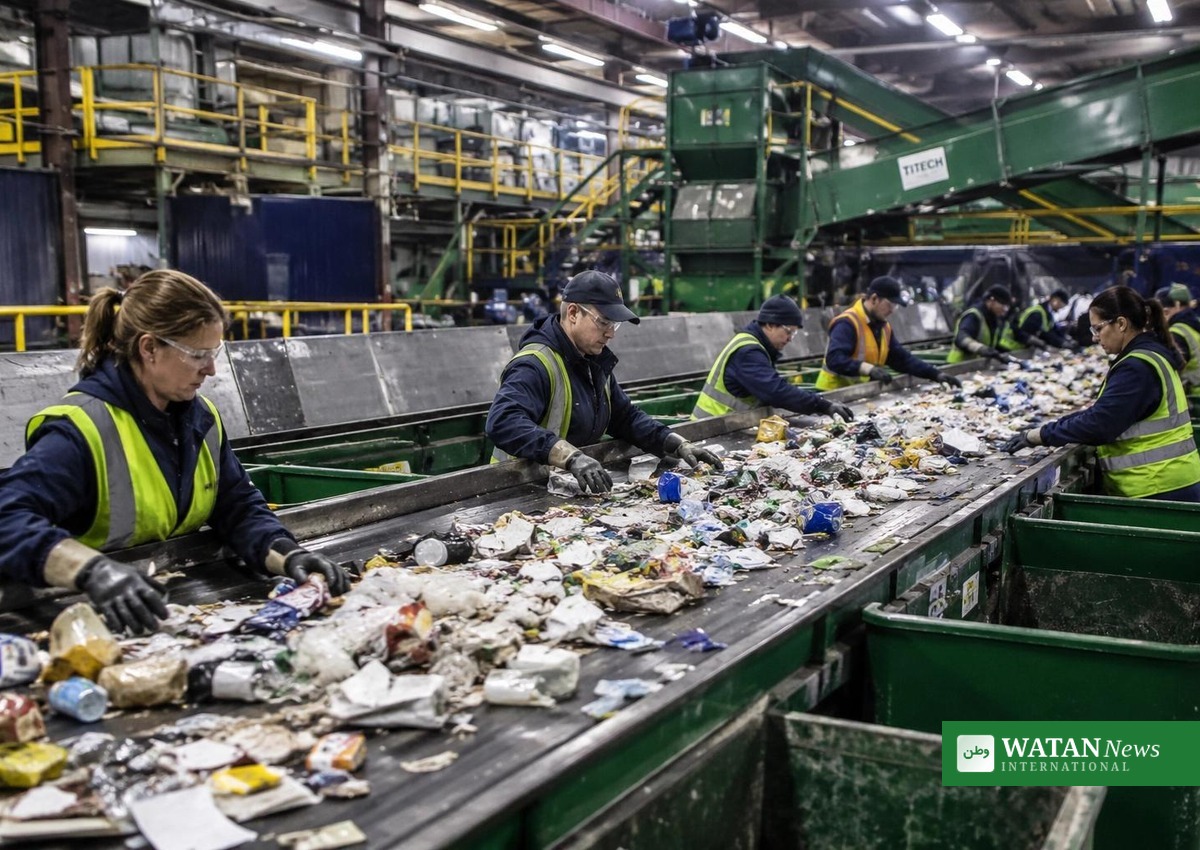
The report breaks the opportunity down by sector. Better use of existing buildings, renovation instead of demolition, and more efficient use of construction materials could avoid 20–52 Gt CO₂e by 2050. A Danish study found that demolishing and rebuilding a structure used 19 times more material than deep renovation. Shared mobility, longer vehicle lifetimes and more efficient use of materials could avoid 13–26 Gt CO₂e by 2050; in Lisbon, modelling suggests daily travel needs could be met with just 3 percent of today’s vehicle fleet. Simply doubling the number of times clothing is worn could reduce greenhouse gas emissions from the textile sector by around 44 percent. Food loss and waste account for an estimated 8–10 percent of global greenhouse gas emissions, making food waste prevention one of the fastest climate actions available.
The report’s core argument is that the energy transition alone cannot deliver climate goals, because emissions are locked into extracting, manufacturing, using and throwing away materials. Reuse, repair, sharing and longevity are presented as cheaper and fairer climate action — and as action that current national climate plans largely ignore.
The accounting blind spot
Emissions avoided through repair, reuse and sharing are often missing from national climate reporting. The report calls for agreed methods to count them in countries’ climate plans, and sets out six recommendations to help governments, businesses and cities build on COP31’s zero waste ambitions — including improving waste management, scaling proven reuse and repair systems, designing products and infrastructure for longevity, and ensuring emissions avoided through reuse, repair, refurbishment and sharing are recognised in Nationally Determined Contributions (NDCs).
That matters because NDCs are the backbone of the Paris Agreement: if the savings from keeping materials in use are not counted, governments have little incentive to pursue them, and finance keeps flowing to energy projects while the materials economy is overlooked.
Districts and a reuse toolkit
Alongside the report, Ağırbaş announced the first cohort of 20 districts in 20 cities joining the Zero Waste Districts initiative, which was launched in Istanbul in June 2026. The initiative supports local implementation of zero-waste solutions by bringing together governments, businesses and communities. Anacláudia Rossbach, Executive Director of UN-Habitat, spoke at the launch, highlighting the role of municipalities, investment and inclusive waste services in delivering results.
The Istanbul Zero Waste Action Platform brings together more than 100 initiatives through the Global Climate Action Agenda, with initial focus areas including food loss and waste, organics management, methane reduction, Zero Waste Districts and circular industry. Zero waste is a COP31 Presidency Action Agenda priority — 11 November was Zero Waste Day at the Leaders’ Summit — and the platform links 24 of the 119 Global Climate Action Agenda “Plans to Accelerate Solutions” directly to waste.
On the same day, the Global Alliance for Incinerator Alternatives (GAIA) and the Break Free From Plastic movement launched “Everything Reuse: A Toolkit for Understanding, Implementing and Scaling Reuse” at the COP31 session “Scaling Up the Reuse Economy”. The toolkit aims to bring reuse into the wider climate conversation, moving beyond waste management and recycling towards approaches that reduce consumption of resources and prevent waste and pollution at source. It classifies reuse by asset type and pathway, with five guiding principles, and is designed to direct finance to diverse reuse models while protecting workers’ livelihoods in a just transition.
The zero waste agenda at COP31 builds on earlier steps in Antalya, including the launch of the Global Zero Waste Alliance and the return of the global plastics treaty to the agenda.
The scale of the waste problem
The report also sets out why the issue cannot wait. Around 2.7 billion people lack regular waste collection services, and 845 million tonnes of municipal waste were dumped, burned in the open or lost to water in 2025. Organic waste in landfills, dumps and wastewater produces about 20 percent of human-caused methane emissions. The figures show that basic waste management and the wider circular economy are the same challenge: without collection, there is nothing to reuse, repair or recycle.
Key facts
- The report: “Our Zero Waste Future”, launched at COP31 on 16 November 2026, prepared by Eunomia for Climate High-Level Champion Samed Ağırbaş and the Zero Waste Foundation, funded by Shape Foundation.
- The headline figure: zero-waste approaches could avoid 149 billion tonnes of CO₂e cumulatively between 2025 and 2050 — 37 Gt from municipal waste measures and 112 Gt from material efficiency in buildings, infrastructure and durable goods.
- By 2050: annual savings could reach 9.6 Gt CO₂e, more than the greenhouse gas emissions of the global transport sector today.
- COP31 targets: cut the projected increase in global municipal waste generation by at least 50 percent by 2035; raise the circular material use rate from 6.9 percent to at least 15 percent by 2035.
- The blind spot: emissions avoided through reuse, repair and sharing are missing from national climate plans; the report sets out six recommendations, including agreed methods to count them in NDCs.
- On the ground: a first cohort of 20 districts in 20 cities joins the Zero Waste Districts initiative; the Istanbul Zero Waste Action Platform brings together more than 100 initiatives.
- Reuse toolkit: GAIA and Break Free From Plastic launched “Everything Reuse” at COP31 on 16 November.
- The problem: 2.7 billion people lack regular waste collection; 845 million tonnes of municipal waste were dumped, burned in the open or lost to water in 2025; organic waste produces about 20 percent of human-caused methane.
Frequently asked questions
What is zero waste?
Zero waste means designing products and systems so that materials are kept in use for as long as possible — through waste prevention, reuse, repair, refurbishment and sharing — instead of being thrown away after a single use. Recycling is only one part of it; the report puts the emphasis on preventing waste at source.
How can zero waste avoid 149 billion tonnes of emissions?
The figure comes from adding two kinds of savings: 37 billion tonnes from better municipal waste measures (waste management, food waste prevention, reuse, repair and sharing) and 112 billion tonnes from using materials more efficiently in buildings, infrastructure and durable goods. The estimate assumes the measures identified are implemented in full between 2025 and 2050.
What are Zero Waste Districts?
They are city districts that commit to putting zero-waste solutions into practice locally, bringing together governments, businesses and communities. The initiative was launched in Istanbul in June 2026, and the first cohort of 20 districts in 20 cities was announced at COP31 on 16 November.
Why don’t national climate plans count reuse and repair?
There are no agreed methods to measure and account for emissions avoided through reuse, repair, refurbishment and sharing in Nationally Determined Contributions — the national climate plans under the Paris Agreement. The report calls on governments to develop such methods, so that keeping materials in use is recognised and rewarded like other climate action.
What is the “Everything Reuse” toolkit?
It is a guide launched by GAIA and Break Free From Plastic at COP31 on 16 November 2026, to help governments, businesses and communities understand, implement and scale reuse across products and packaging. It classifies reuse by asset type and pathway and sets out five guiding principles for directing finance to reuse models that protect workers’ livelihoods.
Author

usmanch0013@gmail.com
Related Posts
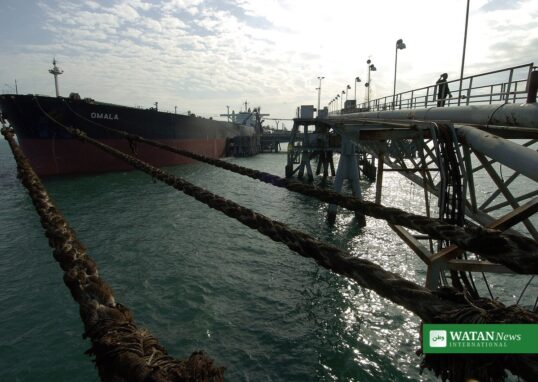
Hormuz Tanker Attack Near Khasab Disables Vessel, Crew Safe
- 0
- 762 words
A tanker transiting the Strait of Hormuz was attacked about seven nautical miles north of Khasab, Oman, on Monday evening, leaving it...
Read out all
COP31: Nul affald kan undgå 149 milliarder ton emissioner i 2050, viser ny rapport
- 0
- 1,474 word
En ny rapport, der lanceres ved COP31 i Antalya, siger, at nul-affald-tilgange i materialeøkonomien kan undgå 149 milliarder ton drivhusgasemissioner i 2050...
Read out all
کاپ31: صفر فضلہ 2050 تک 149 ارب ٹن اخراج سے بچا سکتا ہے، نئی رپورٹ
انطالیہ میں کاپ31 کے موقع پر جاری ہونے والی ایک نئی رپورٹ کے مطابق مواد کی معیشت میں صفر فضلہ کے طریقے...
Read out all
COP31-udkast kræver udfasning af fossile brændstoffer og 120 milliarder dollar til tilpasning i 2035
- 0
- 1,708 word
Australien har fremlagt det første udkast til COP31's dækkende beslutning, som kræver udfasning af fossile brændstoffer og mindst 120 milliarder dollar om...
Read out all
کاپ31 کا مسودہ معاہدہ: فوسل فیول کے خاتمے اور 2035 تک 120 ارب ڈالر موافقت مالی مدد کا مطالبہ
آسٹریلیا نے کاپ31 کے مسودہ معاہدے کا پہلا مسودہ پیش کر دیا ہے، جس میں فوسل فیول کے خاتمے اور 2035 تک...
Read out all
COP31 Draft Deal Calls for Fossil Fuel Phaseout and $120 Billion Adaptation Finance by 2035
- 0
- 1,589 word
Australia has circulated the first draft of the COP31 cover decision, calling for a fossil fuel phaseout and at least $120 billion...
Read out all