- 0
- 466 words
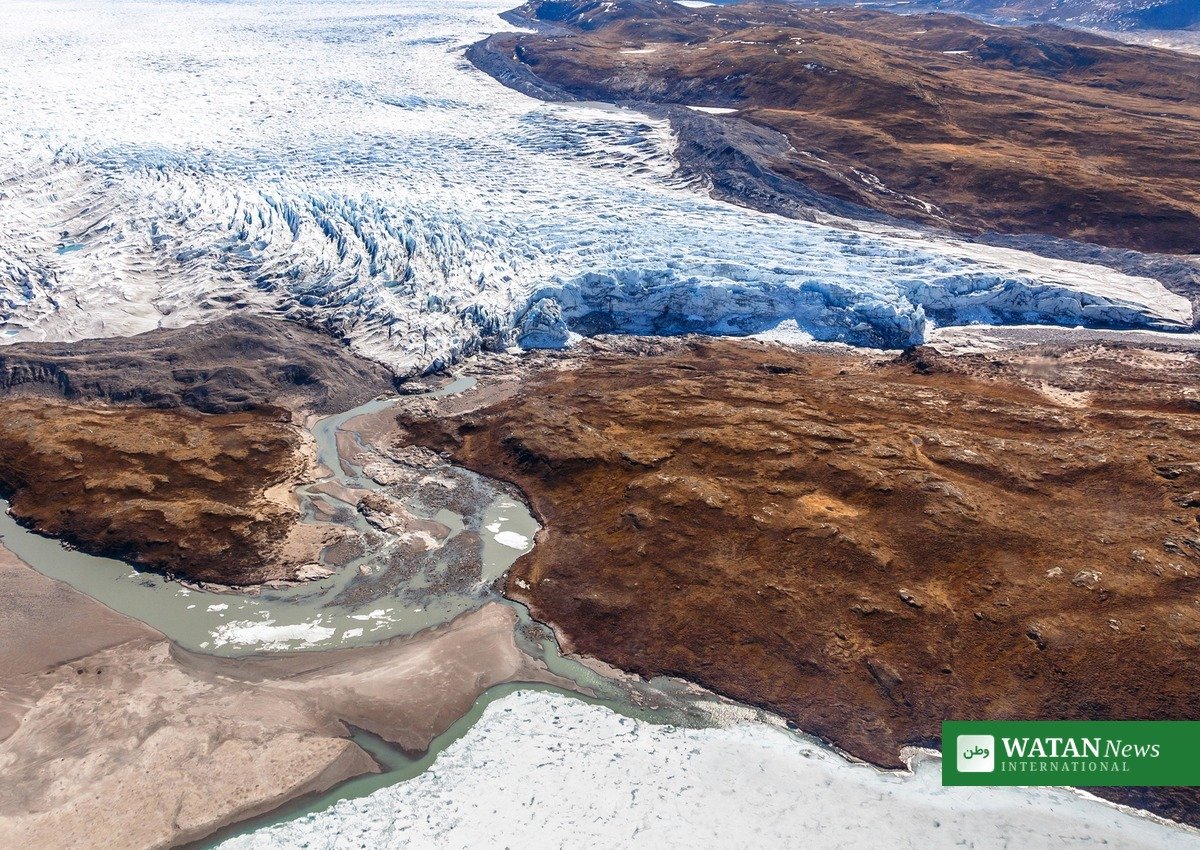
The European Union’s Copernicus Marine Service has released the 10th annual Ocean State Report — the Copernicus ocean report 2026 — published on 30 September 2026, presenting observed evidence of profound changes sweeping the planet’s oceans — from record heat uptake and accelerating sea-level rise to shrinking Arctic ice and lengthening marine heatwaves.
FAKTA
- The report was released on 30 September 2026 by the EU’s Copernicus Marine Service and produced by Mercator Ocean International, drawing on more than 100 scientists and on satellite, buoy and sensor data reaching back to 1960.
- Arctic sea-ice extent shrank by about 490,000 km² per decade between 1979 and 2025 — roughly the area of Spain.
- In 2024, the Mediterranean and Black Sea endured marine heatwaves lasting more than 30 days at 4.6°C above normal.
- The ocean absorbed 23 zettajoules of extra heat in 2025 — about 40 times the world’s total energy consumption — and is about 17% more acidic than in 1985.
- Average sea-level rise has run at about 4.2 mm per year since 2012, and 65% of Small Island Developing States’ exclusive economic zones are seeing accelerating rise.
A hotter, more acidic ocean
According to the report, the ocean absorbed 23 zettajoules of additional heat in 2025 alone — about 40 times the total energy consumed by humanity worldwide. The findings describe an ocean that is not only warming but also becoming more acidic: it is now about 17% more acidic than it was in 1985, a change driven by the absorption of carbon dioxide.
Sea levels continue to climb. The report records an average rise of about 4.2 mm per year since 2012, and finds that 65% of the exclusive economic zones of Small Island Developing States are experiencing accelerating sea-level rise — a direct threat to some of the world’s most vulnerable coastal nations.
Arctic ice in retreat: Copernicus ocean report 2026
In the Arctic, the observed losses are stark. Sea-ice extent fell by about 490,000 square kilometres per decade between 1979 and 2025 — an area roughly the size of Spain lost every ten years. The report also finds that around 60% of Arctic coastal infrastructure is vulnerable to erosion and sea-level rise, putting northern communities and installations at growing risk.
Heatwaves above and below the surface
European waters saw exceptional extremes. In 2024, the Mediterranean and Black Sea suffered marine heatwaves lasting more than 30 days, with temperatures 4.6°C above normal. “These are not isolated hot spells; they are occurring against a backdrop of sustained ocean warming…,” said report author Blanca Fernández-Álvarez of the Mediterranean Institute for Advanced Studies, via CNN’s report on the findings.
Elsewhere, the report documents an unprecedented low-sea-level event in the Bothnian Bay, where levels dropped by 60 inches and halted ferry traffic for 18 hours. It also notes a likely unprecedented El Niño taking shape in the Pacific — a development scientists will be watching closely.
These are observed changes, not projections — measured across decades of ocean data. Read more climate and environment news on Watan News.
Author

usman2344913@gmail.com
Related Posts

Netflix Releases ‘Schumacher ’94 — The Birth of a Legend’ With Rare Corinna Schumacher Interview
- 0
- 803 words
Netflix releases 'Schumacher '94 — The Birth of a Legend' on October 2, 2026 — a 105-minute documentary on Michael Schumacher's dramatic...
Read out all
Global Air Passenger Demand Slips 0.8% in August as Middle East Downturn Bites: IATA
- 0
- 840 words
IATA reports global air passenger demand fell 0.8% in August 2026 as Middle East carriers' demand dropped 14.6%; excluding the region, demand...
Read out all
NCDs Now Cause Three-Quarters of Global Deaths as Life Expectancy Nears Pre-Pandemic Level, WHO Says
- 0
- 995 words
WHO's Global Health Estimates show life expectancy at 73.3 years in 2023 while noncommunicable diseases now account for 74 per cent of...
Read out all
Gender Equality 171 Years Away as Institutions Are Stripped of Power, UN Warns
- 0
- 1,013 word
UN Women's Gender Snapshot 2026 finds gender equality is 171 years away at current rates, with one in three equality institutions stripped...
Read out all
Gold, debuts and a possible farewell: Paris Fashion Week’s Spring-Summer 2027 highlights
- 0
- 930 words
Paris Fashion Week's Spring-Summer 2027 edition is in full swing: Jonathan Anderson's walnut-themed Dior show at the Tuileries, a gilded Saint Laurent...
Read out all
Saturday Evening Post to end print after 205 years as magazine industry reshapes
- 0
- 747 words
The Saturday Evening Post will publish its final print issue in January 2027 after 205 years, going digital-only amid rising costs and...
Read out all