- 0
- 481 words
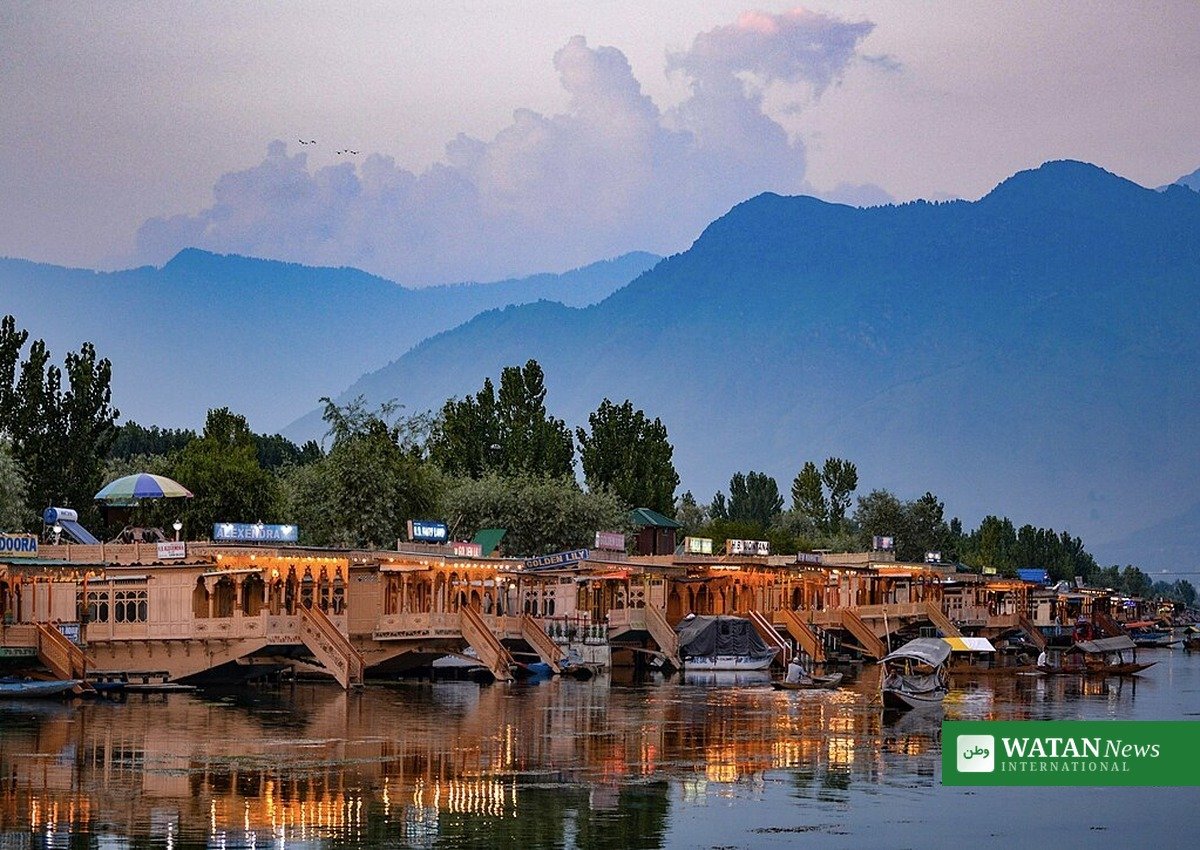
Pakistan’s Deputy Prime Minister and Foreign Minister, Ishaq Dar, has used the occasion of Kashmir Black Day to press the international community to take concrete steps to ease the suffering of the people of Jammu and Kashmir and to protect their fundamental rights. In a message issued on Tuesday, 27 October, he said the Kashmiri people’s aspiration to decide their own future could not be set aside, and he called for sustained global engagement to bring about a peaceful settlement of the long-running dispute.
Dar said the day marks 27 October 1947, when Indian troops arrived in Srinagar — the start, in his words, of a prolonged and painful chapter whose consequences the people of Indian-administered Jammu and Kashmir still live with nearly eight decades later.
FAKTA
- Who: Ishaq Dar, Pakistan’s Deputy Prime Minister and Foreign Minister.
- Occasion: Kashmir Black Day, observed on 27 October.
- Core message: The international community should move from attention to meaningful action on Kashmir.
- Central claim: Kashmiris remain deprived of the right to self-determination recognised in United Nations Security Council resolutions.
- Pakistan’s position: Unwavering political, moral and diplomatic support for the Kashmiri people, and a peaceful settlement in line with UN resolutions and the wishes of the Kashmiri people.
- Historical reference: 27 October 1947, when Indian troops arrived in Srinagar.
A dispute nearly eight decades old
At the heart of Dar’s message is the argument that the Jammu and Kashmir dispute remains unfinished business for the United Nations. He pointed to a series of Security Council resolutions which, in Pakistan’s reading, envisage a settlement determined by the will of the people of Jammu and Kashmir — resolutions Pakistan treats as central to any resolution.
Dar said the territory’s people had endured decades of hardship, including curbs on fundamental freedoms and serious human rights challenges, yet remained steadfast, and argued that their desire for justice, peace and dignity could not be suppressed by force.
The situation since 2019
The message also drew attention to developments since India’s actions of 5 August 2019, which Dar’s statement presents as a turning point. It cited legislative and administrative measures, demographic and political changes, and the detention of Kashmiri political leaders and activists, saying these had deepened insecurity and alienation.
According to the message, these developments have attracted greater international scrutiny, with UN bodies and human rights organisations documenting concerns about the treatment of civilians and the wider human rights environment. Dar argued that this attention must now translate into practical engagement aimed at a just, peaceful and lasting settlement.
Pakistan’s pledge
Dar closed with a renewed pledge that Pakistan would keep raising the Kashmir issue at every appropriate international forum, and urged the international community to play its part in ending what he described as the suffering of the Kashmiri people.
For readers following Pakistan’s foreign policy and South Asian affairs, more international news from Watan News is available here.
Author

usmanch0013@gmail.com
Related Posts

Red Cross Takes Climate Awareness Door to Door in Borno, Nigeria
- 0
- 735 words
Nigeria's Red Cross Borno branch steps up climate awareness in Maiduguri and Jere, taking its message into homes, places of worship, motor...
Read out all
Disney Gives $1 Million to Jane Goodall’s Roots & Shoots as 10 Young Conservation Leaders Meet
- 0
- 802 words
Disney Conservation Fund invests $1 million in Jane Goodall's Roots & Shoots as 10 youth conservation leaders gather at Walt Disney World,...
Read out all
Pakistan Condemns Houthi Strikes on Saudi Arabia, Pledges Full Solidarity
- 0
- 488 words
Pakistan has strongly condemned Houthi ballistic missile attacks on Saudi Arabia's Makkah and Madinah regions, reaffirming its solidarity with the kingdom and...
Read out all
Maldives Nominated for World’s Leading Green Destination 2026
- 0
- 576 words
The Maldives has been nominated for the World's Leading Green Destination 2026 at the World Travel Awards, building on three straight years...
Read out all
Ghana Launches Two-Year Restoration of Subri River Forest Reserve
- 0
- 671 words
Ghana has launched a two-year project to restore 50 acres of degraded land in the Subri River Forest Reserve, backed by MIIF,...
Read out all
Syria Closes Nassib Border Crossing After Jordanian Airstrikes in Southern Syria
- 0
- 538 words
Syria has closed the Nassib border crossing with Jordan, suspending all passenger and commercial traffic, after Jordanian airstrikes in southern Syria killed...
Read out all