- 0
- 1,188 word
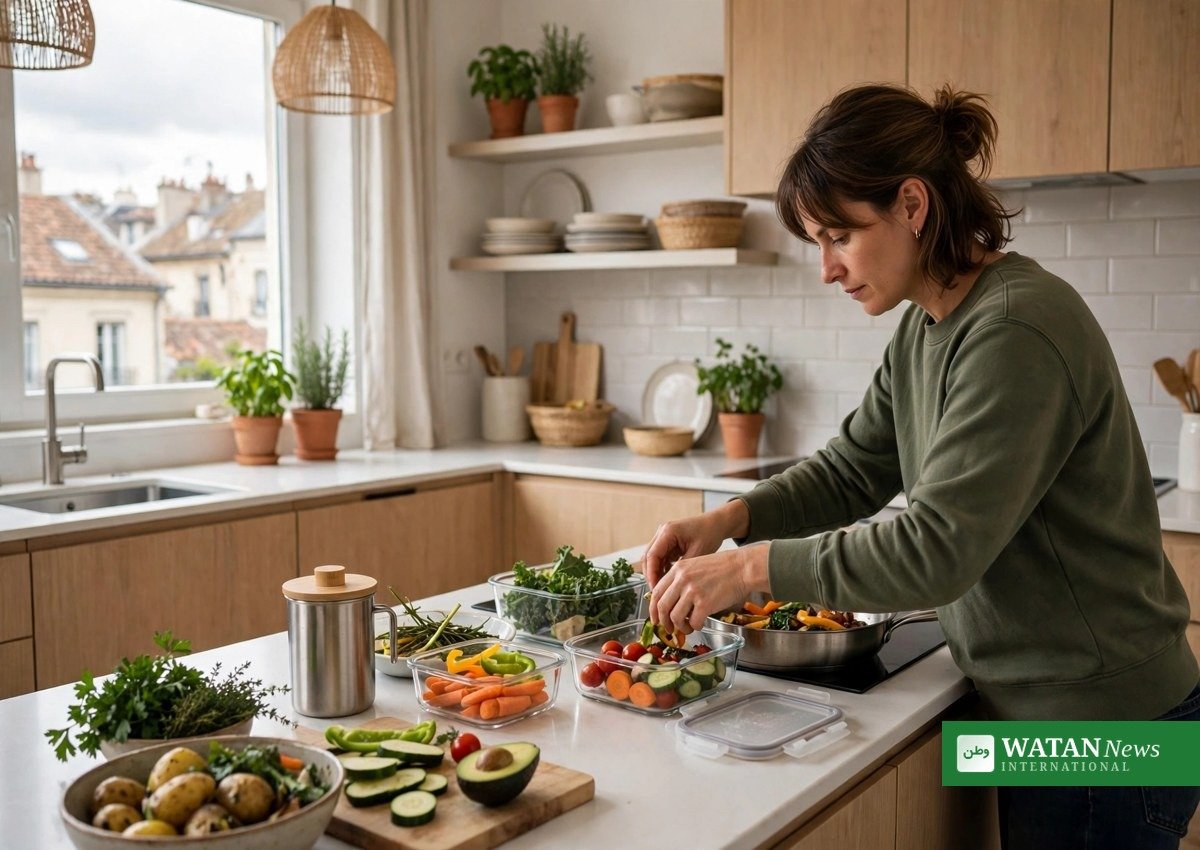
Simple, practical changes at home cut household food waste by an average of 28% among participating households in a European study, according to the EU-funded COMBINE project. The finding, published in a new European toolkit on 19 October 2026, suggests that awareness alone is not enough: what works is making the right choice the easy one, at the kitchen table, in the school dining hall and on the canteen line.
From 2024 to 2026, COMBINE carried out research and real-world trials in schools, workplace canteens and households in France, Finland, Italy and Portugal. Its toolkit, “Combining Actions to Reduce Consumer Food Waste”, brings together the interventions that were tested, with guidance on how to select and combine them in practice.
Why household food waste matters
Food waste remains a major challenge across the EU food supply chain, with nearly 58 million tonnes generated each year, according to the project. The European Food Information Council notes that consumer food waste in households accounts for 53% of total food waste in the EU, which is why COMBINE focused on the everyday settings where food decisions are made: at home, at work and in schools.
Wasted food also carries a climate cost. Food waste accounts for at least 6% of the EU’s total greenhouse gas emissions, according to background material published by the European Food Information Council. Cutting waste at home therefore matters twice over: it saves households money and it avoids emissions from food that was produced, transported and stored but never eaten.
What the COMBINE trials tested
COMBINE did not rely on a single message. Its interventions covered awareness raising, incentives, social influence, knowledge enhancement and nudges in canteens, alongside personalised household reports, newsletters and cooking workshops for families.
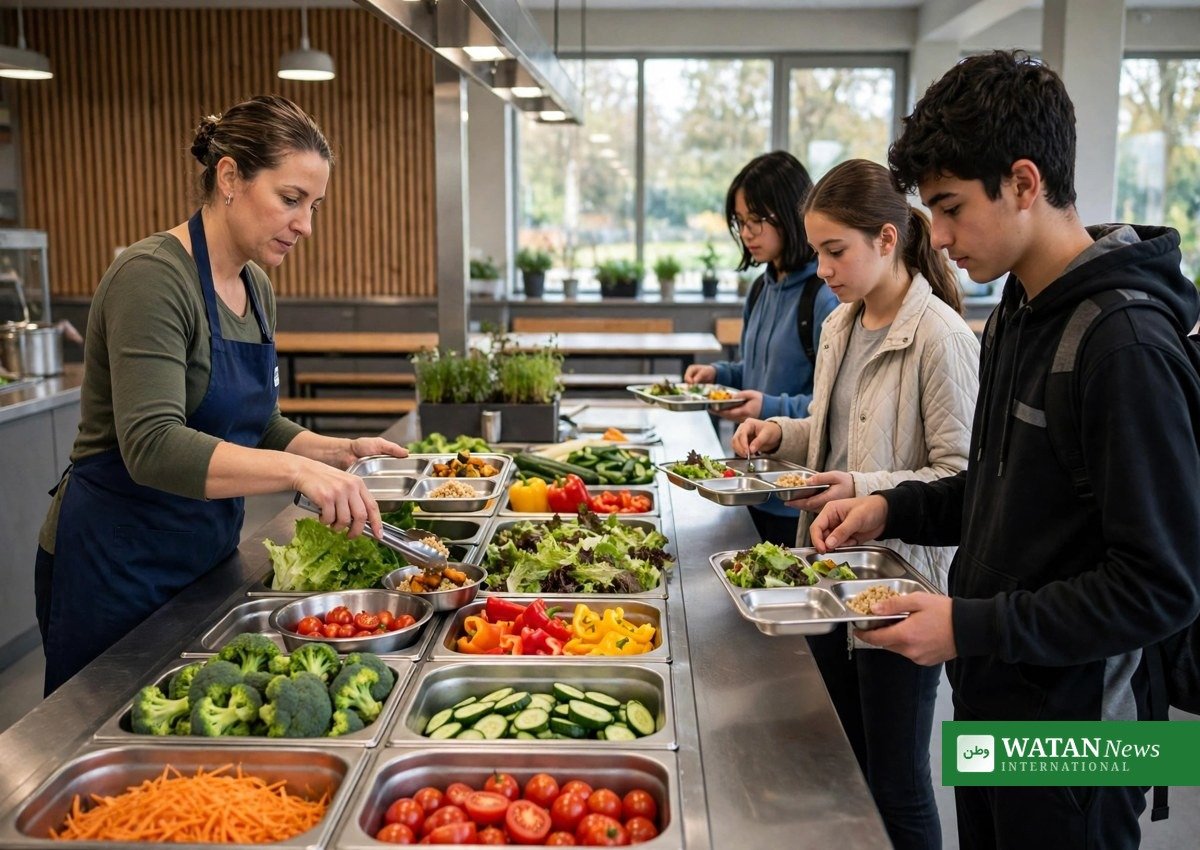
In school and workplace canteens, the measures tested included serving smaller portions by default while allowing diners to ask for more, displaying information about dishes — such as how spicy they are — before people choose, and showing diners how food waste levels in their canteen were changing over time.
At one workplace canteen in France, vegetables were identified as the most-wasted food item, with poor perceived taste highlighted as an important factor. The intervention there included a culinary workshop for canteen staff and a commitment to serve at least one freshly cooked vegetable option at lunch every day.
What worked in households
For households, participants received personalised reports showing their food waste levels, the foods most commonly wasted and the main reasons for that waste. Those findings were then used to identify relevant actions, supported through newsletters and cooking workshops.
Among participating households, the interventions reduced food waste by an average of 28%, although results varied substantially, the project reports. Results across school and workplace canteen sites also varied considerably, depending on the setting, the intervention period and the combination of measures used.
That variation is itself one of the project’s lessons. The toolkit recommends first identifying the key drivers of food waste in a particular place, keeping interventions practical and feasible, and combining different approaches to reach different groups, rather than repeating the same generic message everywhere.
“Awareness on its own doesn’t cut food waste”
Stéphane Leroux, Executive Director of the International Food Waste Coalition, which coordinates COMBINE, said the project showed that awareness alone is not enough.
“COMBINE showed that awareness on its own doesn’t cut food waste,” he said. “What works is making the right choice the easy one, whether that’s on the canteen line, in the school dining hall or at the kitchen table at home. By working across all three settings at once, we saw habits carry over from one to another, and that’s the lesson we want others to take forward.”
For households, the toolkit recommends tailoring support according to people’s initial food waste levels and engagement, prioritising a small number of clearly defined actions, and focusing on simple, practical measures that can fit into busy lives.
How to use the toolkit at home
The toolkit’s household advice translates into a short routine that any family can try. First, notice what is actually being wasted for a week: which foods, and why. Second, pick just two or three actions that fit that pattern, such as planning meals around what is already in the fridge, storing leftovers where they are visible, or cooking a smaller portion first. Third, pair the plan with a prompt at the point of choice, such as a shopping list written before leaving home.
The same logic applies beyond the home. Schools and workplaces can start with one clear change, such as smaller default portions or a visible record of waste over time, and add further measures only once the first one is working. The project announced a final online event for 21 October 2026 to share the toolkit and its findings with researchers, practitioners, policymakers and food waste experts.
Read more about sustainable living choices in Europe in our earlier report: 81% of Europeans Trust the EU Ecolabel, New Survey Finds as Certified Products Top 121,000.
FAKTA: Household food waste in brief
- Nearly 58 million tonnes of food waste are generated across the EU food supply chain each year, according to the COMBINE project.
- Households account for 53% of total food waste in the EU, according to the European Food Information Council.
- COMBINE trials ran from 2024 to 2026 in France, Finland, Italy and Portugal, in schools, workplace canteens and households.
- Participating households cut food waste by an average of 28%, though results varied substantially.
- Tested measures included smaller default portions, personalised household reports, newsletters and cooking workshops.
Conclusion
The COMBINE results offer a hopeful, practical message for sustainable living: households do not need a complete lifestyle overhaul to waste less food. A few well-chosen, well-timed changes — a plan, a smaller portion, a visible leftover — can cut waste by more than a quarter, and habits built in one setting can carry over into others.
Frequently asked questions
What is the COMBINE project?
COMBINE is an EU-funded project that tested combinations of interventions to reduce consumer food waste in schools, workplace canteens and households in France, Finland, Italy and Portugal between 2024 and 2026.
How much did household food waste fall in the trials?
Among participating households, food waste fell by an average of 28%, according to the project, although results varied substantially between households.
Why did awareness alone not work?
According to the project, generic awareness raising does not address the specific reasons food is wasted in a particular setting. What worked was combining communication with practical changes at the point where food choices are made.
What are the simplest household measures from the toolkit?
The toolkit recommends personalised reports on what is wasted and why, a small number of clearly defined actions, and simple measures that fit busy lives, supported by newsletters and cooking workshops.
How big is the food waste problem in the EU?
Nearly 58 million tonnes of food waste are generated across the EU food supply chain each year, according to COMBINE, and households account for 53% of total EU food waste, according to the European Food Information Council.
Author

usman2344913@gmail.com
Related Posts
Enkle ændringer kan skære husholdningernes madspild med 28 %, viser EU-studie
- 0
- 1,223 word
Enkle, praktiske ændringer i hjemmet reducerede madspild i husholdninger med gennemsnitligt 28 % blandt de deltagende husstande i et europæisk studie, viser...
Read out all
Ny Monash-rapport: Træning og ekspertkontakt kan styrke indonesisk klimajournalistik
- 0
- 1,080 word
Indonesiske journalister vil gerne dække klimaforandringer og energiomstillingen mere indgående, men begrænset videnskabelig viden, begrænset adgang til eksperter og stramme redaktionsressourcer holder...
Read out all
سادہ تبدیلیوں سے گھریلو خوراک کا ضیاع 28 فیصد کم ہوا، یورپی مطالعے کا نتیجہ
گھر میں سادہ اور عملی تبدیلیوں سے شریک گھرانوں میں خوراک کا ضیاع اوسطاً 28 فیصد کم ہوا، یہ نتیجہ یورپی یونین...
Read out all
موناش کی نئی رپورٹ: تربیت اور ماہرین سے رابطہ انڈونیشیا میں موسمیاتی رپورٹنگ کو مضبوط بنا سکتا ہے
انڈونیشیا کے صحافی موسمیاتی تبدیلی اور توانائی کی منتقلی پر زیادہ گہرائی سے رپورٹنگ کرنا چاہتے ہیں، لیکن سائنسی علم کی کمی،...
Read out all
Virginia Senator Louise Lucas Indicted in Federal Cannabis Racketeering Case
- 0
- 919 words
Virginia state Senator L. Louise Lucas, one of the most powerful Democrats in the state legislature, surrendered to federal authorities on Thursday...
Read out all
New Monash Report Shows How Training and Expert Links Can Strengthen Indonesia Climate Reporting
- 0
- 1,023 word
Indonesian journalists want to report more deeply on climate change and the energy transition, but limited scientific knowledge, restricted access to experts...
Read out all