- 0
- 845 words
European Union leaders gathered in Dublin on Friday, 13 November 2026, for the Dublin AI summit, the first meeting of EU heads of state and government devoted entirely to artificial intelligence, as the bloc weighs how to compete in the global AI race while setting rules for the technology’s impact on society.
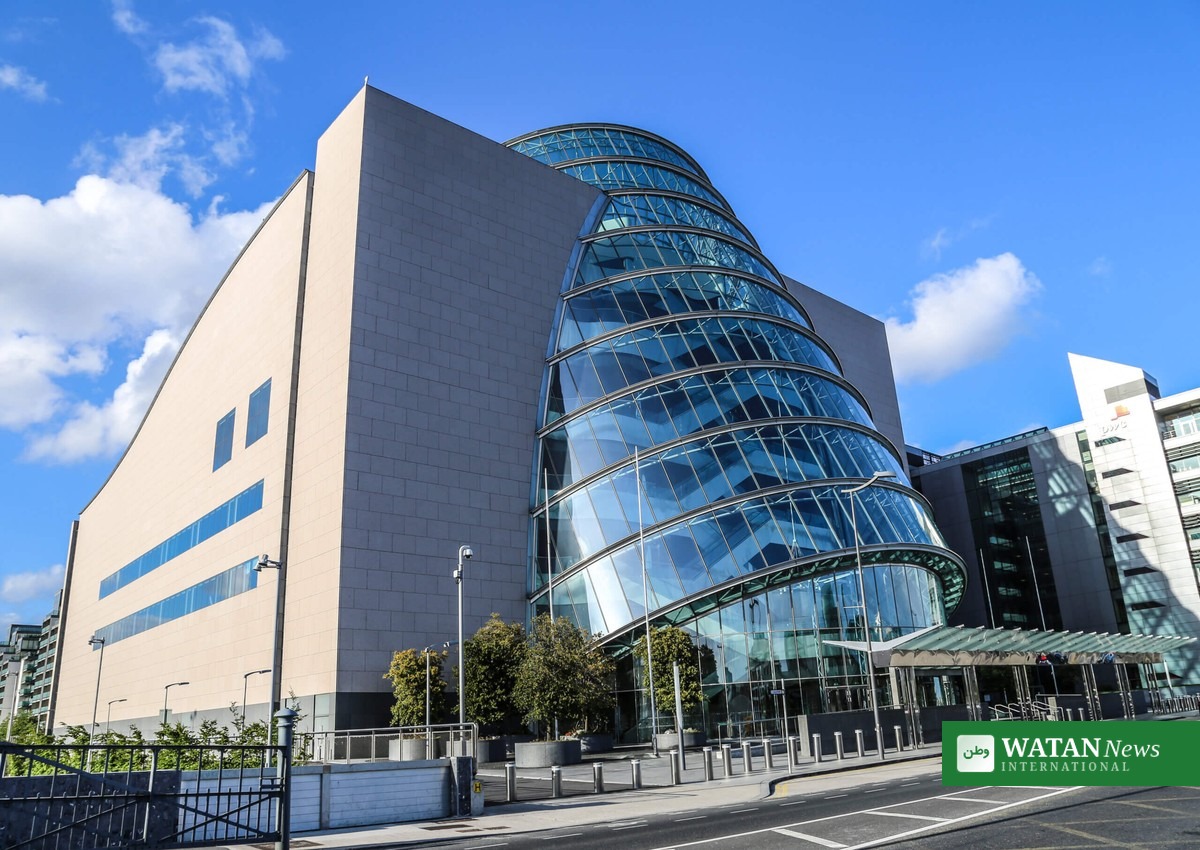
The informal meeting, held at the Convention Centre Dublin, was convened by European Council President António Costa and hosted by Irish Taoiseach Micheál Martin. Leaders heard from Arthur Mensch, chief executive of the French AI company Mistral AI, and Geoffrey Hinton, the Nobel Prize-winning computer scientist, before discussing the way forward over lunch.
FAKTA
- Event: Informal meeting of EU heads of state and government on artificial intelligence
- Date: Friday, 13 November 2026
- Venue: Convention Centre Dublin, Ireland
- Chair: European Council President António Costa, hosted by Taoiseach Micheál Martin
- Guest speakers: Arthur Mensch, chief executive of Mistral AI, and Geoffrey Hinton, Nobel laureate in computer science
- Main topics: AI competitiveness and sovereignty, investment, safeguards and fundamental rights
- Outcome: An informal meeting, with no formal conclusions expected to be adopted
What the Dublin AI Summit Will Decide
The morning session was split into two parts. Mensch led a discussion on Europe’s position in the global AI race, including reducing critical dependencies, building European capabilities and infrastructure underpinned by affordable clean energy, and spreading AI across industry. Hinton then addressed the wider impact of AI on society, security and trust.
Among the issues on the table were a plan for seven AI gigafactories, which faces disagreement over competitiveness spending in the EU’s 2028-2034 budget, as well as the protection of children, democratic processes, market concentration, cybersecurity and international cooperation on the safety of advanced AI.
Costa told leaders in his invitation letter that the pace of AI development warranted a first dedicated discussion at leaders’ level. The discussion follows the Dublin Declaration on Trustworthy, Safe and Sovereign Artificial Intelligence, adopted by telecoms and digital ministers on 14 October 2026.

Ukraine Dispute Overshadows the Agenda
Disagreements over who should represent the EU in negotiations to end Russia’s war against Ukraine also reached the agenda. German Chancellor Friedrich Merz defended cooperation through the E3 framework, involving Germany, France and the United Kingdom, while other leaders questioned the arrangement.
US envoys Jared Kushner and Steve Witkoff met Ukrainian President Volodymyr Zelenskyy in Dublin on Thursday evening, after travelling from discussions with Russian President Vladimir Putin in Moscow. Ukraine financing and the bloc’s budget are scheduled for discussion at a special European Council meeting on 26-27 November.
Two Days of Summits in Dublin
The AI meeting followed the ninth meeting of the European Political Community, held in Dublin on 12 November, which brought together around 48 to 50 European leaders and heads of European and international organisations. That gathering examined how to build a more competitive and secure Europe, with attention to innovation, connectivity, affordable energy and democratic resilience.
The informal meeting was due to finish by 4 p.m. local time, with a press conference by President Costa, Taoiseach Martin and European Commission President Ursula von der Leyen scheduled for 16:15. The European Commission will hold its Apply AI Summit in Brussels on 17 November.
Conclusion
The Dublin meeting marks the first time EU leaders have devoted a summit entirely to artificial intelligence, underlining how central the technology has become to Europe’s economic and security debate. With no formal decisions expected, its value lies in setting the direction for investment, regulation and cooperation that leaders are expected to return to in 2027.
Related Articles
- Canada Invests Up to C$1.6 Billion in Cohere to Build Sovereign AI
- Anthropic Launches Claude Fable 5.2 and Mythos 5.2 as AI Self-Improvement Debate Grows
- COP31 Business Forum Puts AI at the Heart of the Green Transformation
Frequently Asked Questions
What was the Dublin AI summit?
It was an informal meeting of the 27 EU heads of state and government in Dublin on 13 November 2026, the first such meeting devoted entirely to artificial intelligence.
Who organised the meeting?
European Council President António Costa convened the meeting, which was hosted by Irish Taoiseach Micheál Martin at the Convention Centre Dublin.
Who briefed the leaders?
Arthur Mensch, chief executive of the French AI company Mistral AI, spoke on competitiveness and AI sovereignty, and Nobel laureate Geoffrey Hinton spoke on AI’s wider impact on society, security and trust.
Did the leaders adopt any decisions?
No. As an informal meeting, it was a first dedicated discussion, and no formal conclusions were planned for adoption. Leaders are expected to return to AI in 2027.
What is the AI gigafactory plan?
The EU plans seven AI gigafactories, but funding for the plan faces disagreement over competitiveness spending in the EU’s 2028-2034 budget.
Why did Ukraine come up at an AI summit?
Disagreements over who should represent the EU in peace negotiations over Russia’s war against Ukraine became a major issue, and US envoys met President Zelenskyy in Dublin on the eve of the meeting.
Author

usmanch0013@gmail.com
Related Posts

Tanker hits docked cruise ship in New Orleans, sending passengers into the Mississippi
- 0
- 534 words
A tanker has struck a docked river cruise ship in New Orleans, capsizing it with 129 passengers aboard and sending people into...
Read out all
FAA orders nationwide ground stop as air traffic control communications fail
- 0
- 712 words
The Federal Aviation Administration has halted all departing flights across the United States after a communications failure hit air traffic control centres,...
Read out all
US Food Prices Jump 1.3% in October as Wholesale Inflation Hits Four-Year High
- 0
- 779 words
US food prices jumped 1.3% in October 2026, the biggest monthly rise in eight months, as wholesale inflation accelerated to its highest...
Read out all
Nordic Countries Agree to Draft Joint Defence Agreement in Oslo
- 0
- 710 words
The five Nordic countries have agreed to draw up a joint defence agreement, giving their military cooperation a single legal framework for...
Read out all
IEA Says World Oil Market Will Return to Surplus in Final Quarter of 2026
- 0
- 741 words
The International Energy Agency said on 13 November 2026 that the world oil market will return to surplus in the fourth quarter,...
Read out all
Denmark’s Supreme Court to Rule on Parallel Societies Law After Landmark Hearing
- 0
- 898 words
Denmark's Supreme Court is preparing to rule on the country's controversial parallel societies law, after hearing arguments that it led to residents...
Read out all