- 0
- 629 words
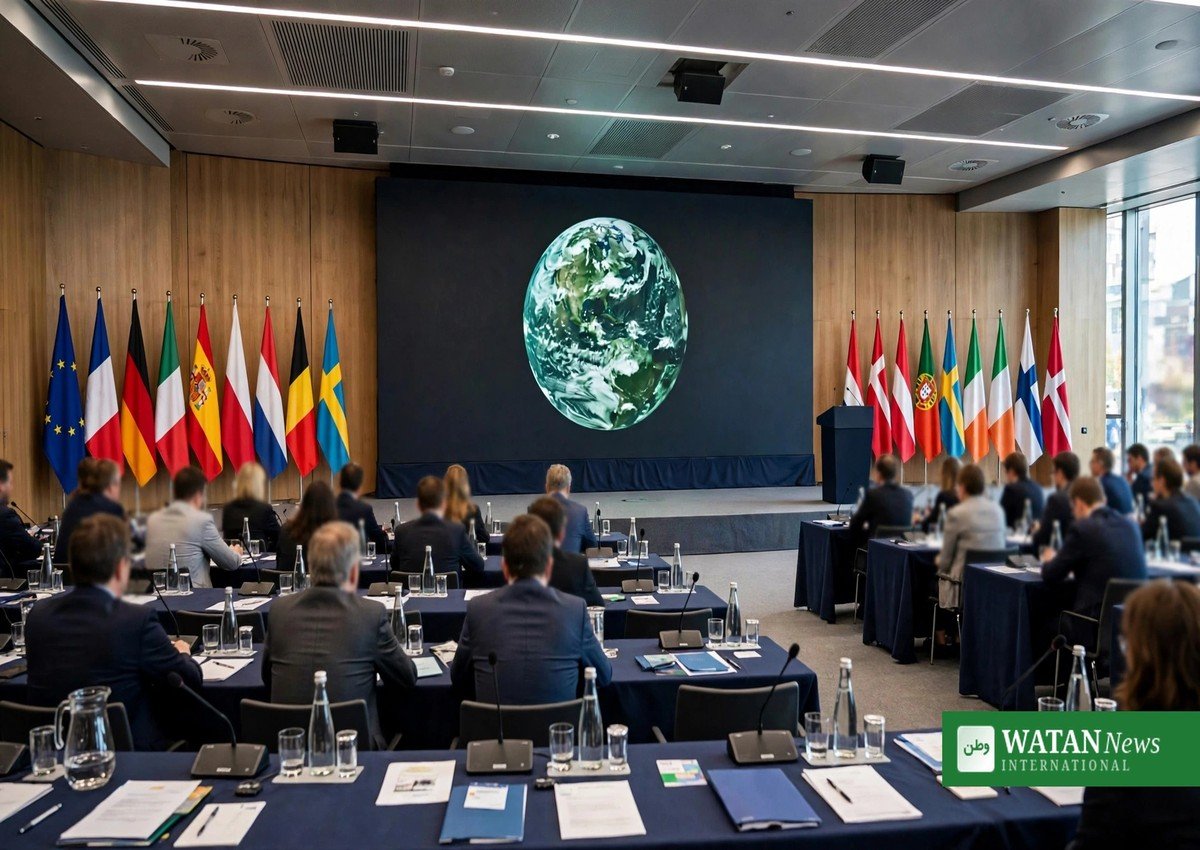
The European Union will use next month’s COP31 climate summit in Turkey to push for agreement on a “package” of efforts to reduce the greenhouse gas emissions heating the planet, an internal EU document seen by Reuters showed.
The strategy, detailed in a draft prepared by Ireland — which currently holds the EU’s rotating presidency — positions Brussels as the driving force for stronger climate action at the Antalya summit, at a time when recent UN climate talks have failed to produce tougher commitments to curb emissions.
Turning pledges into real-world action
At COP31, the EU will champion what it calls a “mitigation package” focused on turning countries’ existing climate pledges into concrete, real-world measures to reduce emissions, according to the document. EU climate ministers were due to discuss their COP31 strategy at a meeting on Monday.
The push comes as the world continues to face extreme weather linked to rising global temperatures. Large emerging economies and fossil fuel-producing nations have voiced concern about the impact of stricter climate policies on economic growth and development — a fault line that has repeatedly stalled progress at recent UN talks.
Extending the UN emissions track to 2040
A key EU demand will be to extend until 2040 the segment of UN climate negotiations where governments discuss how to reduce emissions and identify areas where more can be done. That negotiation track — known as the “mitigation work programme” — is currently due to expire this year, and its renewal would keep emissions-reduction dialogue formally on the agenda for the next 15 years.
Answering the 1.5°C verdict
The EU will also press countries to respond to the UN’s confirmation last month that the world is on course to miss the 2015 Paris Agreement’s target of limiting global warming to 1.5 degrees Celsius above pre-industrial levels.
After last year’s COP30 summit in Brazil ended without stronger commitments to rein in greenhouse gas emissions, EU diplomats say the bloc is planning a different approach for COP31 — avoiding public clashes over contentious issues and instead working with countries to implement the commitments they have already made.
The hard edges: funding and fossil fuels
The internal document states there is “no scope” for new climate funding commitments at COP31 — a position likely to put European nations at odds with poorer countries seeking more financial support for their green transitions.
“We will look to strengthen our partnerships to deliver practical progress on global climate action, specifically on the transition away from fossil fuels and on electrification,” Irish Climate Minister Darragh O’Brien said, according to the report.
Climate diplomacy also faces broader geopolitical strain after the United States pulled out of global climate negotiations.
FAKTA
- An internal EU document seen by Reuters shows Brussels will push a “mitigation package” at COP31 in Turkey to convert national climate pledges into real-world emissions cuts.
- A central demand: extend the UN’s mitigation work programme — the negotiations track on how to cut emissions — until 2040; its mandate expires this year.
- The EU wants countries to respond to the UN’s confirmation that the world will miss the Paris Agreement’s 1.5°C target.
- The document rules out new climate funding commitments at COP31, a stance likely to clash with developing nations.
- Irish Climate Minister Darragh O’Brien: focus on the transition away from fossil fuels and electrification.
What happens next
EU climate ministers will finalize the bloc’s negotiating stance before heading to Antalya, where the COP31 summit runs from 9 to 20 November. Whether the “mitigation package” survives the politics of the negotiating room will determine how much momentum the summit can build toward the next round of national climate plans. For more of Watan News International’s climate coverage, visit our English front page.
Author

usman2344913@gmail.com
Related Posts
EU vil presse på for “afbødnings-pakke” til hurtigere CO2-nedskæringer ved COP31, viser dokument
- 0
- 636 words
EU vil bruge næste måneds klimakonference COP31 i Tyrkiet til at presse på for en aftale om en “pakke” af tiltag til...
Read out all
کاپ31 میں کاربن اخراج میں تیزی سے کمی کے لیے یورپی یونین موسمیاتی پیکیج کا دباؤ ڈالے گا، دستاویز سے انکشاف
یورپی یونین اگلے ماہ ترکیہ میں ہونے والی موسمیاتی سربراہ کانفرنس کاپ31 میں کاربن ڈائی آکسائیڈ سمیت گرین ہاؤس گیسوں کے اخراج...
Read out all
Saudi Arabia Faces New Houthi Missile and Drone Barrage as Riyadh Airport Stays Closed
- 0
- 771 words
Saudi Arabia said on Monday that it was facing a new barrage of incoming Houthi missiles and drones, as Riyadh’s King Khalid...
Read out all
Hamburg Sustainability Conference åbner ansøgninger til fuldt finansieret Youth Ambassador-program 2027
- 0
- 394 words
Hamburg Sustainability Conference Youth Ambassador-programmet har åbnet ansøgningerne til 2027-udgaven. Unge bæredygtighedsledere fra det globale syd inviteres til at deltage i konferencen...
Read out all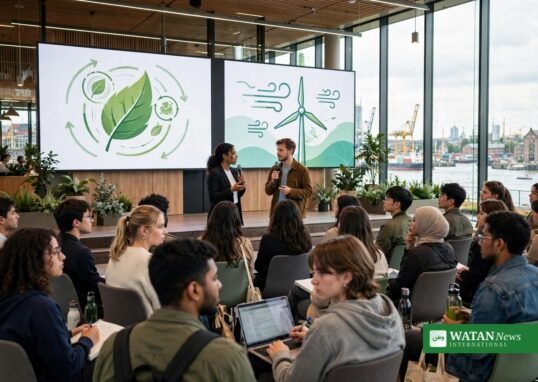
ہیمبرگ سسٹین ایبلٹی کانفرنس کا 2027 کے لیے مکمل مالی اعانت والا یوتھ ایمبیسیڈر پروگرام
ہیمبرگ یوتھ ایمبیسیڈر پروگرام نے اپنے 2027 کے ایڈیشن کے لیے درخواستیں طلب کر لی ہیں۔ گلوبل ساؤتھ کے نوجوان پائیدار ترقی...
Read out all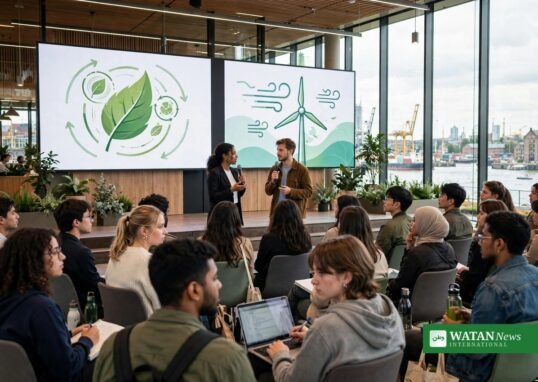
Hamburg Sustainability Conference Opens Fully Funded Youth Ambassador Programme for 2027
- 0
- 378 words
The Hamburg Sustainability Conference Youth Ambassador programme has opened applications for its 2027 edition, inviting young sustainability leaders from the Global South...
Read out all