- 0
- 623 words
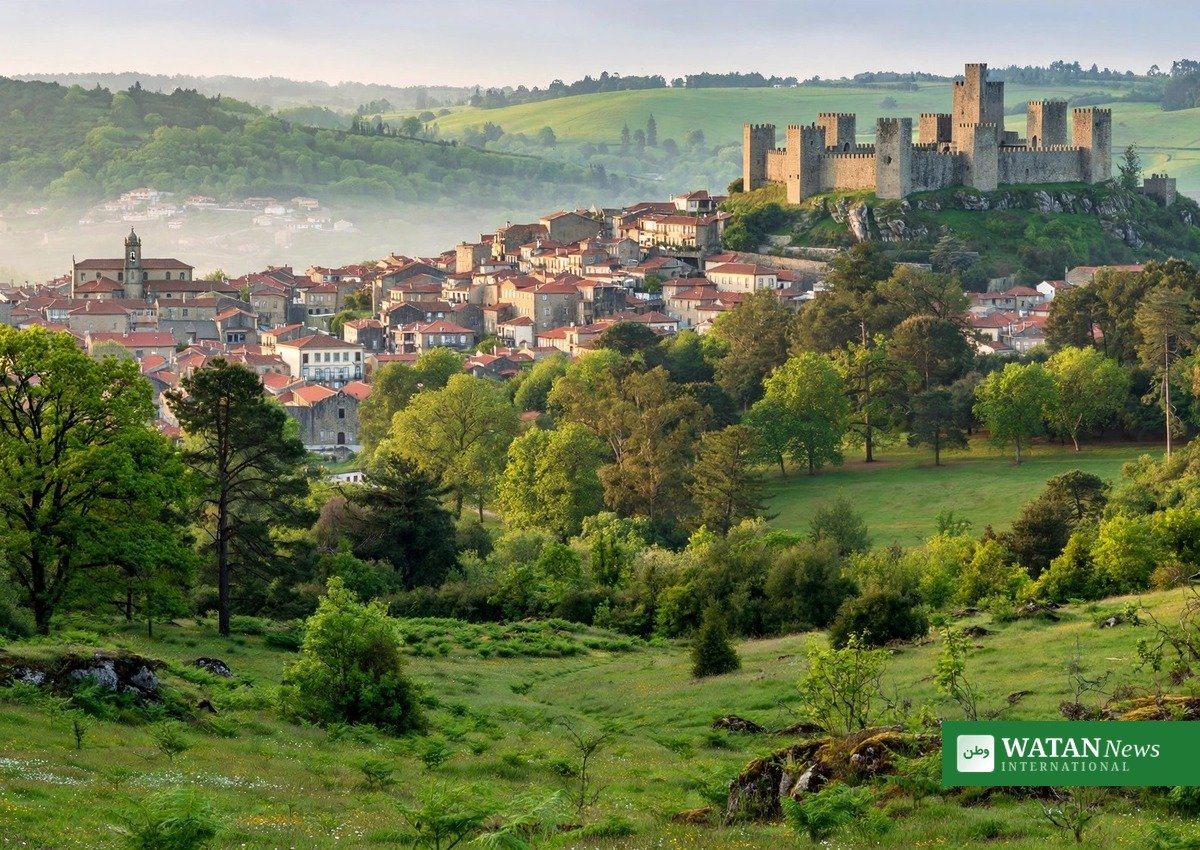
Eight European cities are just days away from learning which of them will carry the 2028 European Green Capital and Green Leaf titles — the European Commission’s flagship awards for urban sustainability. The winners will be announced on 8 October in Guimarães, Portugal, the city holding the 2026 Green Capital title.
The finalists were shortlisted from 27 eligible applicants following an assessment by independent experts, according to the Commission. The announcement has turned the spotlight on how Europe’s greenest cities are becoming its most attractive destinations — places where cleaner air, greener streets and climate-resilient design shape the visitor experience as much as the sightseeing.
Five cities vie for the Green Capital title
The 2028 European Green Capital award is open to cities with more than 100,000 inhabitants. The five finalists are:
- Aalborg (Denmark) — recognised for an integrated approach to climate adaptation, combining resilience planning with strong public participation and an effective waste management system;
- Bielsko-Biała (Poland) — credited with more than 30 climate actions that have cut emissions from heating and buildings, including the modernisation of district heating;
- Košice (Slovakia) — praised for balanced performance across all categories, involving residents in climate adaptation planning and encouraging businesses to reduce pressure on drinking water;
- Porto (Portugal) — standing out for water management and climate adaptation, backed by long-term infrastructure investment, ecosystem restoration and community engagement;
- Zaragoza (Spain) — impressing the judges with its commitment to biodiversity and green infrastructure.
Three smaller cities chase the Green Leaf
The European Green Leaf award is dedicated to smaller cities of 20,000 to 100,000 inhabitants. This year’s finalists are Benidorm and Chiclana de la Frontera (Spain) and Estarreja (Portugal).
Benidorm’s run is watched closely by the travel industry: a major Mediterranean tourist destination, the city has been recognised for efficient and resilient water management, green infrastructure that reduces the urban heat island effect, and for reducing emissions while managing high levels of tourism — showing, in the Commission’s framing, that mass tourism and climate resilience can be balanced.
What the jury is judging
The independent experts assessed applicant cities across seven environmental areas: air quality, water management, biodiversity and green areas, waste and circular economy, noise pollution, climate change mitigation and climate change adaptation.
The final selection stage takes place on 7 and 8 October, when the finalist cities will present their environmental vision, governance approach and communication strategies to a jury. The winners will be named on 8 October. The European Green Capital winner receives €600,000, while each Green Leaf winner receives €200,000 to support activities during the title year and further local transformation, according to the Commission.
Why it matters for green travel
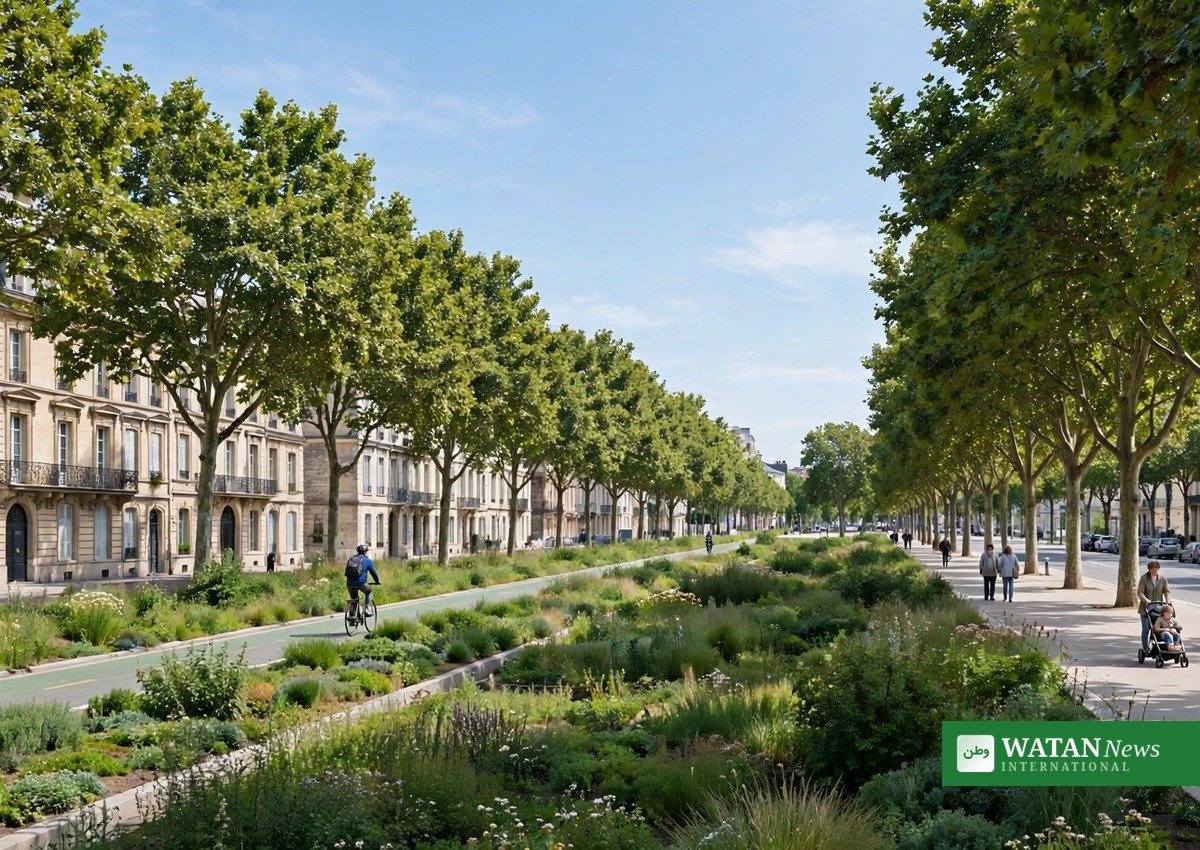
The Green Capital race is increasingly a sustainable tourism story. Cleaner streets improve walking conditions; green spaces provide relief during hotter summers; better water and waste systems support busy visitor economies. Spain holds the largest presence among the finalists with three cities — Zaragoza, Benidorm and Chiclana de la Frontera — while Portugal fields Porto and Estarreja alongside Denmark, Poland and Slovakia.
FAKTA
- Awards: 2028 European Green Capital and European Green Leaf, organised by the European Commission
- Finalists: 8 cities shortlisted from 27 eligible applicants
- Green Capital finalists: Aalborg, Bielsko-Biała, Košice, Porto, Zaragoza
- Green Leaf finalists: Benidorm, Chiclana de la Frontera, Estarreja
- Winner announcement: 8 October 2026 in Guimarães, Portugal
- Prize money: €600,000 for the Green Capital; €200,000 per Green Leaf winner
Europe’s green city movement is increasingly connected with the future of sustainable travel: cities that invest in clean air, green space and climate resilience are also building destinations people want to visit. Watan News follows sustainable tourism and green urban policy in its climate coverage.
Author

usman2344913@gmail.com
Related Posts
Greta Thunberg bakker Auroras anden klimasag mod Sverige op
- 0
- 679 words
Den svenske ungdomsklimaorganisation Aurora sagsøger igen den svenske stat over dens klimapligter med Greta Thunbergs støtte — Justitskansleren har godkendt en omarbejdet...
Read out all
گریٹا تھنبرگ کی حمایت میں اورورا کا سویڈن حکومت پر دوسرا موسمیاتی مقدمہ
سویڈن کی نوجوان موسمیاتی تنظیم اورورا نے فروری 2026 میں سویڈش حکومت کے خلاف دوسرا موسمیاتی مقدمہ دائر کیا؛ 22 ستمبر کو...
Read out all
Greta Thunberg Backs Aurora Youth Group’s Second Climate Lawsuit Against Sweden
- 0
- 686 words
The Swedish youth climate group Aurora is again taking the Swedish government to court over its climate duties, with Greta Thunberg's backing...
Read out all
Europæisk Green Capital 2028: Otte finalistbyer afventer afgørelsen den 8. oktober i Guimarães
- 0
- 628 words
Otte europæiske byer — fra Aalborg til Zaragoza — afventer afgørelsen den 8. oktober i Guimarães, hvor vinderne af titlerne som Europæisk...
Read out all
یورپی گرین کیپٹل 2028: آٹھ فائنلسٹ شہروں کا فیصلہ 8 اکتوبر کو گیمارائش میں ہوگا
یورپ کے آٹھ شہر — آلبورگ سے زاراگوزا تک — 8 اکتوبر کو گیمارائش میں 2028 کے یورپی گرین کیپٹل اور گرین...
Read out all
Separatist Parti Québécois Wins Quebec Election, Promises Independence Referendum
- 0
- 635 words
Paul St-Pierre Plamondon's Parti Québécois won Quebec's provincial election Monday, ending eight years of CAQ rule and promising another independence referendum.
Read out all