- 0
- 1,042 word
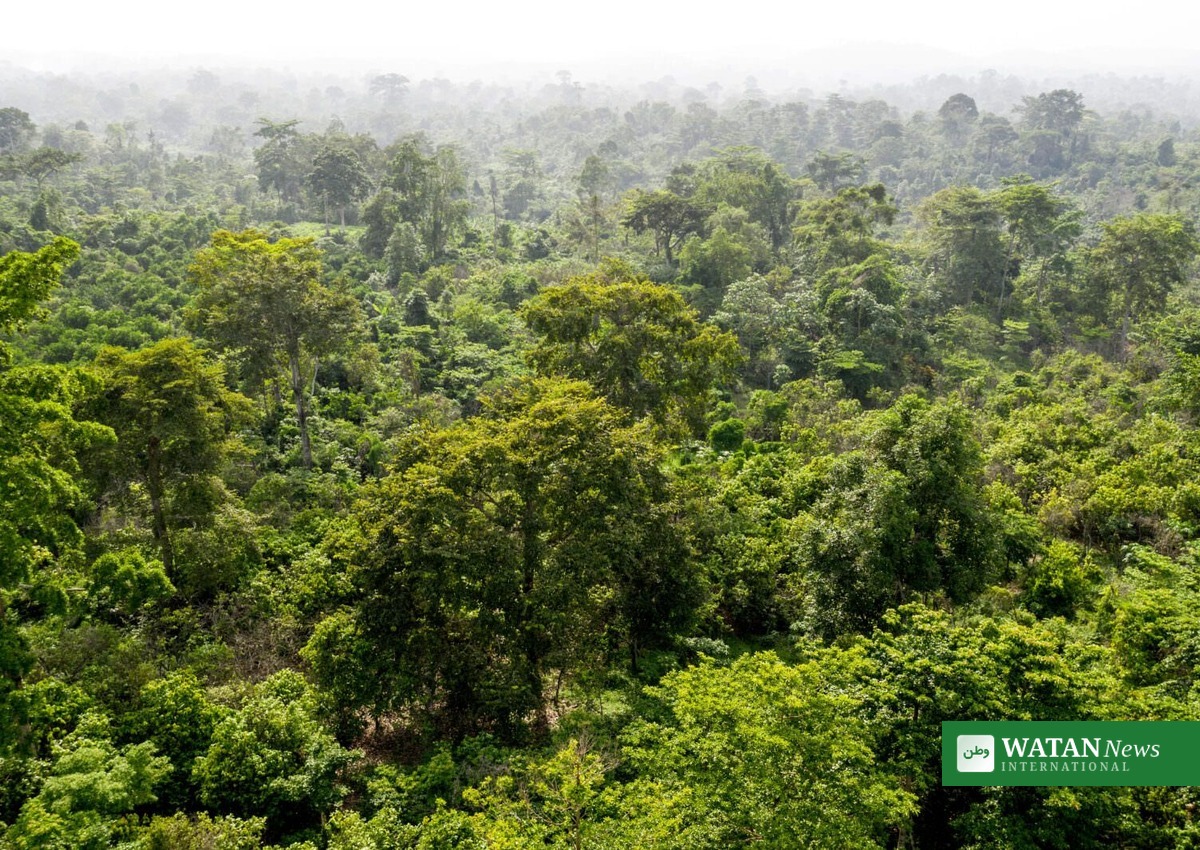
Ghana has become the first country in Africa to receive high-integrity forest carbon credits, in a milestone announced at the COP31 climate summit in Antalya that shows how protecting standing forests can now pay for itself.
The Architecture for REDD+ Transactions (ART) issued 6.57 million credits to the Government of Ghana on 12 November under its TREES standard, recognising verified reductions in emissions from deforestation and forest degradation achieved between 2017 and 2021 across about 2.5 million hectares of forest land.
What Ghana received
Ghana is the third country in the world to receive issued TREES credits, after Guyana and Costa Rica, and the first in Africa. The credits are also the first in the ART Registry to carry the Core Carbon Principles (CCP) Approved label from the Integrity Council for the Voluntary Carbon Market, and the first issued under ART’s TREES Crediting Level approach.
The announcement was made at the Ghana Pavilion at COP31, where Ghana’s Ambassador to Türkiye, Abdul Nasiru-Deen, read a statement on behalf of the Minister for Lands and Natural Resources, Emmanuel Armah-Kofi Buah.
Key facts
- 6.57 million TREES credits issued to Ghana on 12 November 2026.
- The credits cover verified emission reductions from 2017 to 2021 across about 2.5 million hectares.
- Initial payments of about US$43 million are expected for about four million tonnes of credits, priced at US$10 to US$13 per tonne.
- Ghana is the first African country and the third country worldwide to receive TREES credits.
- More than two-thirds of net proceeds are to go to local stakeholders under an agreed benefit-sharing plan.
What the money could mean
According to the Government of Ghana’s statement, the issuance is expected to trigger initial payments of about US$43 million from buyers, including through the LEAF Coalition, for the purchase of about four million tonnes of verified emission reductions at US$10 to US$13 per tonne. Ghana has also signed a purchase agreement with Emergent, the coordinator of the LEAF Coalition.
The buyers named by Emergent include the governments of the United Kingdom and Norway and the companies Amazon, Bayer, PwC and the Walmart Foundation. The money will flow through an independent financial intermediary, and under an agreed benefit-sharing plan more than two-thirds of net proceeds will go to local stakeholders, including farmers, communities and traditional authorities.
The distinction matters: issuance is not payment. The credits confirm verified emission reductions, but the payments follow only as the credits are bought and transacted.
The cocoa-forest landscape
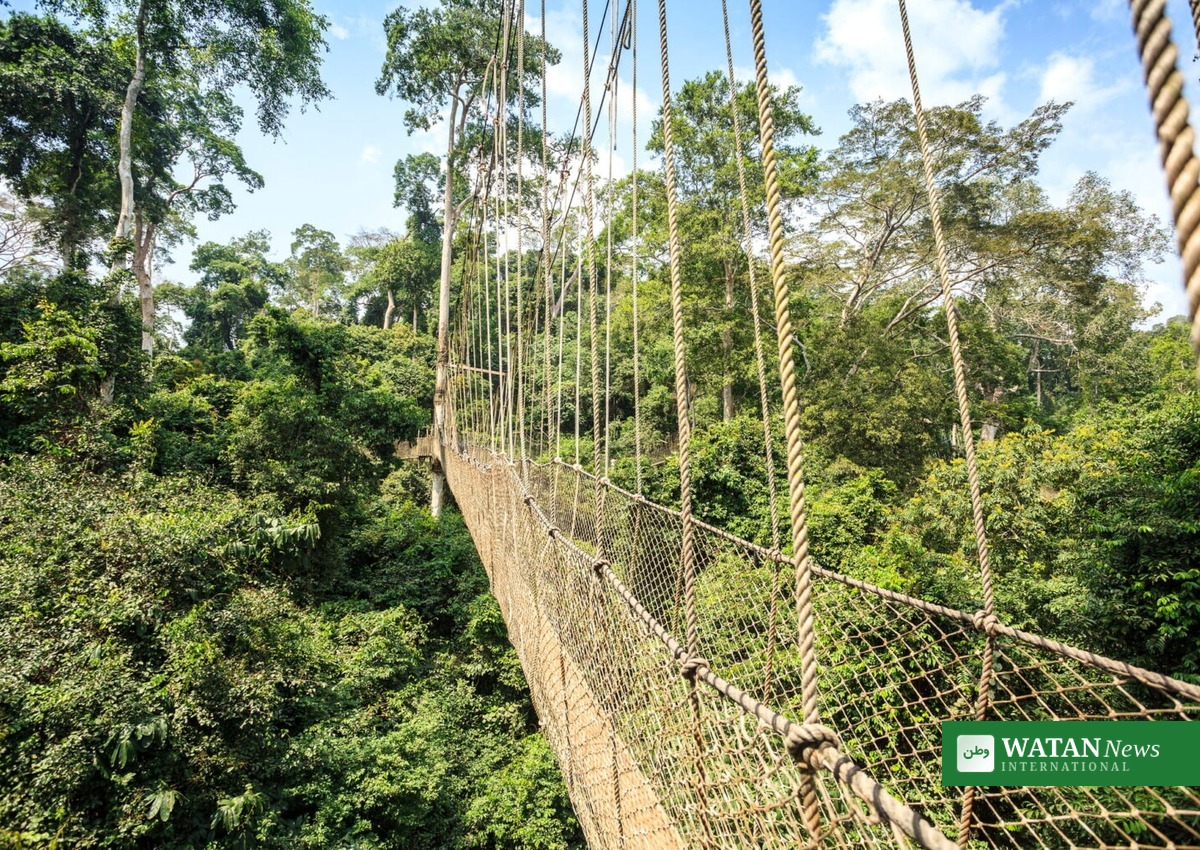
The canopy walkway at Kakum National Park in Ghana’s Central Region, in the country’s High Forest Zone.
Ghana’s programme covers about 2.5 million hectares across 10 regions in the country’s southern and central areas, focused on the cocoa-forest landscape of the High Forest Zone, where agricultural expansion, illegal logging, mining and wildfires continue to drive deforestation.
Martin Krause, director of the Climate Change Division at the United Nations Environment Programme (UNEP), said the credits represented nearly two decades of work by farmers, communities, traditional authorities and the Forestry Commission. “The next step is making sure the revenue reaches the people who protected the forest,” he said.
Joseph Appiah-Gyapong, director of the Climate Change Unit at Ghana’s Forestry Commission, said the systems and procedures built through the programme could attract further investment into the forest sector, and that Ghana was looking beyond carbon credits to biodiversity payments and payments for ecosystem services.
Hugh Brown, executive director of the Forestry Services Division, said maintaining forests required resources for equipping and training forest guards and regularly engaging communities. “This is not only for Ghana. It is for Africa and the world. Forest finance is a reality,” he said.
Why it matters beyond Ghana
Unlike individual forest carbon projects, jurisdictional programmes work across whole countries or large regions, letting governments coordinate forest protection policy and measure emission reductions at scale. Ghana’s issuance shows that model working in Africa for the first time.
Lina Barrera, senior vice-president for policy and incentives at Conservation International, said international carbon trading could unlock up to 50 per cent more emission reductions — about five billion tonnes a year by 2030 — if markets were properly designed. She said carbon markets, public finance and funds such as the Tropical Forest Forever Facility should complement one another in rewarding countries for protecting forests and directing benefits to communities.
The scale of the challenge remains large. Nick Godfrey, international government relations director at the Forest Stewardship Council, said finance directly harmful to nature reached US$7 trillion in 2023, more than 30 times the amount invested in nature-based solutions.
The milestone comes five years after 137 countries committed at COP26 in Glasgow in 2021 to halt and reverse forest loss and land degradation by 2030. At COP31, Indonesia launched its own ART TREES programme covering 38.6 million hectares, while the Tropical Forest Forever Facility has now gathered US$7.8 billion in pledges.
Ghana’s experience will now be watched closely by other African forest nations weighing whether the same route can pay for the forests they protect.
Frequently asked questions
What are TREES credits?
TREES is the REDD+ Environmental Excellence Standard run by the Architecture for REDD+ Transactions (ART). It issues credits for verified reductions in emissions from deforestation and forest degradation measured across a whole jurisdiction, such as a country or a large region, rather than a single project site.
Why is Ghana’s issuance a first for Africa?
Ghana is the first African country to receive issued TREES credits, and the third country worldwide after Guyana and Costa Rica. Its credits are also the first in the ART Registry to carry the Core Carbon Principles Approved label.
How much money could Ghana receive?
About US$43 million in initial payments is expected for the purchase of about four million tonnes of verified emission reductions at US$10 to US$13 per tonne. The payments depend on the credits being bought and transacted; the issuance itself is not a payment.
Who benefits from the money?
Under an agreed benefit-sharing plan, more than two-thirds of net proceeds will go to local stakeholders, including farmers, communities and traditional authorities, with the money flowing through an independent financial intermediary.
What is the LEAF Coalition?
The Lowering Emissions by Accelerating Forest Finance (LEAF) Coalition, established in 2021, is a public-private partnership of governments and companies that buys independently verified jurisdictional forest carbon credits. Emergent coordinates the coalition.
Author

usmanch0013@gmail.com
Related Posts
Ghana er det første afrikanske land, der modtager skovkulstofkreditter ved COP31
- 0
- 1,032 word
Ghana er det første afrikanske land, der har modtaget højkvalitets ART TREES-skovkulstofkreditter, annonceret ved COP31 i Antalya, med omkring 43 millioner dollars...
Read out all
کاپ31: گھانا افریقہ کا پہلا ملک جسے جنگلات کے کاربن کریڈٹ جاری ہوئے
گھانا افریقہ کا پہلا ملک ہے جسے اعلیٰ معیار کے اے آر ٹی ٹریز جنگلات کے کاربن کریڈٹ جاری ہوئے ہیں۔ یہ...
Read out all
Russian An-12 Transport Plane Crashes in Siberia, All 19 on Board Killed
- 0
- 539 words
A Russian military An-12 transport aircraft crashed in Siberia on Tuesday, killing all 19 people on board, Russia's Defence Ministry said. The...
Read out all
COP31-erklæring: Madspild skal ind i klimaplanerne
- 0
- 1,650 word
En COP31-erklæring, der støttes af fødevare- og klimagrupper, opfordrer regeringer til at skrive reduktion af madspild og fødevaretab ind i deres nationale...
Read out all
کاپ31 اعلامیہ: خوراک کے ضیاع کو موسمیاتی منصوبوں میں شامل کیا جائے
خوراک اور موسمیات کی تنظیموں کی حمایت سے جاری کاپ31 اعلامیہ حکومتوں سے مطالبہ کر رہا ہے کہ وہ خوراک کے نقصان...
Read out all
COP31 Declaration Asks Governments to Put Food Loss and Waste Into Climate Plans
- 0
- 1,595 word
A COP31 declaration backed by food and climate groups is asking governments to write food loss and waste reduction into their national...
Read out all