- 0
- 545 words
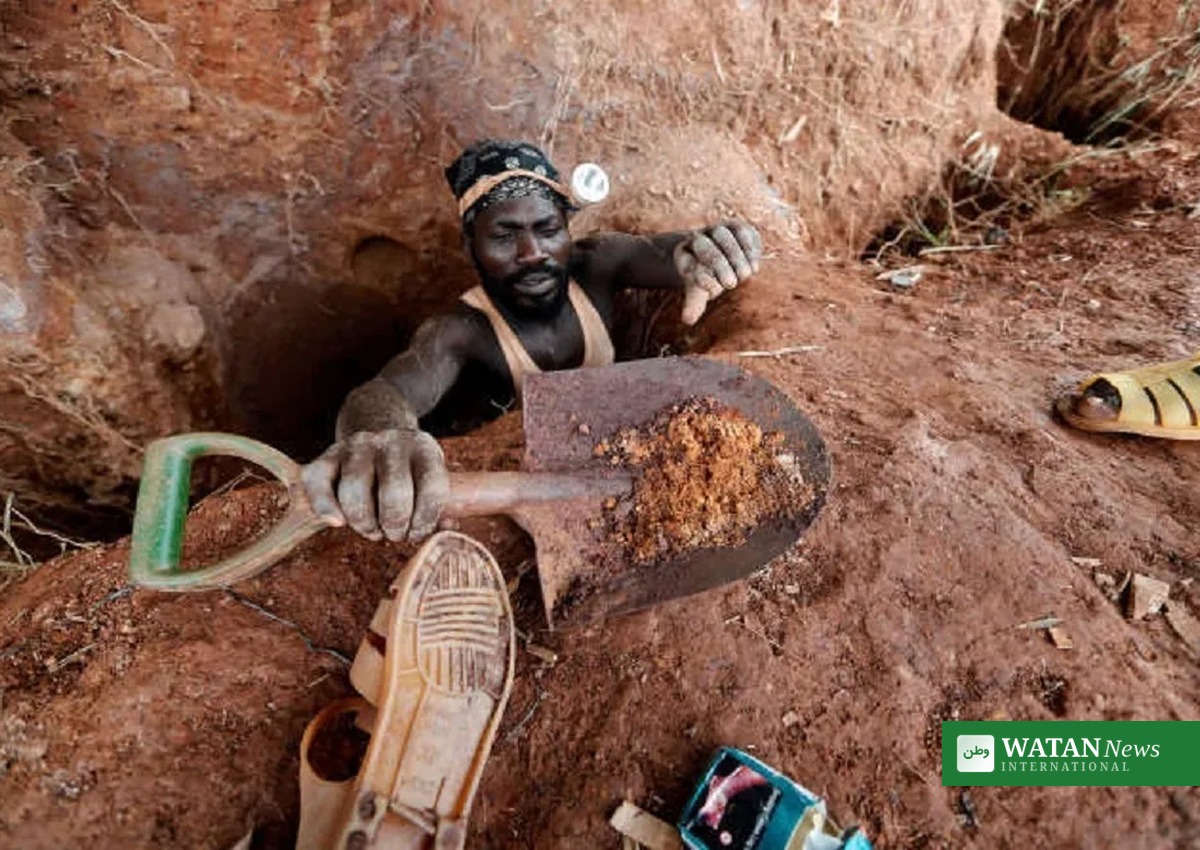
Ten people were killed and 13 injured in the Guinea Siguiri clashes on Wednesday, when security forces moved to enforce a ban on artisanal gold mining in the country’s north-eastern gold-producing region, Guinea’s Ministry of Territorial Administration said. Five of the dead were foreign nationals, whose nationalities were not disclosed.
FAKTA
- Killed: 10 people, including five foreign nationals; 13 injured, according to provisional government figures
- Where: Siguiri, in Guinea’s north-eastern gold-producing region
- When: Wednesday, 11 November 2026
- The ban: artisanal gold mining was banned on 2 November 2026
- Displaced: around 100,000 people in Bamako and nearly 60,000 in Kouremale, Mali
- Repatriated: 45,406 Burkinabe citizens, Burkina Faso said on Friday
What happened in the Guinea Siguiri clashes
The ministry said late on Thursday that the clashes occurred on Wednesday, when defence and security forces were verifying the implementation of the ban on artisanal gold mining in Siguiri. Protesters erected barricades on public roads, the statement said, and the situation escalated and shots were exchanged.
Security forces have arrested more than 1,200 suspected illegal miners in north-eastern Guinea since the crackdown began, and the first mass trials opened this week in the capital, Conakry, according to Mining.com.
Why Guinea banned artisanal gold mining
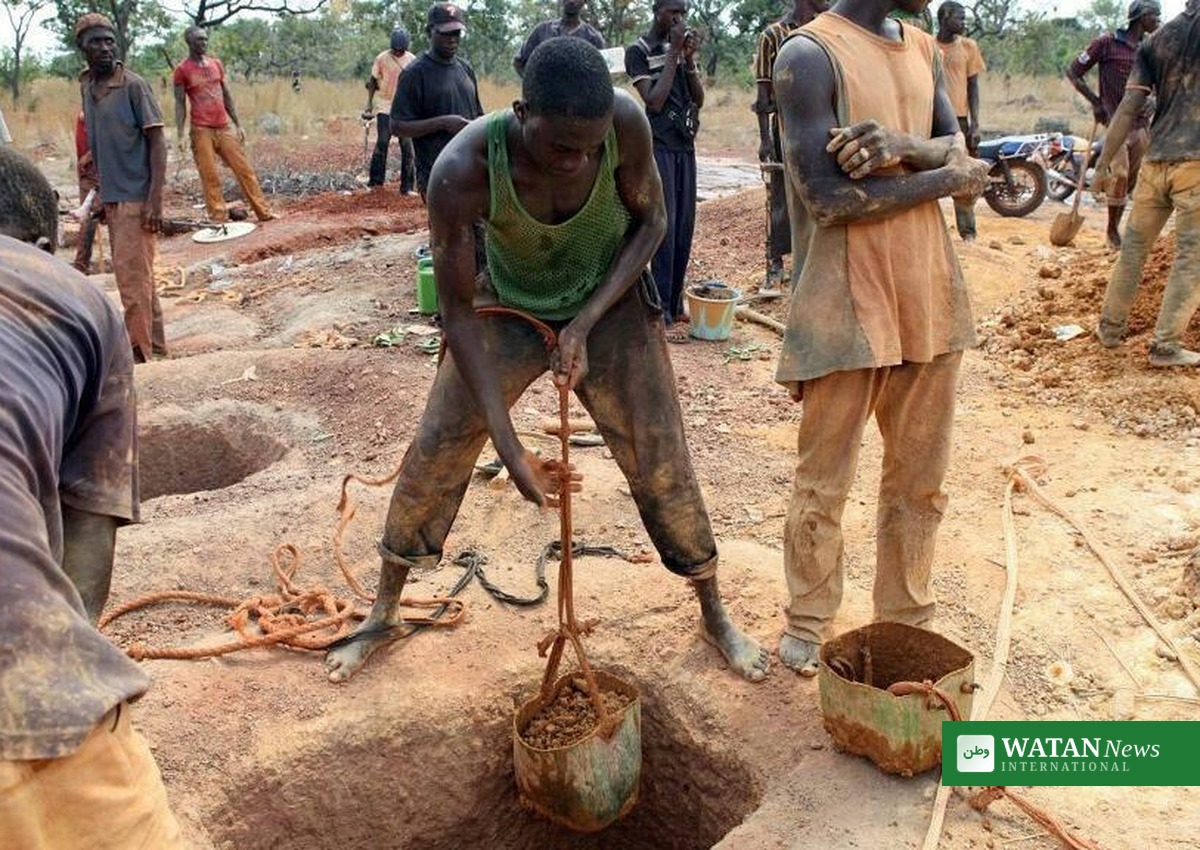
Guinea imposed the ban after authorities blamed unregulated mining operations for extensive environmental damage, including the contamination of agricultural land and rivers and the destruction of vegetation. Artisanal mining, driven by growing demand for metals and rising prices, is a common activity across much of West Africa.
Guinea, the world’s largest bauxite producer, also holds significant gold reserves, worked by industrial operators including Société Aurifère de Guinée, a subsidiary of AngloGold Ashanti, alongside semi-industrial companies and hundreds of artisanal miners, Mining.com reported.
Mass displacement across the region
The enforcement campaign has driven tens of thousands of miners and their families across the border. Mali said last week that around 100,000 people had arrived in the capital, Bamako, and nearly 60,000 more in the border town of Kouremale after they were forced to leave Guinea when the ban was announced. Mali has also recorded 11 deaths linked to the displacement crisis, separate from the fatalities reported in Guinea, Mining.com reported.
Burkina Faso said on Friday it had repatriated 45,406 of its citizens who were forced to leave Guinea as a result of the ban. Officials in Ouagadougou complained that their nationals were subjected to inhumane treatment during the expulsions, Mining.com reported.
The influx of displaced miners has raised concerns that armed extremist groups operating across the Sahel could exploit the growing humanitarian emergency to recruit vulnerable migrants. “These people are vulnerable. We are looking at ways to prevent them from being approached by terrorist networks,” a Malian security ministry official told Agence France-Presse, according to Mining.com.
What happens next
The casualty figures remain provisional, and the ministry has not said whether further enforcement operations are planned in the Siguiri region. The mass trials of arrested miners are under way in Conakry, while Mali and Burkina Faso continue to manage the arrival of tens of thousands of displaced people.
Read this story on Watan News: Guinea Siguiri clashes: ten killed in gold mining ban enforcement.
Author

usmanch0013@gmail.com
Related Posts

COP31 Green Zone Reopens to the Public as Finance and Trade Day Puts Sustainable Living in Focus
- 0
- 799 words
The COP31 Green Zone reopened to the public in Antalya on Friday 13 November after closing for the World Leaders Summit, with...
Read out all
US Shoots Down Two Iranian Drones Headed for Bahrain as Tehran Claims Radar Strike
- 0
- 633 words
US forces shot down two Iranian attack drones headed for Bahrain, CENTCOM said on Friday, disputing Tehran's claim that it destroyed a...
Read out all
Russia Reportedly Seeks Finland’s NATO Exit in Abu Dhabi Peace Talks
- 0
- 500 words
Bild reports Russian negotiators in Abu Dhabi put forward demands including Finland leaving NATO, a ban on alliance bases in the Baltic...
Read out all
UN Chief Guterres Holds Press Conference at COP31 as Finance Day Ends
- 0
- 1,016 word
United Nations Secretary-General António Guterres held a press conference at COP31 in Antalya on Friday, closing his final day at the conference...
Read out all
Germany Pledges €200 Million in Winter Aid for Ukraine
- 0
- 455 words
Germany has announced an extra €200 million ($221 million) in winter aid to help Ukraine keep electricity, heating and water running as...
Read out all
Türkiye and China Sign $15 Billion Renewable Energy Deal at COP31
- 0
- 1,104 word
Türkiye and China signed a $15 billion renewable energy agreement at COP31 in Antalya, covering 7 GW of solar and wind, energy...
Read out all