- 0
- 571 words
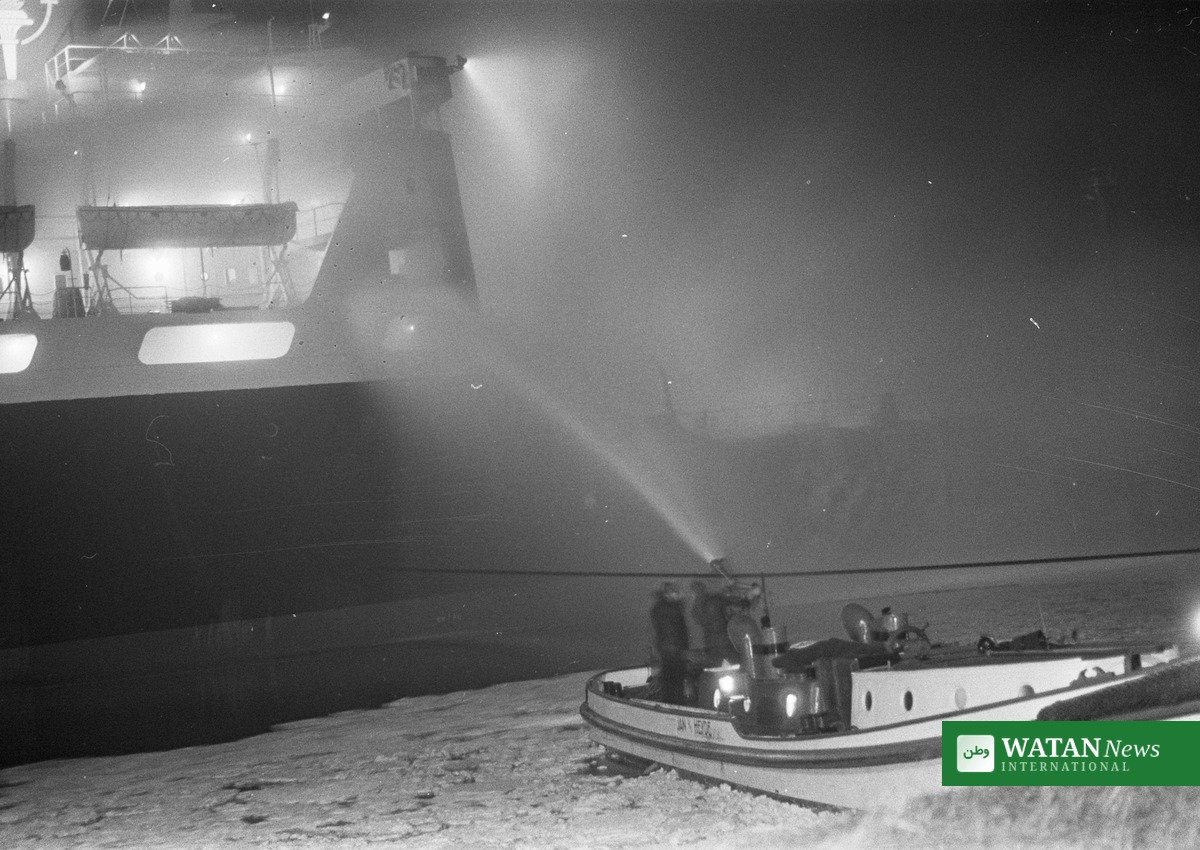
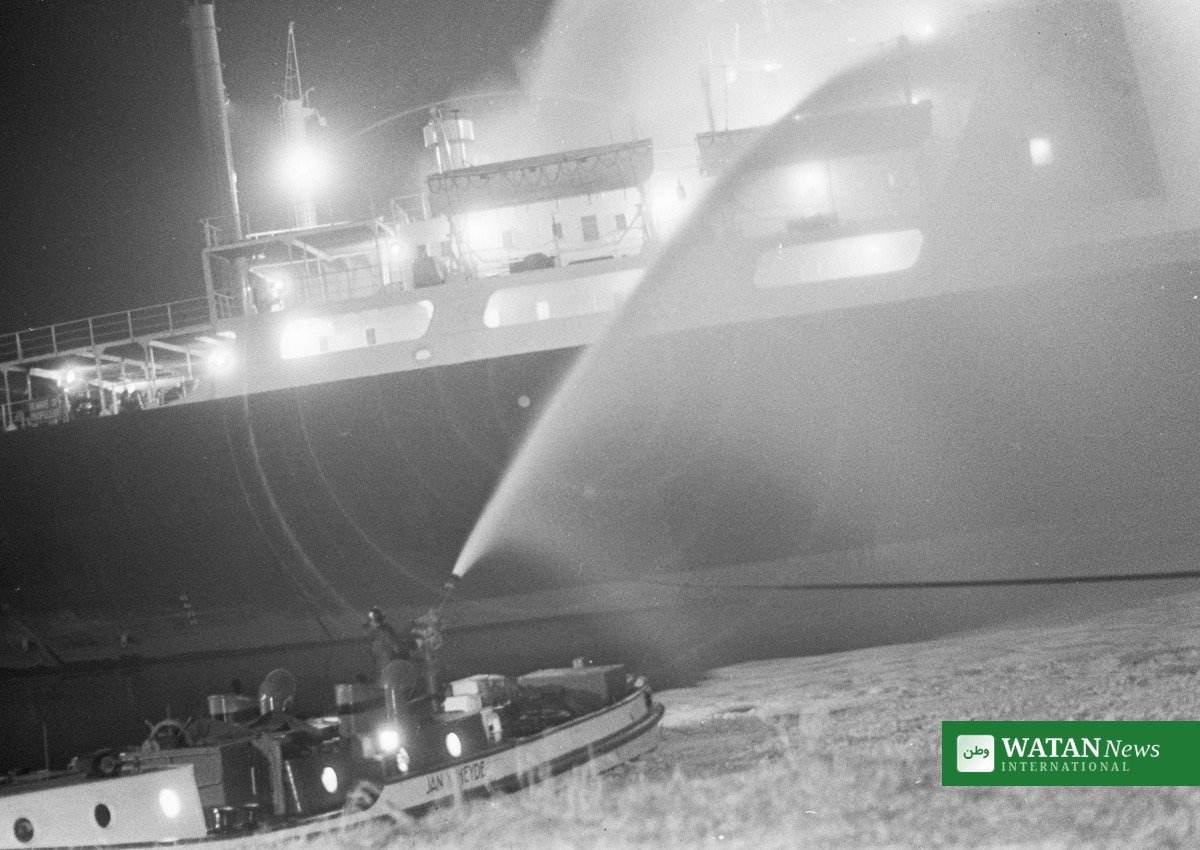
Iran’s navy says an oil tanker caught fire on Friday in the Gulf of Oman while attempting to pass through a restricted area east of the Strait of Hormuz with its tracking systems switched off — the latest Gulf of Oman tanker fire in a week of escalating attacks and accidents in the strategic waterway.
According to a statement from the Iranian Army Navy’s public relations office, monitoring teams detected the burning vessel during surveillance operations in the eastern part of the strait earlier on Friday. The navy said the tanker had disabled its tracking systems and was attempting to cross what Tehran calls a “prohibited area” in the Gulf of Oman, warning that uncoordinated movements through restricted routes create “insecurity and serious hazards for other vessels.”
FAKTA: What is known about the Gulf of Oman tanker fire
- What happened: An oil tanker was found on fire in a restricted zone east of the Strait of Hormuz on Friday, according to Iran’s navy.
- Vessel identity: The name, flag and operator of the tanker have not been disclosed.
- Crew and casualties: No information has been released about the crew’s condition.
- Cause: The cause of the fire has not been independently confirmed; Iran says the vessel was “violating” a prohibited area.
- Pattern: It is the third such tanker fire this week — Iran reported similar incidents on Tuesday and Thursday in the same zone.
Iran warns ships to coordinate transit
Iranian army spokesman Brigadier General Mohammad Akraminia said on Friday that ships and vessels intending to pass through the Strait of Hormuz must coordinate with the Iranian armed forces beforehand so they can transit safely. He accused the United States of forcing commercial vessels through what he called an “illegal route” south of the strait, which he said was unsafe and had exposed ships and cargoes to greater risks.
The US military’s Central Command, which oversees American operations in the region, had not commented on the latest incident as of publication. CENTCOM has repeatedly disputed Iranian claims of control over the waterway, saying the US and its regional partners keep the strait’s main routes free of mines and that more than 40 commercial ships transited in the previous 24 hours.
A week of ship losses in the strait
The fire comes days after the container ship GFS Pride sank near the Strait of Hormuz on Wednesday. Iran’s Revolutionary Guard said the Singapore-flagged vessel struck a naval mine while navigating an unauthorized route; CENTCOM said it was hit by a projectile fired by the Revolutionary Guard and sank while under tow. Singapore’s maritime authority confirmed all 21 crew members were safely evacuated.
Two days earlier, on Tuesday, Iran’s navy reported another “violating” oil tanker had caught fire after sustaining damage while attempting to cross the same restricted zone east of the strait with its tracking systems switched off.
Oil prices near record highs
The incidents have rattled energy markets. Brent crude futures settled at $109.86 a barrel on Friday — the first time above $110 at session highs since May 20 — as traders weigh mounting threats to Middle East shipping routes. Iran has restricted transit through the Strait of Hormuz since the US-Israeli war of aggression began on February 28, with daily vessel movements sharply reduced amid the naval blockade.
Author

usman2344913@gmail.com
Related Posts

The World’s Best Island and Seaside Escapes: A 2026 Guide to Shores of Wonder
- 0
- 1,234 word
Some coastlines you visit; others you remember for the rest of your life. This guide to the best island seaside escapes brings...
Read out all
IMF Urges Latin America to Cut Debt and Lift Productivity While Conditions Hold
- 0
- 641 words
The International Monetary Fund has urged Latin American governments to use still-favourable global conditions to cut public debt and raise productivity, warning...
Read out all
Crown Prince Christian Turns 21: New Portraits and a Rare Royal Honour
- 0
- 721 words
Denmark's royal family has marked a major milestone: Crown Prince Christian, the heir to the Danish throne, turned 21 on 15 October...
Read out all
Pakistan and Alibaba Deepen Digital Economy Partnership at Bangkok Talks
- 0
- 671 words
Pakistan is accelerating its push toward a digital-first economy. On the sidelines of the World Bank Group–IMF Annual Meetings 2026 in Bangkok,...
Read out all
Trump Dismisses Press Secretary Katie Zacharia After Five Days in the Role
- 0
- 904 words
President Donald Trump has dismissed Katie Zacharia as White House press secretary, advisers to the president told CNN on Friday, ending her...
Read out all
Russia Builds Major Drone Attack Base in Six Weeks, Satellite Images Show
- 0
- 1,111 word
Satellite imagery analyzed by Reuters shows Russia has nearly completed a major new drone attack base in its southwestern Rostov region in...
Read out all