- 0
- 1,389 word
ANTALYA: A new global network that turns climate education into climate action will launch at COP31 in Antalya tomorrow, Tuesday 11 November 2026. The Global Youth Climate Action Network (GYCAN) brings together universities, governments, United Nations bodies and young people from the Global North and the Global South — with an ambition to reach member universities in 100 countries by 2030.
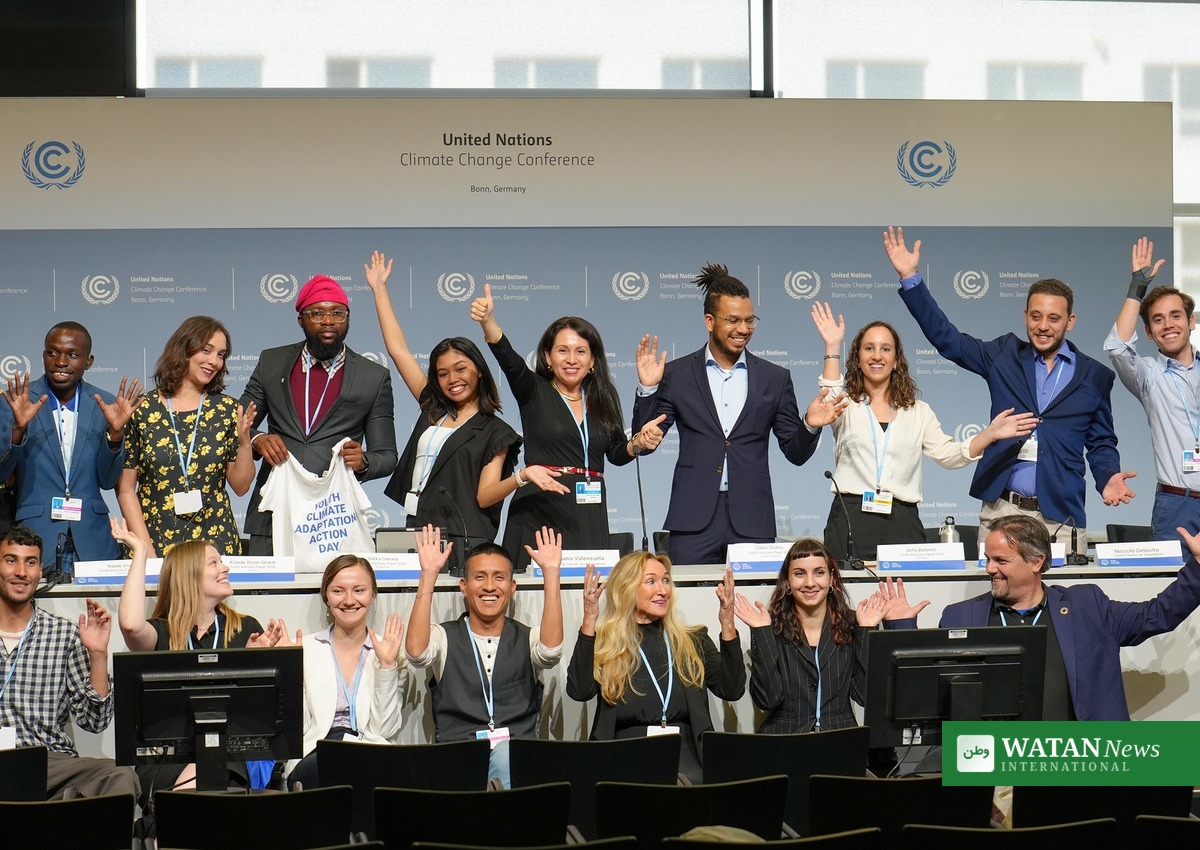
The launch comes in the first week of the COP31 climate summit, where young people are already shaping the agenda: youth delegates handed their demands to the COP31 presidency as the summit opened, and the Children and Youth Pavilion is running as the conference’s only fully youth-led space. GYCAN is the week’s newest institution — a permanent network built to carry that youth presence beyond the two weeks in Antalya.
What is GYCAN?
GYCAN describes itself as a global alliance of universities, governments, UN bodies and civil-society organisations that connects young people and higher-education institutions across the Global North and the Global South. Its founding idea is simple, in the network’s own words: education is climate action. Universities train the engineers, teachers, planners and leaders who will deliver the net-zero transition, yet capacity, research and finance remain deeply unequal between North and South — and the network exists to close that gap.
The network was built through two public webinars on the road to Antalya — “Climate Finance and NDC 3.0” on 30 September and “Green Skills for Next Generation” on 26 October — and its official launch at COP31 will be accompanied by a launch communiqué setting out its programme.
Six founding partners
GYCAN is launched by six founding partners, supported by advisers from fifteen countries:
- The UNESCO Chair on Education for Sustainable Development, Green Skills and Climate Actions — the academic anchor and convenor;
- The Bangladesh Climate Change Trust, under Bangladesh’s Ministry of Environment, Forest and Climate Change;
- Bappenas, Indonesia’s Ministry of National Development Planning;
- Global Youth Philanthropy, from the United States;
- Ethiopia’s Ministry of Industry; and
- The World Health Organization Regional Office for Africa.
The founding governing board is chaired by Professor Dr Mohammad Nurunnabi, the UNESCO Chair, with Kazi Rawnaqul Islam, managing director of the Bangladesh Climate Change Trust, and H.H. Princess Abeer S. bin Farhan Al Saud as co-chairs.
What member universities must do
Every member university signs up to six core commitments — the common framework against which members are held accountable:
- Set an institutional net-zero target with a defined timeline, and report annual Scope 1–3 emissions under a standardised protocol;
- Weave climate and sustainability modules into 50 per cent of study programmes by 2028, and develop certified green-skills tracks;
- Join regional research consortia on climate solutions and share results through open-access platforms;
- Support youth-led climate initiatives, and pair universities across the Global North and South in exchanges and joint projects;
- Publish annual sustainability reports under a common framework and take part in university impact rankings; and
- Contribute to a regional dashboard tracking progress on quality education and climate action.
The network will run six regional hubs and a digital platform, GreenBook, where member universities and young people share green initiatives, research, courses and best practice.
Young people at the centre
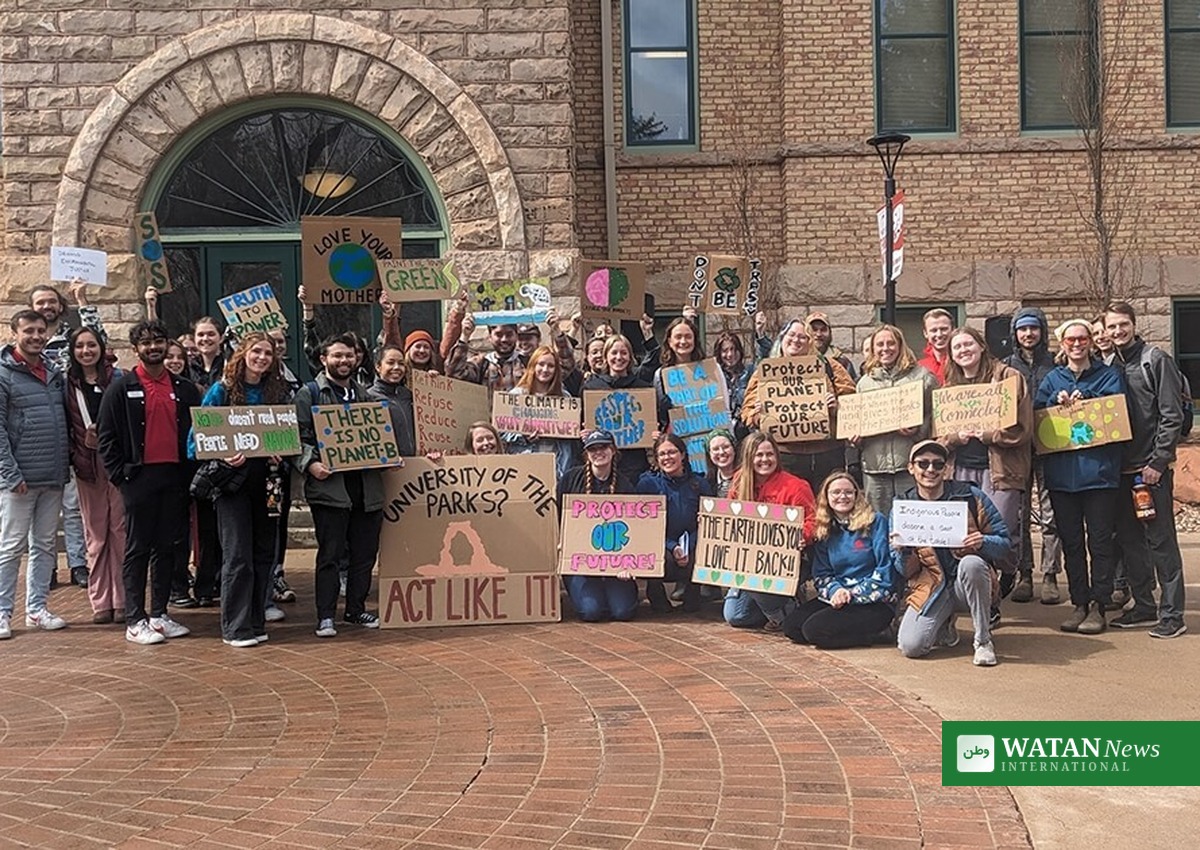
Young leaders aged 18 to 35 hold a seat on GYCAN’s governing board and co-design its initiatives — a deliberate break from networks where youth are consulted only after decisions are made. The launch is backed by three policy papers prepared for COP31: a benchmark of green skills and youth employment across 55 countries; a mapping of youth engagement across all 30 COPs, from Berlin in 1995 to Belém in 2025, with a roadmap for COP31 and the agenda through 2035; and a brief on thirty years of COP decisions and health, which finds health appeared in only 21 of 740 COP decisions and sets out ten recommendations for COP31 and COP32.
The network says its ambition is clear: “member universities and partners in 100 countries by 2030, a green mindset on every campus, and a generation of young leaders equipped to deliver a just, green and sustainable future.”
A busy week for youth at COP31
GYCAN’s launch is one strand of a crowded youth programme in Antalya this week. The Youth-led Climate Forum, run by YOUNGO — the official children and youth constituency of the UNFCCC — with the COP Presidency and the UNFCCC Secretariat, opens its first session today, 10 November, on just transition, food systems and ocean stewardship, with further sessions on 11 and 13 November and a headline event on 14 November, the summit’s Children and Youth Day.
Today also brings a youth mental-health session, “Reflect to connect”, at the Children and Youth Pavilion from 10:00 to 10:45, led by the Global Youth Ambassadors, five young ambassadors whose declaration — written with constituencies in 12 countries — sets out eight demands, including that young people be treated as partners in climate decisions. At 13:00, Peace Boat’s Youth for the SDGs programme hosts an ocean-literacy session at the Moana Blue Pacific Pavilion, featuring young people from small island states.
On the COP’s opening day, Nordic youth presented “The North We Want”, a joint statement built from the input of 145 young people across the Nordic region, calling for science-based policy, a meaningful youth voice in decisions, and a faster phase-out of fossil fuels. Five youth-led events are scheduled at the Nordic Pavilion during the summit. And at the Global Youth Coalition’s GYC House in Antalya’s old town, a hybrid closing ceremony takes place today, while its “Hack for the Futures” workshops run until 13 November.
Young people have already made their mark on the summit itself: youth delegates handed their demands to the COP31 presidency as the summit opened, and the Children and Youth Pavilion returned with ten young spokespersons aged 14 to 31. GYCAN’s test will be whether the energy of this week becomes a lasting structure — campuses, curricula and careers — once the delegates go home.
Key facts
- The Global Youth Climate Action Network (GYCAN) officially launches on 11 November 2026 at COP31 in Antalya, Türkiye.
- Six founding partners: the UNESCO Chair on Education for Sustainable Development, Green Skills and Climate Actions; the Bangladesh Climate Change Trust; Bappenas (Indonesia); Global Youth Philanthropy (US); Ethiopia’s Ministry of Industry; and the WHO Regional Office for Africa.
- Ambition: member universities in 100 countries by 2030, with advisers from 15 countries and six regional hubs.
- Young leaders aged 18–35 hold a seat on the governing board and co-design the network’s initiatives.
- Member universities commit to net-zero targets, emissions reporting, climate modules in 50 per cent of programmes by 2028, and annual sustainability reports.
- The context, cited by GYCAN from WMO, UNEP and IPCC figures: 2024 was 1.55°C above the pre-industrial level; global emissions hit a record 57 GtCO2e in 2023; a 42 per cent cut is needed by 2030; and 3.3–3.6 billion people live in contexts highly vulnerable to climate change.
Frequently asked questions
What is GYCAN?
The Global Youth Climate Action Network is a global alliance of universities, governments, UN bodies and civil-society organisations, launched at COP31 in Antalya. It connects young people and higher-education institutions across the Global North and the Global South to turn climate education into climate action.
Who founded GYCAN?
Six founding partners: the UNESCO Chair on Education for Sustainable Development, Green Skills and Climate Actions; the Bangladesh Climate Change Trust; Bappenas of Indonesia; Global Youth Philanthropy of the United States; Ethiopia’s Ministry of Industry; and the WHO Regional Office for Africa. The network is supported by advisers from fifteen countries.
What do member universities commit to?
Six commitments: an institutional net-zero target with a timeline; annual reporting of Scope 1–3 emissions; climate and sustainability modules in half of all programmes by 2028; certified green-skills tracks; participation in regional research consortia; and annual sustainability reports under a common framework — alongside youth exchanges pairing universities in the North and South.
How can young people take part?
Young leaders aged 18–35 hold a seat on GYCAN’s governing board and co-design its initiatives. Young people can also take part through member universities and through GreenBook, the network’s digital platform for sharing green initiatives, research, courses and best practice.
What else is happening for youth at COP31 this week?
The Youth-led Climate Forum holds sessions on 10, 11 and 13 November, with a headline event on 14 November, the summit’s Children and Youth Day. The Children and Youth Pavilion runs throughout the summit, the Global Youth Ambassadors are holding events on youth mental health and youth-led design, and Nordic youth presented their joint statement “The North We Want” on the opening day.
Author

usmanch0013@gmail.com
Related Posts

PLA-Linked Chinese University Bought Nvidia H200 Chips Despite US Blacklist, Records Show
- 0
- 832 words
Northwestern Polytechnical University, a Chinese university with deep ties to the People's Liberation Army, bought two Nvidia H200 AI chips for $123,000...
Read out all
Kulturarv tager scenen ved COP31, da ICOMOS åbner seks dages konference i Antalya
- 0
- 1,109 word
ICOMOS har åbnet en seks dages konference om kulturarv og klimaindsats ved COP31 i Antalya og opfordrer regeringer til at sætte kulturarv...
Read out all
کاپ31 میں ثقافتی ورثہ مرکزِ توجہ: انطالیہ میں آئیکوموس کی چھ روزہ کانفرنس کا آغاز
آئیکوموس نے کاپ31 انطالیہ میں ثقافتی ورثہ اور موسمیاتی اقدام پر چھ روزہ کانفرنس کا آغاز کیا ہے، اور حکومتوں سے مطالبہ...
Read out all
Cultural Heritage Takes Centre Stage at COP31 as ICOMOS Opens Six-Day Conference in Antalya
- 0
- 1,170 word
ICOMOS has opened a six-day Cultural Heritage in Climate Action conference at COP31 in Antalya, calling on governments to put heritage into...
Read out all
Fire Breaks Out at Russia’s Ust-Luga Port After Drone Attack; Three Workers Hurt
- 0
- 505 words
A drone attack caused a fire at Russia's Ust-Luga Baltic Sea port, injuring three workers and cutting power, as Lithuania, Latvia and...
Read out all
US Indicts Three Iran-Backed Operatives Over RAF Fairford Terror Plot
- 0
- 1,058 word
Three Iran-backed men have been charged in the United States over the RAF Fairford terror plot and nearly 20 attacks across Europe...
Read out all