- 0
- 1,047 word
Helsinki has approved a new Climate Action Plan for 2026–2029, setting out the Finnish capital’s next phase of climate action after closing its last coal-fired power plant cut the city’s direct greenhouse gas emissions by 29% in 2025. With transport now the largest source of direct emissions, the Helsinki Climate Action Plan shifts the focus to cleaner mobility — and to preparing the city for more frequent heatwaves, heavy rainfall and flooding.
The end of coal brought fast results
The effect of ending coal showed up quickly in the numbers. Helsinki’s direct greenhouse gas emissions fell by 29% in 2025 compared with the previous year, and measured against 1990, the city’s direct emissions are now 67% lower.
“The biggest reductions have come from energy production. Closing the Salmisaari coal plant last year was a major step,” says Hanna Wesslin, Climate Director at the City of Helsinki.
The end of coal has also opened new opportunities for urban development. At Hanasaari, the former power plant that closed in 2023, and its surrounding area are being planned for new uses through an international idea and implementation competition, combining the reuse of the industrial site with a new residential and business district.
Transport is now the biggest challenge
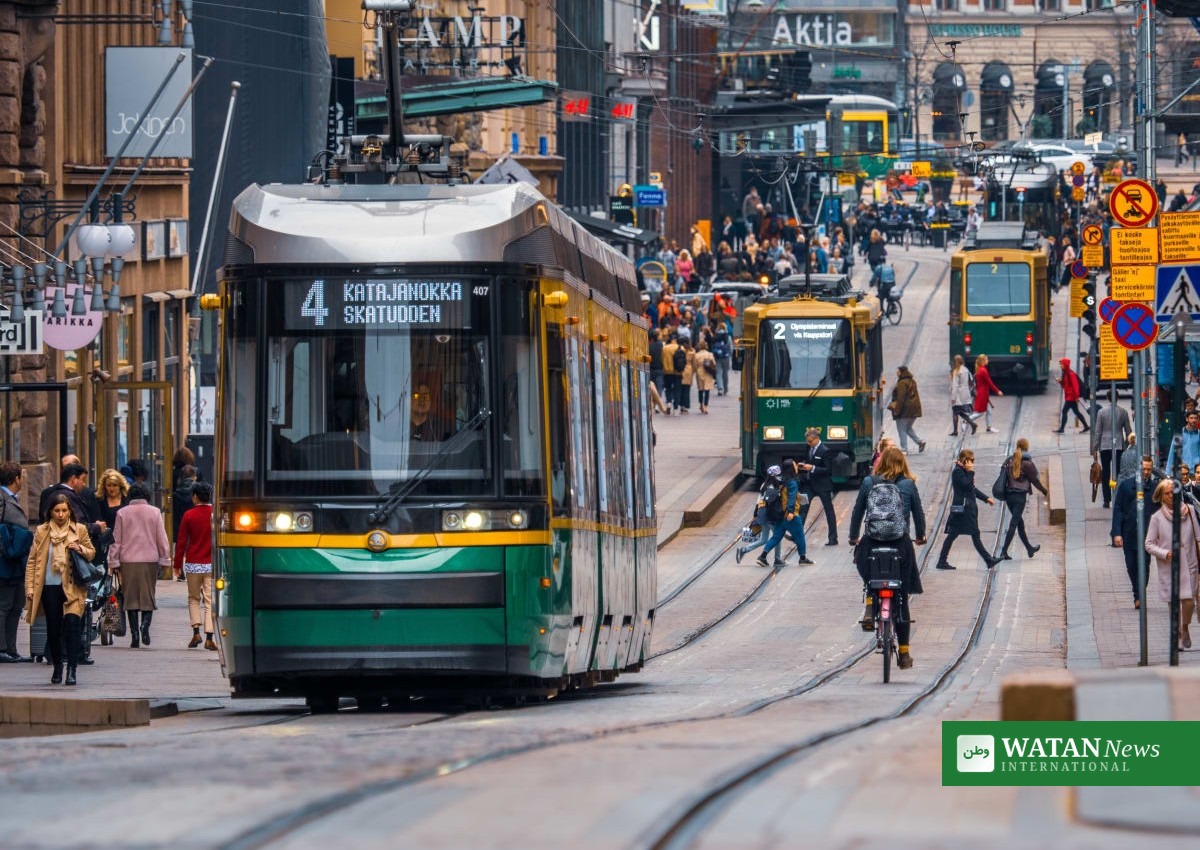
With coal gone, transport has become the next phase of Helsinki’s emissions picture. The plan aims to accelerate vehicle electrification by supporting housing companies in developing charging infrastructure, enabling charging operators to expand the public charging network, and electrifying the city’s own vehicle fleet.
The plan also includes measures to promote the electrification of local waterborne traffic and the use of shore power by vessels in port. Helsinki and neighbouring Espoo are also planning environmental zones for delivery vans and trucks, which would be the first of their kind in Finland. The zones are being prepared together with the transport and logistics sector, with the aim of cutting emissions while keeping deliveries and businesses running.
“Helsinki has shown that a Nordic capital can close its coal plants and still keep homes warm through the winter. The next phase is just as practical: more electrical transport, shadier schoolyards and buildings made with lower-carbon materials,” says Daniel Sazonov, Mayor of Helsinki.
Designing the city for a changing climate
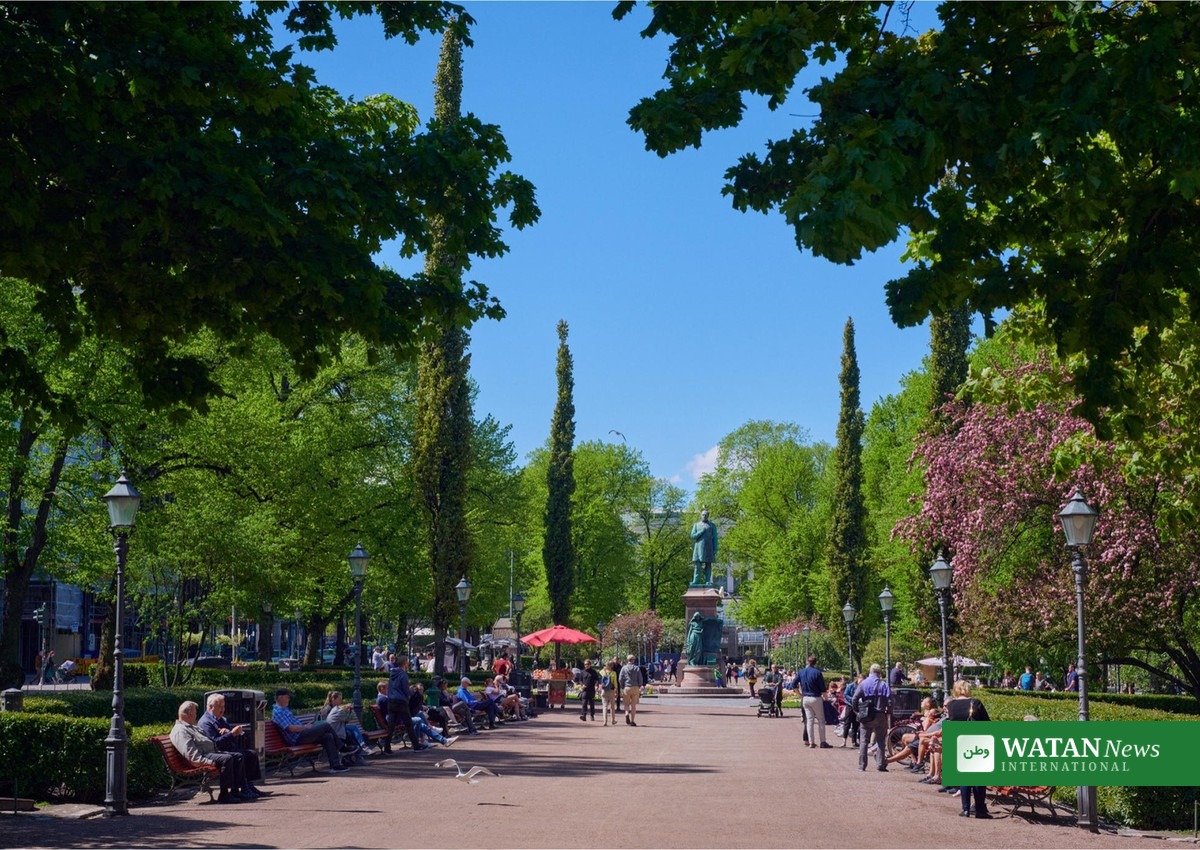
The effects of climate change are already visible in Helsinki, and adaptation is becoming a regular part of how the city plans its streets, public buildings and neighbourhoods. The city has mapped the risks of heatwaves, heavy rainfall, flooding and sea-level rise across Helsinki, and compared that map with the locations of services used by the people most exposed to them, including children, older people and people with long-term illnesses. Measures are directed first to the places where the risks are highest, such as daycare centres and schools.
In practice, this means more trees and shade in school and daycare yards and along streets, greenery and water-absorbing surfaces that soak up stormwater and reduce flooding, and cooling as standard in new public buildings. The city has already concluded that most new service buildings will need a central cooling system in the future. The updated risk data feeds into the city’s preparedness plan, flood programme and heat plan.
Low-carbon construction
Alongside direct emissions, the plan addresses indirect emissions — those generated outside the city’s boundaries, for example in producing building materials — with construction as a priority. The city has already tightened energy-efficiency requirements for its building projects and increased its use of lower-emission materials.
The new plan includes tightening carbon-footprint limits for new apartment buildings and promoting lower-emission construction materials. Climate criteria will also be applied to the city’s highest-emission purchases: construction, transport, ICT and food services.
Why cities matter after COP31
The announcement comes days after the COP31 climate talks in Antalya closed without a deal, leaving cities to carry much of the practical work forward. Urban areas account for about 70% of global greenhouse gas emissions, according to Helsinki’s own plan, so what cities do next matters far beyond their boundaries.
Helsinki’s electrification push also runs in the same direction as the Global Electrification Pledge launched at COP31, which aims to raise electricity’s share of global final energy consumption to 35% by 2035. The city was also named the world’s most sustainable travel destination in the 2026 Global Destination Sustainability Index, for the third year in a row.
Key facts
- Plan: Helsinki Climate Action Plan 2026–2029, approved by the City Board on 7 September 2026 and announced on 25 November 2026.
- Emissions: direct greenhouse gas emissions fell 29% in 2025 compared with 2024, and are 67% below 1990 levels.
- Targets: direct emissions down 85% by 2030 compared with 1990, and net zero by 2040.
- Transport: now the largest source of the city’s direct emissions after coal’s closure.
- Environmental zones: planned with Espoo for delivery vans and trucks — the first of their kind in Finland.
- Adaptation: more trees and shade, water-absorbing surfaces and cooling in new public buildings, prioritised for children, older people and people with long-term illnesses.
Frequently asked questions
What is Helsinki’s Climate Action Plan 2026–2029?
It is the City of Helsinki’s programme for 2026–2029 that brings emission reductions, carbon sinks, adaptation and preparedness together in a single plan. The City Board approved it on 7 September 2026, and the city announced it on 25 November 2026.
How much have Helsinki’s emissions fallen?
The city’s direct greenhouse gas emissions fell by 29% in 2025 compared with 2024, driven largely by the closure of the Salmisaari coal plant. Compared with 1990, direct emissions are now 67% lower.
What are Helsinki’s climate targets?
Helsinki aims to cut its direct greenhouse gas emissions by 85% by 2030 compared with 1990 levels, and to reach net zero by 2040, using both natural carbon sinks such as forests and technical carbon removal.
Why is transport the focus now?
After coal’s closure, transport is the largest remaining source of the city’s direct emissions. The plan accelerates vehicle electrification, expands charging infrastructure, electrifies the city’s own fleet and local waterborne traffic, and introduces environmental zones for delivery vehicles with Espoo.
How is Helsinki preparing for hotter summers and heavier rain?
The city has mapped the risks of heatwaves, heavy rainfall, flooding and sea-level rise, and directs measures first to the places where the risks are highest, such as daycare centres and schools. The measures include more trees and shade, greenery and water-absorbing surfaces, and cooling as standard in new public buildings.
Author

usmanch0013@gmail.com
Related Posts

Houthis Attack Aramco’s Jazan Refinery, Saudi Coalition Says
- 0
- 628 words
Yemen's Houthis attacked Saudi Aramco's Jazan refinery on Thursday, the Saudi-led coalition said, a day after the group claimed a strike on...
Read out all
De fleste regeringer mangler en strategi for klimainformation, viser første globale kortlægning
- 0
- 1,455 word
Forum on Information and Democracy’s første globale kortlægning af 23 lande og EU finder, at de fleste regeringer ikke har nogen selvstændig...
Read out all
پہلی عالمی جانچ میں انکشاف: اکثر حکومتوں کے پاس موسمیاتی معلومات کی کوئی قومی حکمت عملی نہیں
ایف آئی ڈی کی پہلی عالمی جانچ میں 23 ممالک اور یورپی یونین کا جائزہ لیا گیا: اکثر حکومتوں کے پاس موسمیاتی...
Read out all
Most Governments Lack a Climate Information Strategy, First Global Mapping Finds
- 0
- 1,427 word
The Forum on Information and Democracy’s first global mapping of 23 countries and the EU finds most governments have no standalone strategy...
Read out all
Elektrisk hjem kan spare en typisk britisk husstand 1.200 pund om året
- 0
- 1,080 word
Ny analyse fra Storbritanniens Climate Change Committee viser, at en typisk husstand kan spare 1.200 pund om året ved at blive elektrisk...
Read out all
بجلی کی طرف منتقلی سے عام برطانوی گھرانا سالانہ 1,200 پاؤنڈ بچا سکتا ہے
برطانیہ کی موسمیاتی تبدیلی کمیٹی کے نئے تجزیے کے مطابق عام گھرانا بجلی کی طرف منتقلی سے سالانہ 1,200 پاؤنڈ بچا سکتا...
Read out all