- 0
- 861 words
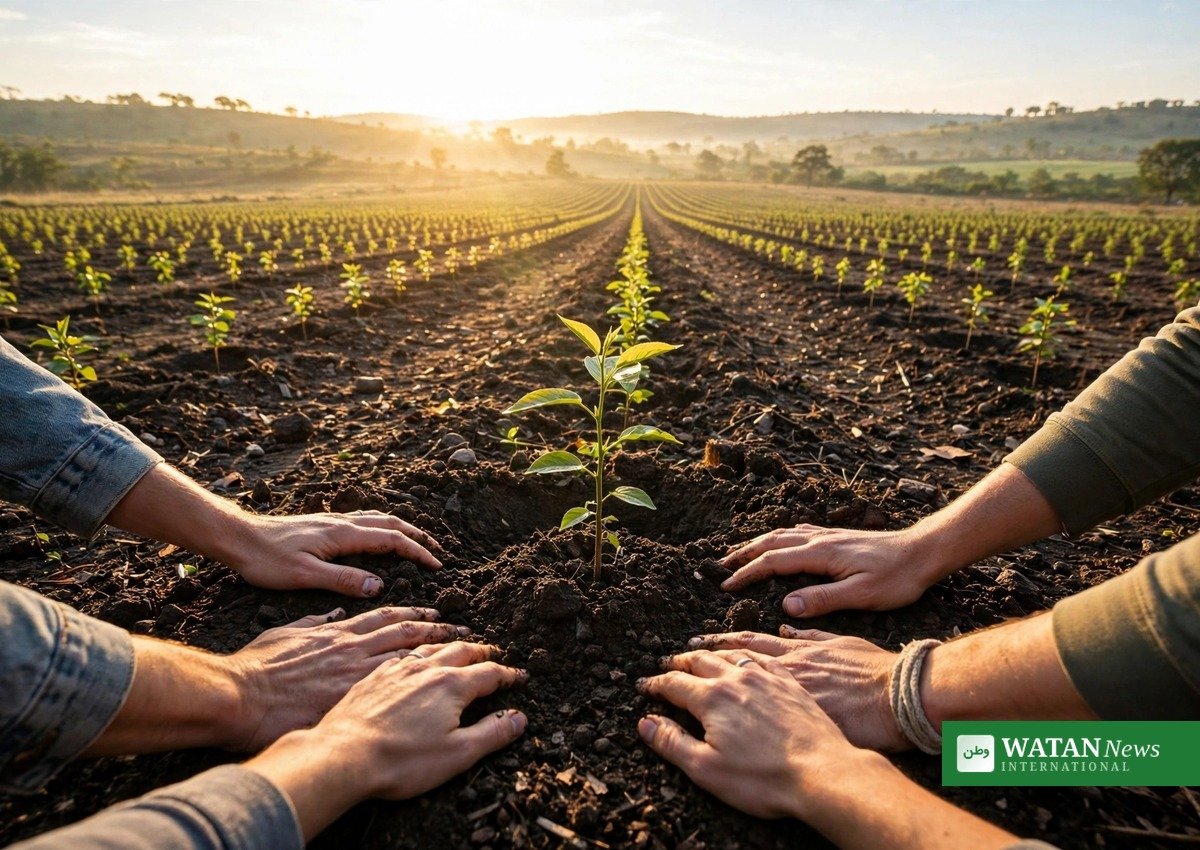
This is an explainer, not a breaking news report. From football stadiums to street corners, tree-planting drives are accelerating worldwide — and the science behind them is getting sharper. FIFA and the Arbor Day Foundation are working toward one million trees across the 2026 World Cup host cities, England has unveiled a £53 million fund for 500,000 new trees, and countries from Türkiye to Denmark are expanding afforestation programmes. What does planting trees actually do for the climate? Here is what the verified data says.
Key facts
- Global forests: 4.06 billion hectares cover 31% of the world’s land area, according to the UN Food and Agriculture Organization’s Global Forest Resources Assessment 2020.
- Cooling: trees on city streets can reduce air temperatures by as much as 4°C, according to the UK government.
- Flood defence: one mature tree can intercept over 15,000 litres of rainwater a year.
- Plantation pushes: FIFA and the Arbor Day Foundation aim to plant one million trees across the 16 World Cup 2026 host cities; more than 250,000 have been planted so far.
- The caveat: the world has lost 178 million hectares of forest since 1990 — an area the size of Libya — and planted forests must survive to lock in carbon.
A forest the size of Libya — the global picture
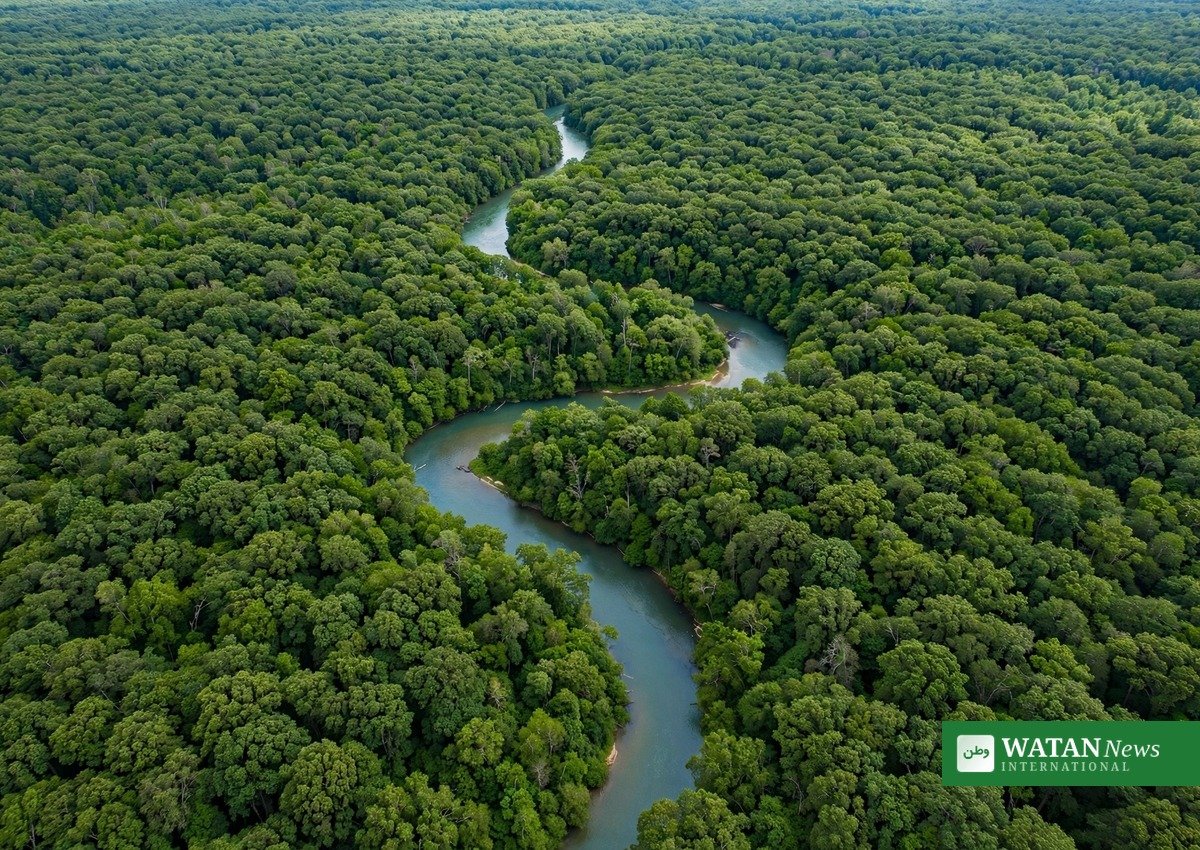
The world’s forests cover 4.06 billion hectares, about one-third of all land, or roughly 0.52 hectares per person, according to the UN Food and Agriculture Organization’s Global Forest Resources Assessment 2020. Tropical forests account for the largest share at 45%, and more than half of all forests sit in just five countries: Russia, Brazil, Canada, the United States and China.
Since 1990 the world has lost 178 million hectares of forest — an area comparable to the size of Libya. The rate of net loss has slowed, thanks to reduced deforestation in some countries and afforestation in others. Africa recorded the highest annual rate of net forest loss between 2010 and 2020 at 3.9 million hectares a year, followed by South America at 2.6 million, while Asia achieved the highest net gain. Planted forests worldwide expanded by 123 million hectares. Watan News has previously covered climate initiatives shaping the global agenda.
What trees do for cities: cooling and flood defence
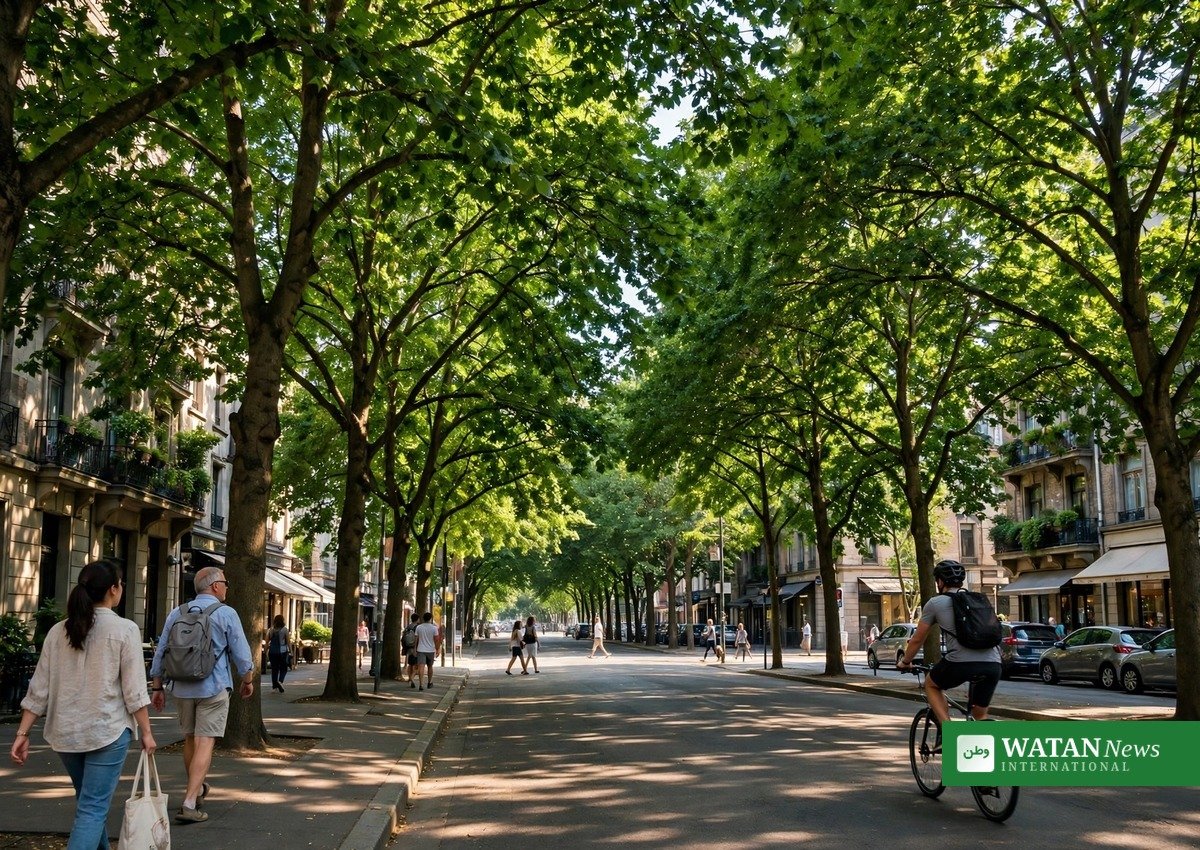
The strongest science for tree planting comes from cities, where most people live. According to the UK government, trees on streets can reduce air temperatures by as much as 4°C, making heatwaves more bearable — the shade cuts direct heat and the leaves release water vapour that cools the air. One mature tree can also intercept over 15,000 litres of rainwater a year, reducing flood and water run-off risks during storms. Trees additionally support biodiversity in nature-depleted urban areas, provide habitats for birds, and have been shown to reduce noise pollution and improve residents’ wellbeing.
That science is now driving policy. In an announcement on 30 September 2026, the UK’s Environment Secretary unveiled a £79 million package for nature recovery in England, including £53 million for a Community Trees Fund that will plant up to 500,000 new trees outside woodlands — on streets, in parks and across rural landscapes — between April 2027 and March 2030. A further £26 million will back locally led nature recovery strategies, with almost all of England now covered by such plans.
Plantation pushes around the world
The football world is planting too. FIFA, together with the Arbor Day Foundation, is supporting reforestation and community tree planting projects across all 16 FIFA World Cup 2026 host cities in Canada, Mexico and the United States. The programme aims to plant one million trees through reforestation across North American forests, plus more than 12,000 trees in parks, school campuses and trail systems through community projects. More than 250,000 trees have already been planted through 19 forest projects and 20 community planting events, delivered with 24 local partners and projected to span more than 2,000 acres — roughly 1,000 football pitches. The Arbor Day Foundation says it has helped plant more than 600 million trees in over 60 countries since 1972.
In Türkiye, the host of November’s COP31 climate summit in Antalya, the country’s forestry chief told a session of the FAO Committee on Forestry (COFO 28) that Türkiye has increased its forest cover to 30% of its land area — 23.4 million hectares — ranking fourth in the world for increased forest cover in FAO reports and first in Europe for afforestation, according to the report of his remarks. And the European Commission has approved a €626 million Danish state aid scheme to support afforestation, helping landowners convert agricultural land into forests to boost carbon sequestration, biodiversity and drinking-water protection.
Planting is not enough — right tree, right place
Scientists stress that plantation drives only deliver climate benefits if the trees survive. New saplings need years of care, the right species must match local soil and water conditions, and newly planted areas need protection from fire, grazing and re-clearing. A headline figure of trees planted is not the same as hectares of permanent forest. As governments prepare to discuss forests at COP31 in Antalya from 9 to 20 November, the measure that matters most will be not how many seedlings go into the ground — but how many grow into forests that stay.
Author

usman2344913@gmail.com
Related Posts
Sådan køler træplantning byer og bremser oversvømmelser: Klimavidenskaben bag den globale plantningsbølge
- 0
- 864 words
Forklarende artikel: gadetræer kan sænke lufttemperaturen med op til 4°C, og et fuldvoksent træ opfanger 15.000 liter regnvand om året — den...
Read out all
شجر کاری شہروں کو کیسے ٹھنڈا رکھتی اور سیلاب سے کیسے بچاتی ہے: عالمی شجر کاری مہمات کے پیچھے موسمیاتی سائنس
معلوماتی مضمون: شہر کی سڑکوں پر درخت درجہ حرارت 4 ڈگری سینٹی گریڈ تک کم کر سکتے ہیں اور ایک بالغ درخت...
Read out all
Fra skrald til atmosfære: Hvorfor nul affald er en klimastrategi
- 0
- 968 words
Plastikaffaldet er på vej til næsten at tredobles inden 2060, mens kun 9 % genanvendes, og madspild står for 8–10 % af...
Read out all
کچرے سے فضا تک: صفر فضلہ موسمیاتی حکمت عملی کیوں ہے
او ای سی ڈی کے مطابق 2060 تک پلاسٹک کا فضلہ تقریباً تین گنا ہو سکتا ہے جبکہ صرف 9 فیصد ری...
Read out all
Former Bachelor star Sam Wood charged with domestic violence
- 0
- 603 words
Former Bachelor star Sam Wood has been charged with domestic violence offences — assault occasioning bodily harm and strangulation — after police...
Read out all
From Bin to Atmosphere: Why Zero Waste Is a Climate Strategy
- 0
- 976 words
Plastic waste is on course to almost triple by 2060 while only 9% is recycled, and wasted food generates 8–10% of global...
Read out all