- 0
- 737 words
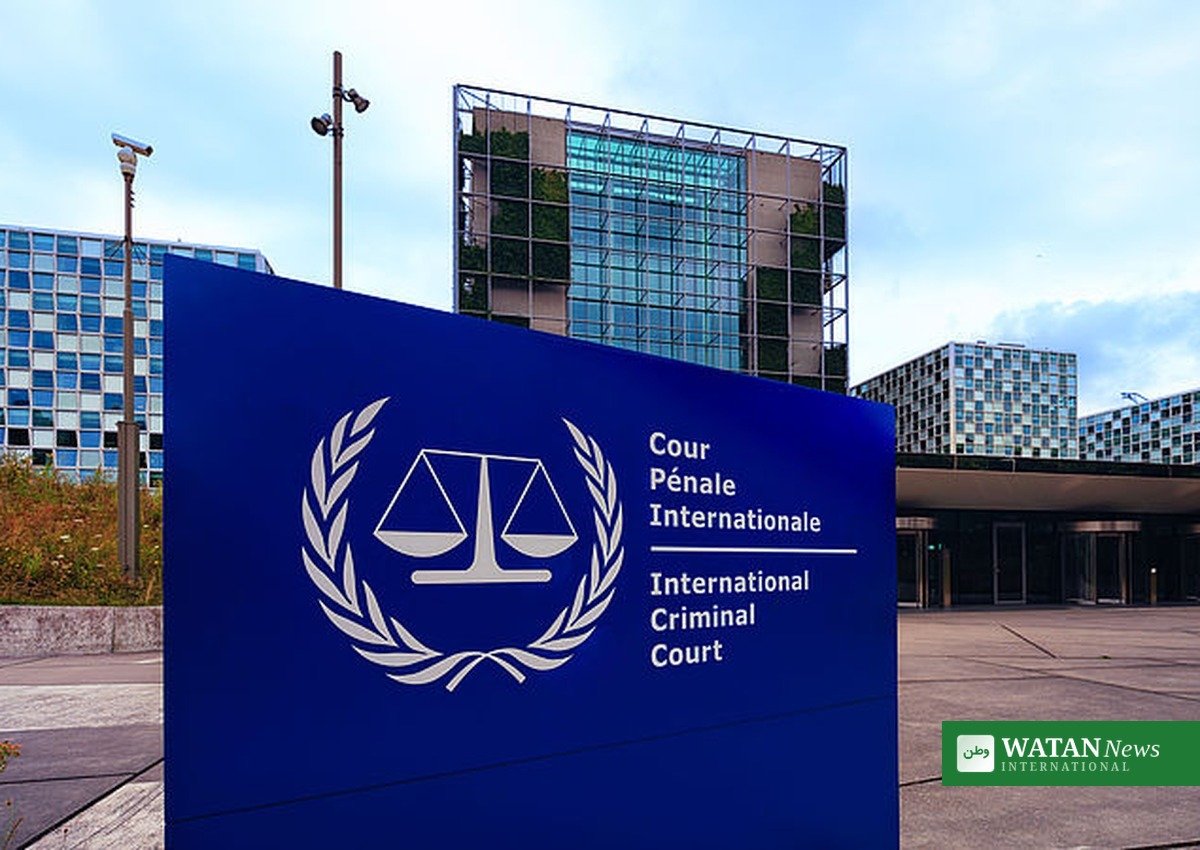
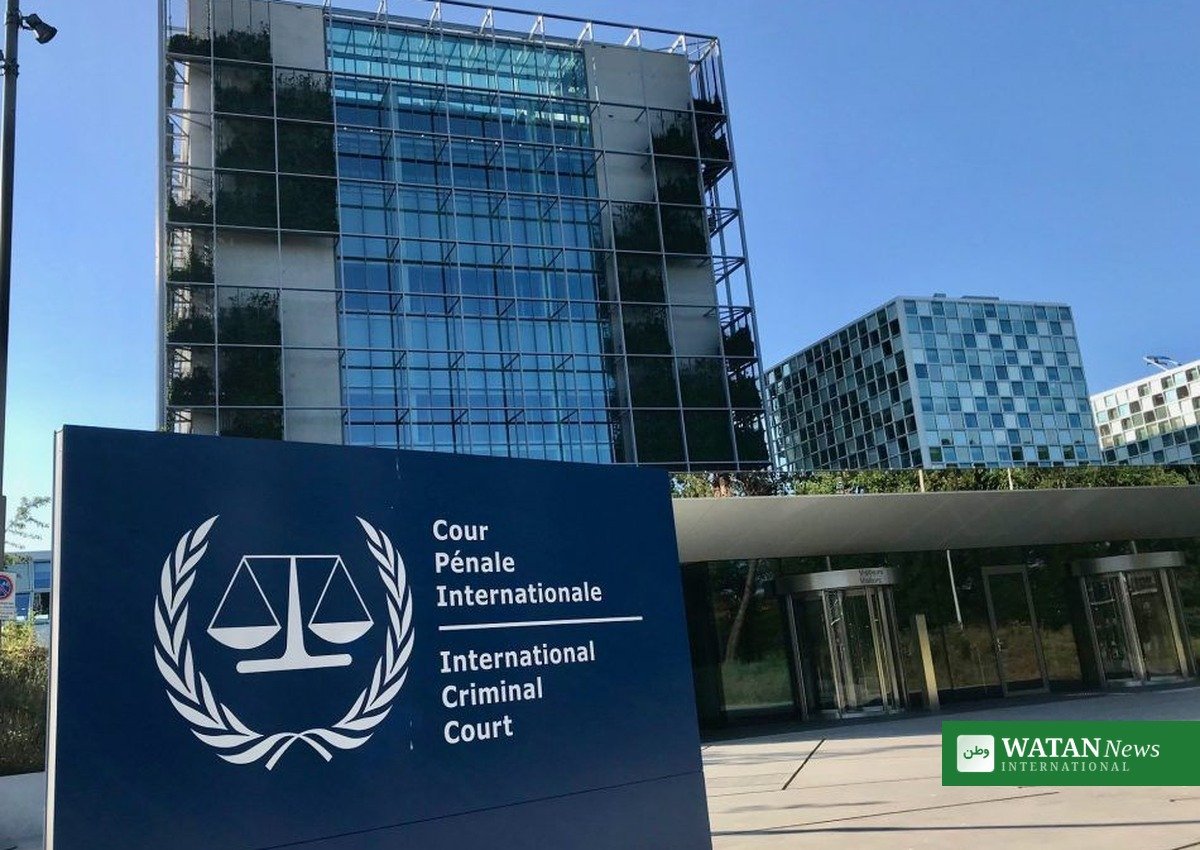
The International Criminal Court (ICC) on Friday strongly rejected new United States sanctions imposed on the institution, calling them “an assault on the rule of law” and vowing to continue its judicial work “with independence and impartiality.”
The sanctions, announced by US Secretary of State Marco Rubio, mark the first time Washington has targeted the Hague-based court as an institution, escalating a campaign that had previously focused on individual judges and prosecutors.
FAKTA
- The United States imposed sanctions on the International Criminal Court as an institution on Friday, in a move announced by Secretary of State Marco Rubio.
- The ICC strongly rejected the measures as “an assault on the rule of law,” saying they aimed to “disrupt the court’s operations and intimidate those working for or cooperating with it.”
- The court is entrusted by 125 States Parties with investigating and prosecuting genocide, crimes against humanity, war crimes and the crime of aggression.
- UN Secretary-General António Guterres condemned the decision, calling it “a serious blow to our collective pursuit of international criminal justice.”
- The announcement came just hours after South African jurist Navi Pillay won the 2026 Nobel Peace Prize for her efforts to promote peace and international law.
The court’s defiant response
In a formal statement, the ICC said: “This measure targets an independent judicial institution, created by treaty and entrusted by 125 States Parties with investigating and prosecuting genocide, crimes against humanity, war crimes, and the crime of aggression.”
The court said the sanctions followed earlier US designations against 13 independent judges and prosecutors, and called on member states to take concrete steps to ensure it has the resources needed to continue its work.
“This is not just about defending a single institution, but about safeguarding the international order grounded upon the rule of law,” the statement said, adding that “no one should be punished for serving the cause of justice.”
ICC President Tomoko Akane added: “The Court will continue to fully discharge its mandate, with independence and impartiality, acting only on the basis of the law and the evidence, for the sake of the countless victims of grave crimes.”
UN chief condemns the move
UN Secretary-General António Guterres condemned the decision on Friday, saying he was “deeply alarmed by the expected impact” of the sanctions.
“Today’s decision marks a serious blow to our collective pursuit of international criminal justice, of which the ICC is a key pillar,” his spokesman Stéphane Dujarric told reporters.
“The secretary-general reiterates his unwavering support for the independence of the Court and its officials,” Dujarric added.
A long-running confrontation
The latest sanctions deepen Washington’s confrontation with the court. In August, the United States sanctioned ICC President Tomoko Akane and senior trial lawyer Abdoulaye Seye, describing the measures as a defense of judicial independence under attack.
The Trump administration has accused the court of being politicized and has opposed ICC investigations involving officials of countries that do not recognize the court’s jurisdiction — a group that includes both the United States and Israel. Washington is not a member of the ICC.
According to earlier reporting by Reuters, the administration had been preparing institution-wide sanctions for weeks. In an interview with the Financial Times published in late September, ICC deputy prosecutor Nazhat Shameem Khan said the court had worked to insulate itself — shifting its office software from Microsoft to the German open-source alternative openDesk, arranging workarounds for banking and insurance, and paying employees months in advance.
Timing after the Nobel announcement
The sanctions announcement came just hours after the Norwegian Nobel Committee awarded the 2026 Nobel Peace Prize to Navanethem “Navi” Pillay, the 85-year-old former UN human rights chief and former ICC judge, “for her efforts to promote peace and international law.”
Pillay has served on the International Criminal Tribunal for Rwanda and the ICC, and chaired the UN Commission of Inquiry on the Occupied Palestinian Territory, which concluded last year that Israel had committed genocide in Gaza — a finding Israel dismissed as “scandalous.”
At her news conference on Friday, Pillay dedicated the prize to “all of the survivors of international crimes” and “defenders of international justice,” adding: “We are living through an era when international law and human rights are under significant political attack.”
For more international news and developing stories, visit Watan News.
Author

usman2344913@gmail.com
Related Posts

SAS Restarts Nonstop Copenhagen–Mumbai Flights After 17 Years
- 0
- 589 words
The new Copenhagen-Mumbai flights have taken off. Scandinavian Airlines (SAS) has relaunched its year-round nonstop service between Copenhagen Airport (CPH) and Mumbai...
Read out all
U.S. Housing Market Cools as 30-Year Mortgage Rate Tops 7%
- 0
- 1,001 word
The U.S. housing market has cooled sharply this fall as the 30-year mortgage rate climbed back above 7%, reaching 7.28% in the...
Read out all
Esbjerg Opens Nominations for 2026 Integration Prize
- 0
- 743 words
Esbjerg Municipality on Denmark's west coast has opened nominations for its 2026 Integration Prize, an annual award honouring people, businesses and associations...
Read out all
Denmark’s 2027 Budget Proposal: Tax Cuts, Free Transport for Under-22s, Defence at 3.5% of GDP
- 0
- 1,324 word
Denmark's government has presented its 2027 budget proposal, the first full finance bill of Prime Minister Mette Frederiksen's four-party coalition, combining tax...
Read out all
Aaron Sorkin’s ‘The Social Reckoning’ Opens in Theatres: Reviews, Cast and Box Office
- 0
- 896 words
Aaron Sorkin has returned to the story of Facebook with The Social Reckoning, the follow-up to his Oscar-winning screenplay The Social Network....
Read out all
US Proposes $70,000 OPT Fee for International Students, Alarming Universities
- 0
- 1,213 word
The United States has proposed a major shake-up of its Optional Practical Training (OPT) programme with a new OPT fee that could...
Read out all