- 0
- 780 words
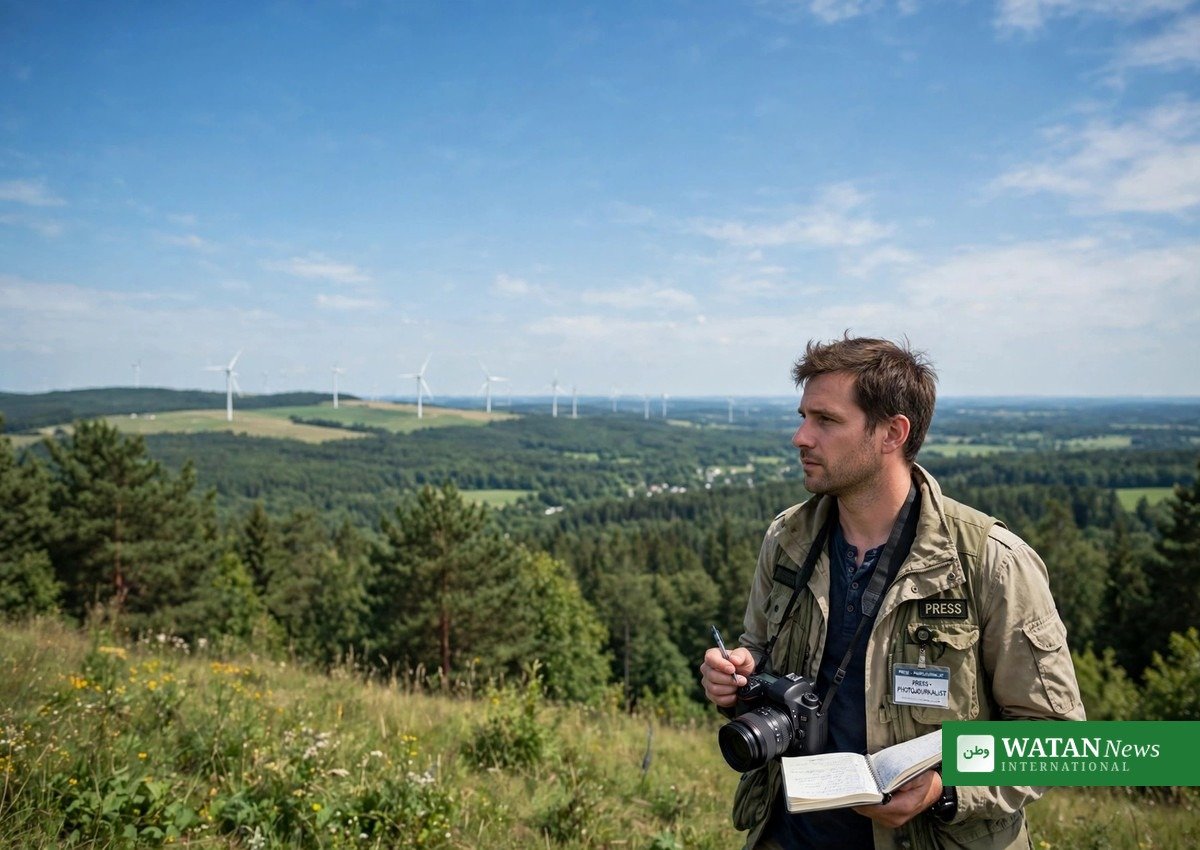
Journalists and editors around the world can now apply for the Informed Climate Journalism Network (ICJN), a free six-month online training programme dedicated to stronger, more effective climate reporting. The first cohort of 100 members begins in January 2027, and applications close on 1 November 2026.
The programme is the flagship climate journalism training initiative of Informed Earth, the climate portfolio of Informed (formerly Internews Europe). It supports reporters and editors in telling the climate story — integrating climate into their coverage, improving the quality and impact of their journalism, and connecting with a global community of peers.
The announcement lands as newsrooms gear up for a decisive stretch of climate coverage, with major negotiation moments on the horizon — including the run-up to COP31, whose 2035 action agenda targets are taking shape.
A free global classroom for climate reporting
The ICJN welcomes 100 members per cohort, drawn from all continents and across the industry — from editors-in-chief to junior reporters, from climate specialists to beat reporters covering business, sports or fashion who want to go deeper into climate topics.
The programme is free to attend and runs entirely online. Sessions are scheduled at 1:00 p.m. UK time to allow the widest possible global participation.
Members are expected to join 12 mandatory one-hour sessions over six months, roughly every two weeks on Tuesdays. An optional track — extra lectures, story clinics, workshops and small-group sessions — brings the total to around eight one-hour sessions a month.
What participants will learn
The curriculum is organised around six broad thematic pillars where climate intersects with daily headlines:
- Health and Heat
- Geopolitics and Conflict
- The Business of Energy Transition
- Technology, AI and Disinformation
- Culture and Sport
- Food and Nature
The programme includes lectures with leading academics and workshops and panels with veteran climate journalists. Confirmed speakers include Dr Friederike Otto on extreme weather attribution, Dr Kris de Meyer on climate psychology, Dr David Obura on nature and climate, and Dr Geoffrey Supran on climate misinformation.
Participants who attend at least nine of the twelve mandatory sessions receive a certificate on completion. The programme itself offers no story grants, though Informed Earth runs separate story-grant opportunities outside the network.
Who can apply — and who cannot
The network is open to working journalists and editors at all career stages, including freelancers. The programme is interdisciplinary by design: reporters covering politics, business, sports, fashion, lifestyle and culture are particularly encouraged, and applicants who have never covered climate before may still apply with a clear reason to start.
Applicants need a high level of English comprehension to follow the lectures, though written English does not need to be perfect. The application asks for a concrete statement of intent and a recommendation letter confirming the applicant is a working journalist.
The programme is not suited to those whose main occupation is climate or communications policy, education, or research. Journalists who were members of the predecessor Oxford network are asked not to reapply — but to recommend a colleague instead.
FAKTA: Informed Climate Journalism Network 2027
- Programme: Informed Climate Journalism Network (ICJN), by Informed Earth
- Format: Free, six-month, entirely online
- Cohort: 100 journalists and editors worldwide
- First cohort begins: January 2027
- Application deadline: 1 November 2026
- Sessions: 12 mandatory (biweekly, 13:00 UK time), plus optional extras
The climate journalism network built on a proven model
The ICJN is built by the team that previously ran the Oxford Climate Journalism Network, which trained 800 journalists in more than 130 countries over four years — a benchmark that shows how deep the global appetite for structured climate-reporting training has become.
With the deadline only days away, working journalists who want to bring climate into their reporting — on any beat — have a short window to join the inaugural cohort of a network designed to last.
FAQs
Is the ICJN programme really free?
Yes. According to Informed Earth, the six-month programme is free to attend and runs entirely online, with sessions timed for global participation.
Do I need to be a climate reporter to apply?
No. The programme is open to working journalists and editors at all career stages and on any beat — reporters covering business, sports or fashion are explicitly encouraged to apply.
What is the time commitment?
The mandatory commitment is twelve one-hour sessions over six months, roughly every two weeks on Tuesdays at 13:00 UK time — about two hours a month. Optional lectures, clinics and workshops add roughly eight hours a month for those who want more.
Will I receive a certificate?
Yes. Informed Earth provides a certificate to participants who attend at least nine of the twelve mandatory sessions.
Does the programme offer story grants?
No. The ICJN itself does not offer story grants, but Informed Earth says it runs many story-grant opportunities outside the network and will keep members informed about them.
Author

usman2344913@gmail.com
Related Posts
Nyt globalt klimajournalistik-netværk åbner for ansøgninger til 2027
- 0
- 835 words
Journalister og redaktører over hele verden kan nu søge om optagelse i Informed Climate Journalism Network (ICJN), et gratis seks måneders online...
Read out all
آئی سی جے این: 2027 کے لیے مفت موسمیاتی صحافت تربیتی پروگرام، درخواستیں کھل گئیں
دنیا بھر کے صحافی اور ایڈیٹر اب انفارمڈ موسمیاتی صحافت نیٹ ورک (آئی سی جے این) کے لیے درخواست دے سکتے ہیں۔...
Read out all
Portuguese Police Clear Housing Protest Camps in Lisbon and Porto, Arresting 55
- 0
- 692 words
Portuguese police cleared tent camps set up by housing protesters in Lisbon and Porto before dawn on Tuesday, ending occupations that had...
Read out all
77% af briterne har ændret livsstil for at bekæmpe miljøproblemer, viser ny ONS-undersøgelse
- 0
- 961 words
Den nye livsstilsændringer klimaundersøgelse fra det britiske statistikkontor ONS viser, at 77% af de voksne har ændret livsstil for at bekæmpe miljøproblemer,...
Read out all
ماحولیاتی طرز زندگی سروے: برطانیہ کے 77 فیصد بالغ ماحول کے لیے عادات بدل چکے ہیں
برطانیہ کے قومی شماریات کے ادارے او این ایس کے ماحولیاتی طرز زندگی سروے کے مطابق 77 فیصد بالغوں نے ماحولیاتی مسائل...
Read out all
77% of Britons Changed Their Lifestyle to Tackle Environmental Issues, New ONS Survey Finds
- 0
- 904 words
The UK climate lifestyle survey from the ONS shows 77% of adults changed their lifestyle to tackle environmental issues while 85% felt...
Read out all