- 0
- 519 words
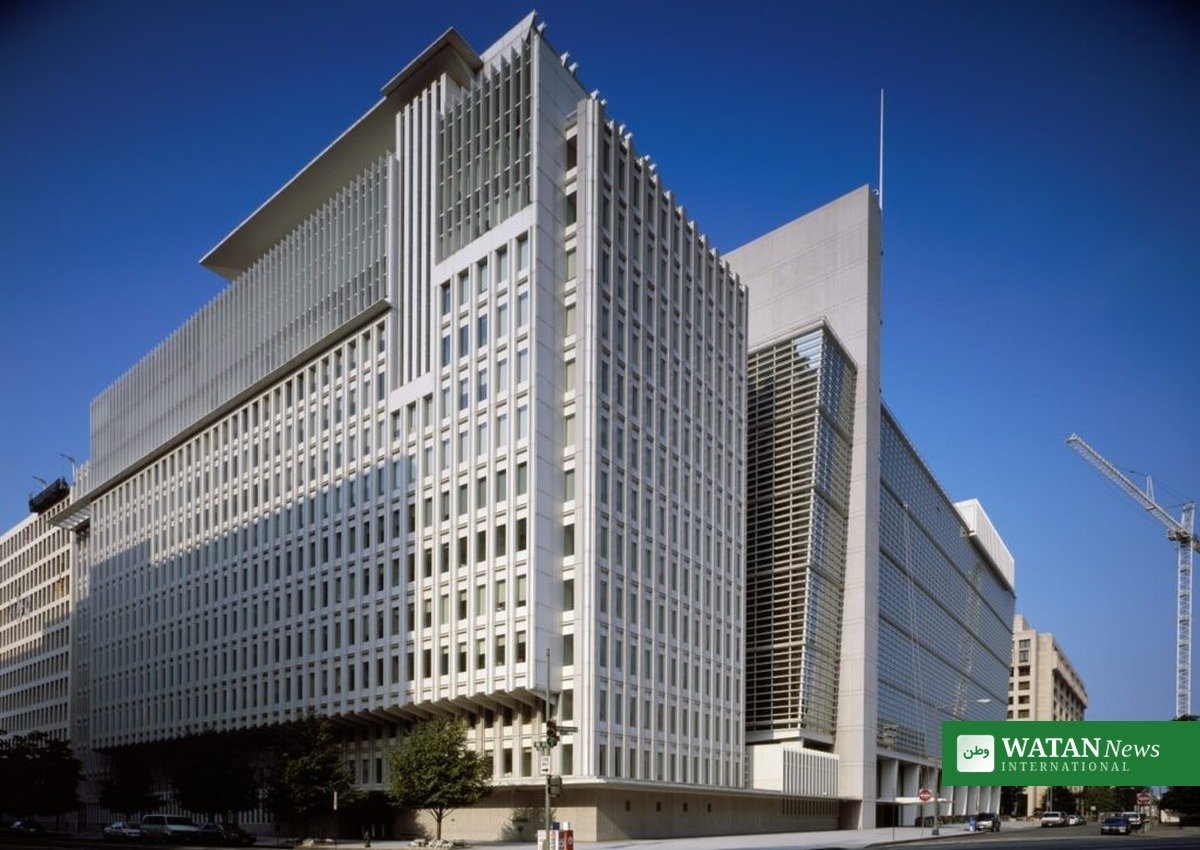
The International Monetary Fund has issued a stark IMF Middle East economy warning, saying a prolonged war in the Middle East and fresh disruptions to energy production, shipping routes and critical infrastructure pose the biggest risk to economies across the Middle East and Central Asia.
Jihad Azour, the IMF’s director for the Middle East and Central Asia, told reporters at a news conference during the annual meetings of the IMF and World Bank in Bangkok on Thursday that the war was imposing a highly uneven economic shock on the broader region, with directly affected states under severe pressure.
FAKTA
- Warning: Prolonged Middle East war and renewed disruptions to energy, shipping and critical infrastructure are the biggest risk to Middle East and Central Asia economies, the IMF said in Bangkok on October 15, 2026.
- Forecast: The IMF expects a deep contraction of 1.3% for the Middle East, North Africa and Pakistan region in 2026, after growth of 3.3% in 2025.
- Rebound: A strong but uneven rebound is projected for 2027, when regional growth is expected to hit 6.6%.
- Oil exporters: Countries directly affected by the war would see a significant contraction in 2026 and a sharp rebound in 2027 as energy production normalizes, though output would remain below pre-war projections.
- Oil importers: The economies of oil-importing countries in the region have been resilient and are expected to remain so.
IMF Middle East economy warning: the forecast in figures
“The outlook depends critically on how quickly energy production and trade normalize, and on countries’ ability to preserve macroeconomic stability,” Azour said at the Bangkok news conference.
He explained that pre-war surpluses, alternative trade routes, demand adjustments and substantial inventory drawdowns had so far helped contain the impact of the energy shock caused by the US-Israeli-led attacks on Iran and Tehran’s subsequent closure of the Strait of Hormuz.
“These buffers bought time, but they are finite. Inventories are lower, spare capacity is tighter, and renewed disruption could generate much larger price adjustments,” Azour warned.
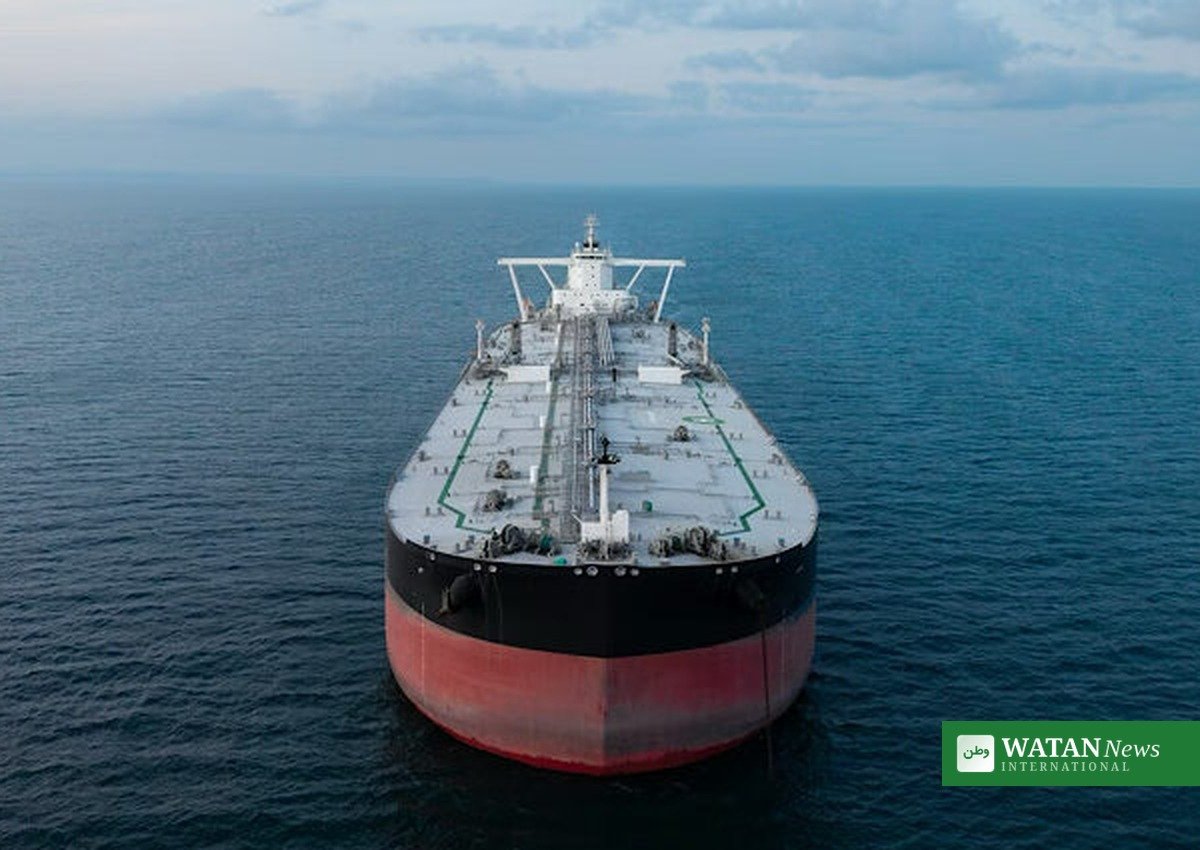
Energy, shipping and infrastructure under threat
The IMF chief for the region said oil-exporting countries directly affected by the war would face a significant economic contraction in 2026, followed by a sharp rebound in 2027 as energy production normalizes. Even so, output is expected to remain below pre-war medium-term projections, with substantial differences across the region.
The economies of oil-importing countries in the region had shown resilience so far and were expected to remain resilient, Azour said, but he cautioned that the shock is highly uneven and the directly affected states are under severe pressure.
What happens next
The warning came as finance ministers and central bankers gathered in Bangkok for the annual IMF and World Bank meetings, with the region’s economic outlook dominated by the fallout of the ongoing war. Azour stressed that much depends on how fast energy production and trade return to normal — and warned that any new disruption would hit harder than the last.
Read more English business and economy news on Watan News.
Author

usman2344913@gmail.com
Related Posts
Peshawar School Collapse: At Least 29 Children Killed, Owner Arrested
- 0
- 482 words
At least 29 children and a female teacher were killed when a private school's roof collapsed in Peshawar's Dir Colony; the school...
Read out all
Tanzanian Innovator Upendo Ernest Lyimo Wins UN AI for Climate Action Award 2026 for CLIMAID
- 0
- 637 words
A Tanzanian innovator has won the United Nations’ AI for Climate Action Award 2026 for a homegrown platform that turns satellite data...
Read out all
Ukraine Drone Strike Sets Fire at Russia’s Ryazan Oil Refinery
- 0
- 485 words
A large Ukrainian drone attack on Russia’s Ryazan region has triggered a fire at the Ryazan oil refinery, one of the country’s...
Read out all
Energy and Climate Summit 2026 Brings Europe’s Clean Industrial Push to Brussels
- 0
- 634 words
Energy and Climate Summit 2026 brought ministers, European institutions, industry leaders, investors and civil society to Brussels on 13 October for a...
Read out all
US Weighs “Mother of All Bombs” in Potential New Strikes on Iran
- 0
- 502 words
The United States is considering a "mother of all bombs" Iran strike option that could be used against Iranian energy infrastructure and...
Read out all
EU launches ‘Our Climate – Our Community’ to raise climate awareness across the Mediterranean
- 0
- 564 words
A new European Union-backed campaign, Our Climate – Our Community, has gone live with a mission to strengthen climate awareness across the...
Read out all