- 0
- 729 words
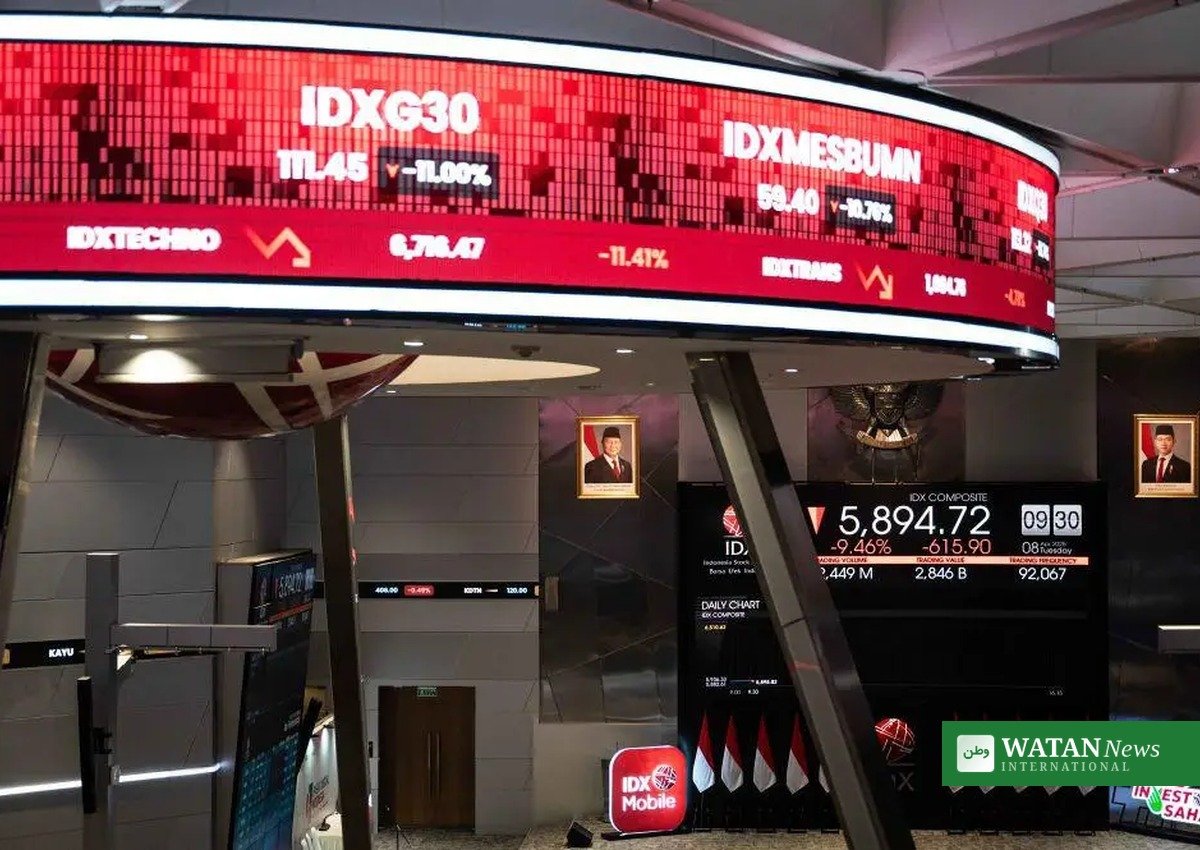
Indonesia stocks rebound on Tuesday as authorities in Jakarta rushed in emergency measures to calm the market after a record two-day selloff wiped about $82 billion off share values — the country’s worst two-day rout in nearly four decades, triggered by a warning from index provider MSCI that it could strip Indonesia of its emerging-market status.
FAKTA
- Jakarta’s benchmark Composite Index rose about 3% on Tuesday after plunging 14.8% across Friday and Monday, hitting a six-year low.
- The two-day wipeout erased roughly $82 billion in market value — the steepest such decline since 1989.
- MSCI warned on Friday it is considering moving Indonesia straight to “standalone” status from emerging markets over transparency and trading concerns.
- The Indonesia Stock Exchange halved the daily down limit to 7% from 15% and plans to exclude stocks with highly concentrated ownership from its benchmark.
- President Prabowo Subianto met the country’s top finance officials on Monday; Jakarta also held talks with MSCI seeking an explanation.
- The rupiah strengthened slightly to 18,010 per US dollar on Tuesday but remains near June’s record low of 18,190.
Indonesia stocks rebound as Jakarta moves to stop the bleeding
The Indonesia stocks rebound came as regulators and the government acted on two fronts to restore confidence. The stock exchange moved this week to restrict selling by halving the maximum daily decline for individual stocks to 7% from 15%, and set a 1-rupiah down limit on shares priced at 14 rupiah or less.
Separately, exchange authorities announced plans to strip companies with highly concentrated ownership structures out of benchmark index calculations and to broaden mandatory ownership disclosures — under the updated rules, listed firms must say whether investors holding at least 1% of a company’s shares are affiliated with the enterprise itself.
Early movers on Tuesday included Telkom Indonesia, which jumped 13.6%, followed by Charoen Pokphand with 8.2%, Bank Mandiri with 7.7% and Aneka Tambang with 7.3%, as bargain hunters returned to a market that remains down about 40% this year — the world’s worst-performing major stock market of 2026.
Henry Wibowo, director and co-founder of Alphagate Capital in Jakarta, said the adjustments put the market on a positive trajectory, adding that preserving long-term market credibility matters more than short-term index performance.
MSCI warning at the heart of the rout
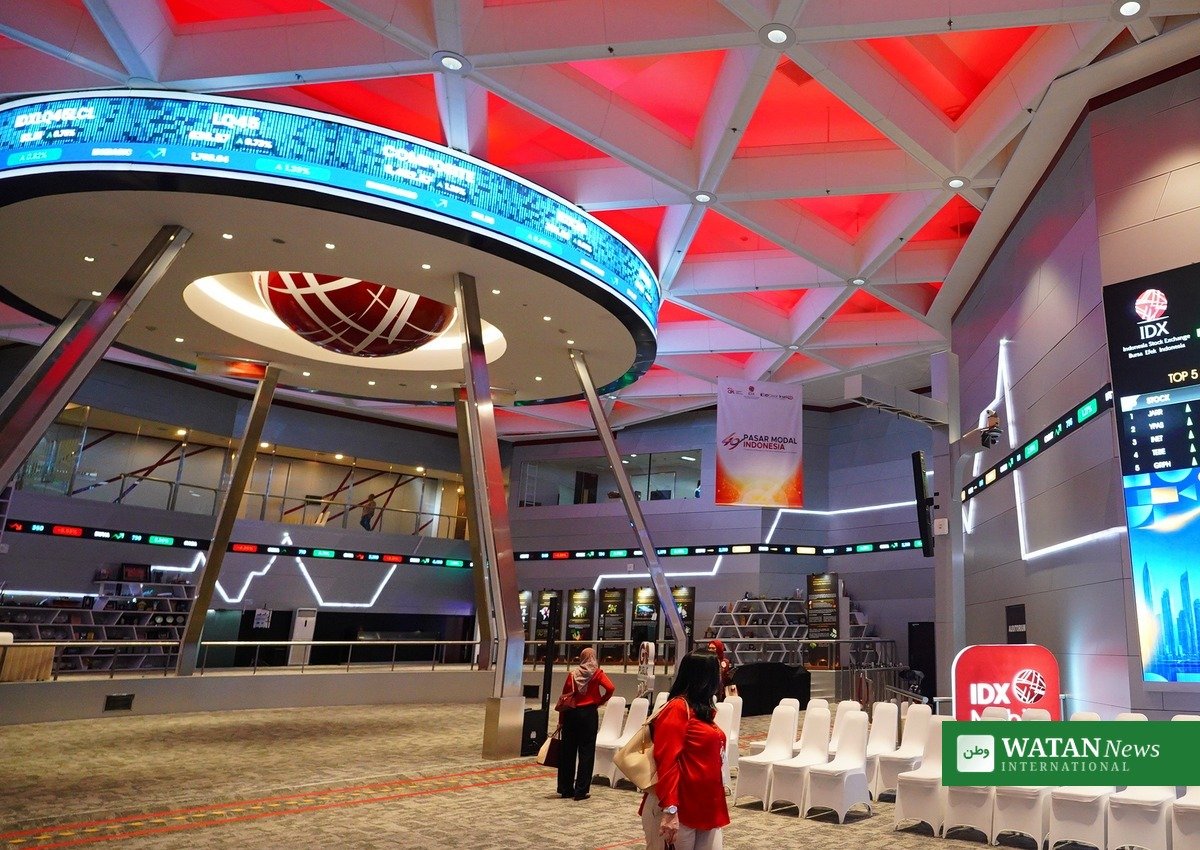
The selloff began after MSCI said on Friday it was considering a severe two-step reclassification of Indonesia — shifting the country directly from emerging-market to “standalone” status in its global indexes. The threat went significantly further than MSCI’s previous advisory in January, which had only warned of a possible demotion to frontier-market status.
The warning stemmed from concerns that Indonesia had yet to improve ownership transparency or clamp down on coordinated trading. Jakarta authorities met with the index provider on Monday to seek an explanation, and Indonesia Stock Exchange chief executive Jeffrey Hendrik said the announcement had caught officials by surprise.
“We did not expect there would be such announcement. Such an unexpected statement caused the market to react in panic,” Hendrik said.
The turmoil also spread to debt markets: Indonesia’s government borrowing costs rose on Monday as investors sold bonds, adding pressure on Bank Indonesia ahead of its monetary policy decision this week. The central bank is widely expected to keep interest rates unchanged, though some analysts have raised the possibility of a rate increase to stem the bond selloff. Moody’s and Fitch have already revised their outlooks on Indonesia’s sovereign credit ratings to negative this year.
What comes next
The regulatory scramble now centers on satisfying MSCI’s transparency demands before any formal downgrade decision. OJK chief Friderica Widyasari Dewi said the regulator would continue to advance Indonesia’s capital market reforms, particularly regarding transparency, liquidity and law enforcement against various forms of violations.
“A particularly important special message is how we must continuously enforce regulations against those who have committed violations related to coordinated trading and other similar practices,” she said after Monday’s meeting with President Prabowo, the finance minister and the central bank governor.
Whether the Indonesia stocks rebound holds will depend on how quickly Jakarta can turn its emergency measures into the deeper ownership and trading reforms MSCI is demanding — and whether global investors return to a market that has lost roughly two-fifths of its value this year.
For more business coverage, see Watan News Business.
Author

usman2344913@gmail.com
Related Posts

Illegal Gold Mine Collapse Kills 14 in Colombia’s Nariño Province
- 0
- 501 words
At least 14 people were killed and seven injured when an illegal gold mine collapsed in southwestern Colombia, renewing pressure to regulate...
Read out all
First-Ever Munich Climate Week Opens as European Cities Take Climate Awareness to the Streets
- 0
- 965 words
Munich opened the first-ever Munich Climate Week on 19 October 2026, and Spain’s Basque Country is running its own climate and energy...
Read out all
France Imposes Curfews in Paris and Other Cities After Interior Minister Admits Police ‘Lost Control’
- 0
- 1,129 word
France has brought in overnight curfews across Paris, Lyon, Lille and Nice after a weekend of violent protests, looting and arson, as...
Read out all
Global Youth Demand Biodiversity Action at COP17, New Study of 12,716 Young People Finds
- 0
- 1,159 word
Yerevan — As world leaders gather in Yerevan for the UN biodiversity summit COP17, new global research on 12,716 young people finds...
Read out all
Archer’s Midnight Electric Air Taxi Completes Demo Flights Over San Francisco Bay
- 0
- 1,057 word
Archer Aviation has completed a week of demonstration flights of its all-electric Midnight air taxi around the San Francisco Bay, showing how...
Read out all
Kenya Cult Leader Paul Mackenzie Convicted of 191 Shakahola Murders
- 0
- 699 words
A Kenyan court in Mombasa on Monday, October 19, 2026, found doomsday preacher Paul Mackenzie convicted of murder over the deaths of...
Read out all