- 0
- 499 words
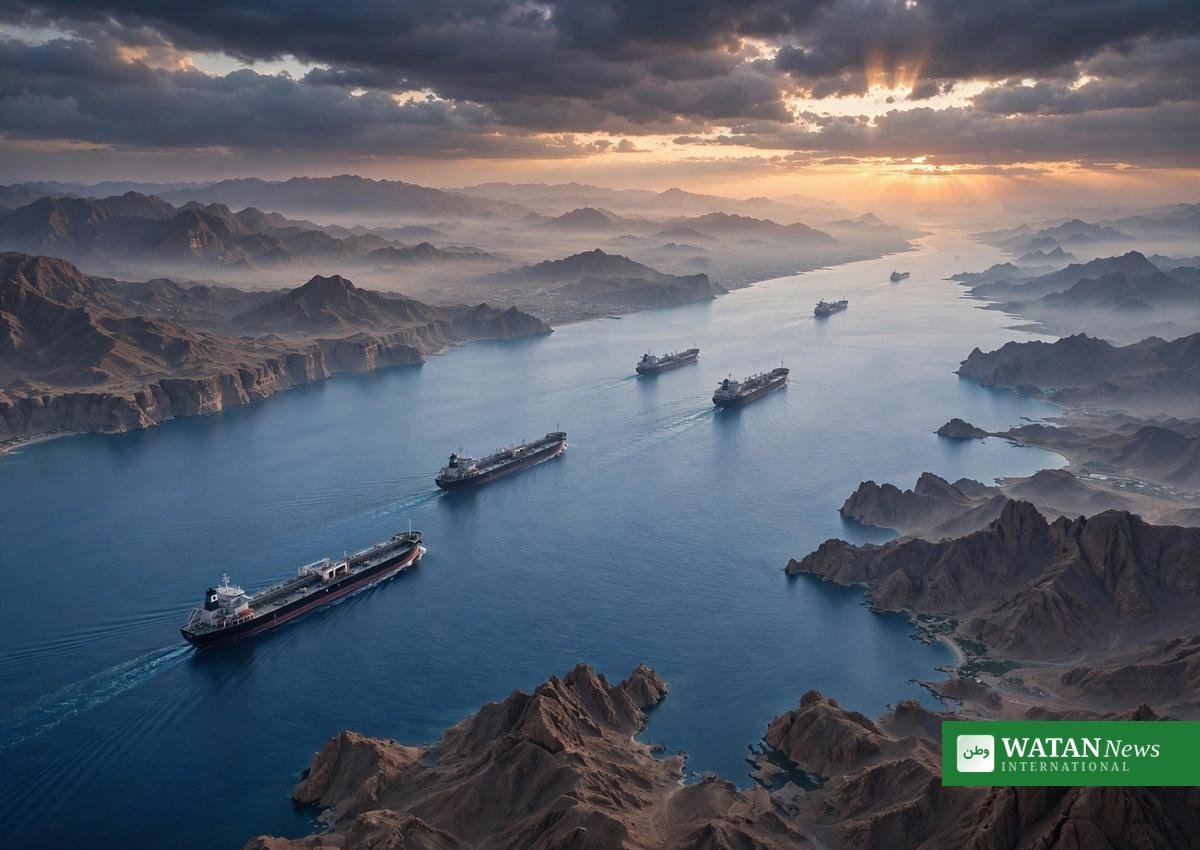
Iran is reviewing the United States’ reply to its proposal for reopening the Strait of Hormuz and will send its answer through intermediaries once the review is complete, foreign ministry spokesperson Esmaeil Baghaei said on Monday.
Speaking at a press conference in Tehran, Baghaei confirmed that messages between Iran and the United States continue to pass through mediators. Qatar and Pakistan have been among the countries helping to keep the diplomatic channel open in the conflict that began with American and Israeli strikes on Iran on February 28.
Tehran presented its proposal in mid-September, after an interim ceasefire agreed in June collapsed and military strikes resumed. Iran later confirmed it had received Washington’s response. The process has since stalled: on Sunday, Iran’s security chief said the American reply did not adequately address Tehran’s seven conditions for reopening the strait and returning to negotiations.
FAKTA: Key facts
- Who: Iranian foreign ministry spokesperson Esmaeil Baghaei, speaking at a press conference in Tehran on Monday, October 12.
- What: Iran is reviewing Washington’s response to its proposal on reopening the Strait of Hormuz; Tehran will reply through mediators after the review.
- The obstacle: Iran says the US response does not address its seven conditions for reopening the waterway. Washington wants Iran’s nuclear programme discussed from the outset; Tehran says talks must begin with the strait and restoring security.
- Why it matters: Before the war, the Strait of Hormuz carried about one-fifth of the world’s oil and liquefied natural gas trade, making it a key route for global energy supplies.
- Mediators: Qatar and Pakistan are among the countries relaying messages between the two sides.
Strait of Hormuz and the seven conditions
The central disagreement remains the order of business. Washington has insisted that any negotiation must also address Iran’s nuclear programme from the start. Tehran’s position is that the first step must be the reopening of the Strait of Hormuz and the restoration of security in the waterway, which it calls the foundation for everything else.
Iran has not given a timeline for completing its review. Baghaei said Tehran would communicate its position once the assessment is finished, and that the exchange of messages through intermediaries continues.
A conflict that began on February 28
The confrontation began when the United States and Israel launched strikes on Iran in late February. An interim ceasefire reached in June later broke down, and military operations resumed through the summer. Iran submitted its diplomatic proposal in mid-September in an effort to break the deadlock, but the gap between the two sides’ priorities has kept the talks frozen.
Regional tensions and the path forward
Baghaei also addressed the rising tensions between Saudi Arabia and Yemen’s Houthi movement, which is aligned with Iran. He said Tehran was willing to help resolve that crisis through dialogue and repeated Iran’s support for any agreement reached between Yemenis and Saudis.
The next stage depends on the outcome of Iran’s review and on further indirect exchanges.
Author

usman2344913@gmail.com
Related Posts

Zuzana Buřivalová Wins 2026 Pritzker Environmental Genius Award for Bioacoustic Forest Conservation
- 0
- 605 words
UCLA's Institute of the Environment and Sustainability has named bioacoustics researcher Zuzana Buřivalová the 2026 Pritzker Emerging Environmental Genius Award winner, a...
Read out all
Russia Strikes Kharkiv Power Plant Hours After Trump’s ‘Energy Ceasefire’ Claim, Zelensky Says
- 0
- 610 words
Russia struck a thermal power plant in the eastern Ukrainian city of Kharkiv just hours after US President Donald Trump announced that...
Read out all
North Korea Fires Multiple Ballistic Missiles Toward East Sea, Fourth Launch in a Month
- 0
- 421 words
North Korea fired multiple ballistic missiles toward the sea off its east coast on Monday, South Korea’s military said, in Pyongyang’s fourth...
Read out all
World Health Summit 2026 Opens in Berlin With Climate-Health Threats on the Agenda
- 0
- 554 words
BERLIN: The World Health Summit 2026 opened in Berlin on 11 October, bringing together more than 4,000 participants from 130 countries in...
Read out all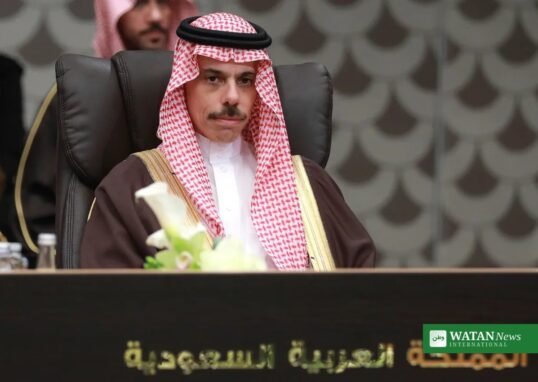
Saudi and Iranian Foreign Ministers Hold First Reported Call Since Houthi Strikes Intensified
- 0
- 318 words
Saudi Arabia’s Foreign Minister Prince Faisal bin Farhan held a phone call with his Iranian counterpart Abbas Araghchi about the recent escalation...
Read out all
Robert E. Hall and Michael Woodford Win 2026 Nobel Economics Prize for Stabilisation Research
- 0
- 397 words
The Royal Swedish Academy of Sciences has awarded the 2026 Sveriges Riksbank Prize in Economic Sciences in Memory of Alfred Nobel to...
Read out all