- 0
- 1,052 word
Wellington: Dr Jocelyn Turnbull, one of New Zealand’s leading climate scientists, has won the Meteorological Society of New Zealand’s Kidson Medal for her work turning greenhouse gas science into practical guidance that cities and governments can act on.
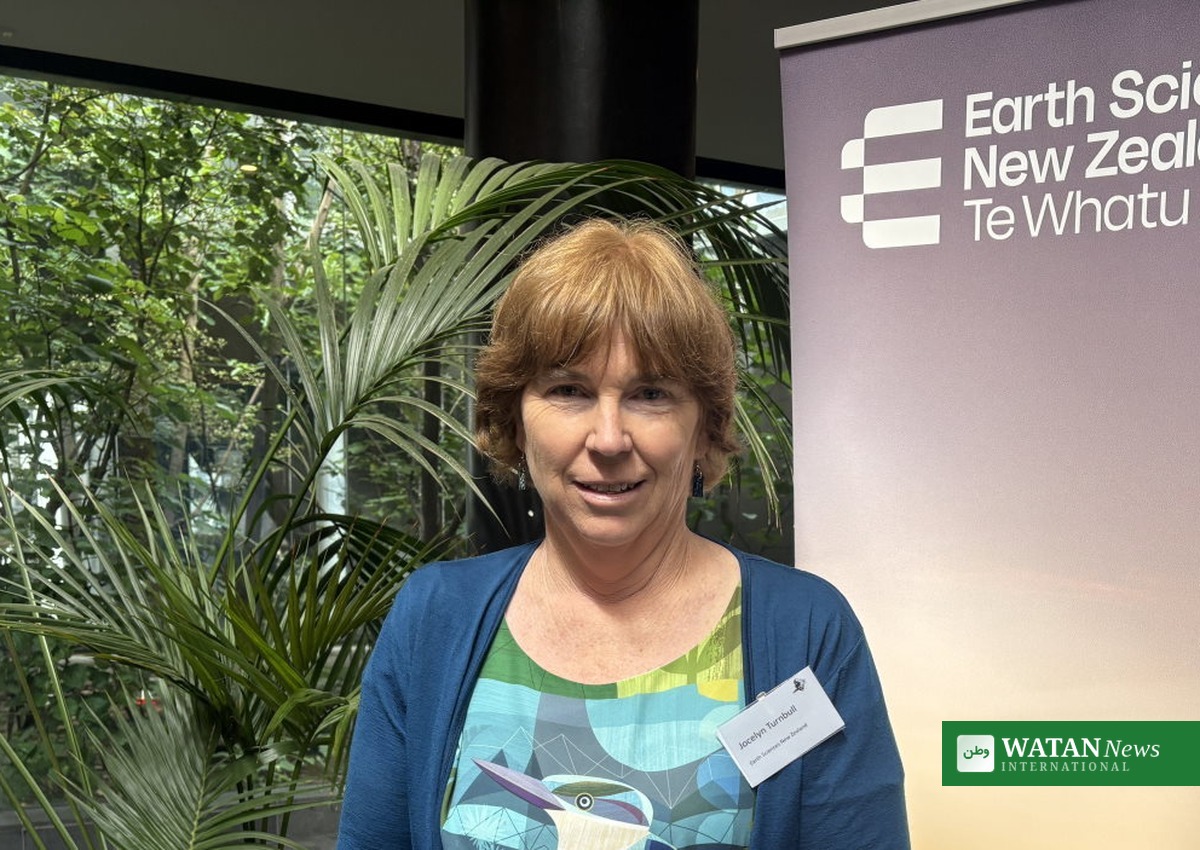
Turnbull, Principal Scientist – Carbon Cycle at Earth Sciences New Zealand, received the medal in recognition of her long-term achievement in atmospheric science and her leadership of a landmark World Meteorological Organization (WMO) report that gives the world its first international standard for measuring and monitoring greenhouse gas emissions in cities.
The medal was presented at the society’s conference at Te Herenga Waka – Victoria University of Wellington. The Kidson Medal is awarded for scientific publications of the highest quality and is one of New Zealand’s most respected honours in meteorology and climatology.
A first global standard for city emissions
Turnbull was a lead author and editor of the WMO’s Integrated Global Greenhouse Gas Information System: Urban Emission Observation and Monitoring Good Research Practice Guidelines, published in its 2025 edition. According to Earth Sciences New Zealand, the publication brings together the expertise of more than 100 international authors and provides the first international standard for measuring and monitoring urban greenhouse gas emissions.
The guidelines help scientists, practitioners and decision makers understand where, when and how a city’s emissions are occurring, and identify the most effective ways to cut them. The document is divided into two parts: core principles and recommended actions for newcomers to the topic, and extended technical discussions describing 31 techniques for putting the methods into practice.
Turnbull, who co-chairs the WMO’s Integrated Global Greenhouse Gas Information System (IG3IS) initiative, has described the guidelines as the first step on the path to documentary standards, allowing cities and researchers to demonstrate that the emissions information they provide is robust and accurate.
Science that reaches decision makers
Accepting the award, Turnbull said she was particularly proud to be recognised for work that connects climate science with policy and decision making. “As climate scientists, we have all chosen our field in a large part because we want to do science that can make a difference for the world,” she said.
“I’m delighted that the Meteorological Society has recognised the value of our efforts to bring our science into actionable outcomes,” she added. “This medal and the recognition are not just for me, but for all the people who have put a huge amount of themselves into these guidelines and other efforts.”
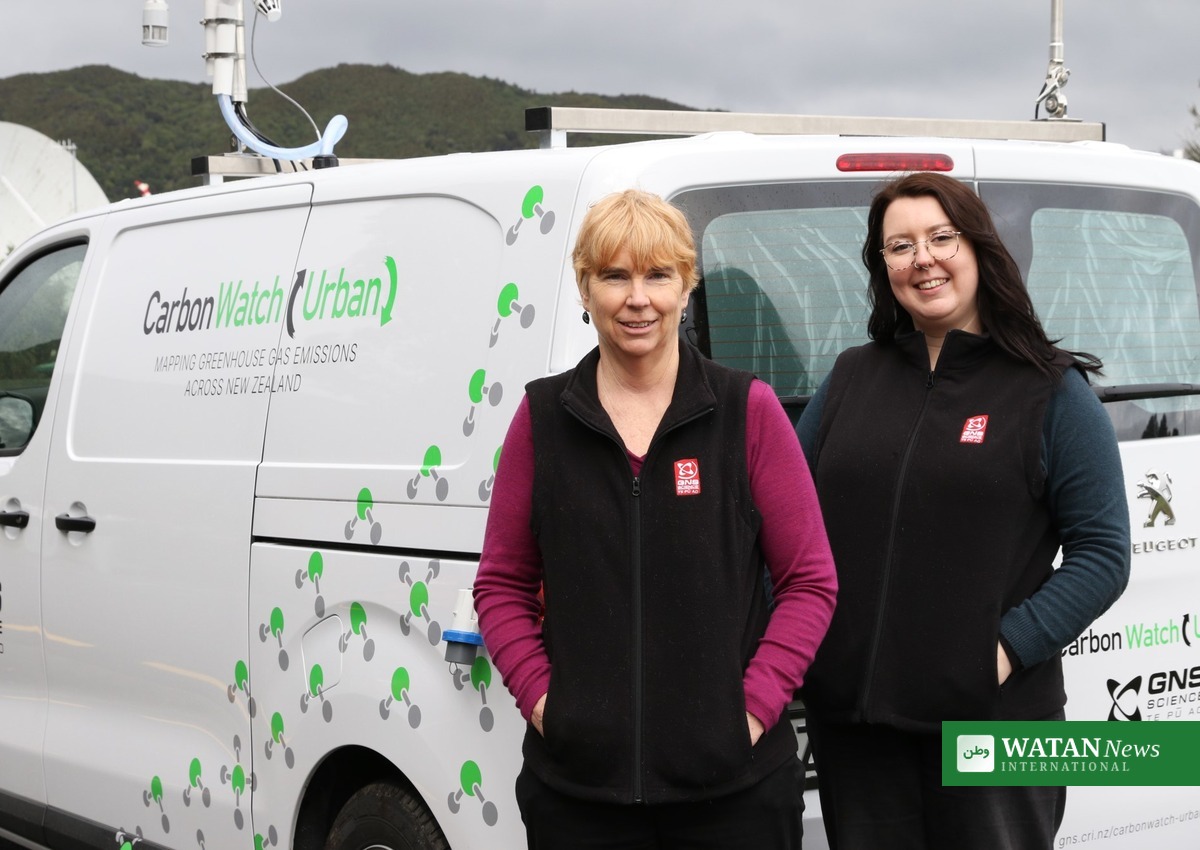
The judges praised both the quality of the report and Turnbull’s leadership in developing it, noting its success in translating complex atmospheric measurement science into practical guidance. They also recognised her sustained contributions to atmospheric science, including her leadership of major New Zealand research programmes such as CarbonWatch-Urban, the development and application of greenhouse gas measurement methods, and her work with the WMO’s IG3IS initiative.
CarbonWatch-Urban aims to provide granular carbon dioxide emissions information for every town and city in New Zealand, using tools including a mobile greenhouse gas measurement laboratory. Turnbull also holds a joint appointment as a greenhouse gas research scientist at the University of Colorado, and her research uses radiocarbon measurement to investigate the sources of fossil fuel carbon dioxide, urban greenhouse gas emissions and the Southern Ocean’s role as a carbon sink.
Why measured emissions matter
Cities cannot manage what they cannot measure. Standardised, observation-based emissions data lets a city track whether its climate policies are working, find its largest sources and compare results with other cities on the same basis — the reason the WMO says reliable and consistent information on emissions and sinks is essential as the field moves from specialised research to operational use by governments, regulators and businesses.
Earlier in November, Turnbull spoke during COP31 about the role of cities in addressing emissions and how an energy transition could support New Zealand’s climate targets, in an interview with New Zealand radio station 95bFM on 16 November.
Earth Sciences New Zealand Chief Executive James Palmer said the award reflected both Turnbull’s high standing as a scientist and the impact of research that helps communities, governments and organisations make informed decisions in response to climate change. “Jocelyn’s work exemplifies the role science can play in addressing some of society’s most complex and pressing challenges,” he said.
Turnbull joins a growing list of climate champions recognised in 2026 for turning science and advocacy into practical climate action.
FAKTA
- Winner: Dr Jocelyn Turnbull, Principal Scientist – Carbon Cycle, Earth Sciences New Zealand
- Award: Kidson Medal, Meteorological Society of New Zealand
- Presented: At the society’s conference, Te Herenga Waka – Victoria University of Wellington, 26 November 2026
- Recognised for: Leading the WMO’s urban greenhouse gas guidelines — the first international standard for measuring city emissions — with more than 100 international authors
- Also: Co-chair of the WMO’s IG3IS initiative; leader of the CarbonWatch-Urban programme; joint appointment at the University of Colorado
Frequently Asked Questions
What is the Kidson Medal?
The Kidson Medal is awarded by the Meteorological Society of New Zealand for scientific publications of the highest quality. It is one of New Zealand’s most respected honours in meteorology and climatology, recognising exceptional scientific achievement.
What are the WMO urban greenhouse gas guidelines?
They are the World Meteorological Organization’s Urban Emission Observation and Monitoring Good Research Practice Guidelines (2025 edition), developed under its Integrated Global Greenhouse Gas Information System. They give cities a shared, standard way to observe and report greenhouse gas emissions, with 31 techniques described in detail.
What is CarbonWatch-Urban?
CarbonWatch-Urban is a New Zealand research programme led by Dr Turnbull that aims to provide detailed carbon dioxide emissions information for every town and city in the country, using methods including a mobile greenhouse gas measurement laboratory.
What is IG3IS?
IG3IS, the Integrated Global Greenhouse Gas Information System, is a World Meteorological Organization initiative under its Global Atmosphere Watch programme. It develops good practice guidance so that greenhouse gas observations can support decisions at national and local levels. Dr Turnbull co-chairs its steering committee.
Why does measuring city emissions matter for climate action?
Observation-based, standardised data shows where, when and how a city’s emissions occur, so governments can track whether policies are working, target the largest sources and compare progress fairly with other cities — turning climate promises into measurable results.
Author

usmanch0013@gmail.com
Related Posts

One Dead as Diesel Tanker Sinks Off Ibiza, Raising Spill Fears
- 0
- 485 words
The Malta-flagged tanker Med Emre sank off Ibiza in the early hours of Thursday, killing one crew member. All 17 crew were...
Read out all
Elever kan blive Earth Ambassadors — tilmeldingen lukker 18. december
- 0
- 1,160 word
Elever i alderen 13 til 19 år kan stadig melde sig som Earth Ambassadors for The Earth Foundation. Tilmeldingen lukker den 18....
Read out all
طلبہ کو ارتھ ایمبیسیڈر بننے کی دعوت، رجسٹریشن 18 دسمبر کو بند ہو رہی ہے
13 سے 19 سال کی عمر کے طلبہ اب بھی دی ارتھ فاؤنڈیشن کے ارتھ ایمبیسیڈر بننے کے لیے رجسٹریشن کرا سکتے...
Read out all
Students Invited to Become Earth Ambassadors as Registrations Close 18 December
- 0
- 1,057 word
Students aged 13 to 19 can still sign up to become Earth Ambassadors for The Earth Foundation. Registrations close on 18 December...
Read out all
Explosion and Fire at Bangkok Oil Refinery Injures Seven, Forces Evacuations
- 0
- 536 words
An explosion and fire at the Bangchak oil refinery in Bangkok injured at least seven people on Thursday and forced nearby residents...
Read out all
Klimachampion Jocelyn Turnbull vinder New Zealands Kidson-medalje for drivhusgasvidenskab
- 0
- 1,084 word
Dr. Jocelyn Turnbull har vundet New Zealands Kidson-medalje for at lede WMO's første globale standard for måling af byers drivhusgasudledninger.
Read out all