- 0
- 1,301 word
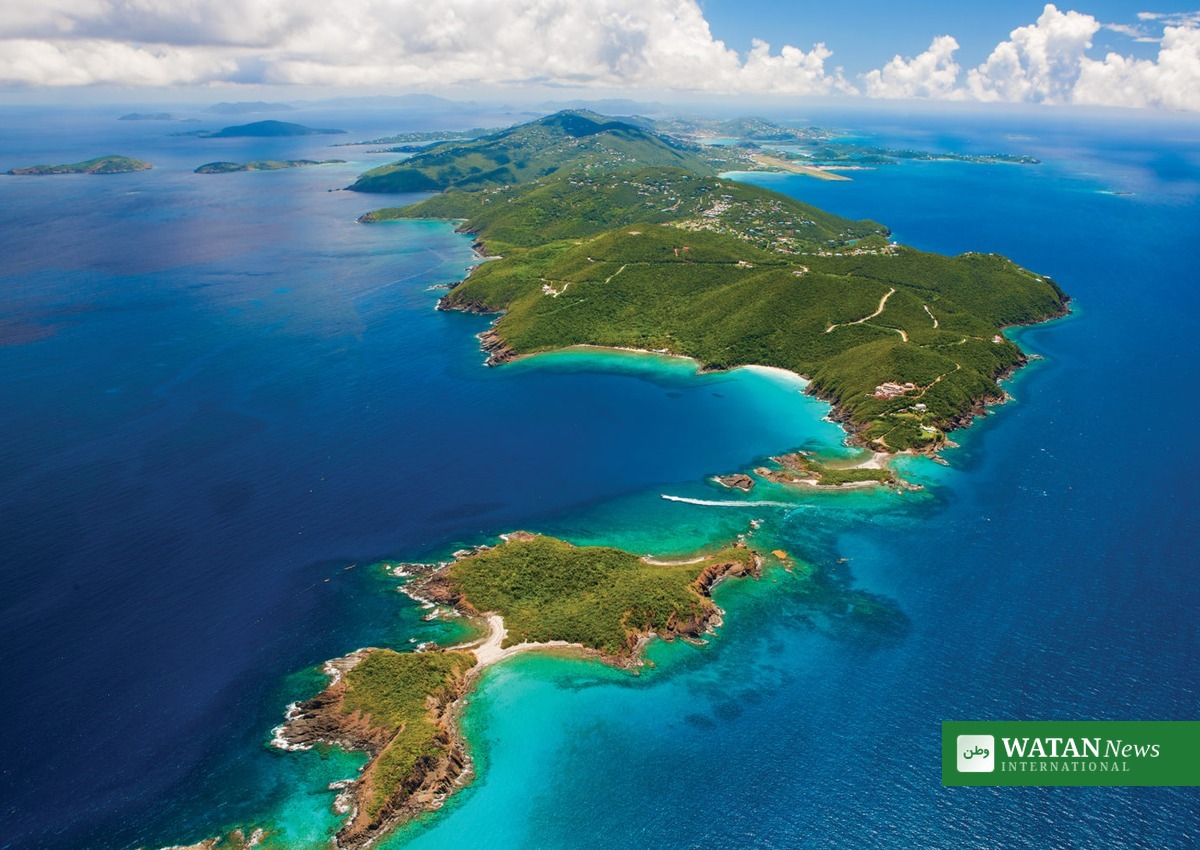
As the COP31 climate summit closed in Antalya without an agreement, campaigners in the Caribbean launched a new fight to keep the world’s most important climate target alive. The Caribbean Natural Resources Institute, known as CANARI, and the Caribbean Climate Justice Alliance have launched “Mission 1.5”, a three-part documentary series and advocacy campaign that will run through 2026 and 2027, calling for bold climate action, a phase-out of fossil fuels and a just transition to clean energy.
The campaign’s message is simple: for the Caribbean, the 1.5°C limit on global warming is not just a number. It is the line between protecting communities, livelihoods and ecosystems and losing them. The slogan “1.5°C to Stay Alive” has long been championed by Caribbean governments and civil society, and it helped secure the 1.5°C goal in the Paris Agreement. Now, with the world moving beyond that limit, the campaigners say the goal must be defended, not abandoned.
A three-part series with one message
Mission 1.5 is built around three short films, each answering a different question about the climate crisis in the Caribbean.
The first film, “What does the Science Say?”, explains the latest climate science for the Caribbean, how the extraction and burning of fossil fuels drives climate change, and why it is critical to avoid warming beyond 1.5°C. The second, “What is at Stake?”, shows the impacts and injustices already being felt, particularly by people on the frontlines, as the world approaches the 1.5°C threshold. The third, “Towards a Just Transition”, calls for urgent cuts in greenhouse gas emissions and a shift to clean, renewable energy that supports inclusive, resilient and sustainable development in Caribbean small island developing states.
The series was produced by CANARI and the Caribbean Climate Justice Alliance, with support from the Fossil Fuel Treaty Initiative, Open Society Foundations and ClimateWorks Foundation. CANARI, a regional non-profit institute that has worked across the Caribbean islands for more than 30 years, has since shared the trailer for the second film as the series rolls out.
Why 1.5 degrees matters so much in the Caribbean
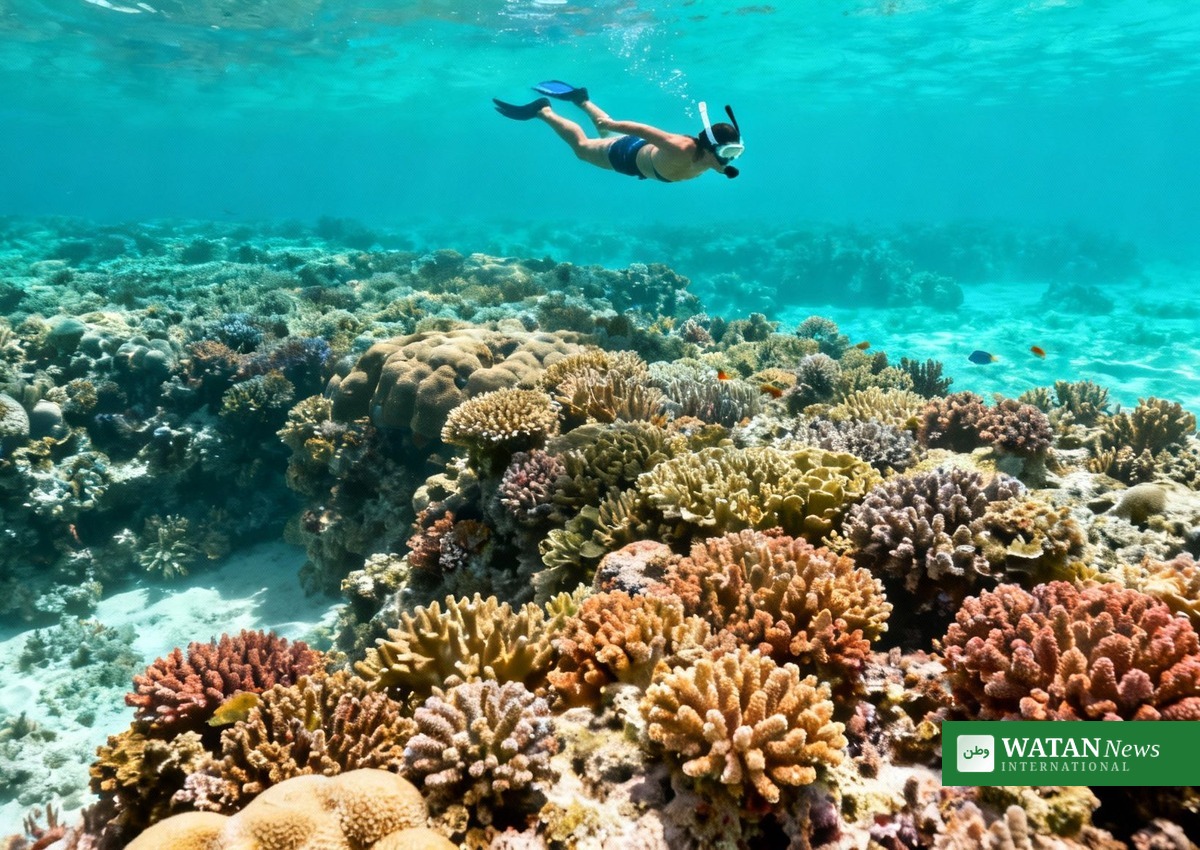
The science behind the campaign is stark. The Intergovernmental Panel on Climate Change says small islands are increasingly affected by rising temperatures, more intense tropical cyclones, storm surges, droughts, changing rainfall patterns, sea-level rise and coral bleaching. Above 1.5°C of warming, the panel projects the loss of 70 to 90 per cent of the world’s reef-building corals. At 2°C or more, 99 per cent would be lost.
Sea levels are also rising. The panel’s projections put sea-level rise by 2050 at 18 to 24 centimetres compared with 1994 to 2014, and up to 40 centimetres in the worst case. For low-lying island states, that means more flooding, more erosion of coasts and more salt water reaching farms and drinking water supplies.
The United Nations Environment Programme warned in its Limiting Overshoot report in September 2026 that, under current policies, exceeding 1.5°C is widely assessed as unavoidable. That is exactly what the campaign is pushing back against: an overshoot, its organisers say, is not a reason to give up on the goal.
A summit that ended without a deal
Mission 1.5 was launched on 12 November 2026, in Port of Spain, while COP31 was under way in Antalya. Ten days later, the summit closed without a deal. COP31 ended 44 hours late, and the final draft text never mentioned fossil fuels at all. It was the first COP text to mention a possible overshoot of 1.5°C, but the European Union, the United Kingdom, Panama, Vanuatu, Belize, the Marshall Islands and Norway refused to accept it.
Caribbean leaders used the summit to make the same point the campaign now carries forward. Barbados Prime Minister Mia Mottley launched a petition at the COP31 leaders’ summit calling for “1.5 billion voices for 1.5 degrees”, and told the summit that even if countries delivered on their existing climate pledges, the world was headed for 2.6°C of warming. She argued that controlling methane, a powerful greenhouse gas, could cut projected warming by 0.3 to 0.5°C and buy time to decarbonise.
Caricom Secretary-General Dr Carla Barnett told Guardian Media on the sidelines of COP31 that Caribbean countries must keep fighting to keep the 1.5°C target alive, warning that abandoning it would leave small island and low-lying coastal states increasingly exposed to rising seas and extreme weather.
What the campaign is asking for
Mission 1.5 is not only a film series. The campaign is asking governments to deliver real emissions cuts, with clear and ambitious targets in their national climate plans, and roadmaps for phasing out fossil fuels. It is asking for a mechanism to support a just and sustainable energy transition, and for fair climate finance for the Caribbean and other climate-vulnerable countries.
The Caribbean Climate Justice Alliance has joined more than 650 civil society groups and activists worldwide in calling for a Just Transition Mechanism at COP31, and the campaign invites civil society organisations, community groups, young people and researchers to join the effort. The message, as CANARI puts it, is that keeping 1.5°C alive requires collective action — and that the voices of the Caribbean and other climate-vulnerable regions must be at the heart of global climate action.
The gap the campaign is trying to close is also an awareness gap. Research published around COP31 showed that the climate message has still not reached most people, even though large majorities link climate change to the food prices and nature loss they see every day. Mission 1.5 is an attempt to change that, one film at a time.
FAKTA
- Campaign: Mission 1.5, a three-part documentary series and advocacy campaign, 2026–2027
- Organisers: Caribbean Natural Resources Institute (CANARI) and Caribbean Climate Justice Alliance
- Launched: 12 November 2026, Port of Spain, Trinidad and Tobago
- The three films: “What does the Science Say?”, “What is at Stake?” and “Towards a Just Transition”
- Supporters: Fossil Fuel Treaty Initiative, Open Society Foundations, ClimateWorks Foundation
- What’s at stake: 70–90% of reef-building corals lost above 1.5°C; 99% lost at 2°C or more (IPCC); sea-level rise of 18–24 cm by 2050 (IPCC)
- COP31 context: the summit closed on 22 November 2026 without a deal; its final draft never mentioned fossil fuels
Frequently asked questions
What is Mission 1.5?
Mission 1.5 is a three-part documentary series and advocacy campaign launched by the Caribbean Natural Resources Institute and the Caribbean Climate Justice Alliance in November 2026. It aims to build public awareness, amplify Caribbean voices and mobilise support for ambitious climate action, a phase-out of fossil fuels and a just energy transition.
Why is 1.5°C so important for the Caribbean?
Small island states face some of the worst impacts of climate change while contributing very little to it. The IPCC projects that above 1.5°C of warming, 70 to 90 per cent of the world’s reef-building corals would be lost, and sea levels would keep rising, bringing more flooding and coastal erosion to low-lying islands. For Caribbean communities, 1.5°C is a matter of survival, not just a target.
What happened to the 1.5°C goal at COP31?
COP31 in Antalya closed on 22 November 2026 without an agreement. The final draft text never mentioned fossil fuels, and it was the first COP text to mention a possible overshoot of 1.5°C. Several countries, including the European Union, the United Kingdom and small island states such as Vanuatu and the Marshall Islands, refused to accept the text.
What is a just transition?
A just transition means moving away from fossil fuels towards clean, renewable energy in a way that is fair to workers and communities. It includes support for people whose jobs depend on fossil fuels, investment in new clean-energy jobs, and finance that helps vulnerable countries adapt without falling deeper into debt.
How can people follow or join the campaign?
The campaign welcomes collaboration with civil society organisations, community groups, young people and researchers. The three films are being released through CANARI’s channels, and the campaign is calling on the public to add their voices to the demand to keep the 1.5°C goal alive.
Author

usmanch0013@gmail.com
Related Posts

Houthis Attack Aramco’s Jazan Refinery, Saudi Coalition Says
- 0
- 628 words
Yemen's Houthis attacked Saudi Aramco's Jazan refinery on Thursday, the Saudi-led coalition said, a day after the group claimed a strike on...
Read out all
De fleste regeringer mangler en strategi for klimainformation, viser første globale kortlægning
- 0
- 1,455 word
Forum on Information and Democracy’s første globale kortlægning af 23 lande og EU finder, at de fleste regeringer ikke har nogen selvstændig...
Read out all
پہلی عالمی جانچ میں انکشاف: اکثر حکومتوں کے پاس موسمیاتی معلومات کی کوئی قومی حکمت عملی نہیں
ایف آئی ڈی کی پہلی عالمی جانچ میں 23 ممالک اور یورپی یونین کا جائزہ لیا گیا: اکثر حکومتوں کے پاس موسمیاتی...
Read out all
Most Governments Lack a Climate Information Strategy, First Global Mapping Finds
- 0
- 1,427 word
The Forum on Information and Democracy’s first global mapping of 23 countries and the EU finds most governments have no standalone strategy...
Read out all
Elektrisk hjem kan spare en typisk britisk husstand 1.200 pund om året
- 0
- 1,080 word
Ny analyse fra Storbritanniens Climate Change Committee viser, at en typisk husstand kan spare 1.200 pund om året ved at blive elektrisk...
Read out all
بجلی کی طرف منتقلی سے عام برطانوی گھرانا سالانہ 1,200 پاؤنڈ بچا سکتا ہے
برطانیہ کی موسمیاتی تبدیلی کمیٹی کے نئے تجزیے کے مطابق عام گھرانا بجلی کی طرف منتقلی سے سالانہ 1,200 پاؤنڈ بچا سکتا...
Read out all