- 0
- 1,045 word
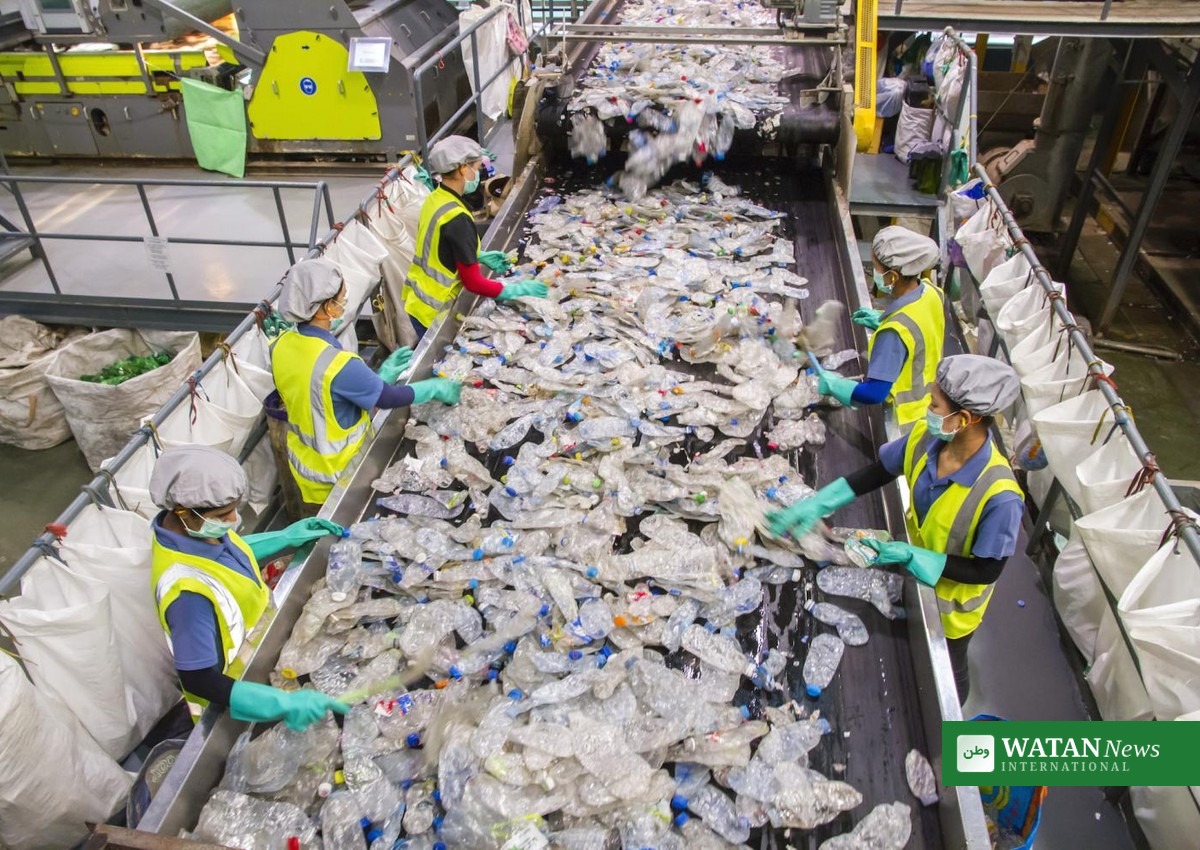
New Mexico will spend 11.5 million US dollars on 15 circular economy projects across the state, the New Mexico Environment Department announced on 24 November 2026. The New Mexico circular economy awards will fund solar panel reuse, wind turbine blade recycling, food waste composting and soil restoration — and are expected to create more than 300 jobs statewide.
New Mexico circular economy: what was announced
The department selected 15 projects to receive state contracts under the programme. Eleven implementation awards will share 9 million dollars to establish or expand recycling infrastructure, material recovery facilities, reuse programmes and workforce development. Four feasibility and assessment awards will share 2.5 million dollars to evaluate potential projects through market research, supply chain assessments and planning.
The funding comes from a 25 million dollar appropriation approved by the New Mexico Legislature during its 2026 session to advance circular economy and industrial decarbonisation initiatives. Of that amount, the department allocated 11.5 million dollars to circular economy project contracts and 2 million dollars to administer the programme. The New Mexico Economic Development Department will manage the remaining 11.5 million dollars. Environment Secretary James Kenney said the investments and public-private partnerships were expected to generate environmental and economic benefits while supporting more sustainable business practices.
Solar panels and wind blades get a second life
Two of the largest awards tackle the clean-energy industry’s own waste. Kind Sun Ltd. received 999,643 dollars to establish an Albuquerque facility that will collect, test and redeploy used solar panels from across New Mexico, and will develop a local workforce for solar panel reuse in partnership with organisations including Central New Mexico Community College.
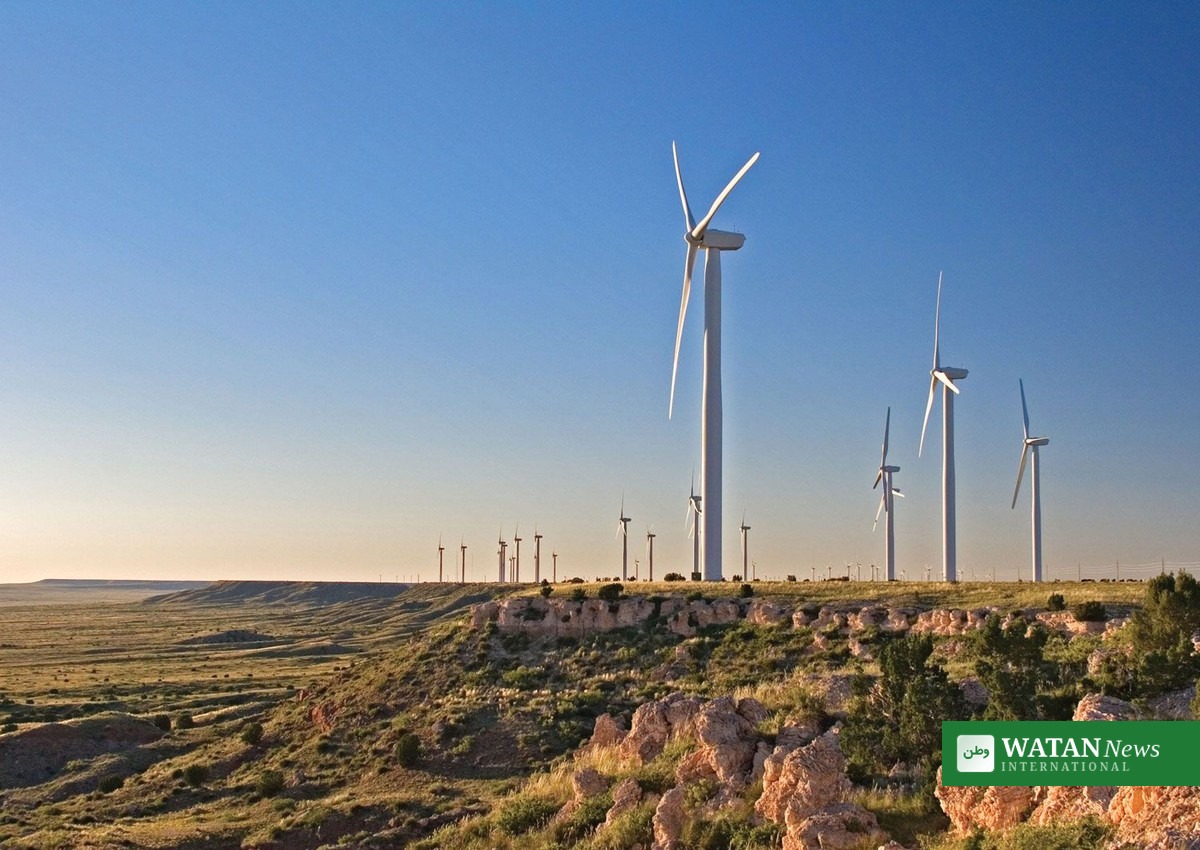
The Estancia Valley Solid Waste Authority received 1 million dollars to investigate developing a wind turbine blade recycling facility at its Moriarty landfill. The proposed facility could eventually employ 60 New Mexicans, although the award will initially support an assessment of the technology, location, economic feasibility and workforce requirements. The massive blades currently have no in-state recycling or disposal option in New Mexico, so the study will determine how the state can develop a recycling pathway for them.
Food waste and soil
Several awards address food and organic waste. Soilutions secured 841,868 dollars to upgrade its Albuquerque composting facility, increasing its annual processing capacity by approximately 30 per cent, from 19,000 tons to more than 25,000 tons of organic material. Roadrunner Food Bank of New Mexico received 205,932 dollars to evaluate ways of converting non-distributable food waste into agricultural products through composting and anaerobic digestion.
Chama Peak Land Alliance received 839,637 dollars to thin overgrown forests in the San Juan-Chama watershed and convert the resulting woody material into biochar, a charcoal-like substance used to improve soil — connecting forest restoration with soil health.
The full list of awards
The remaining awards are: the REMADE Institute, 1 million dollars; TerraCycle US Inc., 423,533 dollars, to establish a statewide collection and recycling programme for disposable nicotine vapes and e-cigarettes, keeping lithium-ion batteries — a common fire hazard — out of landfills and conventional recycling facilities; the City of Albuquerque, 874,626 dollars; the Pueblo of Santa Ana, 775,256 dollars; Santa Fe County, 614,345 dollars; Eastern Research Group Inc., 846,789 dollars; the Flexible Film Recycling Alliance, 596,449 dollars; Goodwill Industries of New Mexico, 996,948 dollars; and Resources Recycling Systems Inc., 1 million dollars.
For a city taking the same path with a plan rather than a grant, read: Philadelphia advances zero-waste bill targeting 60% trash diversion by 2046.
FAKTA
- New Mexico Environment Department announced the awards on 24 November 2026: 15 projects, 11.5 million US dollars in total.
- The funding comes from a 25 million dollar appropriation approved by the state legislature in its 2026 session; 2 million dollars covers administration of the programme.
- Eleven implementation awards share 9 million dollars; four feasibility and assessment awards share 2.5 million dollars.
- More than 300 jobs are expected statewide, including 60 at a possible wind turbine blade recycling facility in Moriarty.
- Flagship projects: solar panel reuse in Albuquerque (999,643 dollars), wind blade recycling study in Moriarty (1 million dollars), composting expansion from 19,000 to more than 25,000 tons a year.
- TerraCycle’s 423,533 dollar award targets disposable vapes, keeping fire-prone lithium-ion batteries out of landfills.
Why it matters
A circular economy keeps materials in use instead of sending them to landfill — and New Mexico’s list shows how wide that idea now reaches. It covers the waste of the energy transition itself, with solar panels and turbine blades that were designed to last decades but were never designed to be taken apart. It covers food waste, which becomes compost and farm inputs instead of landfill. And it covers the small, hazardous items — like disposable vapes — that cause fires in waste facilities. The state’s bet is that the same spending can cut waste and create work: more than 300 jobs, from sorting lines to soil science, in a state where recycling infrastructure has long lagged behind its clean-energy growth.
Frequently asked questions
What is a circular economy?
A circular economy is an economic model that keeps products and materials in use for as long as possible — through reuse, repair, remanufacturing and recycling — instead of the take-make-dispose pattern that sends them to landfill. New Mexico’s programme funds projects that recover value from discarded materials, from solar panels to food waste.
How was the money approved?
The New Mexico Legislature approved a 25 million dollar appropriation during its 2026 session for circular economy and industrial decarbonisation. The Environment Department allocated 11.5 million dollars of it to project contracts and 2 million dollars to administer the programme; the remaining 11.5 million dollars is managed by the New Mexico Economic Development Department.
Which projects received the most money?
Three awards reached 1 million dollars each: the Estancia Valley Solid Waste Authority’s wind turbine blade recycling study, the REMADE Institute, and Resources Recycling Systems Inc. Kind Sun Ltd.’s solar panel reuse facility received 999,643 dollars and Goodwill Industries of New Mexico received 996,948 dollars.
What happens to wind turbine blades in New Mexico now?
According to the state’s announcement, the massive blades currently have no in-state recycling or disposal option. The 1 million dollar award to the Estancia Valley Solid Waste Authority funds a study of technology, site suitability, economics, workforce needs and community engagement to create a recycling pathway, with a possible facility at the Moriarty landfill that could employ 60 people.
When will the projects start?
The department’s announcement of 24 November 2026 selected the 15 organisations for state contracts; it did not publish start dates for individual projects. Residents can track the selected projects through the New Mexico Environment Department as they launch.
Author

usmanch0013@gmail.com
Related Posts

New Mexico giver 11,5 millioner dollar til 15 cirkulære projekter
- 0
- 1,070 word
New Mexico vil bruge 11,5 millioner amerikanske dollar på 15 cirkulære økonomi-projekter i hele staten, meddelte New Mexico Environment Department den 24....
Read out all
نیو میکسیکو: 15 گردشی معیشت منصوبوں کے لیے 11.5 ملین ڈالر منظور
نیو میکسیکو ریاست بھر میں 15 گردشی معیشت منصوبوں پر 11.5 ملین امریکی ڈالر خرچ کرے گی، نیو میکسیکو محکمہ ماحولیات نے...
Read out all
COP31: Oceanindsatsen overlever sammenbruddet i Antalya
- 0
- 1,575 word
COP31 sluttede i Antalya den 22. november 2026 uden den overordnede aftale, som topmødet skulle levere — men COP31 oceanindsats bevægede sig...
Read out all
کاپ31: سمندری کارروائی آگے بڑھی، حتمی معاہدہ ناکام رہا
کاپ31 انطالیہ میں 22 نومبر 2026 کو اس جامع معاہدے کے بغیر ختم ہوا جس کے لیے یہ منعقد ہوا تھا —...
Read out all
COP31: Ocean Action Momentum Survives the No-Deal Collapse
- 0
- 1,561 word
COP31 closed in Antalya on 22 November 2026 without the overarching agreement it was meant to deliver — yet COP31 ocean action...
Read out all
Russian Military Flotilla Turns Back From Libya After Warship Sunk in Benghazi
- 0
- 710 words
A Russian flotilla bound for Libya has turned around in the Mediterranean after Ukrainian sea drones sank the corvette Merkury in Benghazi,...
Read out all