- 0
- 690 words
Abuja, Nigeria — Sam Ifeanyi Onuigbo, the sponsor of Nigeria’s Climate Change Act 2021, has been honoured with a Fellowship of the Solar Energy Society of Nigeria (FSESN) in recognition of his contributions to climate change advocacy and action.
The honour was conferred at the 43rd National Solar Energy Forum and Conference (NASEF 2026), where Onuigbo was recognised alongside other prominent Nigerians, according to reports published on 26 and 28 October 2026.
A recognition for climate legislation and solar advocacy
Onuigbo is a former member of Nigeria’s House of Representatives and now serves as President of GLOBE Legislators International, a network of parliamentarians in more than 99 countries. He sponsored the Climate Change Act 2021, which established a legal and institutional framework for climate governance in Nigeria.
According to the Solar Energy Society of Nigeria’s president, Dr Sunny Akpoyibo, the Act provides safeguards for climate action across sectors of the economy while advancing the country’s commitment to climate resilience, low-carbon development and the transition to net-zero emissions.
Onuigbo addressed a letter of appreciation to Dr Akpoyibo, describing the fellowship as an acknowledgement of his contributions to climate action in Nigeria, across Africa and globally.
Turning climate law into practical action
In his response to the honour, Onuigbo said the fellowship was not only a recognition of past work but also a call to greater responsibility.
“I consider this Fellowship not only a recognition of past contributions but also a call to greater responsibility,” he said, pledging to deepen his engagement with the society and support initiatives that expand solar energy adoption, strengthen climate governance and unlock the environmental, economic and social benefits of the clean energy transition.
He reaffirmed his commitment to translating climate legislation into practical action, accelerating Nigeria’s energy transition and advancing the pathway to net-zero emissions.
Why solar matters for Nigeria
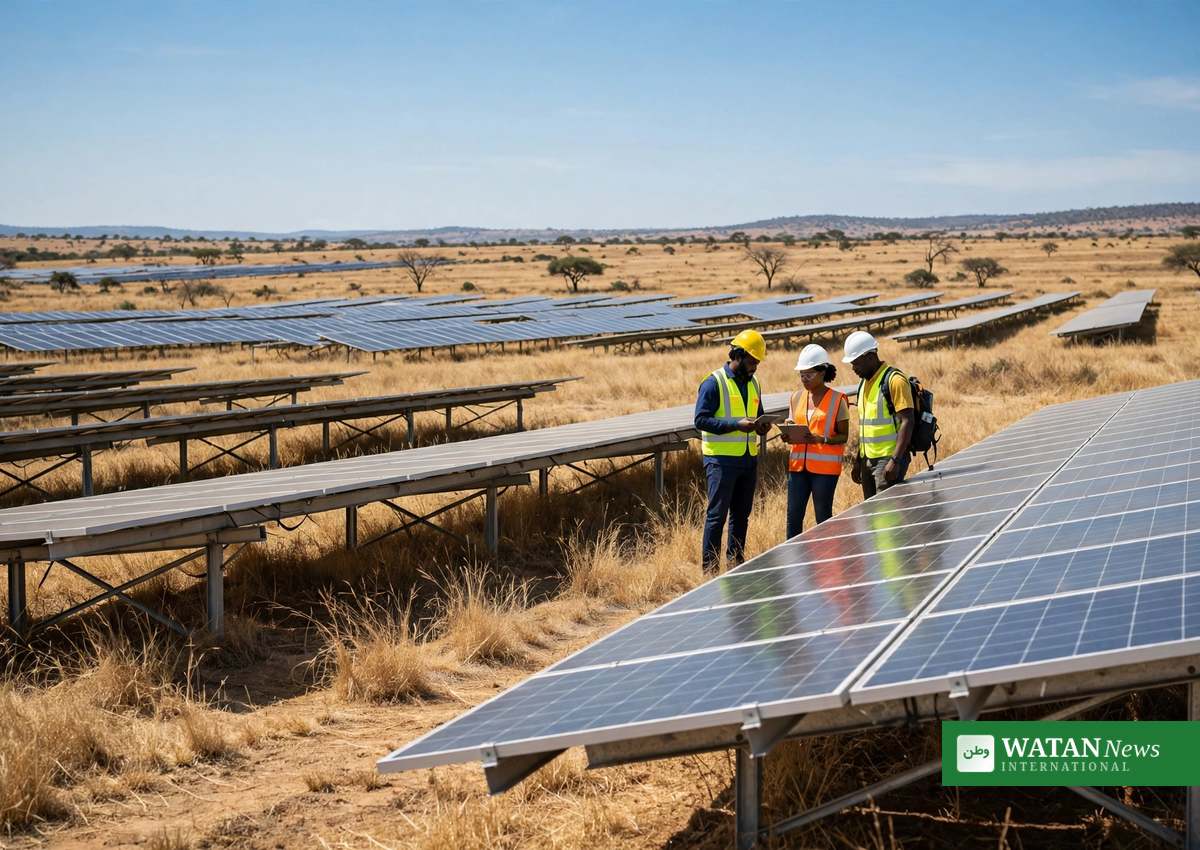
Nigeria continues to face energy access challenges, and reports on the forum note a renewed emphasis on renewable energy sources, including solar power, as part of efforts to advance sustainable development and reduce carbon emissions.
Onuigbo described solar power as central to the transition, citing its potential to extend electricity access to underserved and unserved communities, stimulate green industrialisation, create jobs and reduce carbon emissions.
“Solar energy is central to this transition. Its potential to expand energy access to underserved and unserved, drive green industrialisation, create jobs and reduce carbon emissions makes it indispensable to a sustainable future,” he said.
He added that the shift to clean energy should be viewed not only as an environmental necessity but also as an economic opportunity and a responsibility to future generations.
FAKTA
- Who: Sam Ifeanyi Onuigbo, sponsor of Nigeria’s Climate Change Act 2021 and President of GLOBE Legislators International.
- What: Fellowship of the Solar Energy Society of Nigeria (FSESN).
- Where: 43rd National Solar Energy Forum and Conference (NASEF 2026), Nigeria.
- Why: Recognising contributions to climate change advocacy and action, and to solar energy.
- What next: Onuigbo pledged deeper engagement on solar adoption, climate governance and the clean energy transition.
Frequently asked questions
Who is Sam Ifeanyi Onuigbo?
He is a former member of Nigeria’s House of Representatives, sponsor of Nigeria’s Climate Change Act 2021, and President of GLOBE Legislators International, a network of parliamentarians in more than 99 countries.
What fellowship did he receive?
He received a Fellowship of the Solar Energy Society of Nigeria (FSESN), conferred at the 43rd National Solar Energy Forum and Conference (NASEF 2026).
What is Nigeria’s Climate Change Act 2021?
It is the legislation Onuigbo sponsored that established a legal and institutional framework for climate governance in Nigeria, covering climate resilience, low-carbon development and the transition to net-zero emissions.
Why is solar energy important for Nigeria?
According to Onuigbo, solar power can extend electricity to underserved and unserved communities, support green industrialisation, create jobs and reduce carbon emissions, at a time when Nigeria faces energy access challenges.
What did Onuigbo say he will do next?
He pledged to deepen his engagement with the Solar Energy Society of Nigeria and support initiatives that expand solar adoption, strengthen climate governance and deliver environmental, economic and social benefits from the clean energy transition.
Read more climate news on Watan News International.
Author

usmanch0013@gmail.com
Related Posts

North Korea Fires Around 10 Ballistic Missiles Toward East Sea, Seoul Says
- 0
- 669 words
North Korea fired around 10 short-range ballistic missiles from the Wonsan area toward the East Sea on October 29, South Korea's military...
Read out all
Nigerias klimalovs bagmand Sam Onuigbo modtager solenergi-fellowship
- 0
- 637 words
Sam Ifeanyi Onuigbo, bagmand bag Nigerias Climate Change Act 2021, er hædret med et fellowship fra Solar Energy Society of Nigeria ved...
Read out all
نائیجیریا کے موسمیاتی قانون کے محرک سیم اونوئیگبو کو سولر انرجی فیلوشپ مل گئی
نائیجیریا کے موسمیاتی تبدیلی ایکٹ 2021 کے محرک سیم ایفینی اونوئیگبو کو 43 ویں نیشنل سولر انرجی فورم میں سولر انرجی سوسائٹی...
Read out all
China Warns US After Three Genomics Firms Added to Forced Labour List
- 0
- 481 words
China has condemned the US decision to add BGI Genomics, MGI Tech and Shenzhen BGI Technology to its forced labour list, warning...
Read out all
El Salvador Plans Major Haiti Deployment to Find Four Missing Troops
- 0
- 494 words
El Salvador will send more than 2,000 soldiers to Haiti to rescue four military aviation technicians missing since a gang ambush near...
Read out all
Taiwan Flags ‘Obvious’ Threat From More Than 50 Chinese Vessels in Wide Sweep of Waters
- 0
- 699 words
Taiwan says more than 50 Chinese vessels, including 34 navy warships and the aircraft carrier Liaoning, are operating from southern Japan to...
Read out all