- 0
- 759 words
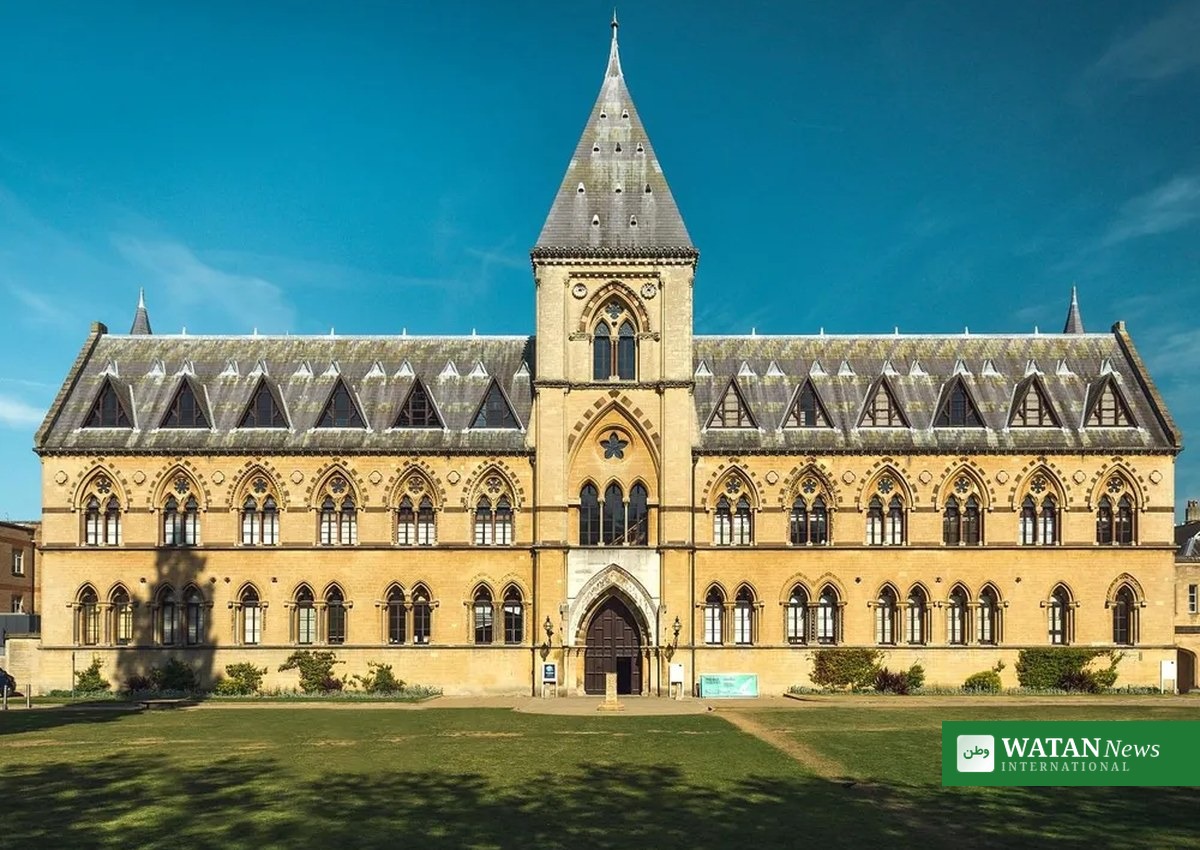
The University of Oxford has formally returned the Naga ancestral remains of 39 people to India, more than a century after they were taken during British colonial rule, in a handover ceremony at the Pitt Rivers Museum on Monday, 9 November.
A delegation of nearly 30 representatives from Nagaland travelled to Britain for the ceremony, where the remains, mostly skulls, were handed over to the Naga people. They will now be brought back to their homeland and laid to rest together beneath a shared memorial at Naga Solidarity Park in Kohima.
FAKTA
- Oxford’s Pitt Rivers Museum handed over 39 Naga ancestral remains on 9 November 2026.
- The remains, mainly skulls, were taken during British colonial rule between 1910 and 1940.
- The University of Oxford Council approved the return on 13 July 2026.
- Custodianship was transferred through the Forum for Naga Reconciliation and the Naga Tribe Hoho.
- The remains will be laid to rest at a joint memorial at Naga Solidarity Park in Kohima, Nagaland.
- The Pitt Rivers Museum holds more than 6,000 Naga cultural objects, the largest such collection in the world.
A Six-Year Journey Home
The return follows a six-year process led by the Forum for Naga Reconciliation (FNR) and its Recover, Restore and Decolonise initiative, working with Naga community organisations and tribal representatives who sought the return of their ancestors and greater recognition of how the remains entered colonial collections.
In February 2026, the University of Oxford received a formal claim seeking the return of 40 ancestral remains. After reviewing the claim, the Oxford University Council approved the return of 39 remains on 13 July 2026. One further set of remains was not returned because its Naga provenance could not be clearly established.
At the ceremony, a transfer of title was signed by the museum’s director, Professor Laura Van Broekhoven, and by Rev. Dr Wati Aier, representing the Forum for Naga Reconciliation. The museum’s director described the handover as a moment of deep significance for the Naga people.

Kohima, the capital of Nagaland, where the 39 ancestral remains will be laid to rest at a shared memorial in Naga Solidarity Park.
How the Naga Ancestral Remains Reached Oxford
The remains were brought to Oxford between about 1910 and 1940, mainly through two British colonial administrators who were also anthropologists, John Henry Hutton and James Philip Mills. The Pitt Rivers Museum holds the world’s largest collection of Naga material, with more than 6,000 objects acquired largely during British colonial rule in India and Burma, now Myanmar.
The museum’s own account acknowledges that objects gathered during that period were often confiscated during punitive military expeditions rather than freely given. Its records list 219 items as Naga human remains: the 39 ancestral remains now returned, and 178 objects containing or potentially containing human hair.
The museum removed all human remains from public display in 2020 and still holds around 2,700 human remains in storage.
The Journey to Kohima
After the handover, the remains began their journey back to Nagaland, travelling through Delhi and Dimapur before reaching Kohima. Representatives of the Forum for Naga Reconciliation and the tribal organisations have asked the state government and the central government to speed up the formalities so the remains arrive in time for burial. Reports said the remains would be kept at Naga Solidarity Park for about two to three days of public viewing before burial.
Conclusion
For the Naga people, the return closes a chapter that began more than a century ago, when their ancestors were taken from their homeland to a museum thousands of miles away. The joint memorial at Kohima will give them a shared resting place at home, and the handover adds to a wider reckoning by museums around the world with the colonial history of their collections.
Related Articles
- Down Syndrome Education Awards 2026: $75,000 for 10 Community Programmes
- Three in Four People Cut Back on Essentials to Afford Housing, Global Survey Finds
- Social Security Payments to Rise 3.6% in 2027, Adding About $75 a Month for Retirees
Frequently Asked Questions
What did Oxford University return to the Naga people?
The ancestral remains of 39 Naga people, mainly skulls, handed over at the Pitt Rivers Museum in Oxford on 9 November 2026.
When were the remains taken?
They were brought to Oxford between about 1910 and 1940, during British colonial rule, mainly by colonial administrators John Henry Hutton and James Philip Mills.
Where will the remains be buried?
They will be laid to rest together beneath a shared memorial at Naga Solidarity Park in Kohima, the capital of Nagaland.
Why was one set of remains not returned?
Oxford University Council approved the return of 39 of the 40 remains claimed; one was excluded because its Naga provenance could not be clearly established.
Author

usmanch0013@gmail.com
Related Posts

Zelenskyy Makes History as First Foreign Head of State to Address Denmark’s Parliament
- 0
- 821 words
Ukrainian President Volodymyr Zelenskyy became the first foreign head of state to address Denmark's Folketing on 11 November, thanking Denmark and urging...
Read out all
UK Economy Grows 0.7% in Third Quarter as AI Demand Lifts Output
- 0
- 772 words
The UK economy grew 0.7% in the third quarter of 2026, the fastest quarterly expansion since early 2024, as AI-related services spending...
Read out all
HubSpot Co-Founder Brian Halligan Returns as CEO as Yamini Rangan Steps Down
- 0
- 641 words
HubSpot co-founder Brian Halligan returns as CEO on 12 November, replacing Yamini Rangan, as the company calls the change a refounding around...
Read out all
FLS Launches Accelerate ’31 Strategy With New 2029 Growth and Margin Targets
- 0
- 499 words
Copenhagen-based FLSmidth has launched its Accelerate '31 strategy, targeting 6-7% annual organic revenue growth and an 18% margin by 2029.
Read out all
Best Seaside Escapes for Winter Sun: Beaches, Islands and Coastal Cities to Visit This Winter
- 0
- 1,219 word
From the Maldives and Tenerife to Dubai, Santorini and Thailand, the finest seaside escapes for winter sun, with warm seas, quiet beaches...
Read out all
Nvidia CEO Jensen Huang Resigns Amid Spy Scandal as Shares Plunge
- 0
- 881 words
Jensen Huang has resigned as president and chief executive of Nvidia with immediate effect, ending a 33-year run at the chipmaker he...
Read out all