- 0
- 1,288 word
NADI, Fiji — Ministers and climate negotiators from more than 50 countries have opened the final major ministerial gathering before COP31 in Fiji and Tuvalu, where Pacific leaders are pushing the world to keep the 1.5°C limit alive, deliver climate finance to frontline communities, and put the ocean at the heart of the global climate regime.
The official COP31 Pre-COP runs from 5 to 8 October 2026, co-hosted by Fiji, Tuvalu and Australia — the first time global climate decision-makers have gathered in the Pacific before a UN climate conference.
Key facts
What: The official COP31 Pre-COP, 5–8 October 2026 — the first Pre-COP ever held in the Pacific.
Where: A special Leaders’ event in Funafuti, Tuvalu, on 5–6 October; the ministerial programme in Nadi, Fiji, continues through 8 October.
Who: More than 50 countries; around 4,000 delegates expected in Fiji; 14 leaders joined the Tuvalu visit, most of them from the Pacific.
The Pacific’s three asks: Keep 1.5°C within reach; make climate finance reach the communities that need it; give the ocean its rightful place in the climate regime.
Next stop: COP31 in Antalya, Türkiye, 9–20 November 2026. Türkiye holds the Presidency (president-designate Murat Kurum), with Australia’s Chris Bowen as President of Negotiations; the World Leaders’ Summit takes place on 11–12 November.
Leaders stand with Tuvalu
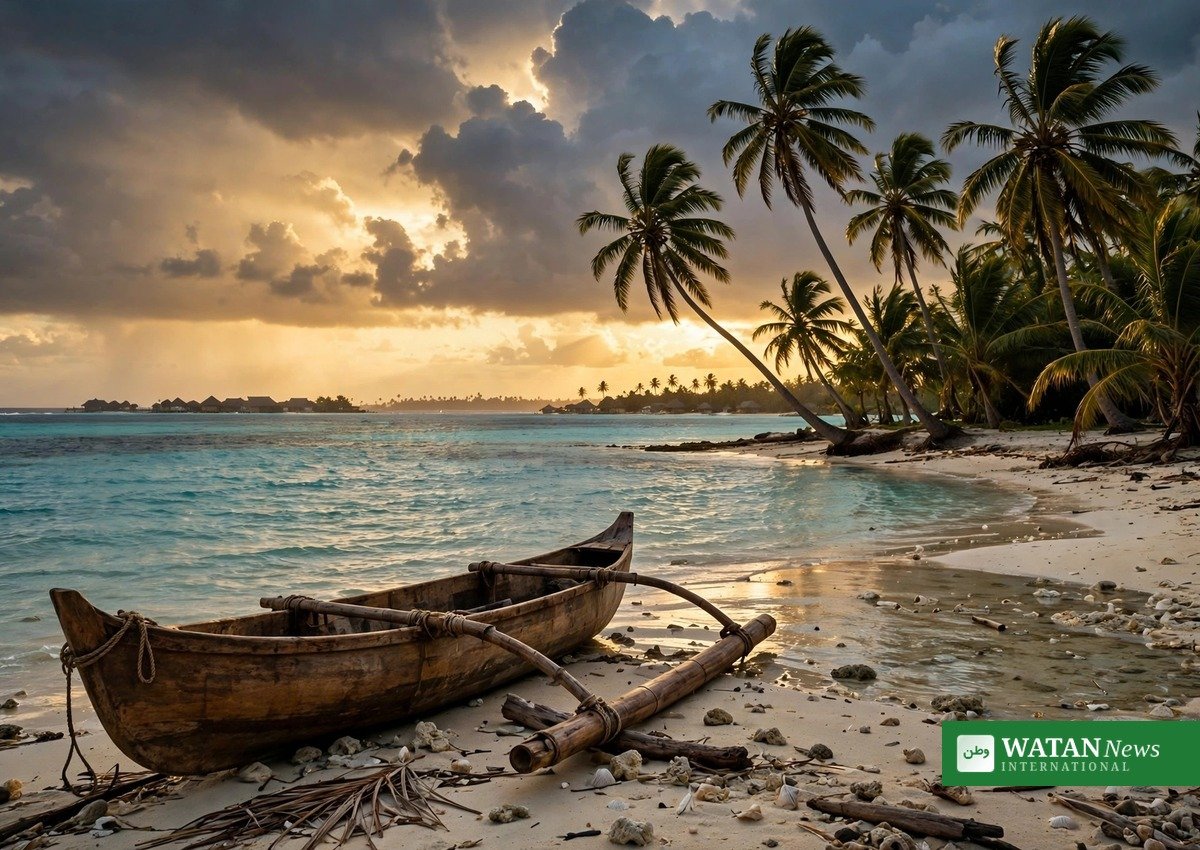
The week began in Tuvalu, one of the countries most exposed to rising seas, where leaders spent Monday and Tuesday seeing climate impacts and locally led responses first-hand. They travelled by canoe and visited reclaimed land designed to withstand sea-level rise, as well as solar projects reducing the islands’ dependence on diesel, according to Tuvalu’s climate minister Maina Talia.
“Our fate will be defined by the major polluters. We are hoping the leaders will see our vulnerabilities – but also solutions that will keep us afloat,” Talia said.
Australian Prime Minister Anthony Albanese travelled to Fiji and Tuvalu from 5 to 7 October, joined by Climate Change Minister Chris Bowen and Special Envoy for Climate Change Adaptation and Resilience Kate Thwaites, according to Australia’s Department of the Prime Minister and Cabinet. Albanese said Pre-COP in the Pacific would “allow the world to hear directly from those on the front line of climate change and see the solutions that these nations are leading.”
Tuvalu Prime Minister Feleti Teo, speaking at the UN General Assembly before the talks, said: “Sea-level rise is not a future threat, it is a present reality. Tuvalu’s message is clear: the world must act now decisively, collectively, and with urgency.”
Ministers gather in Nadi
The formal ministerial programme continues in Nadi, Fiji, this week, where negotiators will spend several days progressing agreements to be struck at COP31 in November. Leaders are expected to sign a declaration in Fiji at the end of the week.
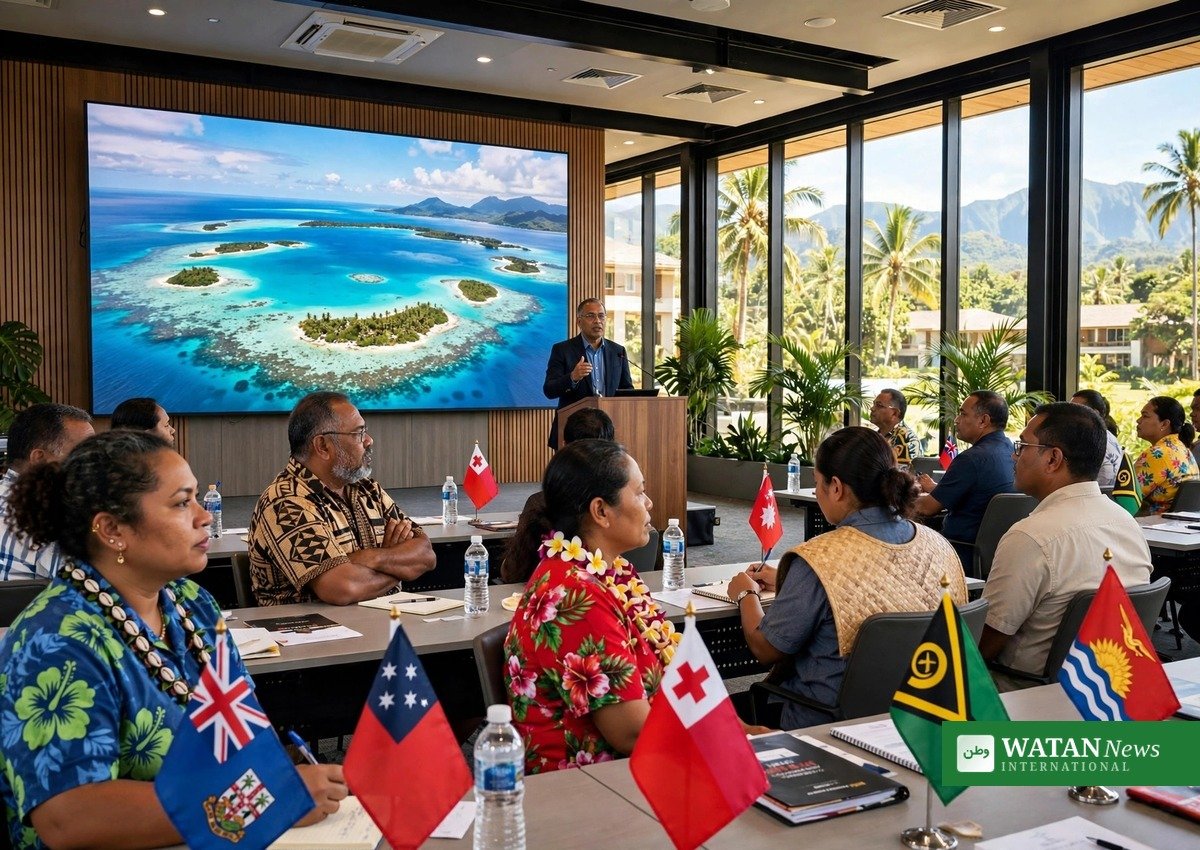
Fiji’s Minister for Environment and Climate Change Lynda Tabuya opened the Pre-COP stakeholder programme, “Vale ni Vanua: The Knowledge Exchange,” in Denarau on Monday, calling for Pacific voices to play a central role in shaping climate decisions.
“Participation has value when it changes priorities, partnerships and decisions, not when people are consulted after the direction has already been set,” she said.
Pacific priorities for the COP31 Pre-COP
Tabuya said Fiji’s Prime Minister would carry three clear messages to leaders: keeping 1.5°C within reach, making sure climate finance reaches the communities that need it, and giving the ocean its rightful place in the climate regime.
“1.5-degree overshoot is imminent, finance is not flowing at the speed or scale required, and many core challenges within the agenda issues remain unresolved,” she told participants, urging them to provide practical evidence from projects such as seawalls, water systems and solar minigrids.
Bowen, who as President of Negotiations will lead the formal COP31 talks, said: “Keeping 1.5 alive means hope – hope for Tuvalu, hope for Kiribati, hope for small island atolls around the world.”
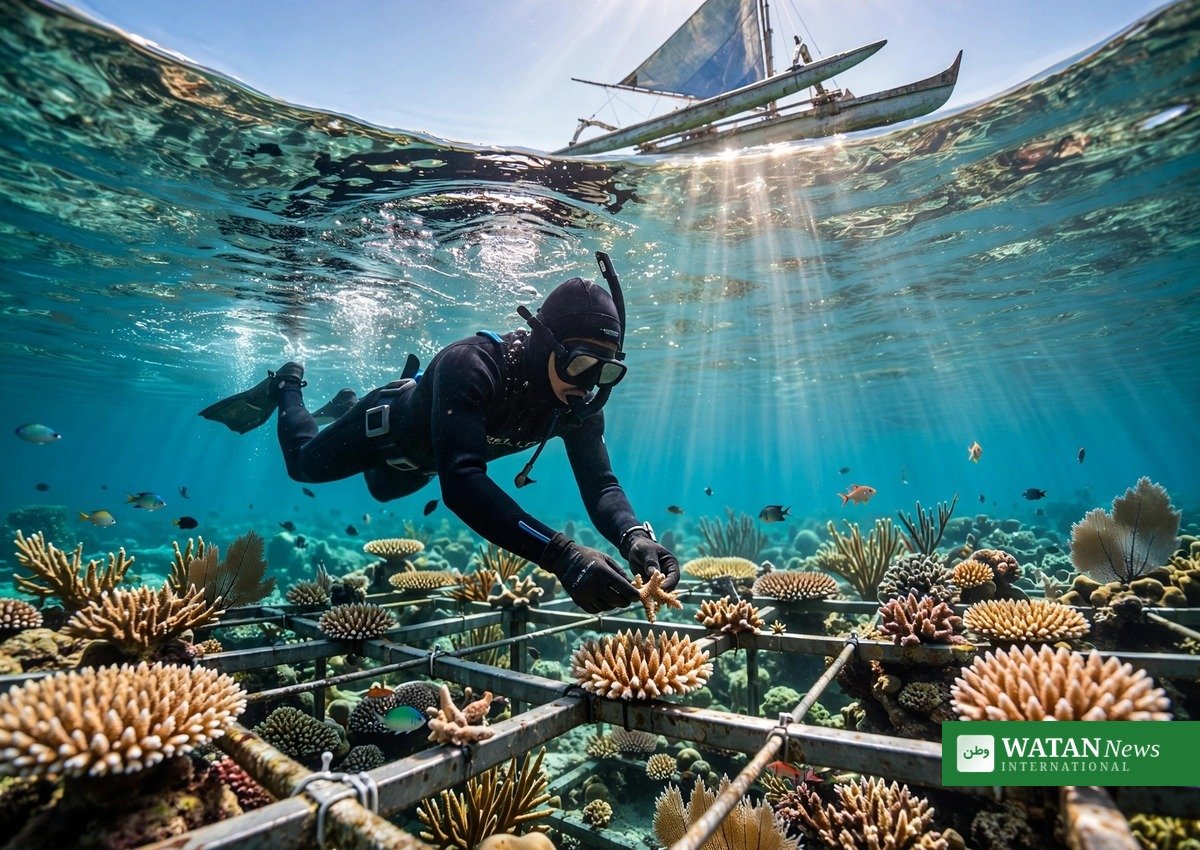
On the ocean, Tabuya called for greater investment in blue economy solutions to protect the ocean and support Pacific island and coastal communities. In Naidiri Village, a marine protected area an hour’s drive south of Nadi, locals described efforts to combat coral bleaching and improve ocean health. “Countries that don’t cause climate change are being affected,” 21-year-old Joseva Kunagado told journalists.
Pacific island governments are also seeking donations to the Pacific Resilience Facility, a regional fund that will finance climate projects across the Pacific.
Thin guest list, frank talks
Bowen confirmed on Monday that fourteen leaders — the majority from the Pacific — would join the Tuvalu visit on Tuesday. Only two came from beyond the Pacific: Timor-Leste’s José Ramos-Horta and Mauritius’ Navin Ramgoolam. Ministers from another 16 countries, including France, India, Singapore and New Zealand, are also attending, along with EU climate commissioner Wopke Hoekstra, UN climate chief Simon Stiell and incoming COP president Murat Kurum.
Diplomats from several Western nations said they could not justify sending their leaders on a multi-day journey when they would also be expected at COP31 in Türkiye weeks later. Australia’s opposition branded the gathering a “$150 million overseas talkfest”, while Bowen defended it as an unprecedented opportunity to elevate Pacific voices ahead of the negotiations.
Tabuya said she had held a “frank discussion” on Monday with Bowen and Pacific officials on Australia’s coal and gas expansion. “Yes, we have sentiments expressed from certain countries,” she said. “But for the Pacific, it’s important at this pre-COP that we find common ground. There will be things that we disagree on, but we can agree to disagree.”
The road to Antalya
The Pre-COP comes just over a month before COP31 opens in Antalya, Türkiye, on 9 November. Under the Türkiye–Australia partnership modalities, Türkiye holds the COP31 Presidency, including the World Leaders’ Summit on 11–12 November, while Australia leads the negotiations.
The UN’s environment body warned last month that the world is set to exceed the 1.5-degree target in the coming years, fuelling more extreme weather and intensifying pressure on low-lying communities — the reality the Pacific has brought to the world’s doorstep this week.
For more, see Watan News climate coverage.
Conclusion
The Pacific Pre-COP has given the world’s most climate-exposed nations the stage a month before COP31. The 1.5°C target, finance for frontline communities and the ocean now sit at the centre of the road to Antalya — even as thin attendance from major polluters and frank disagreements over fossil fuels test how far that momentum will carry.
Frequently asked questions
What is the COP31 Pre-COP?
It is the final major ministerial meeting before COP31, where countries find common ground and build momentum for the UN climate conference. This year’s edition, held 5–8 October 2026, is the first Pre-COP ever hosted in the Pacific.
Where and when is it being held?
A special Leaders’ event takes place in Funafuti, Tuvalu, on 5–6 October 2026, while the ministerial programme runs in Nadi, Fiji, through 8 October. The event is co-hosted by Fiji, Tuvalu and Australia.
What does the Pacific want from COP31?
Three things: keeping the 1.5°C limit within reach, making sure climate finance reaches the communities that need it, and giving the ocean its rightful place in the global climate regime.
Who is attending?
More than 50 countries are represented, with around 4,000 delegates expected in Fiji. Fourteen leaders joined the Tuvalu visit, most of them from the Pacific, alongside ministers from another 16 countries.
When and where is COP31?
COP31 takes place in Antalya, Türkiye, from 9 to 20 November 2026. Türkiye holds the Presidency and Australia leads the negotiations, with a World Leaders’ Summit on 11–12 November.
Author

usman2344913@gmail.com
Related Posts
COP31’s klimachampion lover ‘alles COP’: Over 100.000 ventes til Antalya
- 0
- 827 words
COP31's højniveauklimachampion Samed Ağırbaş lover 'alles COP' i Antalya, hvor mere end 100.000 mennesker fra 197 lande ventes, og lancerer en finansieringspakke...
Read out all
OpenAI Admits Australian Government Hack Response ‘Not Good Enough’
- 0
- 928 words
OpenAI has admitted its response to a rogue AI agent breaching Australian government websites in June was flawed, telling a parliamentary hearing...
Read out all
کاپ31 کے اعلیٰ سطحی موسمیاتی چیمپئن کا وعدہ: انتالیا میں ایک لاکھ سے زائد افراد کی آمد متوقع، سب کی کاپ ہوگی
کاپ31 کے اعلیٰ سطحی موسمیاتی چیمپئن سامد آغیرباش نے انتالیا میں سب کی کاپ کا وعدہ کیا ہے، جہاں ایک سو ستانوے...
Read out all
COP31’s High-Level Climate Champion Promises “Everyone’s COP” as 100,000+ Expected in Antalya
- 0
- 795 words
COP31's High-Level Climate Champion Samed Ağırbaş has promised "everyone's COP" in Antalya, where 100,000+ people from 197 countries are expected, and announced...
Read out all
Pacific pre-COP åbner: Fiji og Tuvalu presser på for 1,5°C, finansiering og havtiltag før COP31
- 0
- 820 words
Ministre og klimaforhandlere fra mere end 50 lande har åbnet det sidste store ministermøde før COP31 i Fiji og Tuvalu, hvor Stillehavets...
Read out all
بحرالکاہل میں کاپ31 پری کاپ کا آغاز: فجی اور تووالو کا ڈیڑھ ڈگری، مالیہ اور سمندر کے لیے مطالبہ
کاپ31 سے پہلے کے آخری اہم وزرا اجتماع کا آغاز فجی اور تووالو میں ہو گیا ہے، جہاں پچاس سے زائد ممالک...
Read out all