- 0
- 925 words
Ministers and climate negotiators from more than 50 countries are gathering in Fiji and Tuvalu this week for the final major ministerial meeting before COP31 — and Pacific leaders are using the moment to demand that the November climate summit in Antalya deliver action, not just promises.
The Last Ministerial Before Antalya
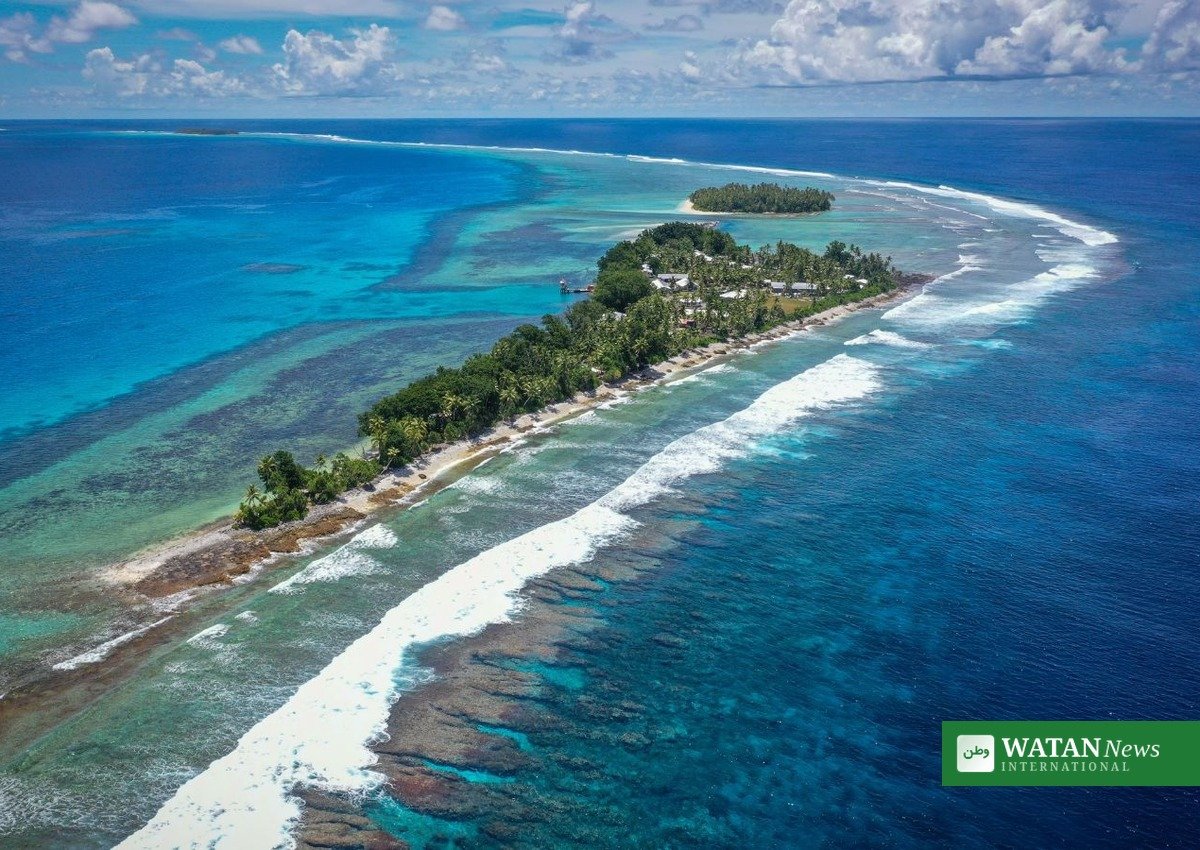
The 2026 Pacific Pre-COP31, co-hosted by Fiji and Australia from October 5 to 8, brings global climate decision-makers to the Pacific ahead of the UN climate conference in Antalya, Türkiye, from November 9 to 20. A special Leaders’ event is being held in Tuvalu from October 5 to 6, taking decision-makers to one of the countries most exposed to rising seas and climate change.
The meeting is designed to build momentum for the negotiations: keeping the 1.5°C temperature goal within reach, accelerating the clean energy transition, strengthening climate resilience and unlocking finance for vulnerable countries.
“COP31 Cannot Be Another Talk Shop”
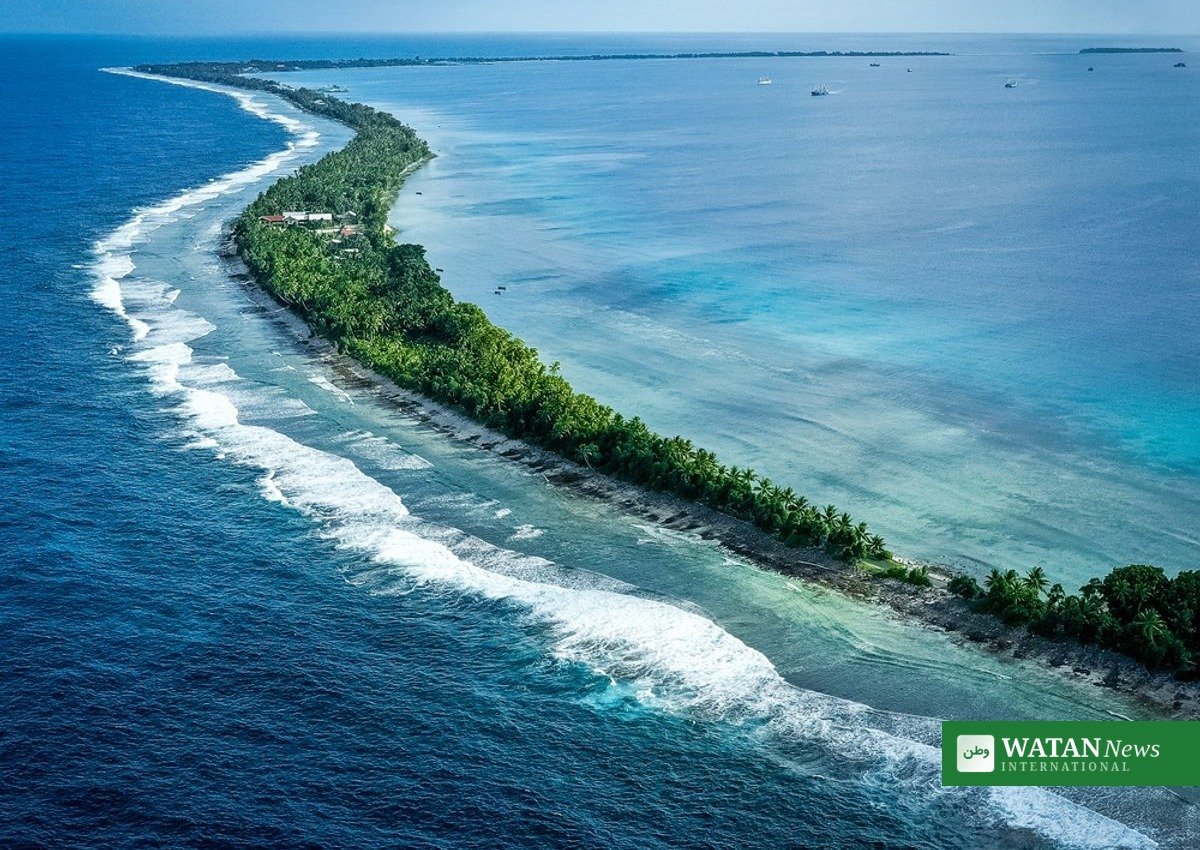
The strongest message came from Tuvalu’s climate change minister, Dr Maina Vakafua Talia, who warned a delegation of world leaders visiting the island nation that the summit must not become “another talk shop” while Pacific nations struggle to survive rising sea levels and intensifying natural disasters.
Fourteen world leaders from nations including Australia, Solomon Islands, Vanuatu and Mauritius visited Tuvalu for the event, despite persistent rain that curtailed some plans. It was the first official visit to Tuvalu for Australian Prime Minister Anthony Albanese, while former prime minister Julia Gillard was also among the attendees.
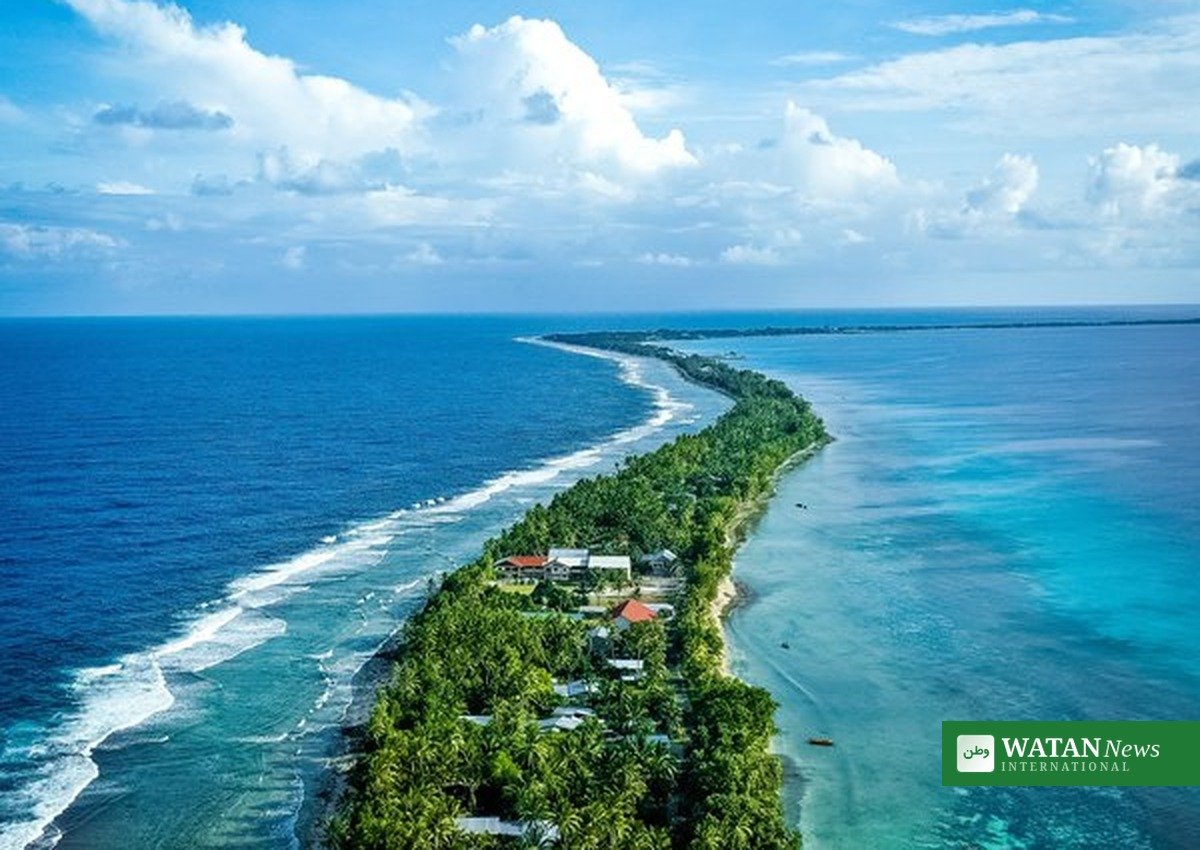
Leaders were shown the Tuvalu Coastal Adaptation Project, a multimillion-dollar program reclaiming coastal land across four sites, with a goal of adding more than 20 hectares of safe habitation land by the end of 2026 — built six metres above the reef flat to resist even the highest tides.
Oceans and the 1.5°C Goal at the Centre
Fiji’s Minister for Information, Environment and Climate Change, Lynda Tabuya, called for the ocean to take a stronger place in global climate decisions, urging investment in blue economy solutions and warning that a 1.5°C overshoot is imminent. Preparatory discussions in Nadi cover negotiations, climate finance, the ocean-climate connection and the renewable energy transition.
The Pacific programme reflects a broader shift: climate action since the 2015 Paris Agreement has helped reduce projected warming from about 4°C to 2.6°C, while renewable energy has grown to more than a third of global electricity generation — and renewable capacity additions are expected to double between 2025 and 2030 compared with the previous five years.
Finance, Not Debt
Tuvalu’s Prime Minister Feleti Teo told leaders that COP31 discussions must include commitments for more grants to endangered island nations, arguing that vulnerable countries should not have to take on more debt to protect themselves from a climate crisis they did so little to cause. Climate finance, he said, must not push vulnerable countries deeper into debt simply to survive.
Australia’s Minister for Climate Change and Energy, Chris Bowen — who will serve as President of Negotiations at COP31 — said Australia would work with Türkiye, which holds the COP31 Presidency under Murat Kurum, to secure practical outcomes on energy security, economic development and climate resilience.
The outcomes of the Pacific Pre-COP31 will feed directly into the Antalya negotiations. For background on how the summit will be run, see our explainer on COP31’s two presidencies and Australia’s AUD 7.3 million Pacific renewable energy commitment announced at the pre-COP.
FAKTA
- Event: Pacific Pre-COP31 ministerial meeting, October 5–8, 2026, in Nadi, Fiji — co-hosted by Fiji and Australia.
- Participants: Ministers and climate negotiators from more than 50 countries; 14 world leaders visited Tuvalu for the Leaders’ event (October 5–6).
- Key demands: Keep 1.5°C within reach, accelerate the clean energy transition, unlock climate finance for vulnerable countries, put oceans at the heart of the agenda.
- Warning: Tuvalu’s climate minister says COP31 “cannot be another talk shop” — it must deliver strategic action, including work to phase out fossil fuels.
- Next step: COP31 in Antalya, Türkiye, November 9–20, 2026; Türkiye holds the Presidency, Australia leads the negotiations.
Conclusion
The Pacific Pre-COP31 has put the moral case for climate action where negotiators cannot ignore it: on the frontlines, in a nation averaging two metres above the sea. Whether the ministers carry the Pacific’s demands — grants not debt, oceans at the centre, 1.5°C kept alive — into Antalya will determine whether COP31 is remembered as a turning point or, in Tuvalu’s warning words, just another talk shop.
Frequently Asked Questions
What is the Pre-COP31?
The Pre-COP is the final major ministerial meeting before the annual UN climate conference. The 2026 edition is being held in Fiji and Tuvalu from October 5 to 8, co-hosted by Fiji and Australia, to build momentum ahead of COP31 in Antalya, Türkiye.
Why is it being held in the Pacific?
To put Pacific priorities — ocean protection, climate finance, resilience and the 1.5°C goal — at the centre of global discussions, and to show decision-makers the frontline impacts of sea-level rise in nations like Tuvalu.
When and where is COP31?
COP31 takes place in Antalya, Türkiye, from November 9 to 20, 2026. Türkiye holds the COP Presidency (Murat Kurum), while Australia’s Chris Bowen serves as President of Negotiations.
What do Pacific leaders want from COP31?
Stronger action on climate finance — more grants rather than debt for vulnerable nations — accelerated clean energy transition, ocean protection, and credible work to keep the 1.5°C warming goal within reach, including phasing out fossil fuels.
Author

usman2344913@gmail.com
Related Posts
DNC Sues Trump Administration Over Taxpayer-Funded Presidential Ads
- 0
- 904 words
The Democratic National Committee (DNC) has filed a lawsuit against President Donald Trump’s administration, alleging the illegal use of taxpayer funds for...
Read out allPrime Minister Muhammad Shehbaz Sharif welcomes United Nations Secretary-General Antonio Guterres, who is on a
- 0
- 990 words
Prime Minister Muhammad Shehbaz Sharif extended a warm welcome to United Nations Secretary-General Antonio Guterres upon his arrival for an official visit...
Read out allTrump’s Campaign Tactics Grow Unusual, Expensive Ahead of US Midterms
- 0
- 833 words
Former US President Donald Trump’s campaign tactics have taken an unusual and costly turn as he seeks to influence the upcoming midterm...
Read out all
US Luxury Spending Falls 6% in September, Third Straight Monthly Decline: Citi Data
- 0
- 824 words
US credit card spending on luxury brands fell for a third consecutive month in September, retail lender Citi said in a research...
Read out all
UK House Prices Flatline in September as Mortgage Rates Top 6%
- 0
- 809 words
UK house prices stalled completely in September, recording zero growth on both a monthly and annual basis, according to the latest Lloyds...
Read out all
US Offers Startups Up to $1.55M Through Relaunched NSF Seed Fund
- 0
- 855 words
The U.S. government is offering startups up to $1.55 million in non-dilutive funding — and taking zero equity in return. Through the...
Read out all