- 0
- 1,016 word
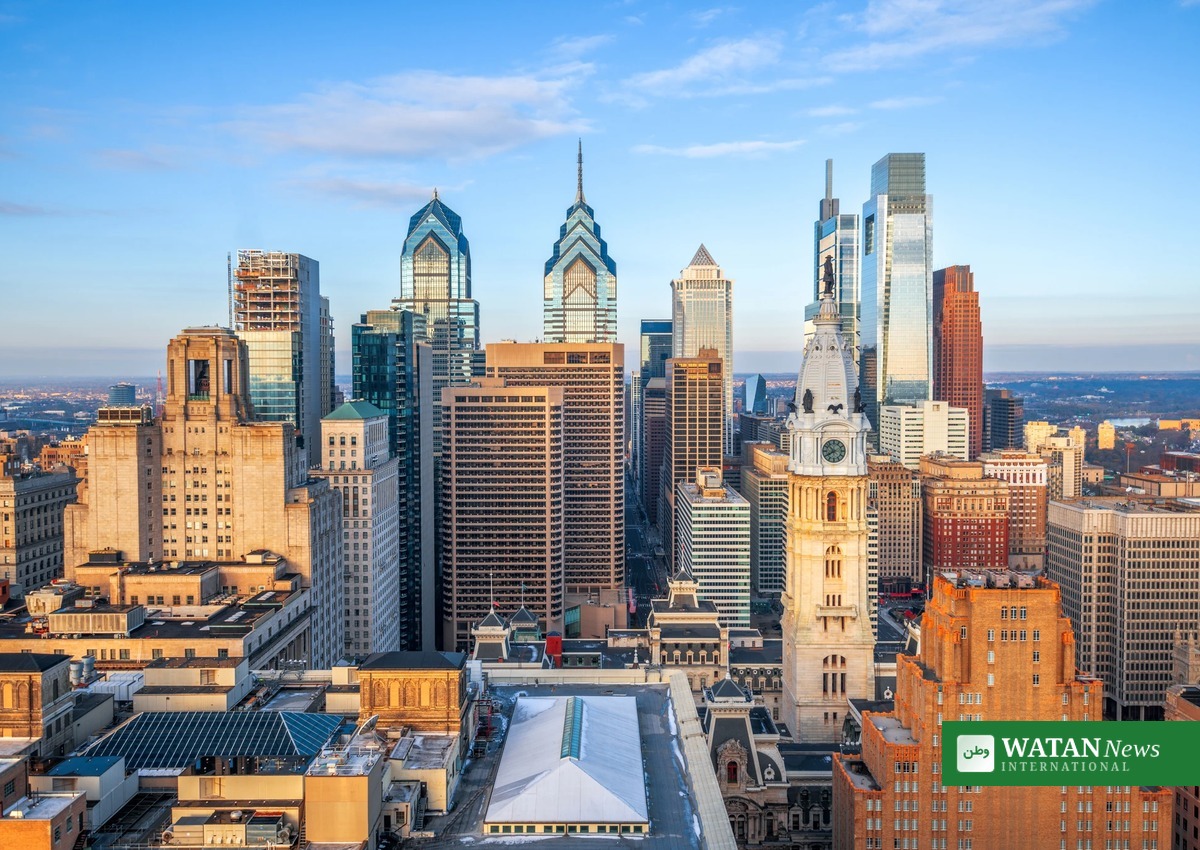
Philadelphia has taken a major step towards zero waste. On Monday, 23 November 2026, the City Council’s Commerce Committee unanimously advanced the Philadelphia Zero Waste and Circular Economy Act, a bill that would require the city to divert 60 percent of its municipal waste away from landfills and incinerators by 2046.
The bill, known as Bill 260708, now moves to the full City Council for consideration. If enacted, it would mark a significant shift in how one of America’s largest cities manages its waste, with implications for public health, environmental quality and long-term disposal costs.
What the Philadelphia zero waste bill requires
The bill was introduced on 17 September 2026 by Councilmember Mark Squilla, who represents the city’s 1st District, and carries nine sponsors. It directs the city administration to develop a comprehensive “Philadelphia Zero Waste Circular Economy Plan” within three years, setting out strategies over 24 to 36 months to reach the 60 percent diversion target.
The plan is expected to focus on composting, anaerobic digestion — breaking down organic waste without oxygen to produce biogas — repair and reuse centres, and expanded recycling. The bill also requires the city to “duly consider” waste and recycling contracts of up to 20 years, up from the current maximum of seven years. City officials say longer contracts could save taxpayers money and give firms the payment assurances they need to invest in cleaner infrastructure.

The Chester incinerator fight
The committee vote came just days after another Council committee voted unanimously to block Mayor Cherelle L. Parker’s administration from entering a new four-year deal with Reworld, the incinerator in Chester where the city has long sent about a third of its trash to be burned. That earlier vote was championed by Councilmember Jamie Gauthier, who has pushed for more than a year to sever ties with the incinerator, citing harmful air emissions. Reworld disputes those claims, saying its emissions meet federal environmental and health standards.
The Parker administration, which had sought to renew the Reworld contract, partnered with Councilmember Squilla to author the zero-waste legislation. The city announced the initiative on 16 September 2026, saying it aimed to modernise waste management, minimise reliance on landfills and waste-to-energy facilities, and promote sustainable practices citywide.
FAKTA
- Bill: Philadelphia Zero Waste and Circular Economy Act (Bill 260708)
- Committee vote: unanimous, Commerce Committee, 23 November 2026
- Target: 60 percent of municipal waste diverted from landfills and incinerators by 2046
- Plan: a comprehensive zero-waste strategy within three years
- Next step: full City Council vote, at the earliest on 10 December 2026
Support and criticism
Sanitation Commissioner Crystal Jacobs-Shipman told the committee the bill essentially codifies work already under way to reduce reliance on landfills and waste-to-energy sites. “We are poised to reshape how people think of and manage waste,” she said.
Some environmental advocates, however, testified that the legislation lacks accountability measures and focuses too heavily on diverting waste rather than reducing it at the source. Alisa Shargorodsky, executive director of the Philadelphia-based waste reduction nonprofit Echo Systems, urged the city to prioritise cutting single-use packaging and supporting small businesses that shift towards reusable options.
“Every ton that we do not create is a ton that we do not have to pay for,” Shargorodsky said. “We cannot build a zero waste plan on technology alone. We need prevention at the core.”
Councilmember Gauthier, who left the chamber before the vote, noted during the hearing that the plan was less ambitious than a 2016 city goal, and that no law currently prevents the city from entering a 20-year contract.
Why it matters for the climate
Waste buried in landfills releases methane, a powerful greenhouse gas, as organic material rots. Diverting food and other organic waste to composting and anaerobic digestion therefore cuts climate pollution directly, while recycling and reuse reduce the need for new raw materials.
The scale of the challenge is global. According to the United Nations Environment Programme’s Global Waste Management Outlook 2024, municipal solid waste generation is predicted to grow from 2.1 billion tonnes in 2023 to 3.8 billion tonnes by 2050. Without urgent action, the annual cost of waste management could reach 640.3 billion US dollars by 2050, while a circular economy pathway could deliver a net gain of 108.5 billion US dollars a year by 2050.
Zero waste was also a headline theme at COP31 in Antalya, where the Istanbul Zero Waste Action Platform passed 100 initiatives connecting zero-waste and circular-economy solutions with practical implementation. Philadelphia’s move shows how that global agenda is now reaching city halls. Similar innovation is under way elsewhere: researchers at ETH Zurich have turned plastic waste into industrial adhesive, and a US network is scaling up food-waste recovery across 30 states.
What happens next
The bill now moves to the full City Council for consideration, with the earliest final vote on 10 December 2026. If enacted, Philadelphia would join a growing group of major cities setting long-term, legally backed waste-reduction targets — and the city’s next waste contracts will show whether the plan becomes practice.
Frequently asked questions
What is the Philadelphia zero-waste bill?
It is the Philadelphia Zero Waste and Circular Economy Act (Bill 260708), introduced in September 2026. It requires the city to prepare a comprehensive zero-waste plan and work towards diverting 60 percent of municipal waste from landfills and incinerators by 2046.
What does 60 percent diversion mean?
It means that by 2046, 60 percent of the city’s municipal waste should be kept out of landfills and incinerators through recycling, composting, anaerobic digestion, repair and reuse, instead of being buried or burned.
Has the bill become law yet?
No. The Commerce Committee advanced it unanimously on 23 November 2026. It still needs a vote by the full City Council, which could take place at the earliest on 10 December 2026.
Why is the Chester incinerator part of the story?
Philadelphia has long sent about a third of its trash to the Reworld incinerator in Chester to be burned. Days before the zero-waste vote, another Council committee blocked a new four-year deal with the incinerator, after concerns about air emissions.
How does zero waste help the climate?
Waste in landfills releases methane, a powerful greenhouse gas. Diverting organic waste to composting and biogas, and keeping materials in use through recycling and reuse, cuts those emissions and reduces demand for new raw materials.
Author

usmanch0013@gmail.com
Related Posts
Pablo Hernández de Cos Picked as Next ECB President, Succeeding Lagarde in February
- 0
- 621 words
Leaders of the eurozone countries have chosen Spain's Pablo Hernández de Cos as the next ECB president. He succeeds Christine Lagarde in...
Read out all
COP31-skovfond når 8,3 milliarder dollar – men mangler stadig 1,7 milliarder dollar
- 0
- 1,320 word
Tropical Forest Forever Facility rejste 8,3 milliarder dollar ved COP31, men med 1,7 milliarder dollar stadig at finde inden den 31. december...
Read out all
کاپ31 کے بعد اشنکٹبندیی جنگلات کا فنڈ 8.3 ارب ڈالر تک پہنچ گیا — ہدف سے اب بھی 1.7 ارب ڈالر کم
ٹراپیکل فارسٹ فارایور فیسلٹی نے کاپ31 میں 8.3 ارب ڈالر جمع کر لیے، لیکن 31 دسمبر سے قبل 1.7 ارب ڈالر کی...
Read out all
COP31 forest fund reaches $8.3 billion — but $1.7 billion short of its launch target
- 0
- 1,273 word
The Tropical Forest Forever Facility raised $8.3 billion at COP31, but with $1.7 billion still to find before 31 December, Norway's $3...
Read out all
فلاڈیلفیا کونسل نے زیرو ویسٹ بل آگے بڑھا دیا، 2046 تک 60 فیصد کچرا ڈائیورٹ کرنے کا ہدف
فلاڈیلفیا سٹی کونسل کی کامرس کمیٹی نے زیرو ویسٹ اینڈ سرکلر اکانومی ایکٹ متفقہ طور پر آگے بڑھا دیا ہے، جس کے...
Read out all
Philadelphia fremmer nul-affaldslov med mål om 60 procent affaldsomlægning i 2046
- 0
- 1,074 word
Philadelphias byråds handelsudvalg har enstemmigt fremmet nul-affaldsloven, der kræver, at byen omdirigerer 60 procent af det kommunale affald væk fra lossepladser og...
Read out all