- 0
- 684 words
Plastic Bank, the Canadian social enterprise behind one of the world’s largest bottle collection networks, is courting more Philippine companies to join its plastic waste collection drive, pitching the partnership as a practical route for firms to meet their extended producer responsibility targets. Founder and chief executive David Katz made the appeal to reporters on the sidelines of a European Chamber of Commerce of the Philippines (ECCP) forum in Manila on 7 October 2026, reported BusinessWorld.
FAKTA: Key facts
- Organisation: Plastic Bank — Canadian social enterprise founded in 2013 by David Katz
- Philippines milestone: two billion plastic bottles recovered, equal to 45 million kilograms, as of August 2026 (company figures cited by BusinessWorld)
- Model: bottle deposit programme — used bottles exchanged for money and social benefits, traced on a blockchain-secured platform
- Pitch: help Philippine firms meet extended producer responsibility requirements
- Local partners include Pepsi-Cola Products Philippines, CDO Foodsphere, Pacific Synergy Food and Beverage Corp. and S.C. Johnson & Son
- Also operates in Egypt, Thailand, Brazil and Indonesia
- Context: EU–Philippines Green Economy Partnership — a 60 million-euro EU grant supporting the Philippine green economy transition
Two billion bottles — and counting
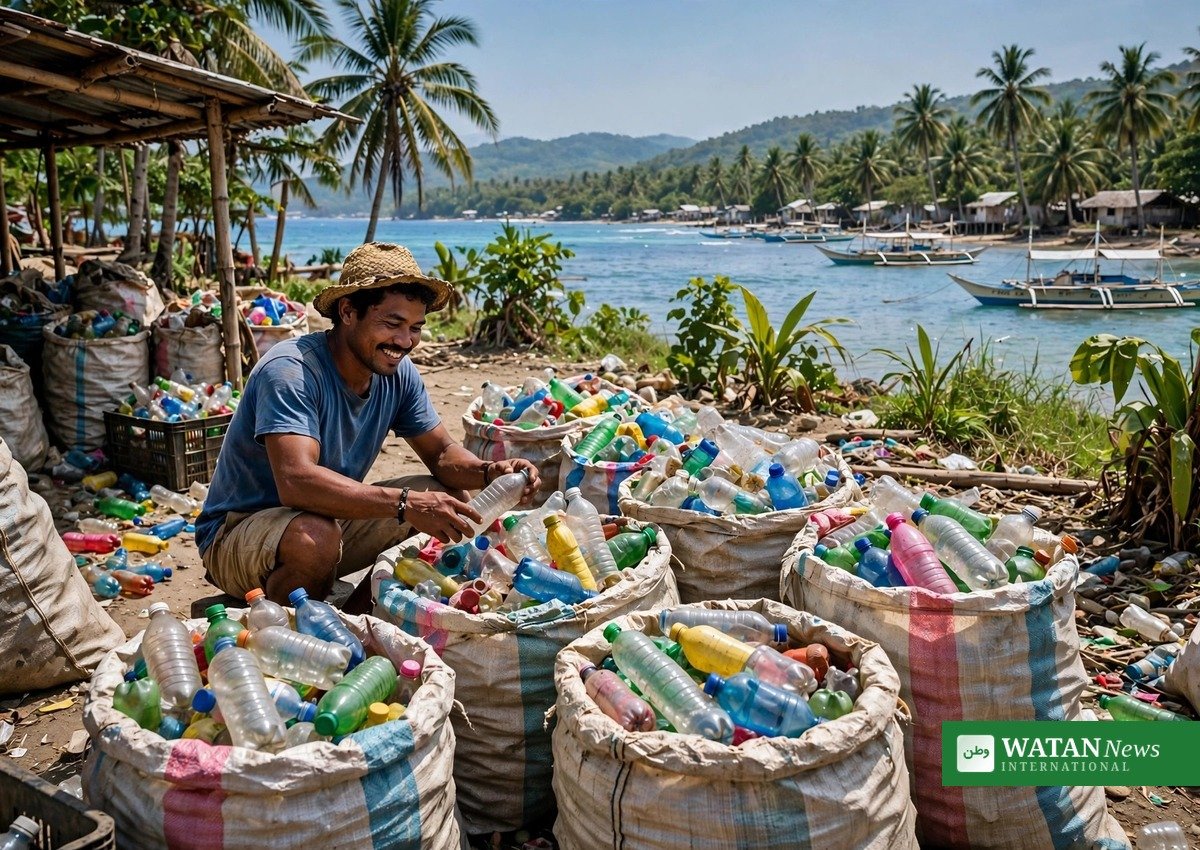
According to figures cited by BusinessWorld, Plastic Bank has recovered two billion plastic bottles in the Philippines alone, equivalent to 45 million kilograms of plastic, as of August 2026. The bottles are collected through a deposit programme in which people exchange used plastic for money and access to social benefits, and every bottle is tracked on a blockchain-secured platform before being recycled into the circular economy.
“We continue to invest and create the opportunity to invite more Filipino companies to participate,” Katz told reporters at the ECCP forum.
How the collection model works
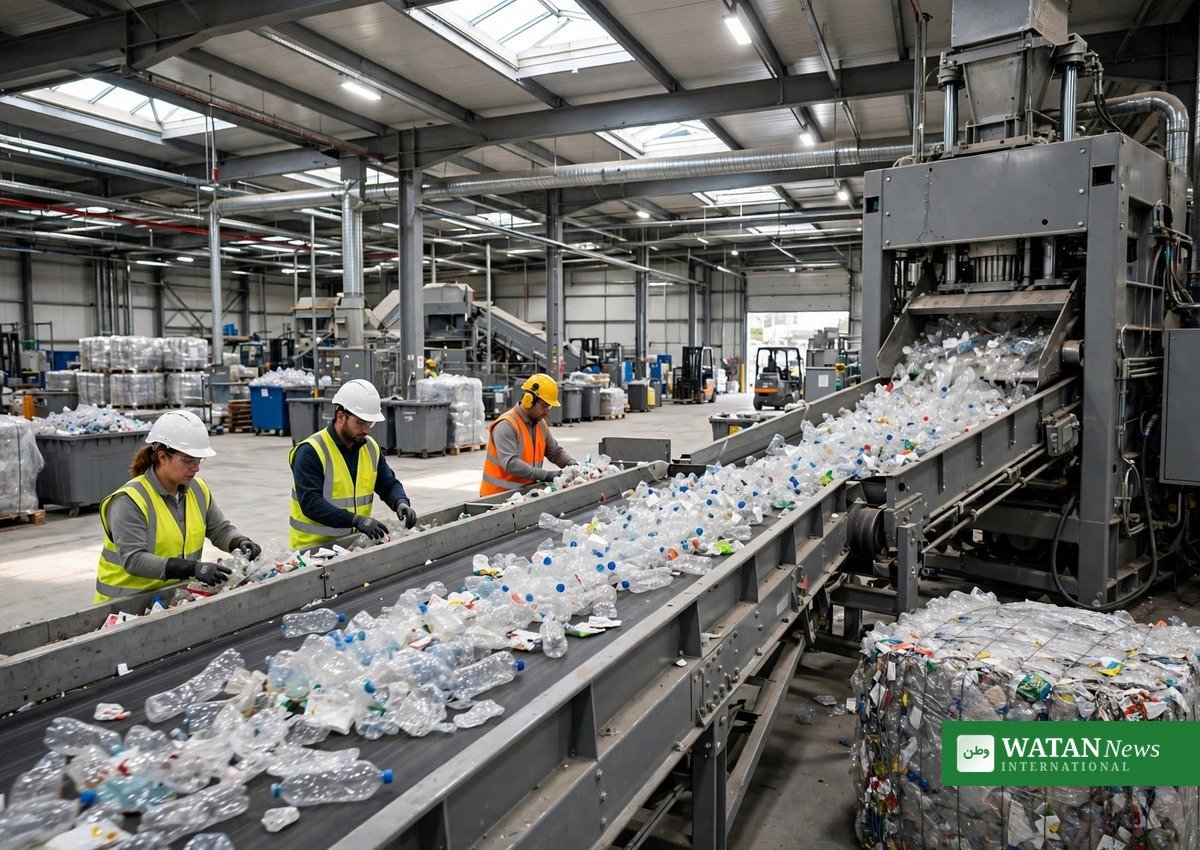
Plastic Bank describes itself as a social fintech: collection branches pay people for the plastic they bring in, and the material is converted into recycled feedstock for new products. Independent reporting on the organisation notes that its networks compensate tens of thousands of collectors across its operating countries and that it has partnered with more than 200 companies worldwide on circular packaging.
In the Philippines, its local partners include Pepsi-Cola Products Philippines, Inc., CDO Foodsphere, Inc., Pacific Synergy Food and Beverage Corp., S.C. Johnson & Son, Inc., as well as food and beverage companies such as Wendy’s Philippines, Conti’s Bakeshop and Restaurant and Goldilocks Bakeshop Philippines.
Extended producer responsibility in focus
The centrepiece of Katz’s pitch is extended producer responsibility — the principle that companies putting packaged goods on the market should help fund and organise the collection of the waste those products become. By joining Plastic Bank’s network, firms can document verified collection volumes against their responsibility targets.
Dawn F. Cabigon, who heads the ECCP’s international trade fairs division, said the bottle collection programme aligns with the chamber’s push to promote circular economy practices in the Philippines. “We cannot solve waste in the current system that we have. It has to be in a green economy… and it needs new systems, technologies, solutions, as well as a mindset change,” she said.
EU backs the Philippines’ green transition
Cabigon also pointed to the EU–Philippines Green Economy Partnership, a 60 million-euro grant from the European Union to the Philippine government to support the country’s transition to a green economy — the policy backdrop against which collection schemes like Plastic Bank’s are scaling up.
Why it matters for the climate
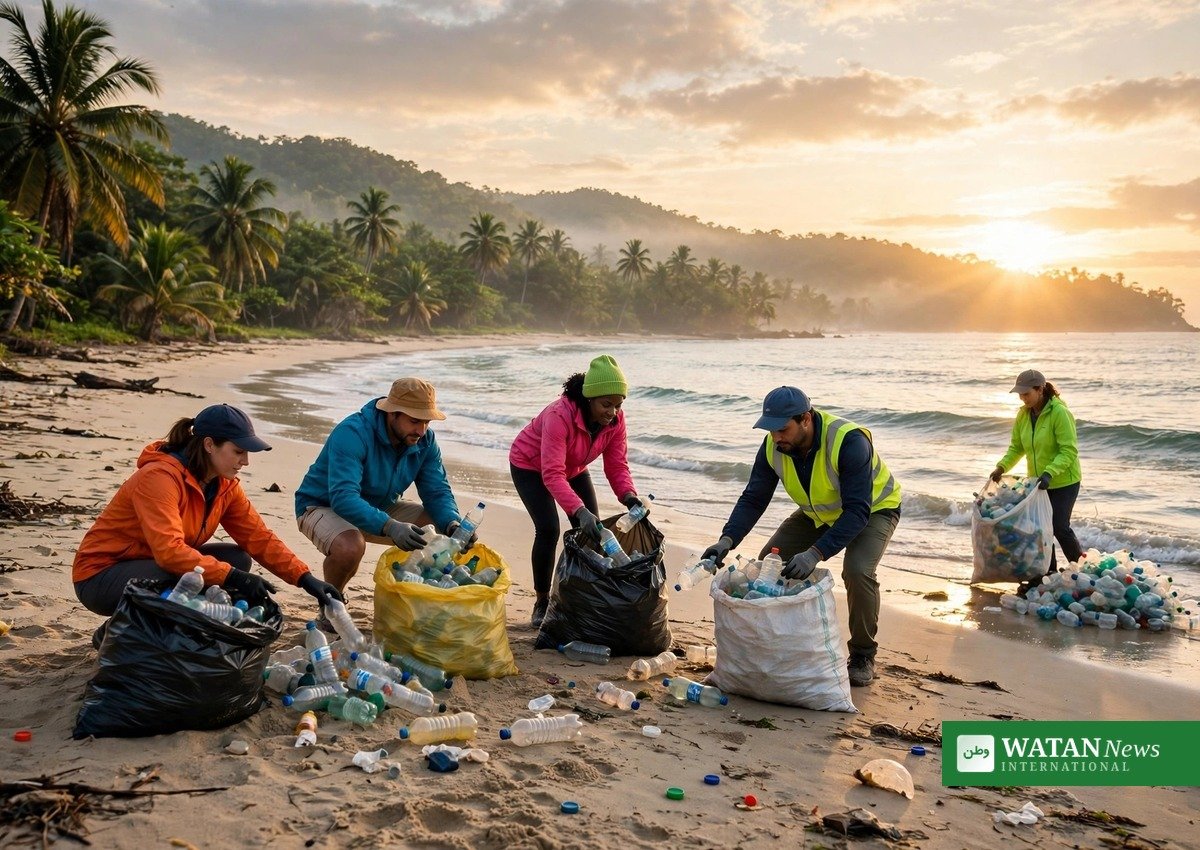
Plastic waste is a climate issue as well as a pollution crisis: every bottle kept in circulation is one that does not end up in a landfill or waterway, and verified collection reduces demand for new virgin plastic. Deposit-and-trace models like Plastic Bank’s show how waste policy, corporate responsibility rules and community livelihoods can pull in the same direction.
For more climate news from Watan News, follow our ongoing coverage of zero waste and the circular economy.
Author

usman2344913@gmail.com
Related Posts
French Students Demand More Funding in New Protests
- 0
- 808 words
French high school and university students were called out to protest again on Thursday, two days after a large turnout demanding more...
Read out all
Irland støtter genopretning af 50 hektar mangroveskov i Sydøst-Liberia med 1,5 mio. euro
- 0
- 565 words
Irland har afsat 1,5 mio. euro til at genoprette 50 hektar mangroveskov og 20 hektar kystnære kokosplantager i Sydøst-Liberia — til gavn...
Read out all
آئرلینڈ کا 15 لاکھ یورو منصوبہ: جنوب مشرقی لائبیریا میں 50 ہیکٹر مینگرو جنگلات کی بحالی
آئرلینڈ نے جنوب مشرقی لائبیریا میں 50 ہیکٹر مینگرو جنگلات اور 20 ہیکٹر ساحلی ناریل کے باغات کی بحالی کے لیے 15...
Read out all
Ireland Funds €1.5M Drive to Restore 50 Hectares of Mangroves in South-East Liberia
- 0
- 593 words
Ireland has committed €1.5 million to rehabilitate 50 hectares of mangrove forests and 20 hectares of coastal coconut plantations in south-east Liberia,...
Read out all
Plastic Bank søger flere filippinske partnere til indsamling af plastaffald
- 0
- 680 words
Plastic Bank, den canadiske sociale virksomhed bag et af verdens største flaskeindsamlingsnetværk, bejler nu til flere filippinske virksomheder om at slutte sig...
Read out all
پلاسٹک بینک فلپائن میں پلاسٹک فضلہ جمع کرنے کے لیے مزید شراکت دار چاہتا ہے
پلاسٹک بینک، جو دنیا کے بڑے بوتل جمع کرنے والے نیٹ ورکس میں سے ایک کے پیچھے کینیڈا کا سماجی ادارہ ہے،...
Read out all