- 0
- 1,140 word
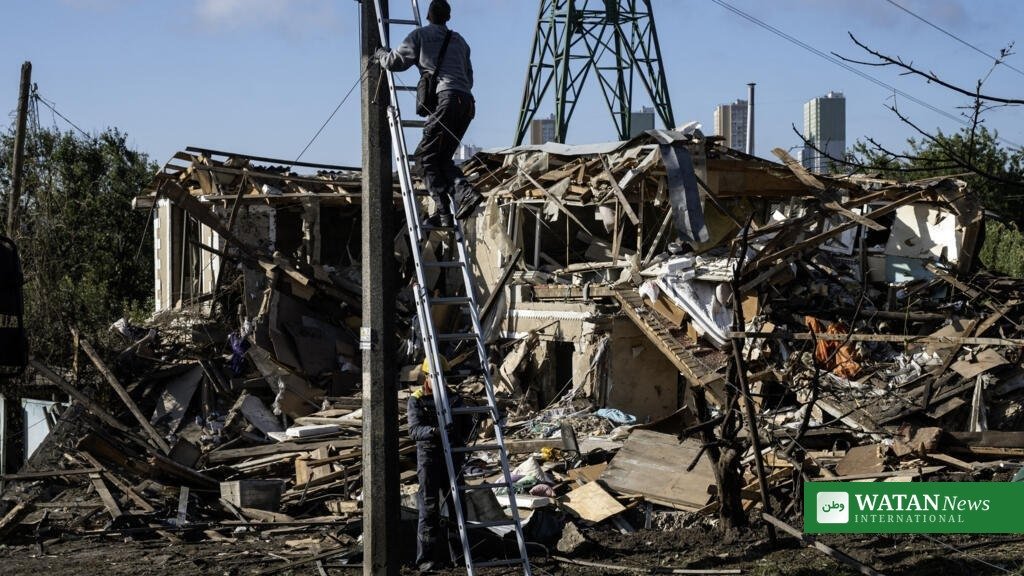
Russia has launched its heaviest combined missile and drone attack on Ukraine’s energy grid in months, killing seven people — including a child — and forcing emergency power cuts in Kyiv and three surrounding regions. The overnight strikes, reported on Wednesday, September 30, 2026, hit a key power plant and other energy facilities around the Ukrainian capital, leaving the city shrouded in thick smoke. President Volodymyr Zelenskyy said the onslaught included nearly 190 drones and ballistic missiles, while Ukraine’s air force reported intercepting five missiles and 155 drones.
Key facts
- What happened: Russia’s heaviest combined attack on Ukraine’s energy infrastructure in months, carried out overnight and reported on Wednesday, September 30, 2026.
- Weapons used: nearly 190 drones and ballistic missiles, according to President Volodymyr Zelenskyy. Air defenses intercepted 5 missiles and 155 drones; a later air-force tally put interceptions at 254 of 285 drones, including 174 faster jet-propelled models that are harder to shoot down.
- Casualties: seven people killed, including a child, and 24 wounded, per Zelenskyy. A boy was killed in a strike on a private home in Vyshhorod, in the Kyiv region, where three other people were rescued from the rubble.
- Power cuts: state grid operator Ukrenergo imposed emergency power cuts in Kyiv and three surrounding regions — the first such cuts in the capital since spring.
- Official voices: Prime Minister Serhii Koretskyi said “Russia has escalated to massive strikes on energy infrastructure”; Foreign Minister Andrii Sybiha described “jet-powered drones during the day, ballistic and cruise missiles at night.”
- Wider context: Ukrainian officials fear the strikes mark the start of Russia’s anticipated winter campaign — an attempt to “weaponize winter” by denying Ukrainians heat, power and running water.
Russia’s attack on Ukraine’s energy grid: the heaviest in months
Russia unleashed a widely anticipated air campaign against Ukraine’s energy grid on Wednesday, hitting power facilities and infrastructure around Kyiv and other regions in what officials described as the heaviest combined attack on energy sites in months, the Associated Press reported. The strikes followed days of intensifying drone barrages on the capital — a prelude, many Ukrainians fear, to a winter of attacks intended to plunge cities into cold and darkness while Ukraine is short of air defenses.
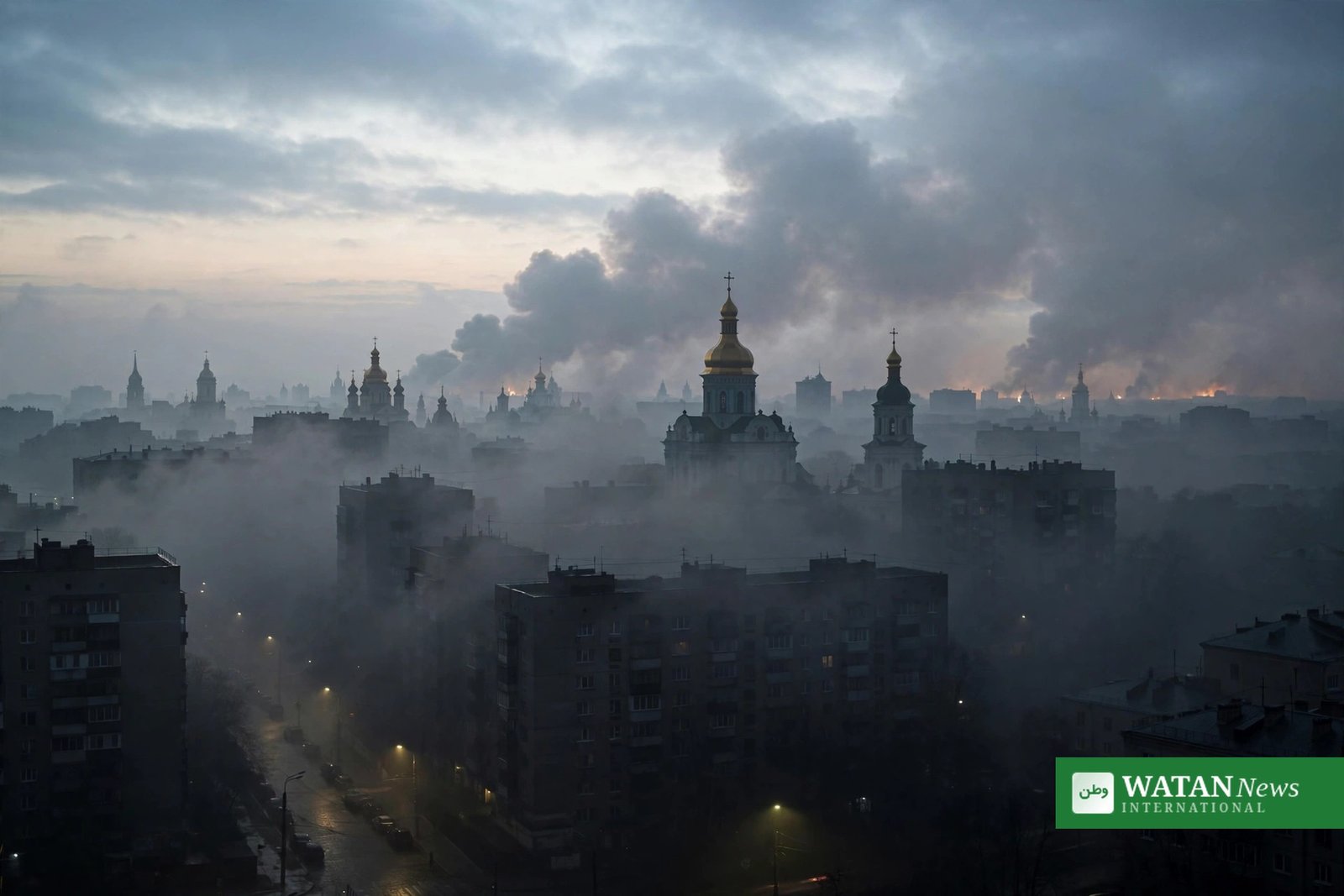
Kyiv residents woke on Wednesday to a city shrouded in thick fog from the smoke of the attacks, which authorities said damaged a key power plant and other energy facilities around the capital. Some of the capital’s tram and trolleybus services ground to a halt due to the outages as people headed home from work, and Kyiv’s water utility said pressure in the water system was reduced.
The attack in numbers
| Metric | Reported figure |
|---|---|
| Russian drones and ballistic missiles launched | Nearly 190 (per Zelenskyy) |
| Missiles intercepted by Ukrainian air defenses | 5 |
| Drones intercepted (early air-force tally) | 155 |
| Drones intercepted (later full-day tally) | 254 of 285, including 174 jet-propelled models |
| People killed | 7, including a child |
| People wounded | 24 |
| Areas under emergency power cuts | Kyiv and three surrounding regions |
Seven killed as strikes hit homes and infrastructure
President Volodymyr Zelenskyy, who was visiting the eastern front on Wednesday, said seven people, including a child, were killed in the attacks, and 24 others were wounded nationwide. A boy was killed in an attack on a private home in Vyshhorod, a city in the wider Kyiv region, where three other people were pulled from the rubble, according to Tymur Tkachenko, head of the regional military administration.
“There has been virtually no day since summer when the enemy did not attack energy infrastructure,” Prime Minister Serhii Koretskyi said. “But such a massive and combined attack happened for the first time since the end of the last heating season.”
Emergency power cuts return to Kyiv
Ukrenergo, Ukraine’s state power grid operator, said it had imposed emergency power cuts as a result of the attack in Kyiv and three surrounding regions — the first time such a measure had been imposed in the capital since spring. Repair crews were dispatched to damaged facilities, and authorities urged residents to conserve electricity and prepare for further outages.
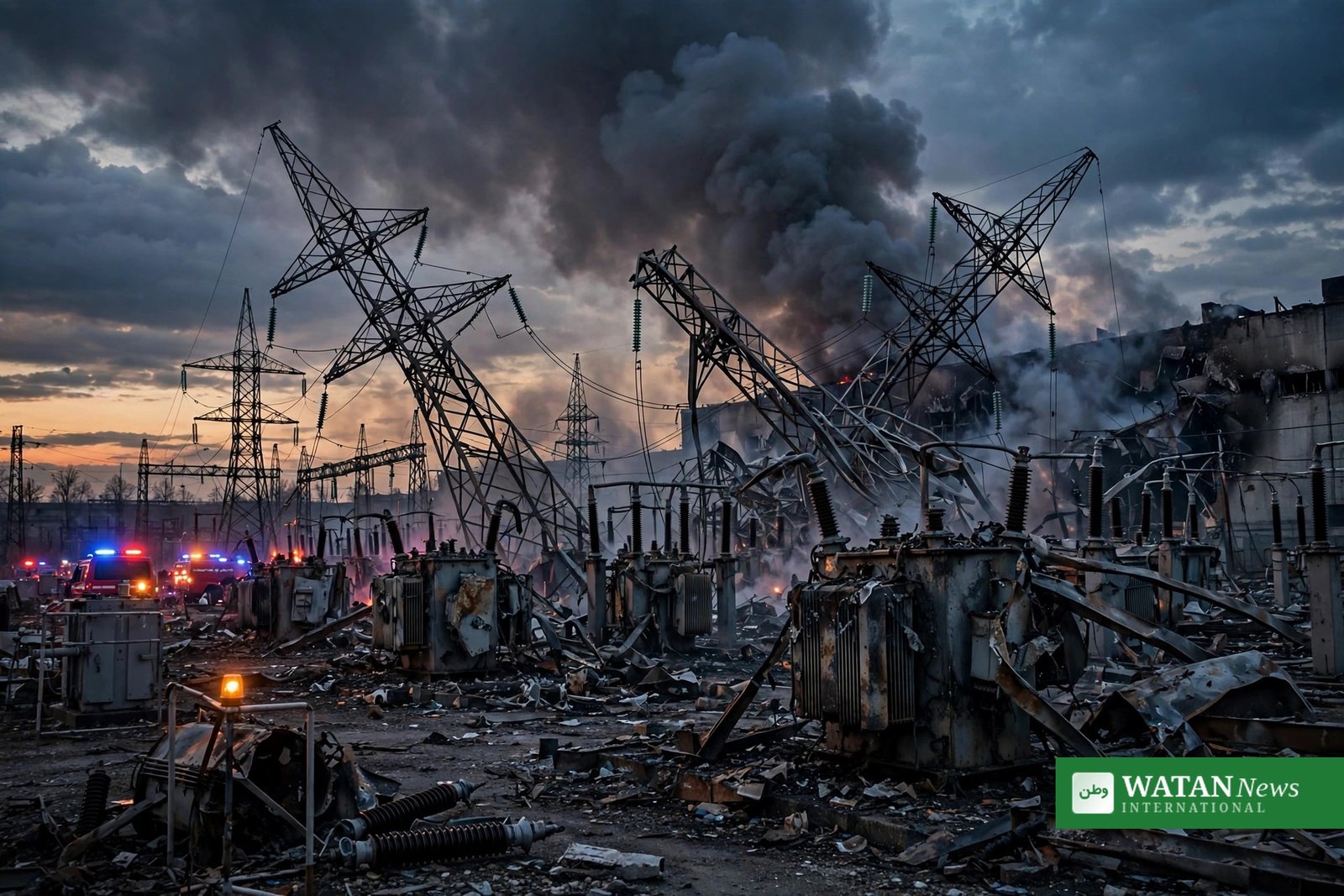
Russian attacks last winter, which brought record-low temperatures, ravaged power and heating systems and forced Ukrainians to adapt to dire circumstances. Officials warn this winter could be worse, with the country’s air defenses stretched thin against an increasing share of fast, jet-powered drones.
‘Weaponizing winter’: the strategy behind the strikes
Ukrainian officials describe the bombardment as a deliberate attempt to “weaponize winter.” Foreign Minister Andrii Sybiha said the increase in Russian strikes has brought “days of almost uninterrupted air raid alerts across Ukraine,” adding: “Russia is intensifying its terror: jet-powered drones during the day, ballistic and cruise missiles at night, constant attacks against our cities and civilian life.”
Moscow has steeply escalated its aerial campaign since the end of August, exploiting gaps in Ukraine’s air defenses. Ukrainian officials say Russia is not engaging with U.S. efforts to halt the fighting, four and a half years after it invaded its neighbor; Moscow says it wants a comprehensive settlement rather than a temporary truce, but its demand that Ukraine surrender land is unacceptable to Kyiv. Follow the latest developments in the wider war in Ukraine.
Conclusion
Russia’s latest assault on Ukraine’s energy grid marks a significant escalation of its cold-season strategy, killing seven people and plunging the capital region into emergency power cuts for the first time since spring. With damage still being assessed and repair crews racing against the clock, Ukraine faces a winter in which Moscow appears determined to deny millions of civilians heat, light and water.
Frequently asked questions
Why is Russia targeting Ukraine’s energy infrastructure?
Ukrainian officials and analysts say Moscow is trying to “weaponize winter” — denying Ukrainians heat, power and running water to weaken civilian resolve and pressure the government, while also degrading the country’s military and logistical capacity.
How many people were killed in the attack?
Seven people, including a child, were killed and 24 wounded, according to President Volodymyr Zelenskyy. A boy died in a strike on a private home in Vyshhorod, in the Kyiv region.
How did Ukraine’s air defenses perform?
The air force said it downed five missiles and 155 drones in the initial attack wave. In a later full-day tally, defenses intercepted 254 of 285 Russian drones, though 174 of them were faster jet-propelled models that are harder to stop.
Is this the start of Russia’s winter campaign?
Ukrainian officials fear it may be. Prime Minister Serhii Koretskyi called it the first massive combined strike on energy infrastructure since the end of the last heating season, after months of near-daily smaller attacks.
Author

usmanjaved13132@gmail.com
Related Posts

Trump Says He Will ‘Blow Up’ Iran or Make a Deal as War Nears Decision Point
- 0
- 961 words
President Donald Trump said Wednesday the U.S. must decide whether to ‘blow up’ Iran or make a deal, warning the seven-month war...
Read out all
Three Oil Tankers Struck by Unknown Projectiles in Strait of Hormuz
- 0
- 908 words
Three Liberian-flagged oil tankers were struck by unknown projectiles while transiting the Strait of Hormuz on Tuesday, shipping intelligence says, in a...
Read out all
Radio Pakistan Multan concludes broadcasting training program
- 0
- 834 words
Radio Pakistan Multan has concluded a two-day broadcasting workshop for young comperes, radio jockeys, newsreaders and interns — part of a nationwide...
Read out all
Brazil AG: Trump funding meddling ‘cannot be tolerated
- 0
- 1,170 word
Brazil’s Attorney General Jorge Messias has condemned alleged Trump administration plans to direct funding toward a campaign against Brazil’s supreme court, declaring...
Read out all
Denmark Opens New Certified-Employer Work Permit Route for Foreign Workers From January 2027
- 0
- 956 words
Denmark's new certified-employer work permit scheme, adopted by Parliament on 3 September 2026, lets SIRI-certified companies hire foreign workers from 16 designated...
Read out all
LVMH Opens 65 Workshops in 11 Countries for Journées Particulières 2026
- 0
- 1,030 word
LVMH opens 65 workshops, cellars and ateliers in 11 countries for the sixth Journées Particulières, 16–18 October 2026. Free tours include Louis...
Read out all