- 0
- 745 words
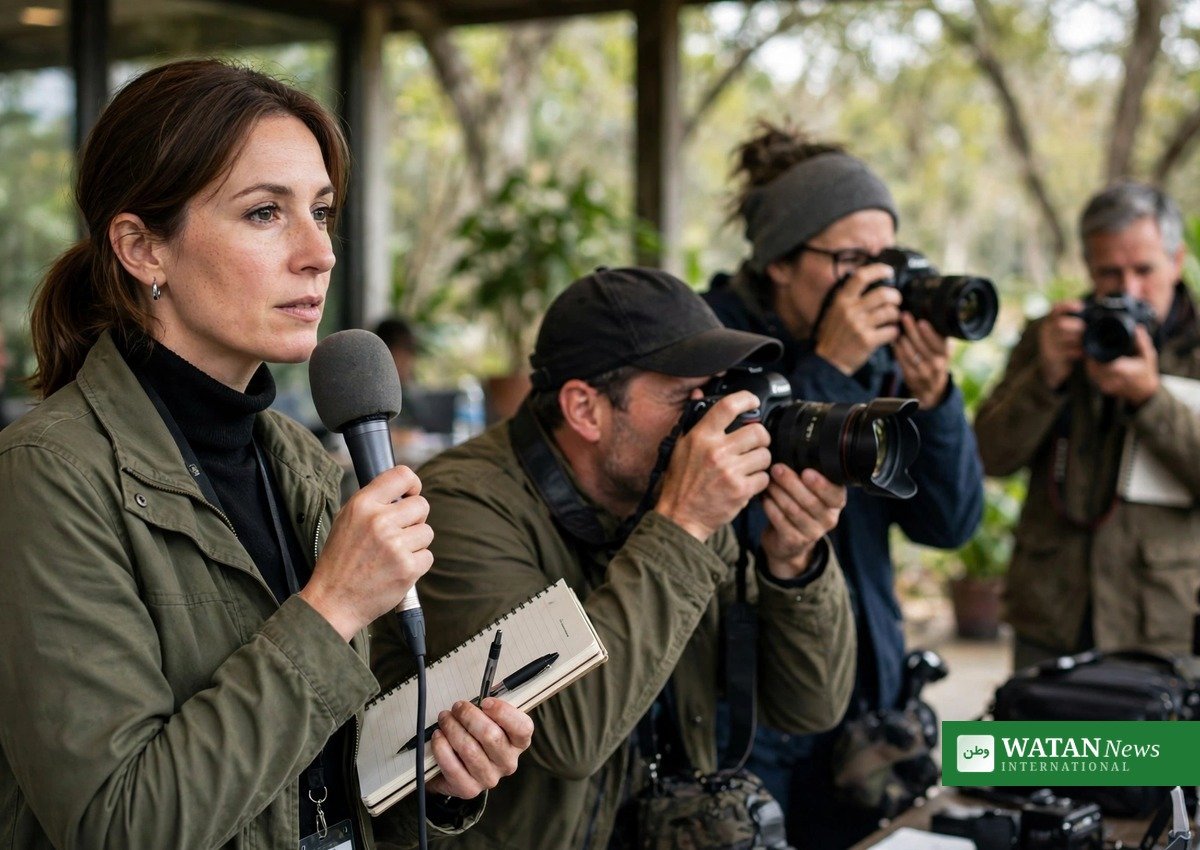
The Society of Environmental Journalists (SEJ) has opened book entries for its 25th annual SEJ Awards for Reporting on the Environment, starting a new season of recognition for the journalists who explain the climate and environmental crisis to the public.
Book entries open today
The Society of Environmental Journalists (SEJ) has opened book entries for its 25th annual SEJ Awards for Reporting on the Environment. Book submissions opened on Tuesday, 27 October 2026, while entries in all other categories open on Monday, 4 January 2027.
Book entries open first, according to SEJ, to give judges the additional time that book entries require. The awards honour exceptional journalism on environmental topics, and this year they cover 11 categories, including a new category: the Jim Bruggers Award for Regional Reporting Collaboration.
Key facts
- Book entries open: Tuesday, 27 October 2026
- Book standard deadline: Monday, 21 December 2026, at 11:59 p.m. Pacific Time
- Book late deadline: Monday, 4 January 2027, at 11:59 p.m. Pacific Time
- Book eligibility: books published in 2025 or 2026
- Other categories open: Monday, 4 January 2027
- Other categories standard deadline: Friday, 5 February 2027, at 11:59 p.m. Pacific Time
- Other categories late deadline: Friday, 19 February 2027, at 11:59 p.m. Pacific Time, with late fees
- Other categories eligibility: work published between 1 August 2025 and 31 December 2026
What the SEJ Awards honour
The SEJ Awards for Reporting on the Environment recognise reporting that helps the public understand environmental change, its causes and its consequences. The Rachel Carson Environment Book Award is the book category, named for the author whose work shaped modern environmental writing.
First-place winners receive 500 dollars, a plaque, a digital winner’s banner and online recognition. Second-place winners receive 250 dollars, a digital winner’s banner and online recognition. Third-place winners and honourable mentions receive a digital winner’s banner and online recognition.
The Pulliam Award
All first-place winners are automatically considered for SEJ’s highest honour, the Nina Mason Pulliam Award for Outstanding Environmental Reporting. The award honours the single most distinguished piece of environmental journalism among the SEJ Award winners.
The Pulliam Award winner receives a 10,000-dollar monetary prize, a commemorative trophy and up to 2,500 dollars toward travel, lodging and registration support to attend SEJ’s annual conference. The award is made possible by the Nina Mason Pulliam Charitable Trust.
Why this matters now
The awards open as the world’s attention turns to the next global climate summit. COP31 takes place in Antalya, Türkiye, from 9 to 20 November 2026, and Türkiye’s environment minister and COP31 president-designate, Murat Kurum, said during a venue inspection that a media centre for 4,000 national and international media members has been prepared, with 3,000 media representatives already accredited and more than 300 press conferences planned.
That scale shows why environmental journalism matters: negotiations are followed, explained and questioned in public by reporters working under deadline pressure, often far from home. Awards that recognise careful, evidence-based reporting help newsrooms keep investing in that work.
The same point was underlined in a recent call for stronger protection for Africa’s climate reporters. The International Press Institute has demanded stronger protection for Africa’s climate reporters and guaranteed access to climate and environmental information, after documenting journalists detained, threatened and blocked from official information.
Conclusion
For authors of environmental books published in 2025 or 2026, the window is now open, with the standard deadline on 21 December 2026. For reporters, editors and producers in every other category, the entry window opens on 4 January 2027. In both cases, the work being honoured is the same: reporting that makes a complex, fast-moving environmental story clear, accurate and human.
Frequently asked questions
When do book entries for the SEJ Awards open?
Book entries for the 25th annual SEJ Awards opened on Tuesday, 27 October 2026. The standard deadline is Monday, 21 December 2026, at 11:59 p.m. Pacific Time, and the late deadline is Monday, 4 January 2027, at 11:59 p.m. Pacific Time.
Which books are eligible?
Books published in 2025 or 2026 are eligible for the Rachel Carson Environment Book Award category.
When do entries in the other categories open?
Entries in all other categories open on Monday, 4 January 2027. The standard deadline is Friday, 5 February 2027, and the late deadline is Friday, 19 February 2027, with late fees.
What work is eligible in the other categories?
Work published between 1 August 2025 and 31 December 2026 is eligible in the other categories.
What is the Nina Mason Pulliam Award?
It is SEJ’s highest honour, given to the single most distinguished piece of environmental journalism among the first-place SEJ Award winners. The winner receives a 10,000-dollar prize, a trophy and up to 2,500 dollars toward travel, lodging and registration support to attend SEJ’s annual conference.
Author

usmanch0013@gmail.com
Related Posts
SEJ åbner for bogindsendelser til 25. årlige priser for miljøjournalistik
- 0
- 680 words
Society of Environmental Journalists har åbnet for bogindsendelser til sine 25. årlige priser for rapportering om miljøet. Bøger udgivet i 2025 eller...
Read out all
ماحولیاتی صحافت کے 25 ویں سالانہ ایوارڈز کے لیے کتابوں کی انٹریاں شروع
سوسائٹی آف انوائرمینٹل جرنلسٹس نے ماحول پر رپورٹنگ کے 25 ویں سالانہ ایوارڈز کے لیے کتابوں کی انٹریاں کھول دی ہیں۔ 2025...
Read out all
Harry Kane Wins 2026 Ballon d’Or, First English Winner in 25 Years
- 0
- 776 words
Harry Kane has won the 2026 Ballon d'Or at the London Palladium, becoming the first English winner since Michael Owen in 2001...
Read out all
Seattle Backs Repair and Reuse With 2026 ReThink Waste Grants to Five Community Projects
- 0
- 720 words
Seattle Public Utilities and WM awarded 2026 ReThink Waste Grants totalling $10,000 to five local repair and reuse projects, from community closets...
Read out all
Seattle støtter reparation og genbrug med 2026 ReThink Waste-tilskud til fem lokale projekter
- 0
- 776 words
Seattle Public Utilities og WM har uddelt 2026 ReThink Waste-tilskud på i alt 10.000 dollar til fem lokale reparations- og genbrugsprojekter, fra...
Read out all
سیاٹل نے مرمت اور دوبارہ استعمال کے پانچ کمیونٹی منصوبوں کے لیے 2026 گرانٹس کا اعلان کر دیا
سیاٹل پبلک یوٹیلیٹیز اور ڈبلیو ایم نے 2026 ری تھنک ویسٹ گرانٹس کے تحت پانچ مقامی مرمت و دوبارہ استعمال منصوبوں کو...
Read out all