- 0
- 655 words
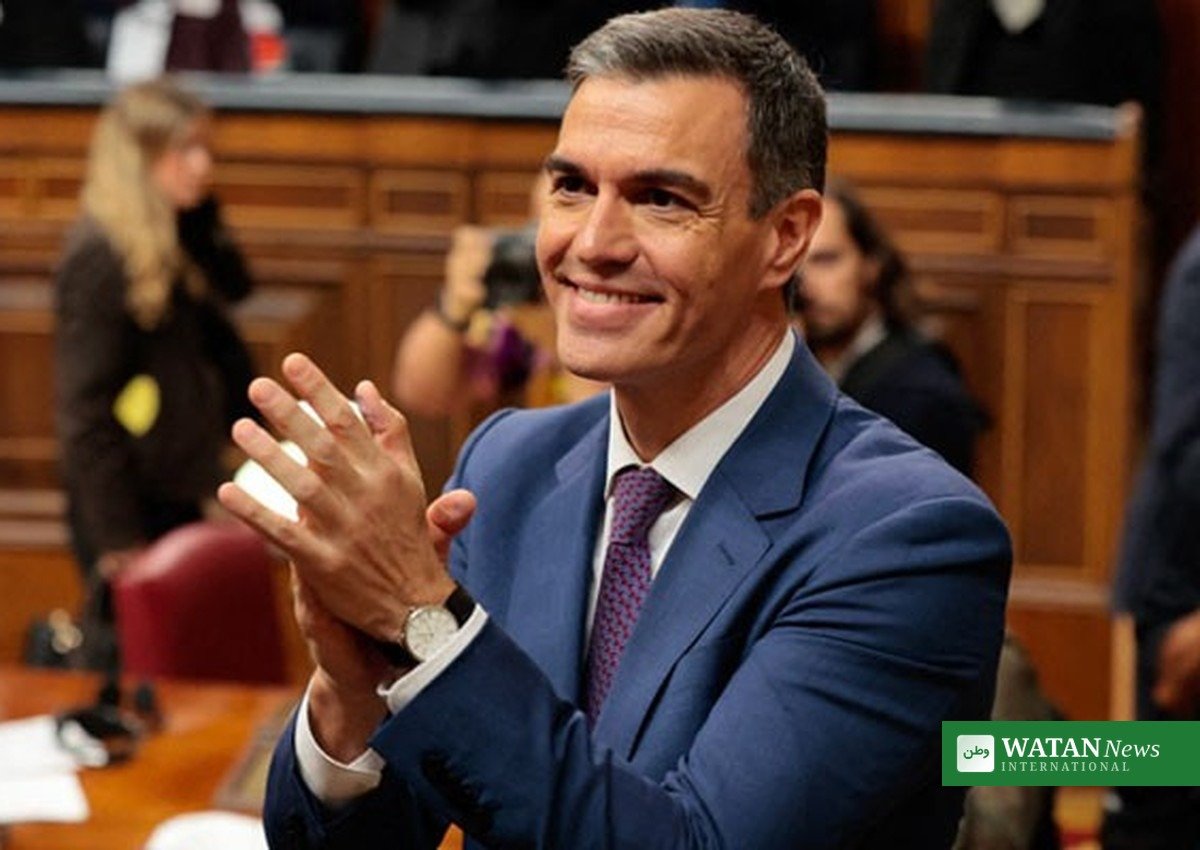
Spain will hold a snap election on November 29 after Prime Minister Pedro Sánchez called an early vote on Monday, betting that a fresh mandate can break the political deadlock that sank his government’s emergency housing measures and ignited mass protests across the country.
Sánchez made the announcement in a televised address after his minority government suffered a bruising defeat in parliament on Friday, when right-wing opposition parties joined forces to scuttle two emergency decrees aimed at tackling the country’s housing crisis. Tens of thousands of people had marched in Madrid and other Spanish cities on Saturday demanding action on housing, in demonstrations that authorities said drew 70,000 people in the capital alone.
FAKTA
- Election date: Snap general election set for 29 November 2026, announced by Pedro Sánchez in a televised address on Monday, 5 October 2026.
- Trigger: Parliament rejected two emergency housing decrees on Friday after right-wing opposition parties blocked them.
- Protests: Tens of thousands marched across Spain on Saturday; police put the Madrid turnout at 70,000, while organisers claimed 500,000.
- The spark: Weeks of anger over housing affordability, inflamed by the televised eviction of an 87-year-old woman from her Madrid flat.
- The gamble: Sánchez seeks a broader progressive majority; polls currently put the conservative People’s Party ahead.
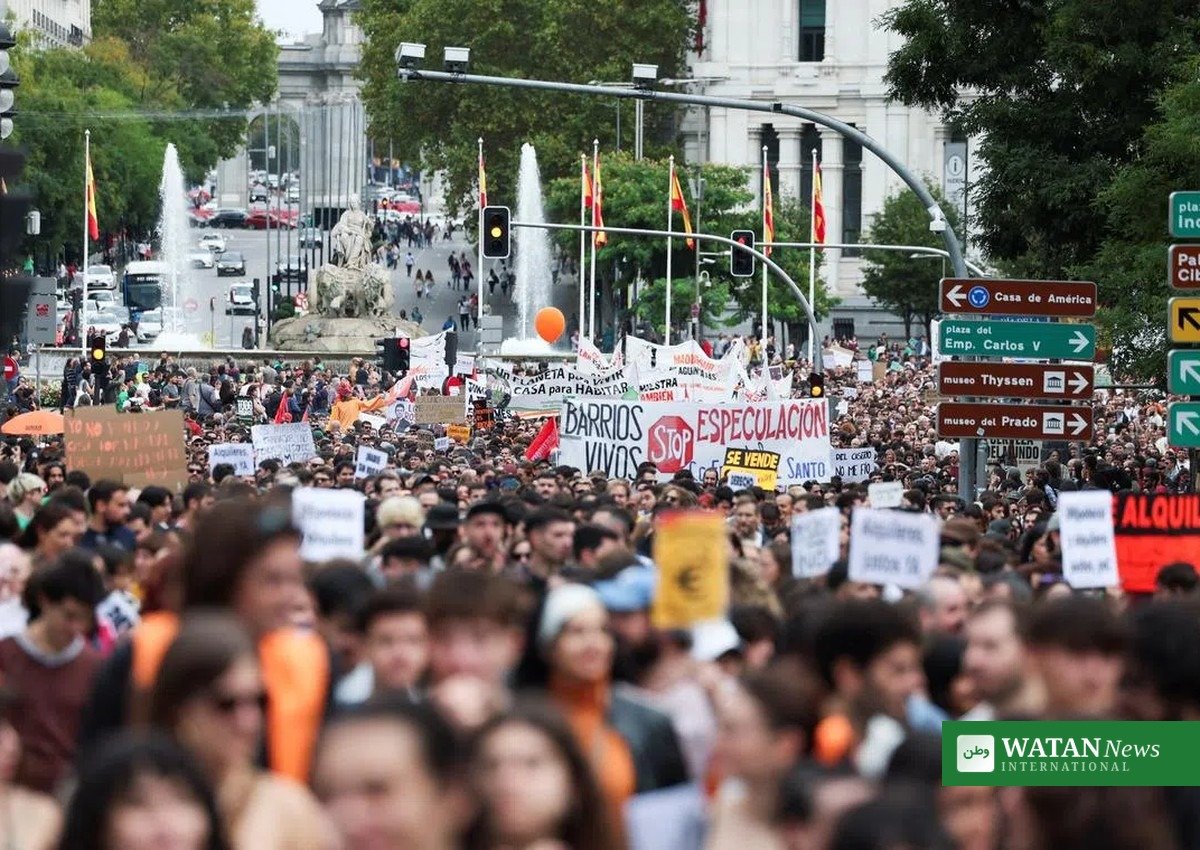
Protesters march through Madrid on October 3 demanding affordable housing, days before Sánchez called the snap election. (Photo: Watan News)
Why Sánchez Is Gambling on a Spain Snap Election
“We need to renew people’s support,” Sánchez said in his address, arguing that Spain needed “a much larger progressive majority in parliament, one that will allow us to overcome vested interests, deliver new social advances and continue transforming Spain.” He also acknowledged his government’s shortcomings, telling viewers: “I also know part of that social majority is dissatisfied today.”
Sánchez, 54, has been prime minister since 2018, making him one of Europe’s longest-serving leaders. He would otherwise not have faced voters until next year, but the parliamentary arithmetic has made governing increasingly difficult for his minority coalition.
“The time has come, therefore, for the Spanish people to decide what future you want for yourselves and for your country,” he said, framing the election as a choice between continued progressive reform and a right-wing reversal.
The Housing Crisis Behind the Crisis
The immediate trigger for the election call was Friday’s parliamentary defeat of two government decrees that included automatic renewal of tenancy contracts and restrictions on evicting vulnerable tenants. Opposition parties voted them down, infuriating housing campaigners and underscoring how little room the minority government has left to legislate. Spain has been operating under its 2023 budget for several years, the last spending plan the Sánchez government managed to pass.
Public anger has been building for weeks. The televised eviction last month of 87-year-old Maricarmen Abascal from the Madrid flat where she had lived for decades became a focal point for the protests, and hundreds of demonstrators have been occupying a tent city in the heart of the capital for more than a week to press for reforms.
Polls Point to a Right-Wing Surge
Facing the electorate now is a risky move: opinion polls have generally placed the main opposition conservative People’s Party ahead of Sánchez’s Socialists, and analysts see a PP-led coalition backed by the far-right Vox as the most likely outcome. That would bring a far-right party into Spain’s central government for the first time since the return of democracy after the death of dictator Francisco Franco.
An election defeat would also spell the end of one of Europe’s last few left-leaning governments, at a time when the far right is making gains across the continent. But Sánchez has a record of political comebacks, having repeatedly surprised those who had written him off, and his housing proposals — though struck down in parliament — were broadly popular with the public.
More European politics is covered on Watan News Europe.
Author

usman2344913@gmail.com
Related Posts
Former Prince Andrew Files High Court Challenge Over Epstein-Linked Search Warrants
- 0
- 636 words
Andrew Mountbatten-Windsor has filed a High Court claim challenging the search warrants used in his February arrest, with a private hearing set...
Read out allCommissioner Inspects Progress on One Unit Staff Colony Sewerage Project
- 0
- 629 words
Bahawalpur Division Commissioner Irfan Ali Kathia conducted an inspection of the newly initiated sewerage project at One Unit Staff Colony. He reviewed...
Read out allDennis Hastert, longtime Republican House speaker who went to prison, dies at age 84
- 0
- 752 words
Dennis Hastert, the longest-serving Republican Speaker of the House, has died at the age of 84. His political career, once marked by...
Read out allFrench School Protests: 15-Year-Old Loses Hand After Picking Up Stun Grenade
- 0
- 820 words
Hundreds of schools across France faced partial or full closures on Monday as a significant youth protest movement continued, escalating concerns over...
Read out all
Trio Wins 2026 Nobel Prize in Medicine for Optogenetics Discovery
- 0
- 612 words
Karl Deisseroth, Peter Hegemann and Georg Nagel have won the 2026 Nobel Prize in Physiology or Medicine for their discoveries concerning light-gated...
Read out all
Housing Minister Unveils National Housing Policy 2025 on World Habitat Day
- 0
- 905 words
Pakistan formally launched the National Housing Policy 2025 on World Habitat Day, 5 October 2026 — the country's first update to its...
Read out all