- 0
- 583 words
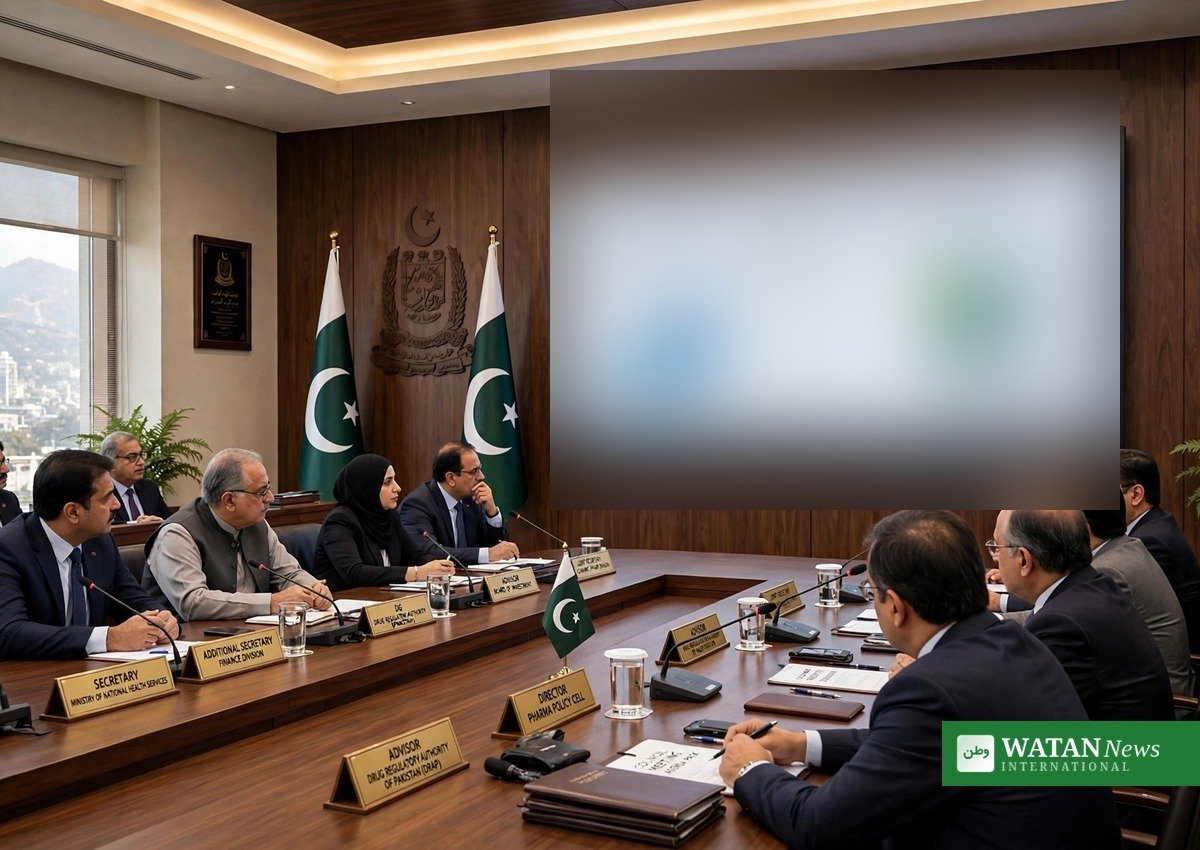
The Special Investment Facilitation Council (SIFC) has convened a detailed meeting to review progress on key reforms in Pakistan’s health and pharmaceutical sectors. The session reviewed strategic reforms, investment facilitation measures and development initiatives aimed at strengthening healthcare infrastructure, boosting local pharmaceutical manufacturing and attracting domestic and foreign investment.
According to the review, the SIFC health and pharmaceutical reforms focus on regulatory streamlining, research and development, the availability of affordable medicines and positioning Pakistan as a regional hub for pharmaceutical production.
FAKTA
- The meeting: the SIFC reviewed progress on health and pharmaceutical sector reforms and key development initiatives.
- Health focus: healthcare infrastructure, service delivery, primary care and preventive medicine.
- Pharma focus: local manufacturing capacity, research and development, and affordable, quality medicines.
- Investment goal: streamlined regulation, fiscal incentives and foreign direct investment in both sectors.
Strategic reforms in the health sector
The meeting reviewed strategic reforms across Pakistan’s health sector aimed at strengthening healthcare infrastructure, improving service delivery and widening access for citizens, with particular emphasis on primary healthcare and preventive medicine.
Priorities include reducing the burden of communicable and non-communicable diseases, expanding telemedicine and digital health adoption, and extending equitable care to remote and underserved regions.
Pharmaceutical industry development
Significant attention was given to developing the pharmaceutical industry — boosting local manufacturing capacity, enhancing research and development, and ensuring the availability of affordable, high-quality medicines. The council aims to position Pakistan as a regional hub for pharmaceutical production.
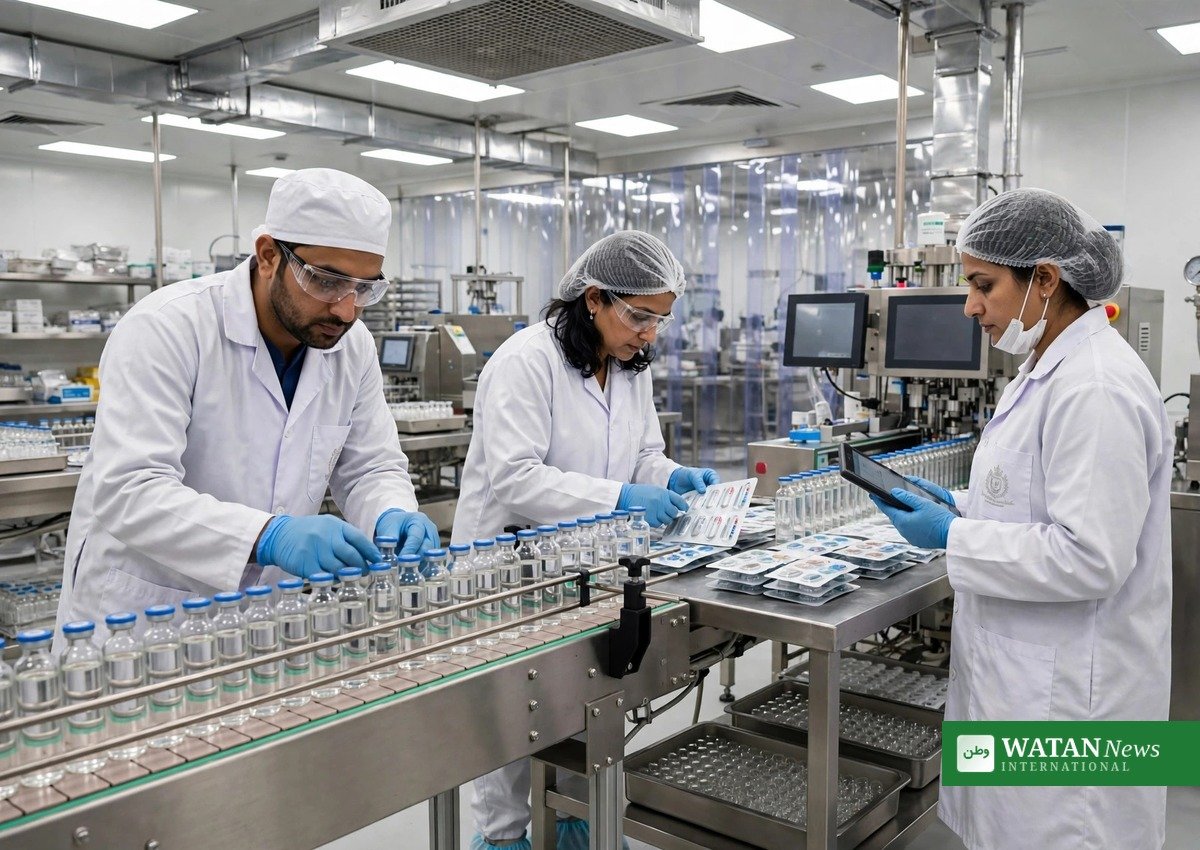
The SIFC has been engaging industry stakeholders, including the Pakistan Pharmaceutical Manufacturers Association (PPMA), on regulatory reforms. The News reported that industry leaders credited drug deregulation with improving medicine availability and lifting pharmaceutical exports, while urging the council to safeguard the reform policy.
Investment facilitation measures
As a facilitator for investment, the council discussed measures to streamline regulatory processes, offer incentives and create a conducive environment for domestic and foreign investors in the health and pharmaceutical sectors.
Strategies for attracting foreign direct investment include promoting Pakistan’s market potential and skilled workforce, facilitating joint ventures and technology-transfer agreements. More coverage: Pakistan news on Watan News.
Challenges and outlook
The meeting also acknowledged persistent challenges: supply-chain vulnerabilities in medicine distribution, the need for a stronger pipeline of skilled health professionals, equitable access across diverse regions and keeping pace with evolving global health standards and technology.
The council committed to addressing these hurdles through targeted interventions and policy adjustments.
Conclusion
The SIFC session signals a determined push to revitalise Pakistan’s health and pharmaceutical sectors. If the reform and investment agenda translates into delivery, the payoff would be a stronger healthcare system and a more competitive domestic pharmaceutical industry.
Frequently Asked Questions
What is the Special Investment Facilitation Council (SIFC)?
The SIFC is a high-level Pakistani body that facilitates and accelerates investment in priority sectors of the economy.
Which sectors did the meeting cover?
The meeting focused on reforms and development initiatives in Pakistan’s health and pharmaceutical sectors.
What are the main goals of the reforms?
Better healthcare services, stronger local pharmaceutical manufacturing, affordable medicines and greater domestic and foreign investment.
How does the SIFC plan to attract investment?
Through streamlined regulations, fiscal incentives, joint ventures and promotion of Pakistan’s market potential to foreign investors.
What challenges were noted?
Supply-chain gaps in medicine distribution, workforce development, equitable access in remote areas and adapting to global health standards.
Author

usmanjaved13132@gmail.com
Related Posts

Netflix Releases ‘Schumacher ’94 — The Birth of a Legend’ With Rare Corinna Schumacher Interview
- 0
- 803 words
Netflix releases 'Schumacher '94 — The Birth of a Legend' on October 2, 2026 — a 105-minute documentary on Michael Schumacher's dramatic...
Read out all
Global Air Passenger Demand Slips 0.8% in August as Middle East Downturn Bites: IATA
- 0
- 840 words
IATA reports global air passenger demand fell 0.8% in August 2026 as Middle East carriers' demand dropped 14.6%; excluding the region, demand...
Read out all
NCDs Now Cause Three-Quarters of Global Deaths as Life Expectancy Nears Pre-Pandemic Level, WHO Says
- 0
- 995 words
WHO's Global Health Estimates show life expectancy at 73.3 years in 2023 while noncommunicable diseases now account for 74 per cent of...
Read out all
Gender Equality 171 Years Away as Institutions Are Stripped of Power, UN Warns
- 0
- 1,013 word
UN Women's Gender Snapshot 2026 finds gender equality is 171 years away at current rates, with one in three equality institutions stripped...
Read out all
Gold, debuts and a possible farewell: Paris Fashion Week’s Spring-Summer 2027 highlights
- 0
- 930 words
Paris Fashion Week's Spring-Summer 2027 edition is in full swing: Jonathan Anderson's walnut-themed Dior show at the Tuileries, a gilded Saint Laurent...
Read out all
Saturday Evening Post to end print after 205 years as magazine industry reshapes
- 0
- 747 words
The Saturday Evening Post will publish its final print issue in January 2027 after 205 years, going digital-only amid rising costs and...
Read out all