- 0
- 1,195 word
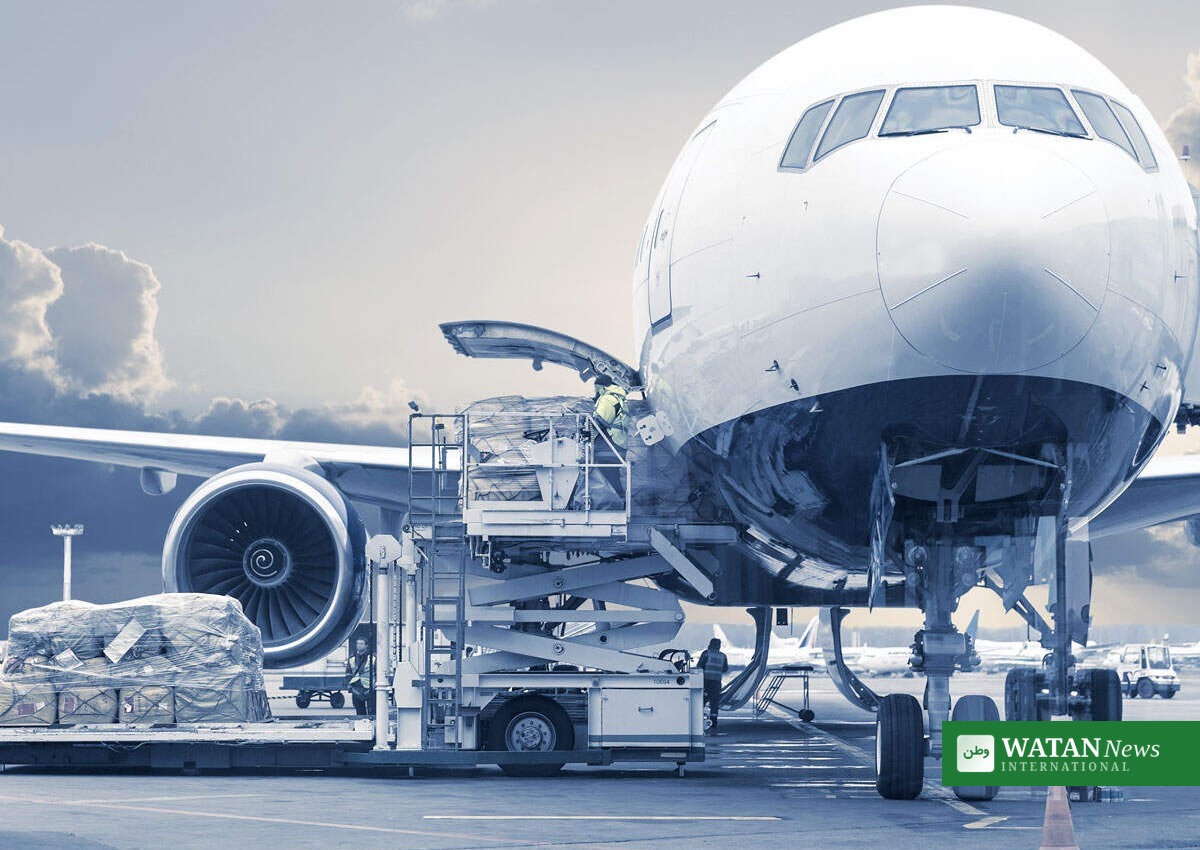
Two agreements announced on 24 November 2026 show the aviation industry trying to turn green flying from a promise into fuel in the tank: a pact between Envision Energy and the International Air Transport Association (IATA) to scale synthetic sustainable aviation fuel, and a three-year deal between logistics group DSV and Cathay Cargo for Asian-made sustainable aviation fuel.
A pact to scale synthetic fuel
Envision Energy and IATA signed a memorandum of understanding at the IATA Aviation Energy Forum in Guangzhou, China, which took place from 10 to 12 November 2026. The partnership will tackle three barriers to scaling up synthetic sustainable aviation fuel, known as eSAF: production efficiency, cost and inconsistent carbon accounting.
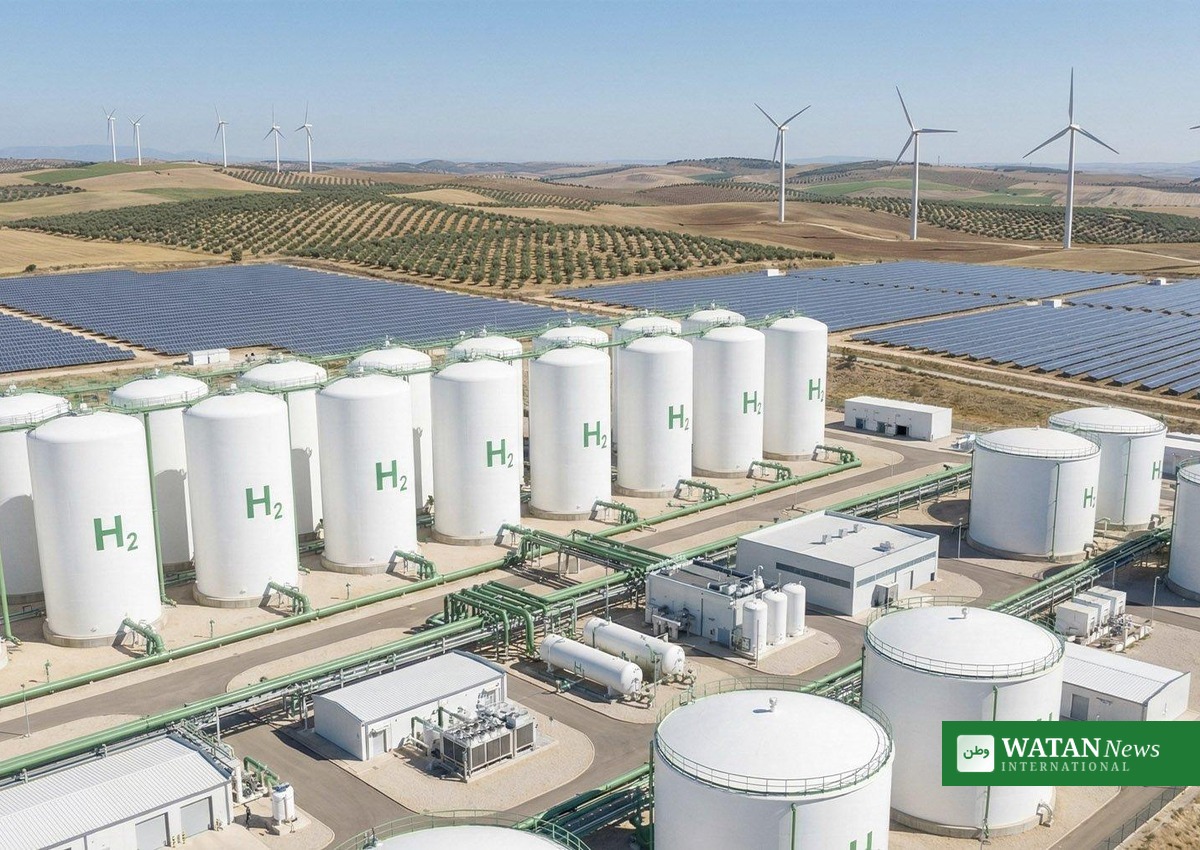
eSAF is made through power-to-liquid technology, which uses renewable electricity to produce green hydrogen through electrolysis. The hydrogen is then combined with carbon dioxide and processed into liquid fuel. The partners will examine how renewable power and green hydrogen production can be integrated with fuel synthesis to improve efficiency, explore ways to cut costs, assess policies that could make projects commercially viable, and study more consistent carbon accounting and market mechanisms. They also plan to publish a joint research report on eFuels and eSAF.
Most sustainable aviation fuel today is made from oils and fats through the HEFA process. As IATA’s Global Feedstock Assessment highlights, the limited supply of those feedstocks constrains long-term growth. Power-to-liquid offers a route to expand supply without relying on biomass, although its viability depends heavily on the cost of renewable power and how efficiently producers use it.
Envision brings practical experience from its Chifeng Net-Zero Park in Inner Mongolia, where renewable power produces green hydrogen for ammonia synthesis. Green ammonia from the park has already been supplied as marine fuel.
“Aviation’s transition will require a portfolio of solutions and eSAF has an important role to play alongside other sustainable fuels. By connecting abundant renewable energy with aviation’s need for low-carbon liquid fuels, eSAF can open new pathways for the industry,” said Denis Zaica, SAF Global Head of Commercial at Envision Energy.
“eSAF has the potential to become an important part of air transport’s decarbonization. But scaling new technologies takes more than ambition. It requires the aviation ecosystem, including energy companies, to work together, share expertise and learn from each other,” said Marie Owens Thomsen, Senior Vice President, Sustainability and Chief Economist at IATA.
A three-year commitment in Asia
On the same day, DSV and Cathay Cargo announced a three-year partnership covering 4.5 million US gallons — 13,155 tonnes — of sustainable aviation fuel produced entirely in Asia. The partners expect it to support emissions reductions of at least 45,000 tonnes of carbon dioxide equivalent associated with air freight shipments. A signing ceremony pictured in the announcement was dated 20 November.
The deal is the first long-term sustainable aviation fuel partnership between the two companies, and Cathay Cargo becomes DSV’s first Asian airline partner for expanding use of the fuel across its regional network. Under Cathay’s Corporate SAF Programme, DSV will receive verified emissions reductions regardless of where the fuel is physically used, with documentation tracing the process from procurement to aircraft uplift.
DSV already participates as a Diamond member of Cathay’s corporate programme. In a February 2026 update, Cathay reported that its 17 corporate partners had committed to about 17,400 tonnes of sustainable aviation fuel in 2025, up nearly 180 percent from 2024, associated with an estimated lifecycle emissions reduction of about 54,600 tonnes of carbon dioxide equivalent.
Stefan Krikken, DSV’s Senior Vice President for Global Air Product, highlighted the importance of a sustained demand signal for regional fuel producers. Dominic Perret, Director Cargo at Cathay, emphasised cooperation between logistics and aviation companies to help expand the regional market for the fuel.
Key facts
- Sustainable aviation fuel made up only 2.4 million tonnes in 2026 — 0.8 percent of all jet fuel — at an extra cost of $4.3 billion, according to IATA figures from June 2026.
- IATA’s net-zero plan assigns 65 percent of the emissions cuts needed by 2050 to sustainable aviation fuel and 13 percent to new technologies such as electric and hydrogen aircraft.
- Certified sustainable aviation fuel volumes more than doubled in 2025, cutting about 1.1 million tonnes of carbon dioxide, according to ICAO.
- Under the EU’s ReFuelEU Aviation rules, suppliers must provide at least 2 percent sustainable aviation fuel from 2025 and at least 6 percent from 2030.
- India has drafted a national sustainable aviation fuel policy proposing 1 percent blending for international flights in 2027, rising to 5 percent by 2030.
Why this matters
The two announcements came two days after COP31 closed in Antalya on 22 November without a deal, with countries unable to agree on a final text. With negotiations stalled, industry agreements are now carrying much of the momentum on aviation decarbonisation — but they are not a substitute for policy. Sustainable aviation fuel lowers lifecycle emissions compared with fossil jet fuel, yet it does not eliminate all emissions from flying, and supply remains small and expensive.
A day earlier, Spanish media reported that airline World2Fly and energy company Moeve tested a blend of sustainable aviation fuels on a flight between Madrid and Lisbon, with 1.2 percent synthetic e-SAF and 4.8 percent bio-based SAF alongside conventional kerosene.
Related reading on Watan News: COP31: The Race to Make Green Fuel for Flying and China’s First Crewed Electric Airliner Takes Off.
What happens next
Envision and IATA will now work on their joint research report and assess next-generation production technologies. DSV and Cathay Cargo’s three-year agreement runs through the regional supply chain, and the companies say the multi-year commitment should give suppliers greater confidence in future demand. The test for both deals is the same: whether they turn into real fuel volumes at prices airlines can afford.
For travellers, the change will be gradual. The fuel will first reach freight and corporate travel programmes, and only later — if production scales and costs fall — the wider flying public.
Frequently asked questions
What is sustainable aviation fuel?
It is jet fuel made from renewable or waste-derived feedstocks that meet recognised sustainability criteria, instead of fossil crude oil. It works in existing aircraft and engines and can cut lifecycle greenhouse gas emissions compared with conventional jet fuel.
What is eSAF and how is it different from other SAF?
eSAF is synthetic sustainable aviation fuel made through power-to-liquid technology: renewable electricity produces green hydrogen, which is combined with carbon dioxide and processed into liquid fuel. Unlike the common HEFA route, it does not depend on oils, fats or other biomass feedstocks.
How much sustainable aviation fuel do airlines use today?
Very little. IATA reported 2.4 million tonnes in 2026, equal to 0.8 percent of all jet fuel, at an extra cost of $4.3 billion compared with conventional fuel.
Will these deals make flying greener for passengers?
Gradually. They expand supply and give producers a demand signal, but sustainable aviation fuel does not eliminate all emissions from a flight, and volumes remain small. The effect on ordinary travellers will build over years, not weeks.
What did DSV and Cathay Cargo actually agree?
A three-year partnership covering 4.5 million US gallons (13,155 tonnes) of sustainable aviation fuel produced in Asia, expected to support at least 45,000 tonnes of carbon dioxide equivalent emissions reductions. DSV receives the verified reductions under Cathay’s Corporate SAF Programme, regardless of where the fuel is physically used.
Author

usmanch0013@gmail.com
Related Posts

WhatsApp Tests Sound Stickers That Play Voice Messages
- 0
- 467 words
WhatsApp is testing sound stickers in its Android beta, letting users attach voice messages or audio clips of up to 10 seconds...
Read out all
UNESCO støtter fem græsrodsprojekter for at forsvare troværdige klimaoplysninger
- 0
- 1,129 word
UNESCO har udpeget fem græsrodsprojekter i Bangladesh, Bolivia, Pakistan, Tunesien og Uganda som de nyeste modtagere af fonden for klimaoplysningers integritet, offentliggjort...
Read out all
یونیسکو نے موسمیاتی معلومات کی سچائی کے تحفظ کے لیے پانچ منصوبوں کی حمایت کا اعلان کر دیا
یونیسکو نے 24 نومبر 2026 کو انطالیہ میں کاپ31 کے صدارتی پروگرام میں موسمیاتی معلومات کی سالمیت کے عالمی فنڈ کے پانچ...
Read out all
UNESCO Backs Five Grassroots Projects to Defend Truthful Climate Information
- 0
- 1,092 word
UNESCO has named five grassroots projects in Bangladesh, Bolivia, Pakistan, Tunisia and Uganda as the newest grantees of its fund for climate...
Read out all
Indiens GREEN Olympiad vinder MBRKA 2026 for miljøundervisning
- 0
- 1,021 word
Indiens GREEN Olympiad har vundet organisationskategorien ved den niende Mohammed bin Rashid Al Maktoum Knowledge Award (MBRKA), offentliggjort den 25. november 2026...
Read out all
بھارت کے گرین اولمپیاڈ نے ماحولیاتی تعلیم کے فروغ پر ایم بی آر کے اے 2026 جیت لیا
بھارت کے گرین اولمپیاڈ نے محمد بن راشد المکتوم نالج ایوارڈ (ایم بی آر کے اے) کے نویں ایڈیشن میں تنظیموں کے...
Read out all