- 0
- 462 words
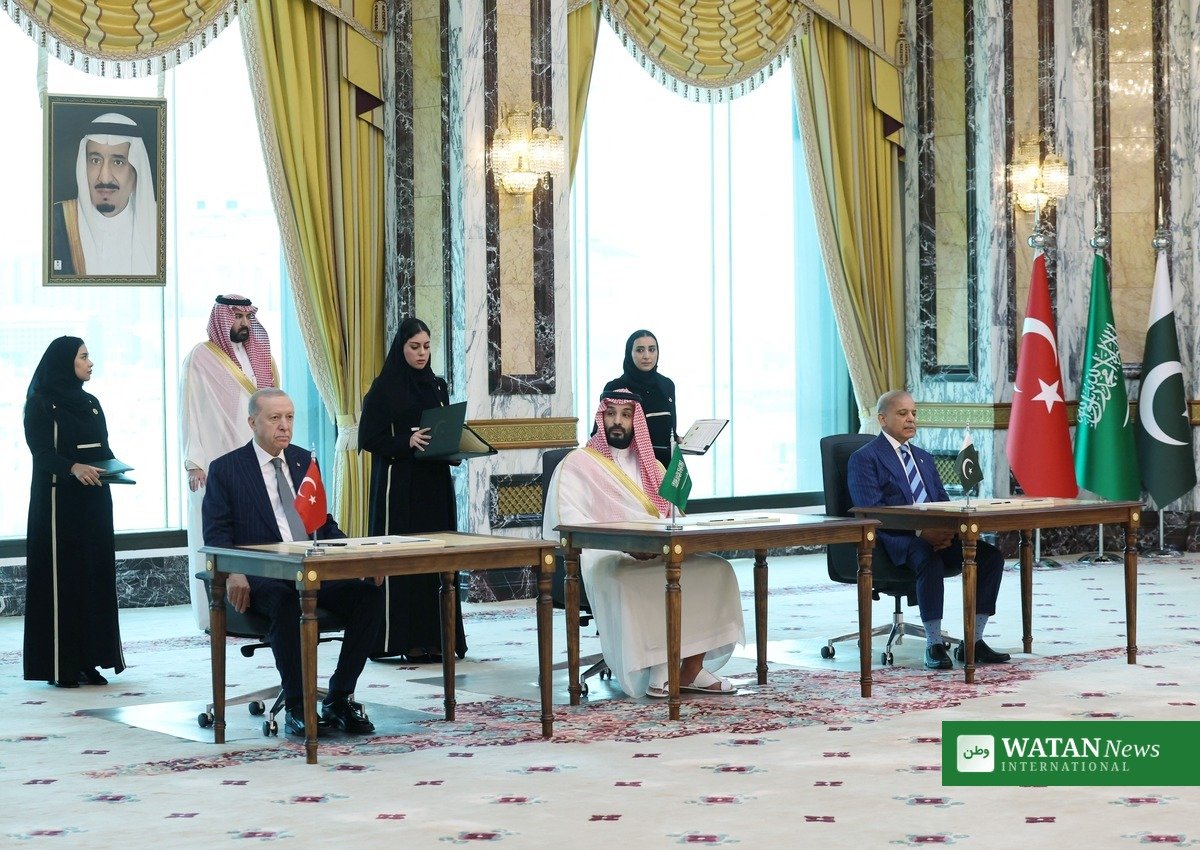
Turkey’s parliament has ratified a landmark defence agreement with Pakistan and Saudi Arabia, formally binding the three countries to treat an attack on any one of them as an attack on all three. The Grand National Assembly approved the Makkah Joint Defence Agreement on Thursday by 279 votes to 119, completing the parliamentary process for a pact first signed in the Saudi holy city in August.
FAKTA
- The pact: the Makkah Joint Defence Agreement, signed on 7 August 2026 in Makkah by the leaders of Turkey, Saudi Arabia and Pakistan.
- The vote: 279 in favour, 119 against, with 398 lawmakers taking part in the vote.
- The core commitment: an armed attack on one signatory is treated as an attack on all three.
- The institutions: the secretariat will be based in Saudi Arabia, with retired Pakistani General Nauman Mahmood named its first secretary-general for a three-year term.
- The term: the 16-article agreement runs for an initial 10 years.
A 279-119 vote in Ankara
The bill approving the agreement passed the General Assembly after debate in the chamber. It now goes for publication in Turkey’s Official Gazette, after which the president is authorised to give final approval. The bill had been sent to parliament in October and cleared the assembly’s Foreign Affairs Committee on 27 October.
The committee’s chairman described the alliance as entirely defensive, saying it was not directed against any other country. Lawmakers who voted against the pact raised concerns that it could draw Turkey into regional conflicts, while supporters said it would strengthen regional security and protect shared interests.
What the pact commits the three countries to
Under the 16-article agreement, the signatories commit to using “all necessary means” to remove threats to one another’s territorial integrity, and an externally sourced armed attack against any party is considered an attack against all. The pact also provides for closer military coordination, intelligence sharing and cooperation in the defence industry.
The secretariat in Saudi Arabia will coordinate the work, but the agreement itself does not set troop numbers, budgets or timelines. Any deployment of Turkish forces abroad would still need a separate vote in parliament, and Turkish officials have said the scope of any future support would be decided through consultations and in response to requests.
Why the timing matters
The ratification comes as Saudi Arabia continues to face attacks from Yemen’s Houthi movement, and the pact’s supporters present it as a response to growing security pressures in the region. It builds on a bilateral strategic mutual defence agreement signed by Saudi Arabia and Pakistan in September 2025, bringing Turkey — which has NATO’s second-largest military — into the same framework.
For the three governments, the next step is turning the commitments on paper into practical cooperation, from joint planning to the work of the new secretariat.
Author

usmanch0013@gmail.com
Related Posts
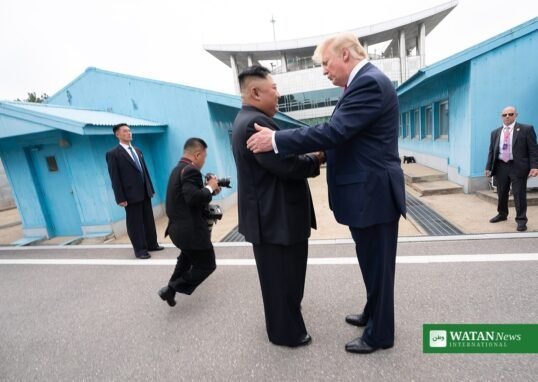
After Midterm Defeat, Trump May Seek New Talks With North Korea’s Kim
- 0
- 491 words
Analysts say Donald Trump may step up efforts to restart talks with North Korea's Kim Jong Un after his party's midterm defeat,...
Read out all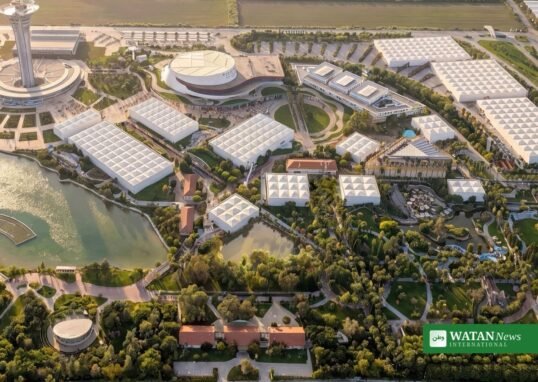
Antalya Leaders’ Summit: 77 Leaders Listed to Speak as China Confirms Vice-President Han Zheng
- 0
- 1,146 word
The COP31 leaders' summit meets in Antalya on 11–12 November 2026. Seventy-seven leaders are listed to speak, China sends Vice-President Han Zheng,...
Read out all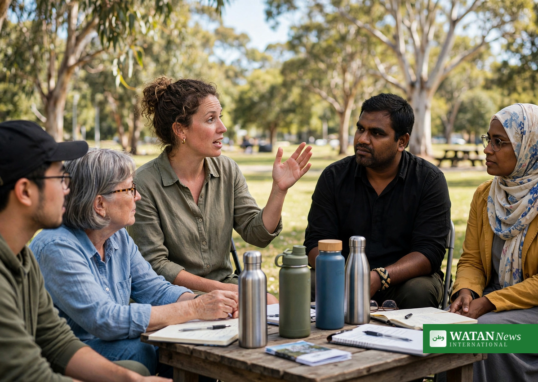
Citizen COP Australia Brings COP31 Home With 96 Community Events
- 0
- 882 words
As COP31 opens in Antalya on 9 November, Citizen COP Australia is carrying the climate talks into towns and cities across the...
Read out all
COY21 Opens in Antalya as Young People Launch Global Youth Statement 2026 for COP31
- 0
- 1,208 word
COY21 opened at Akdeniz University in Antalya on 5 November 2026, as YOUNGO launched the Global Youth Statement 2026 — five documents,...
Read out all
India Pushes Airlines Towards Greener Fuel as Malaysia Delays Its SAF Mandate to 2030
- 0
- 1,105 word
India's draft SAF policy would require 5% blending by 2030 and 90% of fuel uplifted at home, while Malaysia has pushed its...
Read out all
Tunisia Unveils Ten-Year Plan to Reforest 30,000 Hectares After Years of Wildfire Losses
- 0
- 923 words
Tunisia will reforest 30,000 hectares over ten years, prioritising cork oak and Aleppo pine, after wildfires destroyed more than 74,000 hectares between...
Read out all